How do species reintroductions work?
A reintroduction returns a species to part of its natural range where it has disappeared. Under IUCN guidelines, it should only go ahead once the cause of the decline is under control, the risks are assessed and released animals can be monitored.
By Diego Callegari ·
Many of the recovery stories we report end the same way: animals or plants bred in captivity, rescued or moved from elsewhere are released into the wild. Conservationists call this a conservation translocation, the deliberate movement of organisms from one site for release in another, meant to bring a measurable benefit to a population, species or ecosystem, not only to the individuals moved, according to the IUCN Guidelines for Reintroductions and Other Conservation Translocations.
Four kinds of release
The IUCN guidelines, published in 2013 by its Species Survival Commission, distinguish between moves inside a species' natural range and moves outside it:
- Reintroduction: releasing a species inside its natural range in a place where it has disappeared, to re-establish a viable population.
- Reinforcement: releasing animals or plants into an existing population of the same species, for example to increase its size or genetic diversity.
- Assisted colonization: moving a species outside its natural range to avoid extinction, when protecting it where it lives now is less feasible than at another site.
- Ecological replacement: releasing a species outside its natural range to restore an ecological function lost when another species went extinct, often using a close relative.
The guidelines treat moves outside a species' natural range as especially high risk, because of the many examples of introduced species that went on to cause harm.
The cause of the decline must be dealt with first
A release only makes sense if whatever wiped out or reduced the population is under control. The guidelines say there should be confidence that past causes of severe decline or extinction will not threaten the released animals again, and that it is not enough to address only the original cause, because new threats may have appeared in the meantime. The habitat at the release site must still be suitable, and the climate there should stay suitable for the foreseeable future.
Every translocation should also have a risk assessment proportional to the risks involved, including disease. Where risks are high or remain uncertain, the guidelines say the release should not go ahead.
How releases are done
Releases vary. Some animals are let go directly; others go through a “soft release,” spending time in an enclosure at the site first. The guidelines note that released animals must show the behaviors they need to survive and breed, and that it can help to move animals in their social groups. A trial release can answer questions before a full program starts.
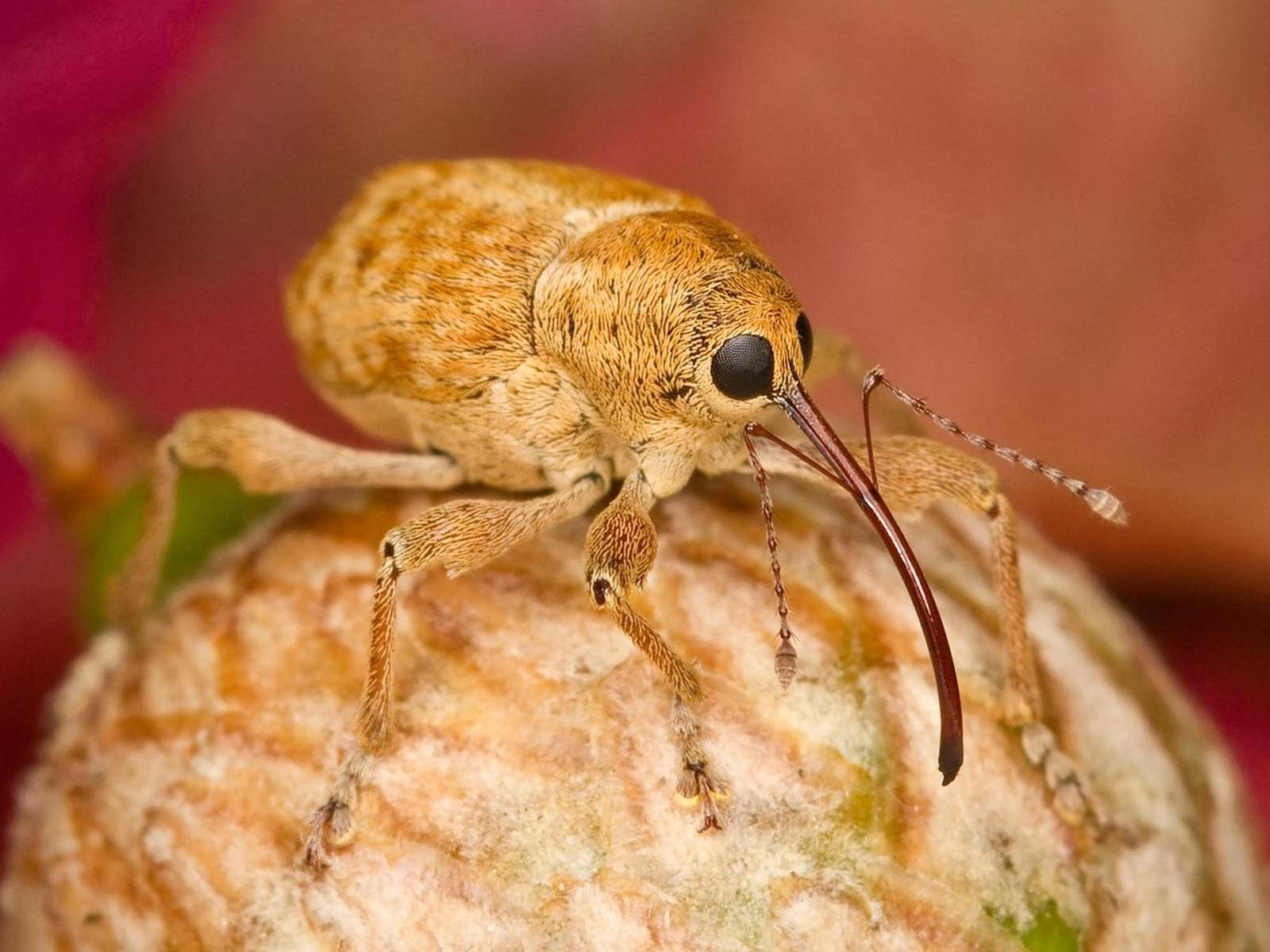
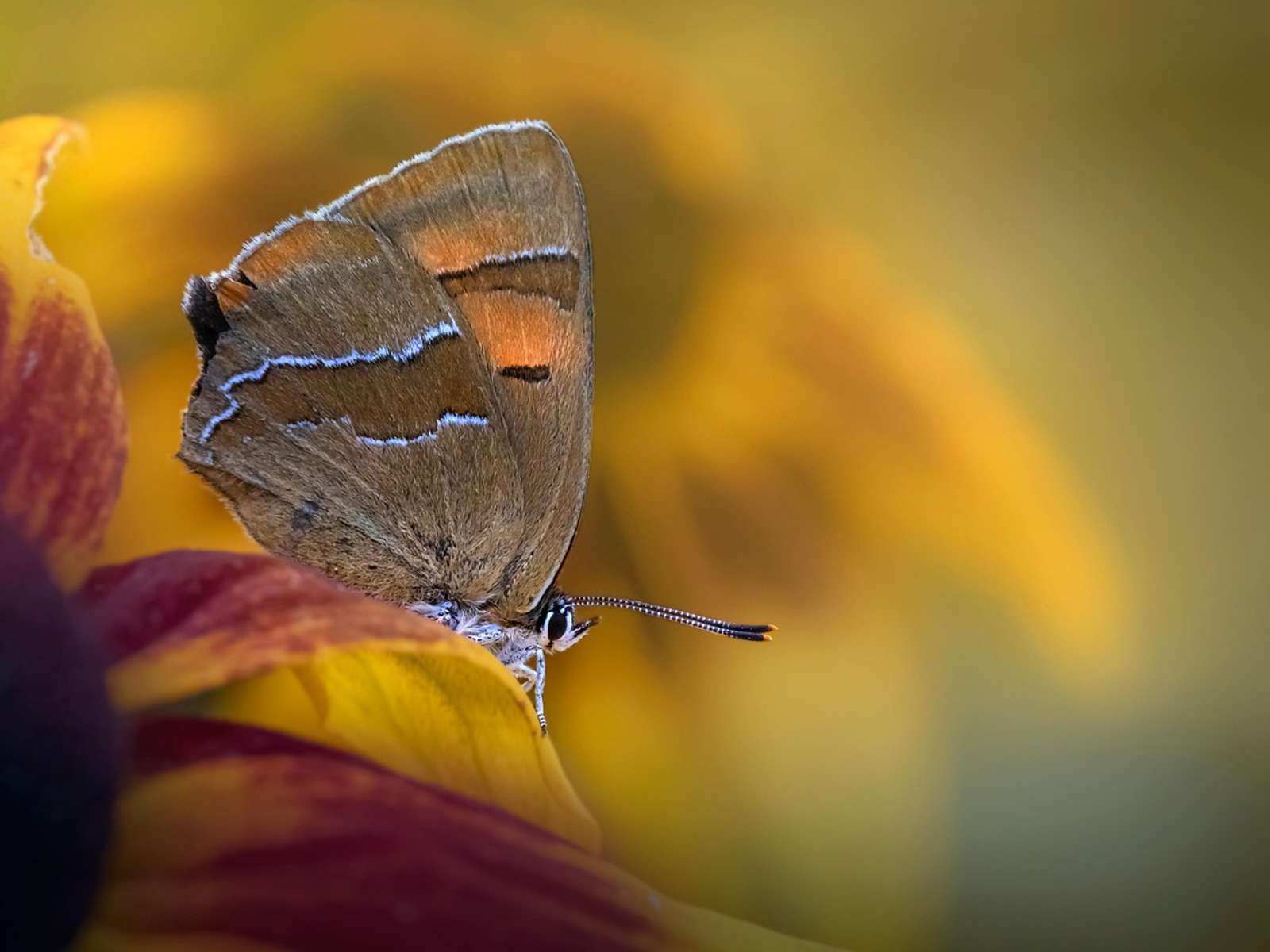
Our recent stories show the range. New Zealand's Department of Conservation started a soft-release trial for the Canterbury knobbled weevil, leaving protective covers on the plants for a week. In Bangladesh, the fishing cat Alfie spent eight weeks in a soft-release enclosure before going back to the wild. In Canada, researchers plan to bring back the frosted elfin butterfly, missing from the country for nearly 30 years.
Monitoring decides success
A release is the start of the work, not the end. The guidelines call for monitoring of survival, breeding and population growth after release, and for adjusting management based on the results. Early on, small populations are vulnerable to chance events and may take time to start breeding, so slow initial growth is expected.
The guidelines also say every translocation plan should include an exit strategy, so a program can be stopped in an orderly way if it is not working. That is why we report, where we can, whether animals carry trackers, how many survive and when the next count is due.
Successful reintroductions are one of the reasons IUCN gives when a species genuinely moves to a lower threat category on its Red List. More stories are collected under species recovery.