USF researchers are building living heart valves that could grow with children
A University of South Florida lab is developing tissue-engineered heart valves from umbilical cord cells that the body could remodel over time, aiming to spare children with heart defects repeated surgeries.
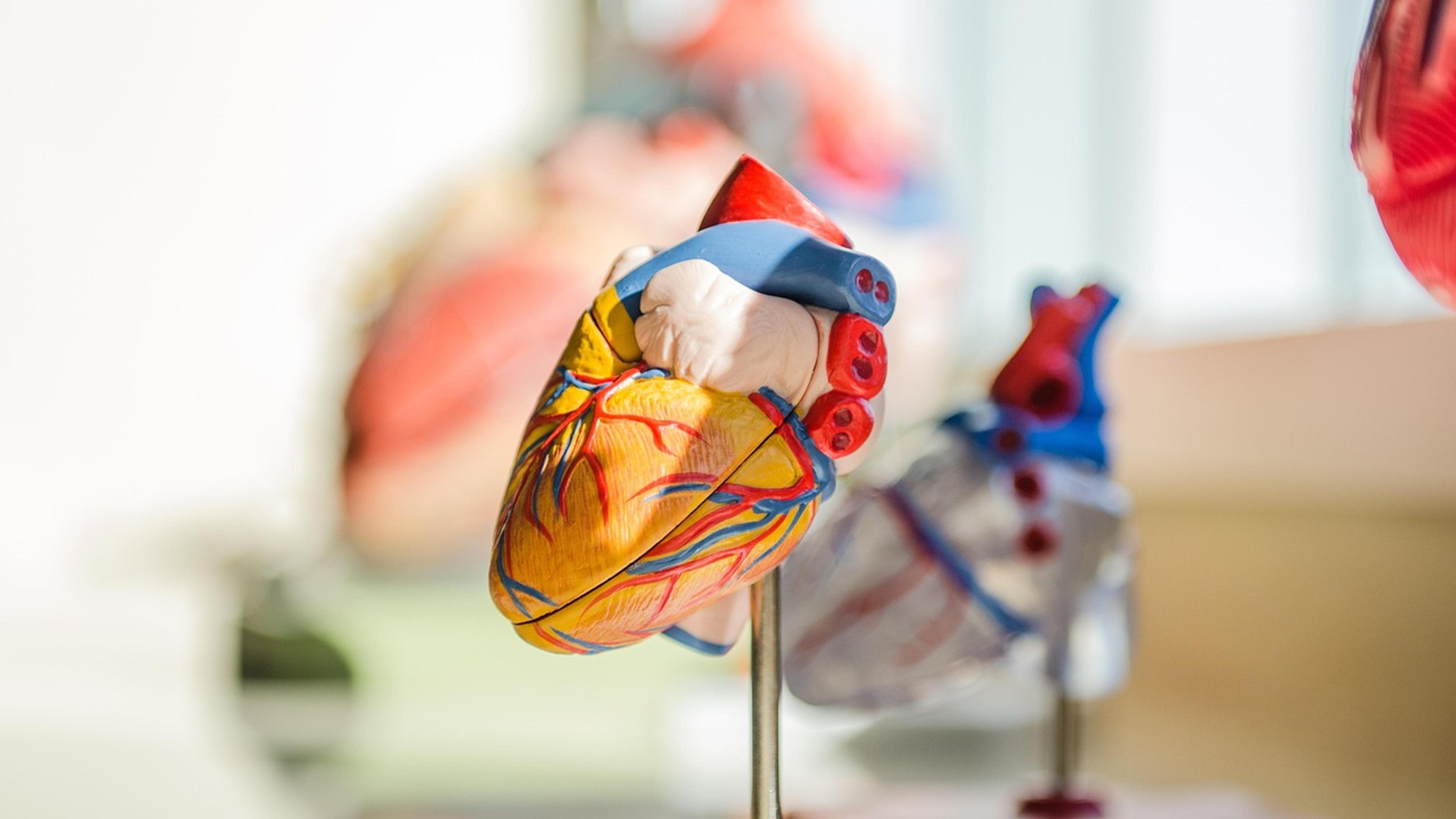
Researchers at the University of South Florida are developing living heart valves that could grow with a child, potentially sparing young patients the repeated replacement surgeries they need today, the university reported on 7 October. The work is at an early, preclinical stage.
Today's valves cannot grow
Children born with serious heart defects often need valve replacements. Mechanical valves usually mean lifelong blood thinners, and valves made from animal tissue wear out over time. Neither grows with the child, so young patients may face several operations as they get older.
Four-year-old Meadow Boes, born with a severe defect called tetralogy of Fallot with pulmonary atresia, had her first open-heart surgery at six days old and has had two more major heart operations since.
“When we got her diagnosis, they told us this was going to be a lifetime of open-heart surgeries.” — Sarah Boes, Meadow's mother
Umbilical cord cells and materials that mimic heart tissue
Assistant Professor Neda Latifi's lab, a joint programme of USF Health and the College of Engineering, combines cells taken from umbilical cords with materials designed to mimic healthy valve tissue. The aim is a valve that becomes part of the patient, with the body's own cells gradually remodelling it so it can adapt as a child grows.
“My major goal is to develop a heart valve that could serve as a one-time replacement, so that one surgery replaces many.” — Neda Latifi, Assistant Professor of Medical Engineering, USF
Promising in the lab, years from patients
So far the team has developed materials that reproduce key mechanical features of natural valve tissue, and early laboratory studies show encouraging performance. The university did not report animal or human testing, and such valves would need years of trials before reaching patients. Other advances are already helping adults with valve disease, such as a minimally invasive tricuspid valve repair that cut deaths and hospital stays.
Like what you're reading?
Related stories

Can a phone video of the neck spot heart problems? NZ researchers get funding to find out
A University of Auckland engineer is trialling a smartphone tool that reads tiny pulse movements in the skin of the neck, one of eight heart projects sharing NZ$2.32 million from New Zealand's Heart Foundation.

Diabetes Drug Cut Inflammatory Blood Cells Within Two Weeks in Small Human Trial
In a Vanderbilt pilot study of 16 women with obesity and prediabetes, the SGLT2 inhibitor empagliflozin reduced inflammatory cell clumps linked to heart disease within two weeks, an effect a diet group did not show.
Listening to your favourite music can ease the pain of a needle, Swiss study finds
In a study of 204 patients having a cannula inserted before an MRI scan in Zurich, those who listened to their own favourite music reported the biggest reduction in pain.