Scientists spot an "immune fog" that builds up years before lung cancer, and reverse it in mice
UCL researchers found that suppressive immune cells build up months or years before lung cancer forms, tracked them with prototype blood tests and halved tumour formation in mice with a drug.
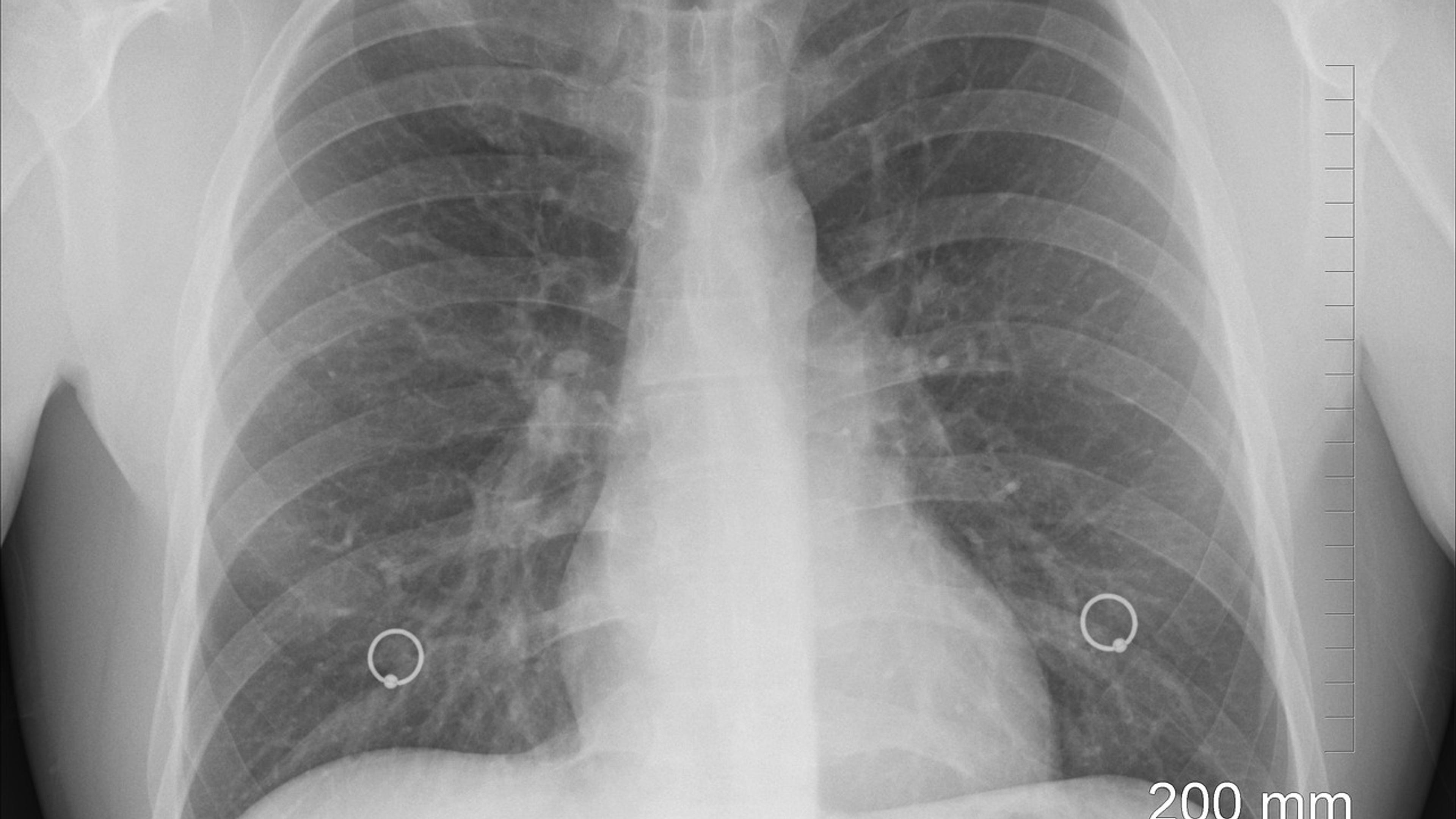
Scientists at University College London have found that a group of immune cells builds up in the lungs months or even years before lung cancer develops, and that a drug can reverse their effect in mice, UCL said. The study, led by Dr James Reading and Professor Sam Janes, is published in Nature.
Regulatory T cells may let pre-cancers grow unchecked
The team studied blood and tissue from people in long-running lung cancer surveillance and screening studies, alongside experiments in mice, to understand why some pre-cancerous lesions turn into tumours.
They found that regulatory T cells, or Tregs, gradually accumulate before cancer appears. Tregs normally hold back other immune cells, so this build-up, which the researchers describe as an "immune fog", may let pre-cancers develop without being challenged.
“What excited us most was that these cells weren't just signalling that cancer might be developing: it was also possible to target this immune fog to intervene and stop tumours from forming.” — Dr James Reading, UCL Cancer Institute
A drug halved tumours in laboratory mice
Using prototype blood tests, the researchers found that Treg levels in blood could help flag people at rising risk of lung cancer or with a very early form of it. In mice, a drug targeting specific immune processes reversed the Tregs' suppressive effect, halved the proportion of animals that developed lung tumours and prevented all large tumours.
These are early results. The tumour findings come from animal experiments and the blood tests are prototypes, so neither is ready for patients. Janes called the approach "cancer interception", an emerging field that aims to stop pre-cancers from becoming cancer.
Lung cancer kills 32,800 people a year in the UK
Lung cancer causes around 32,800 deaths in the UK each year, and only about 11% of people diagnosed are expected to survive ten years or more. Spotting risk earlier is a growing research goal: Good News Daily has also covered blood markers that may flag lung cancer risk a decade early.
The work was funded by Cancer Research UK and the Medical Research Council, and patient representatives helped shape the research.
Like what you're reading?
Related stories
Blocking One Signal Kept Cancer-Fighting T Cells From Burning Out in Lab Studies
Memorial Sloan Kettering researchers found that the signaling molecule MEK drives cancer-fighting T cells into exhaustion. Blocking it in animal and lab studies helped the cells conserve energy and last longer.

Can a phone video of the neck spot heart problems? NZ researchers get funding to find out
A University of Auckland engineer is trialling a smartphone tool that reads tiny pulse movements in the skin of the neck, one of eight heart projects sharing NZ$2.32 million from New Zealand's Heart Foundation.

Single-neuron study finds signs of resilience in brain cells vulnerable to Parkinson's
Scientists sequenced mitochondrial DNA in individual brainstem neurons from people with Parkinson's for the first time, finding heavy damage but also a protective response that was stronger in people who lived longer.