Blood Markers Can Flag Lung Cancer Risk Up to 10 Years Early, Study Finds
University of Hawaiʻi researchers identified 31 blood markers linked to future lung cancer risk that can be detected up to a decade before diagnosis, with 95% accuracy in their computer model.
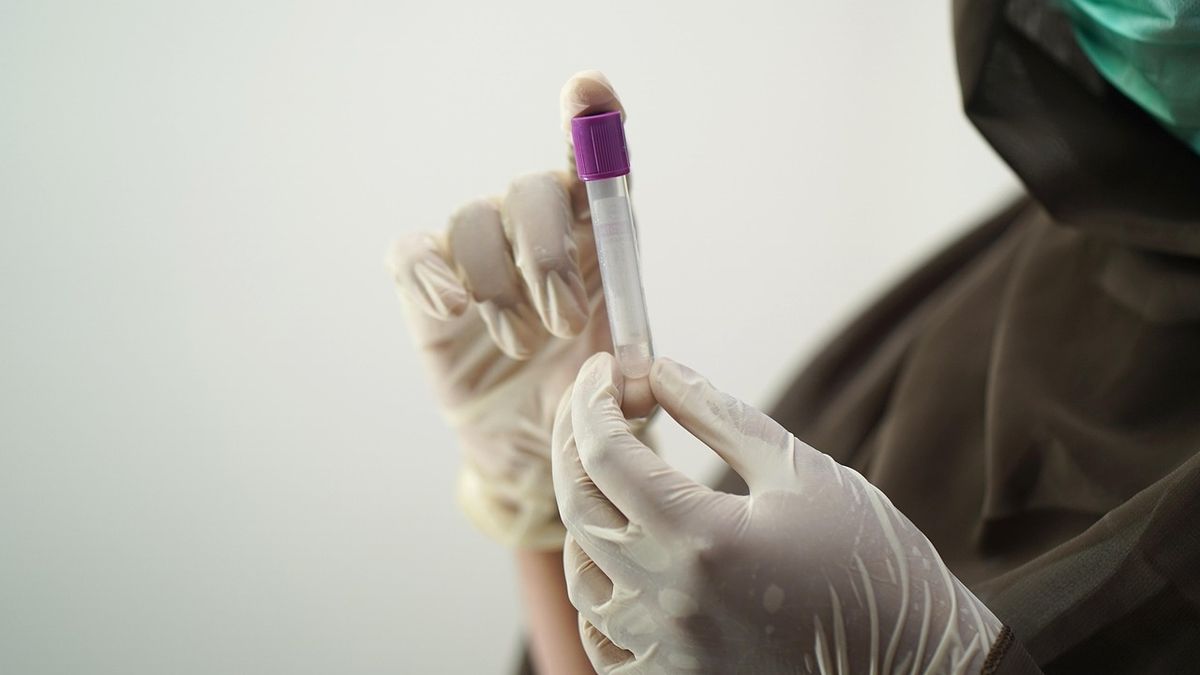
Researchers at the University of Hawaiʻi have identified 31 molecules in the blood that are associated with future lung cancer risk — detectable, in some cases, up to 10 years before a diagnosis would otherwise be made.
A signal years ahead of diagnosis
The team, led by Youping Deng and PhD candidate Zhuokun Feng at the John A. Burns School of Medicine, analyzed small non-coding RNA molecules in blood samples and built a computer model that predicted future lung cancer with 95% accuracy overall. The association held up even 5 to 10 years before diagnosis, after accounting for age, sex, ethnicity, and smoking history.
"A central question in this study was whether a molecular signal of future lung cancer could already be present in blood many years before diagnosis," said Feng. The findings were published in the journal Advanced Science.
From research finding to screening tool
The team, which also includes Masaki Nasu and UH Cancer Center co-author Loïc Le Marchand, is now pursuing patent protection for a blood-based screening approach based on the markers. The goal is a test that could eventually help identify people at higher long-term risk before the disease becomes detectable by current methods.
The research was supported by National Institutes of Health funding, including backing from the UH Pacific Center for Genome Research.
Like what you're reading?