MIT-led team gets up to $38 million to build a body-heat-powered patch for early sepsis and heart failure detection
ARPA-H will fund an MIT-led team with up to $38 million over four years to develop PYTHIA, a noninvasive patch powered by body heat that would track biomarkers of sepsis and heart failure. No device has been built or tested yet.
A team led by MIT has received up to $38 million over four years from the US Advanced Research Projects Agency for Health (ARPA-H) to develop a wearable patch that could catch sepsis and heart failure early, MIT News said on 4 November. The project is called PYTHIA and is led by Ahmad Bahai, a professor of the practice in electrical engineering and computer science.
Two of the deadliest conditions
“We targeted these diseases because they are very lethal,” Bahai said. Heart disease is the leading cause of death in the US. Sepsis kills at least 350,000 US adults a year and is the leading cause of death in hospitals, according to figures from the US Centers for Disease Control and Prevention cited by MIT.
A blood test every 15 minutes, without the blood
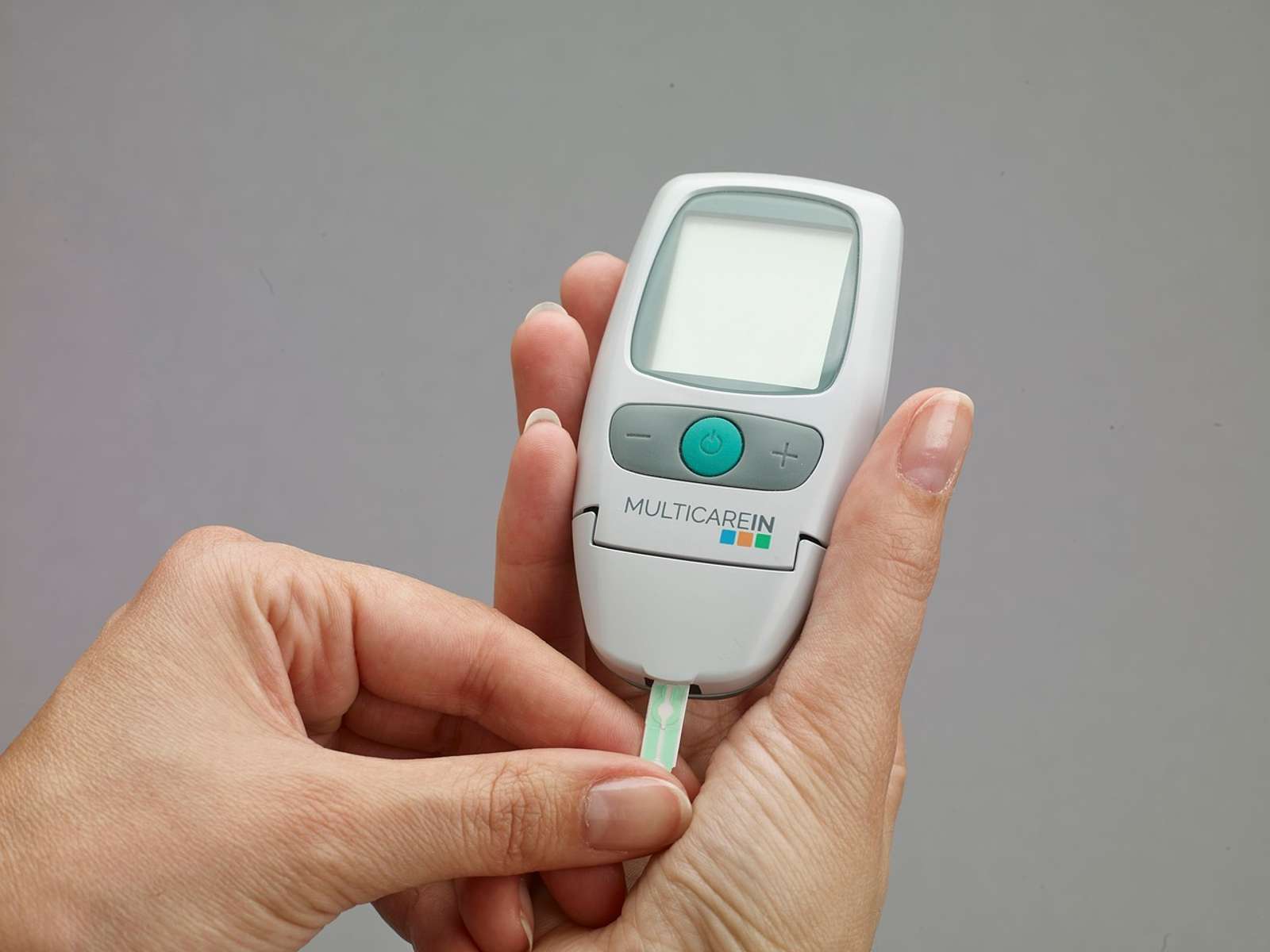
The planned patch is a chip-based, noninvasive wearable powered by the patient's body heat. It would monitor biomarkers in interstitial fluid, the fluid under the skin. These molecules occur in very low concentrations, so the system would run a chemical reaction that binds other chemicals to them and makes them easier to identify. Microelectronics would take the measurements, and AI models on the chip would turn the continuous data into information for clinicians.
“This is kind of like having the patient give a blood test every 15 minutes or so.” — Ahmad Bahai, MIT
The goals are earlier diagnosis, before irreversible damage occurs, and tracking recovery after patients leave the hospital. The MIT team also includes Joel Voldman, Tim Swager, Hadley Sikes and Collin Stultz, along with clinical and industry partners MIT did not name.
Nothing patients can use yet
The patch does not exist yet, and no device has been built or tested. Patients cannot get it, and MIT gave no dates for trials. The first step is developing and testing electronic components for a small, low-power chip; preclinical and clinical trials would follow, and only then manufacturing. The announcement gives no accuracy figures and does not name the biomarkers. PYTHIA grew out of MIT's Program for Health Sciences and Semiconductors, which Bahai co-founded three years ago. More early-stage work is collected under medical research.
Not medical advice. This article reports on research and health programs for general information. Results from early studies often change in larger trials. Talk to a doctor before making decisions about your own health or treatment.
Sources
- MIT News · news.mit.edu
How we choose and verify sources: editorial policy.