GPS collars on 262 antelopes map the routes of South Sudan's huge migration
African Parks has fitted 262 antelopes with GPS collars since 2023, producing a map of the Great Nile Migration Landscape, where around 6 million animals move. One tiang covered 11,573 km in just over three years, Mongabay reported.
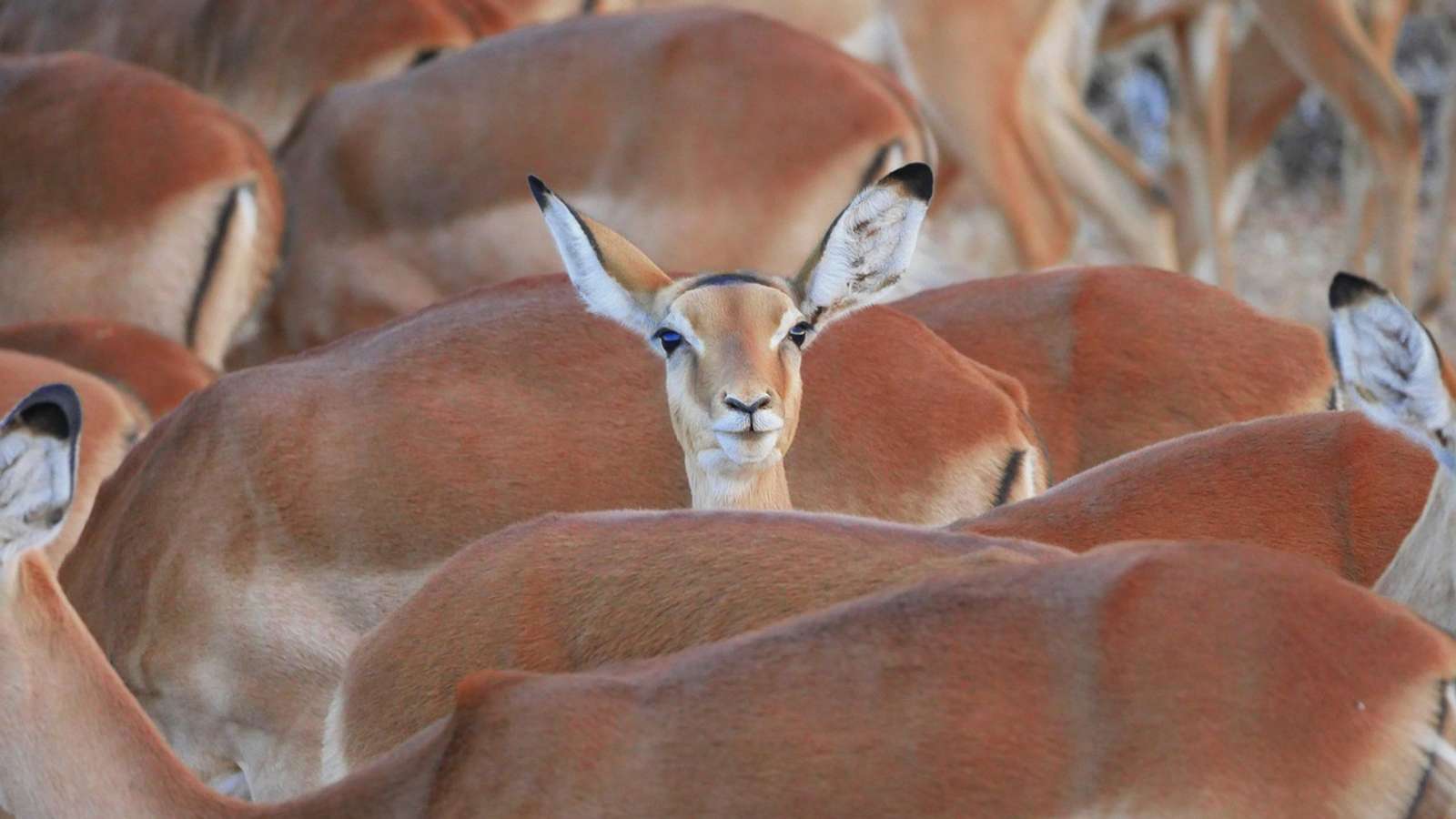
Since 2023, conservationists have fitted 262 antelopes in South Sudan with GPS collars, and the data now show where one of the planet's largest animal movements actually goes, Mongabay reported on 4 November. The map was compiled by Inge van den Meiracker of African Parks, which co-manages Boma and Badingilo national parks with the government.
Around 6 million animals on the move
Four species make up the movements across what is called the Great Nile Migration Landscape, which Mongabay describes as the largest mammal migration on the planet, with about 6 million animals. A 2025 aerial survey of about 110,000 km² estimated 5.17 million white-eared kob, 440,500 tiang, 191,200 Mongalla gazelle and 131,700 bohor reedbuck. Those are estimates, not exact counts. UNESCO recently designated 112,000 km² of the landscape a World Heritage Site.
Thousands of kilometers, mostly outside the parks
Of the collared animals, 148 are white-eared kob, and one kob traveled nearly 3,000 km in a single year. One tiang covered 11,573 km in just over three years, the longest distance of the four species. Kob spend the dry season between the White Nile, Akobo and Sobat rivers and head south in the wet season. The data also point to busy corridors and sites used for mating and calving. The antelopes spend at least 70% of their time outside the two parks, in a landscape shared with about 1 million people.
“It's all connected, so if you don't look at it as a whole big picture, it's not really going to work.” — Megan Claase, conservation manager, African Parks
Hunting, roads and instability
The map arrives as pressures grow. Commercial hunting is rising with firearms, roads and vehicle access, despite bans dating to 2005, and Claase described an “alarming level” of offtake in some areas. A major road between Bor and Pibor could become a barrier if it is made all-weather. University of Juba wildlife biologist Malik Doka Morjan said hunting should die off once political problems are solved. Surveys in 2023 and 2025 found no detectable growth or decline in numbers. More stories on protected land are collected under protected areas.
Sources
- Mongabay · news.mongabay.com
How we choose and verify sources: editorial policy.