7 verified stories from Germany, newest first. Each one links to the official source it is based on.
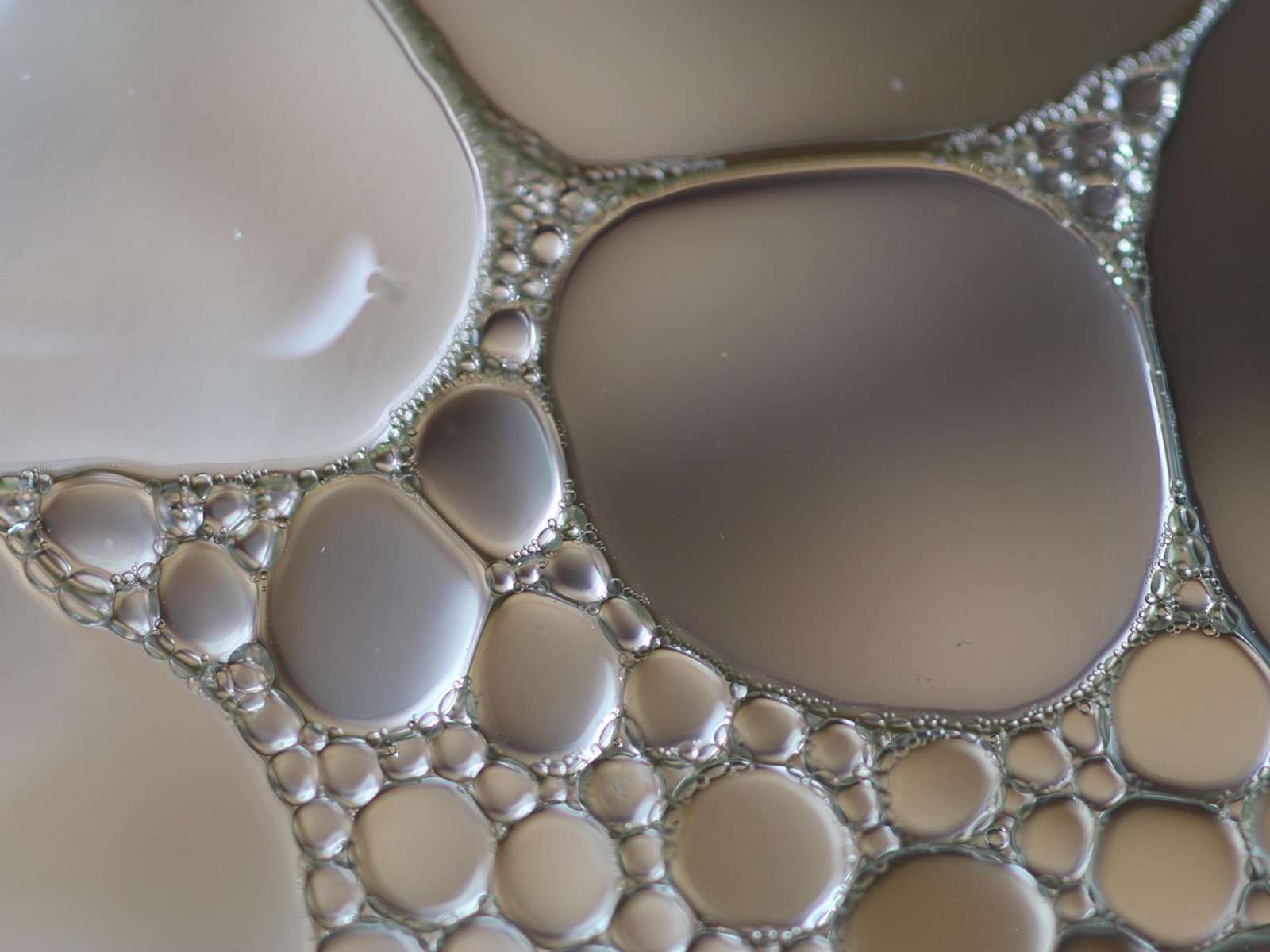
Synthetic RNA droplets that carry their own DNA template formed long-lived vacuoles, moved and stored cargo after a mutation rate of about 3%, a Heidelberg University team reported in Nature Chemical Engineering.
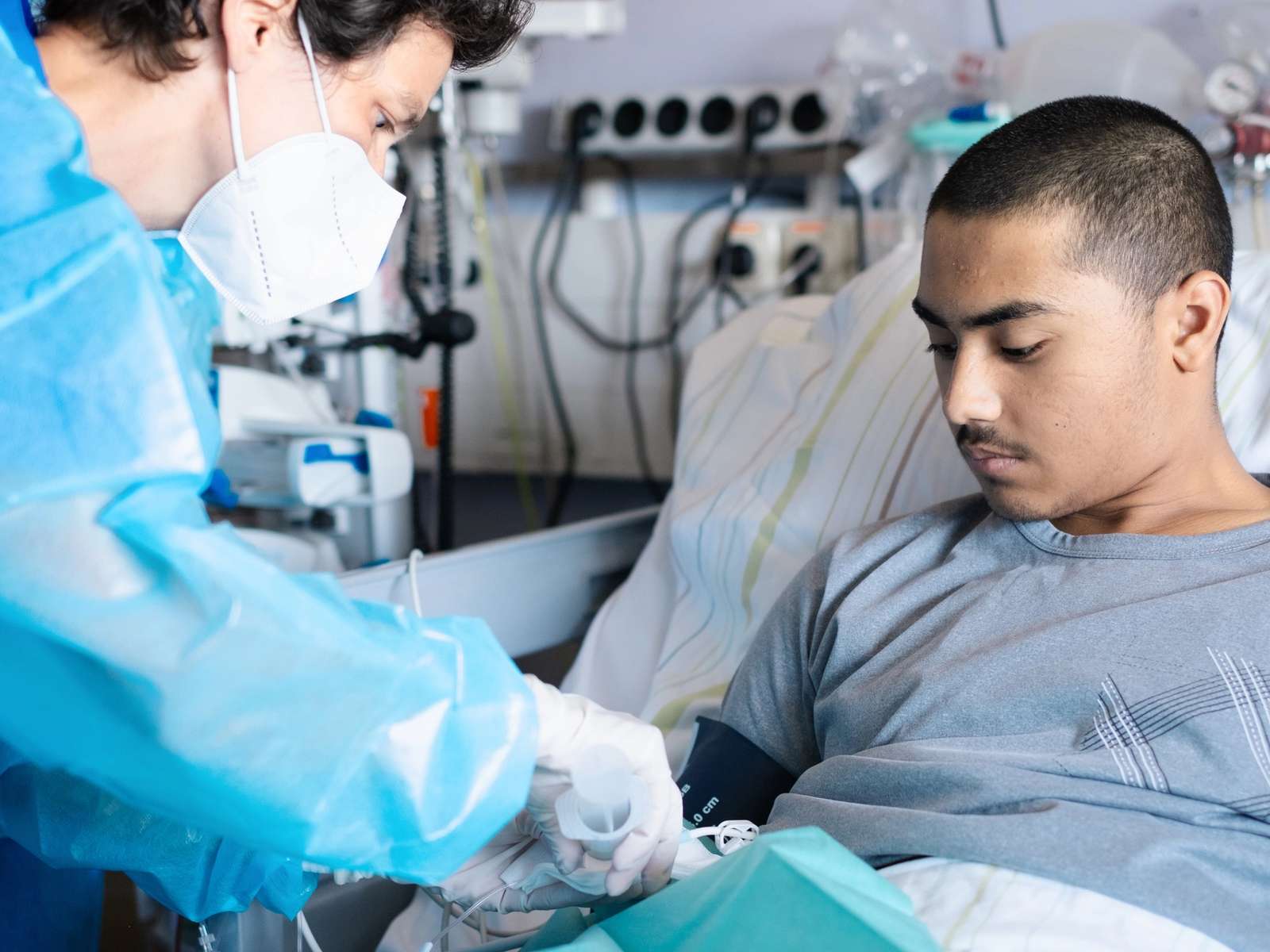
Charité in Berlin has given Germany's first routine CRISPR-based treatment to a 19-year-old with beta-thalassemia. Four months later his hemoglobin is normal and he no longer needs transfusions.
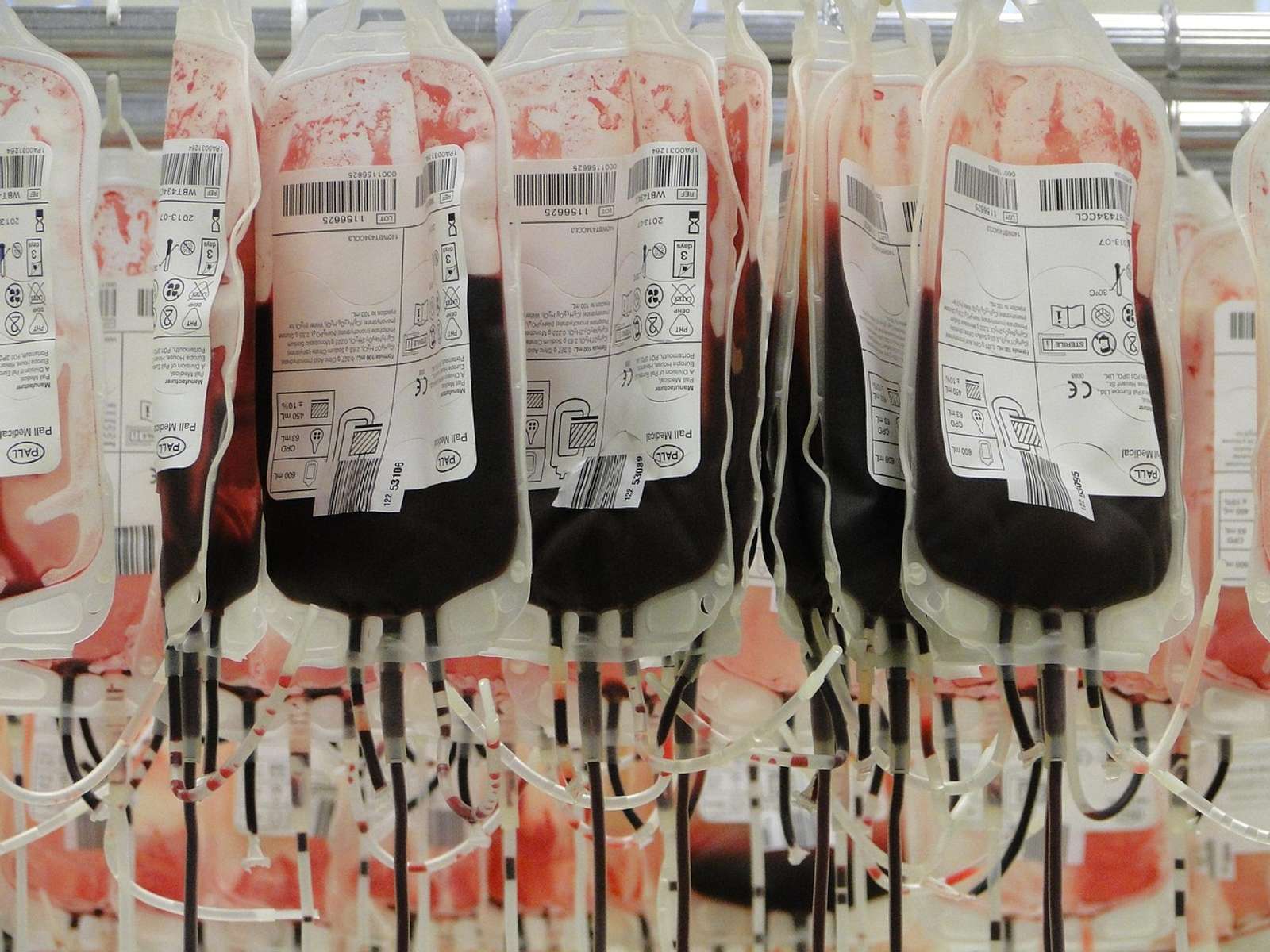
University of Bonn researchers converted blood cells directly into neural stem cells and found their epigenetic clocks reset, so cells from an 80-year-old ended up with a molecular age below 20.
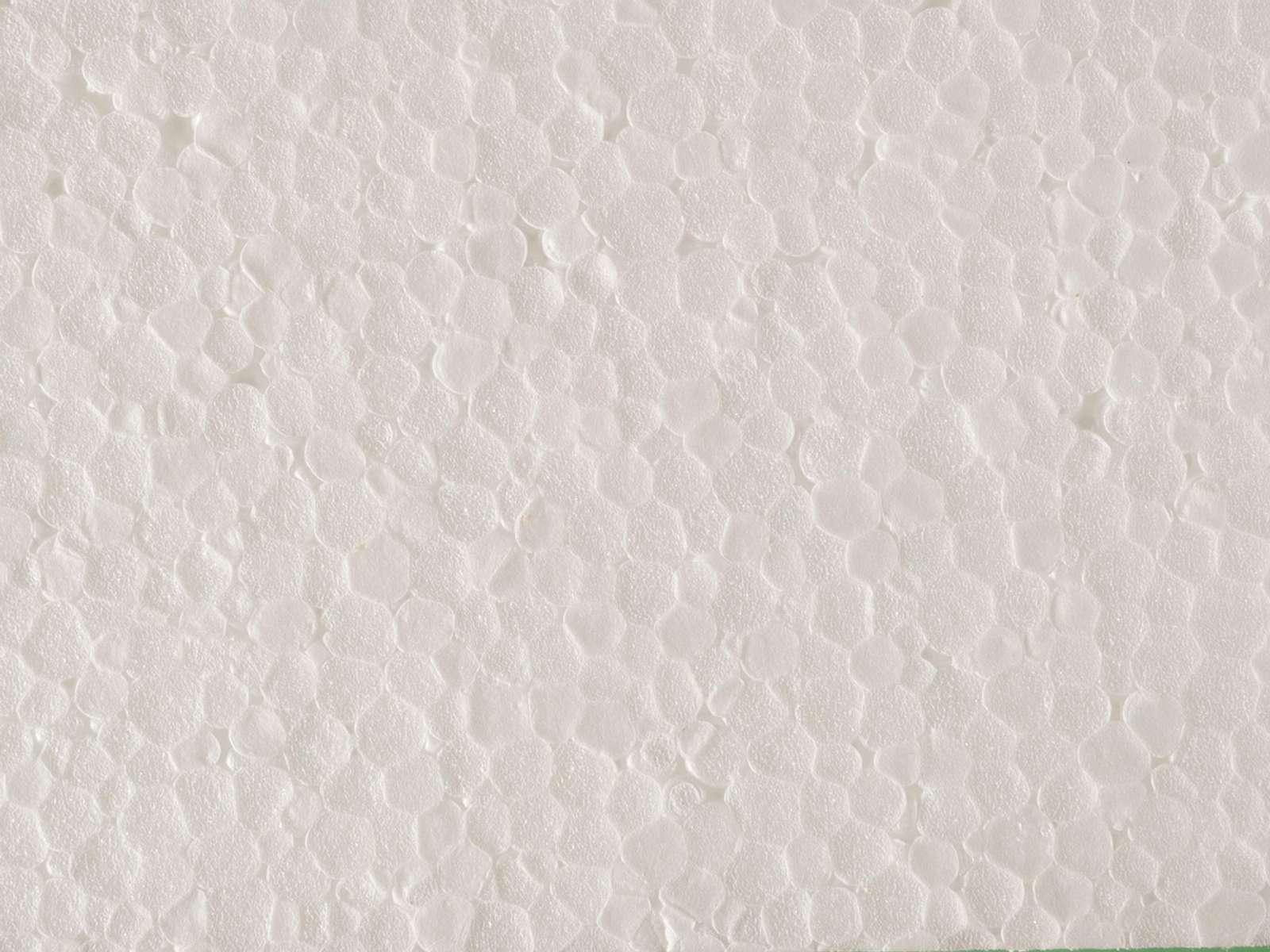
Scientists led by Germany's Helmholtz-Zentrum Hereon made a polystyrene with about 50% plant-based content, produced with microwaves and designed with breaking points so it can be broken down after use.
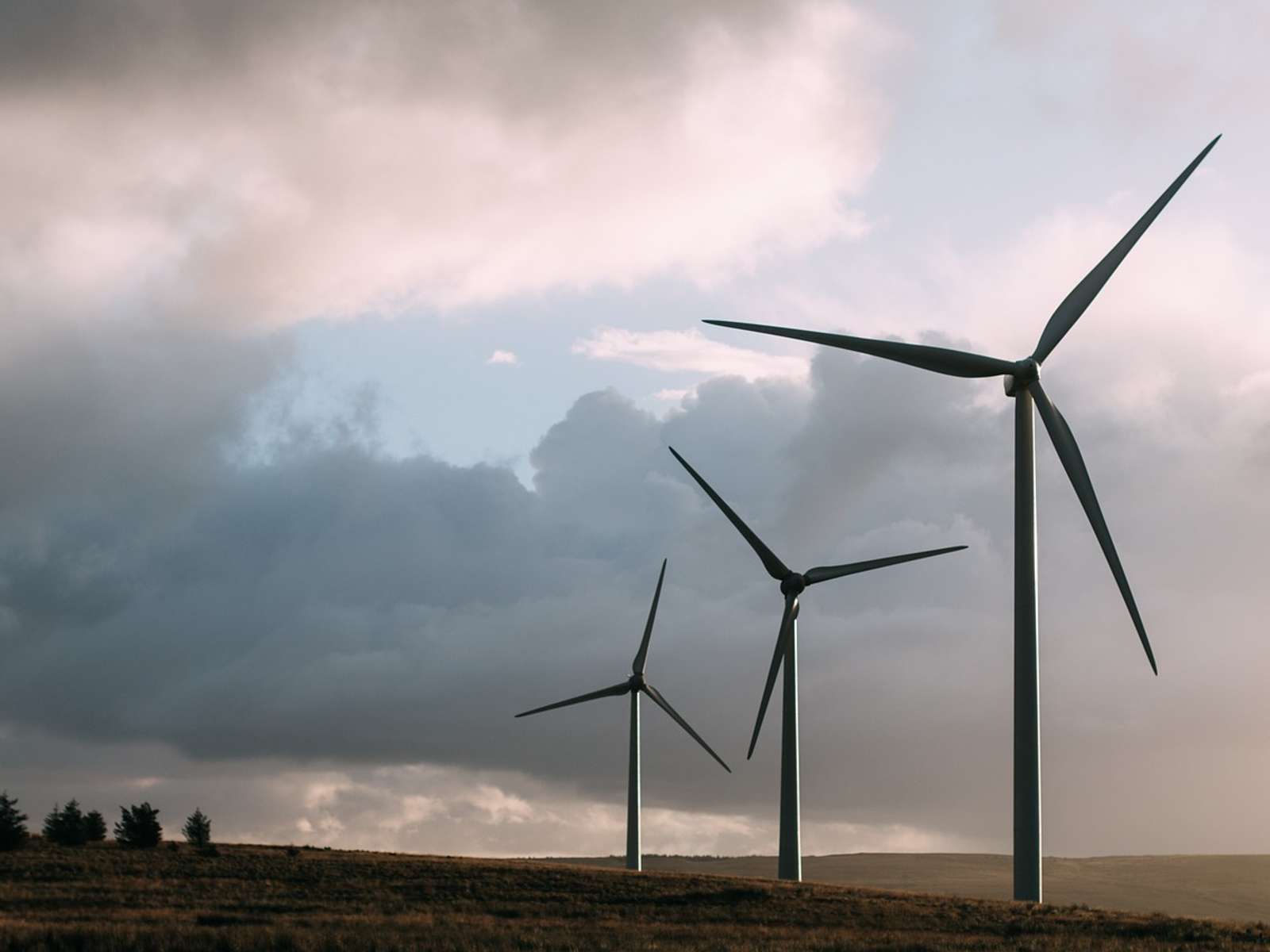
Engineering firm GICON has raised a pilot wind turbine in Schipkau, Germany, to 365 meters, with its hub at 300 meters. It should start running in November and is designed to tap stronger, steadier winds high above ordinary turbines.
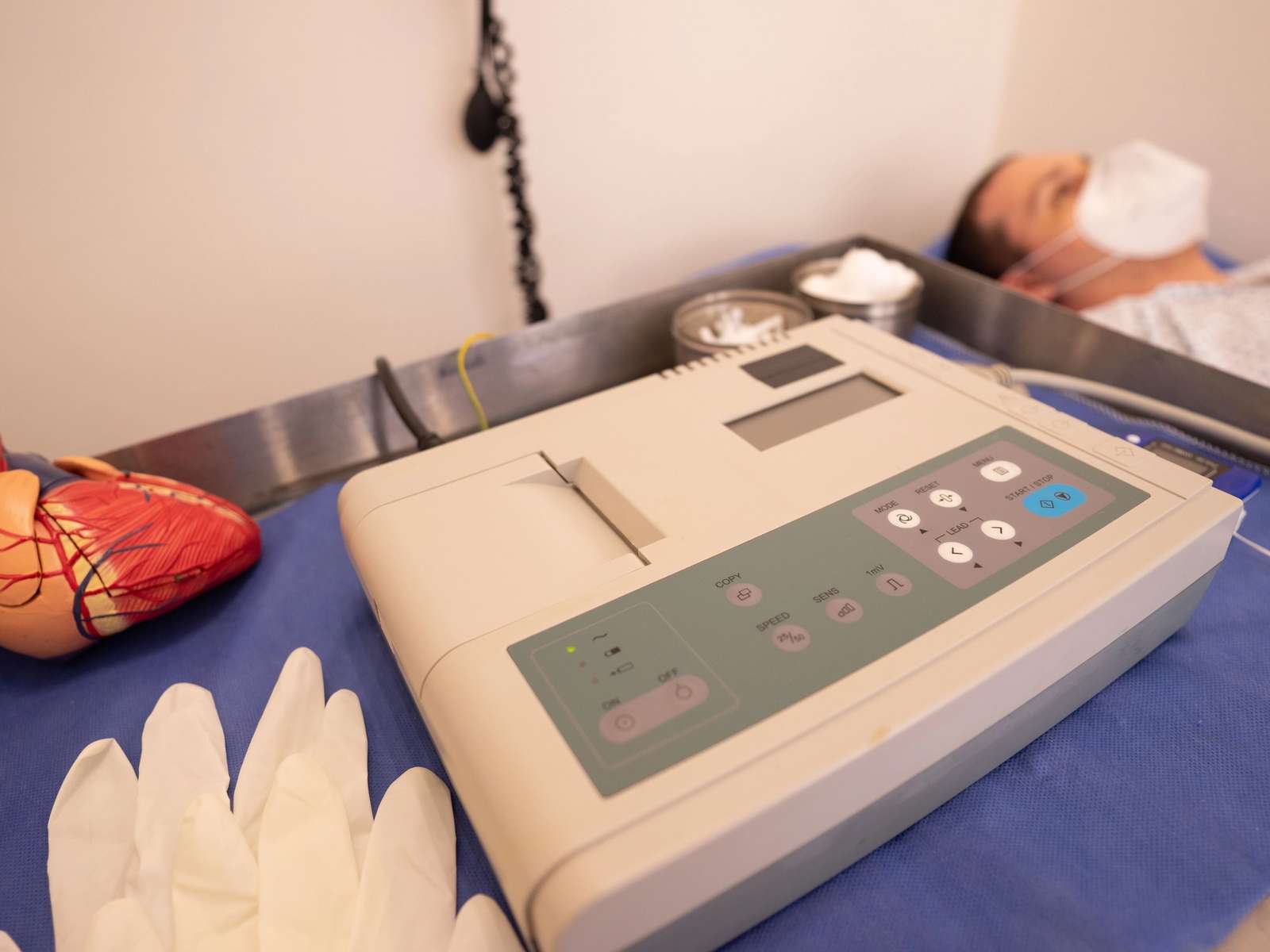
A German trial found that a minimally invasive tricuspid valve repair cut the risk of death or heart failure hospitalization by roughly 60 percent over three years in high-risk patients, resolving a question that had lingered since earlier trials.
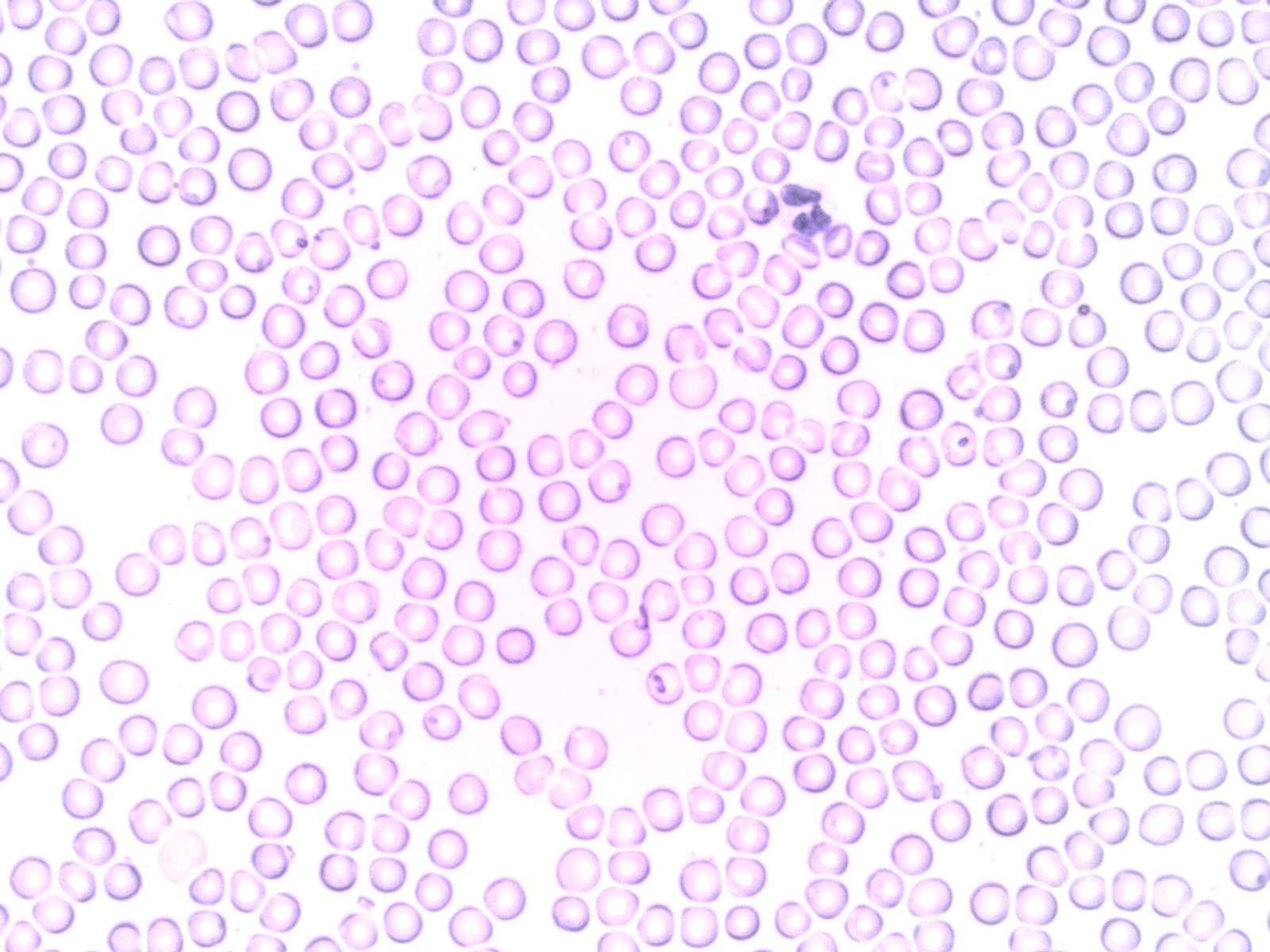
A world-first clinical trial has found that CAR T-cell therapy sharply reduced disease activity in all six patients with severe rheumatoid arthritis, with three remaining in remission without arthritis medication.