17 verified stories from Australia, newest first. Each one links to the official source it is based on.
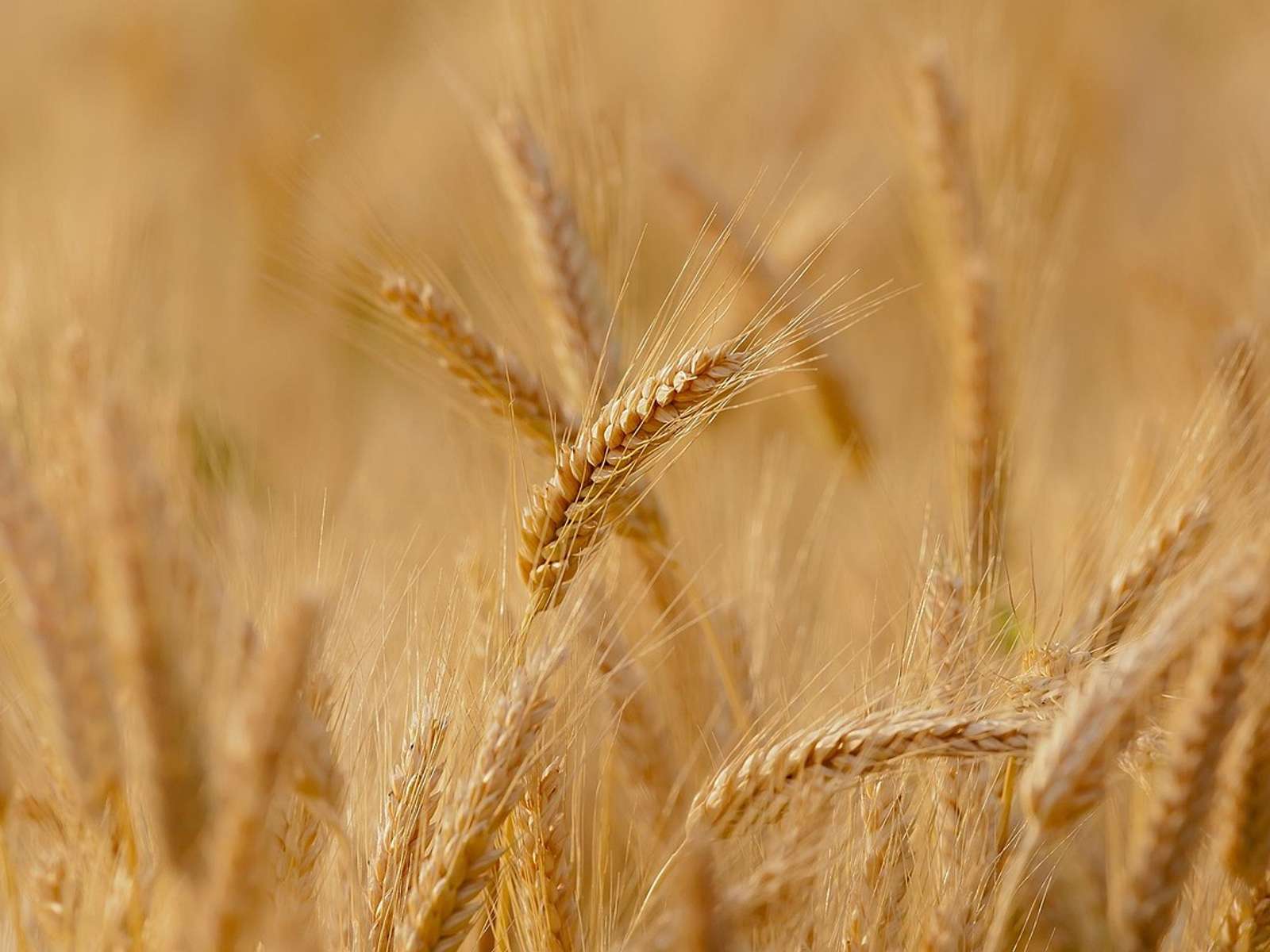
University of Queensland researchers used a robot called the RootBot and drones to track how 36 wheat varieties take up soil water at Gatton. Varieties differed in how much water they used, when, and from what depth, which could help breed drought-tolerant crops.
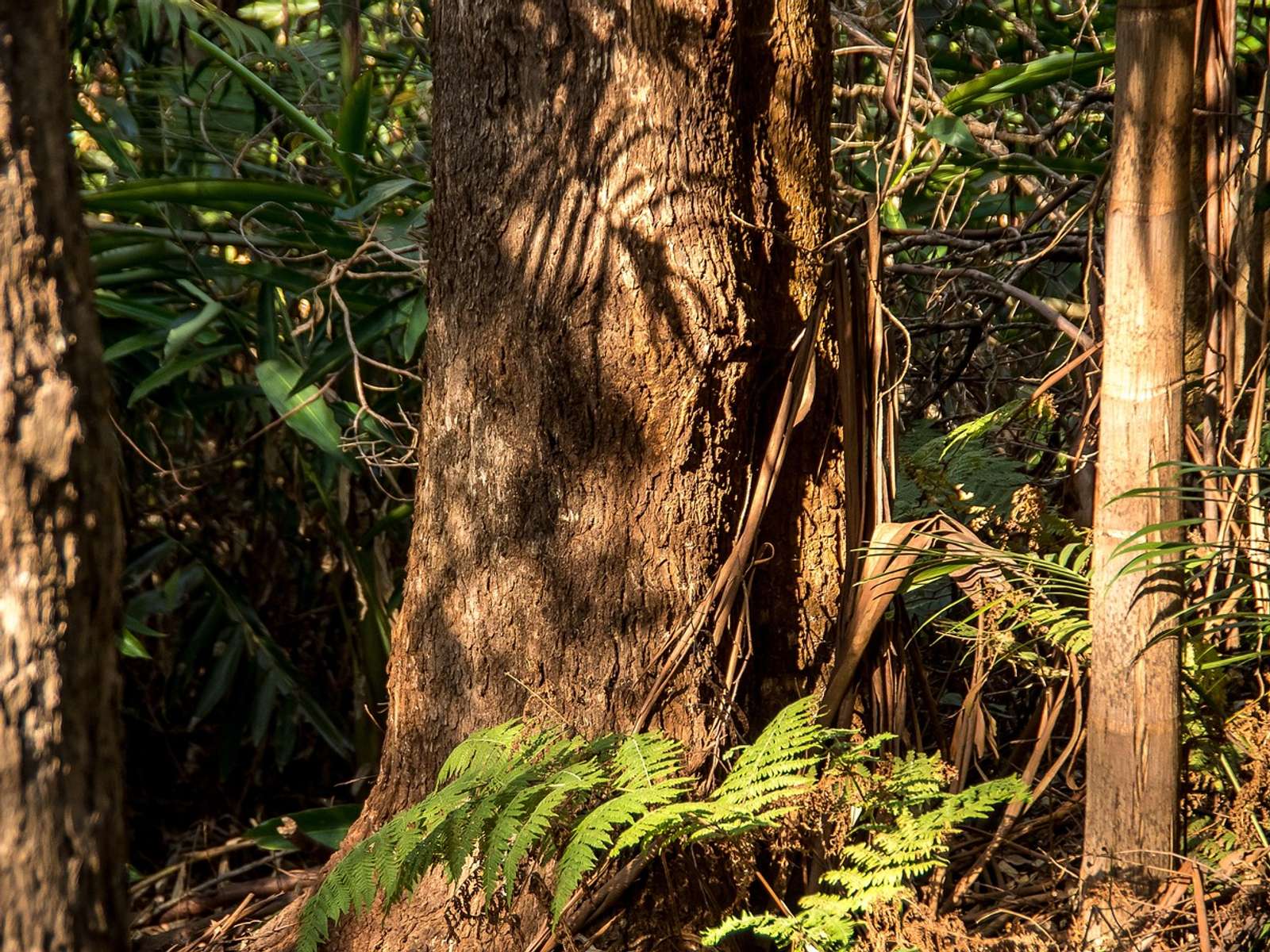
Teacher Nick Lambert found about 50 Bonville leafless orchids in rainforest near Boambee, New South Wales, about 5 km from the only other known site. The critically endangered orchid has no leaves and shows above ground for one to two weeks a year.
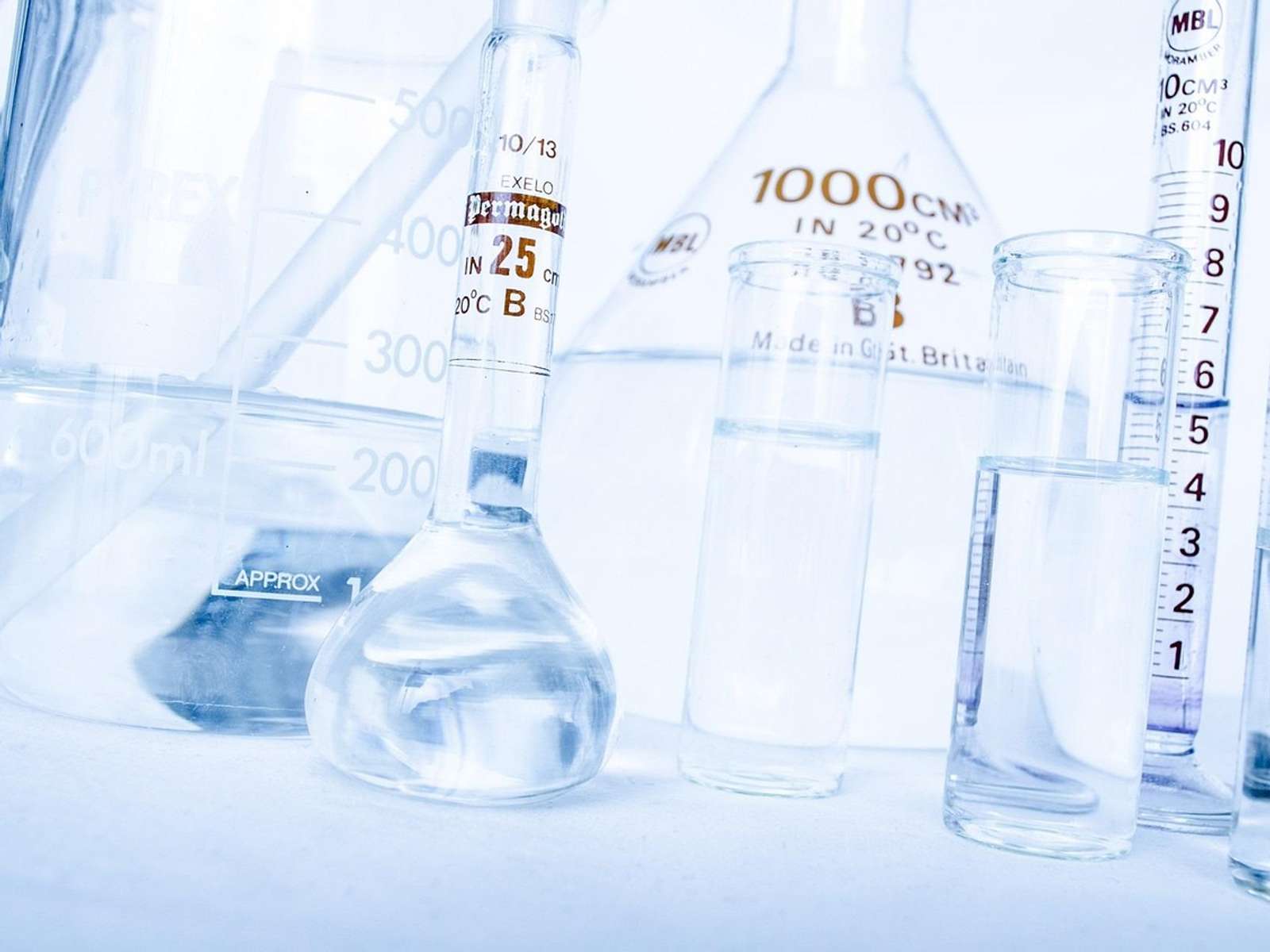
University of Queensland researchers added self-rotating ammonium ions to a membrane's nanochannels. Water flowed about 44% faster, ethanol transport fell by 90%, and separation accuracy improved tenfold, they report in Science.
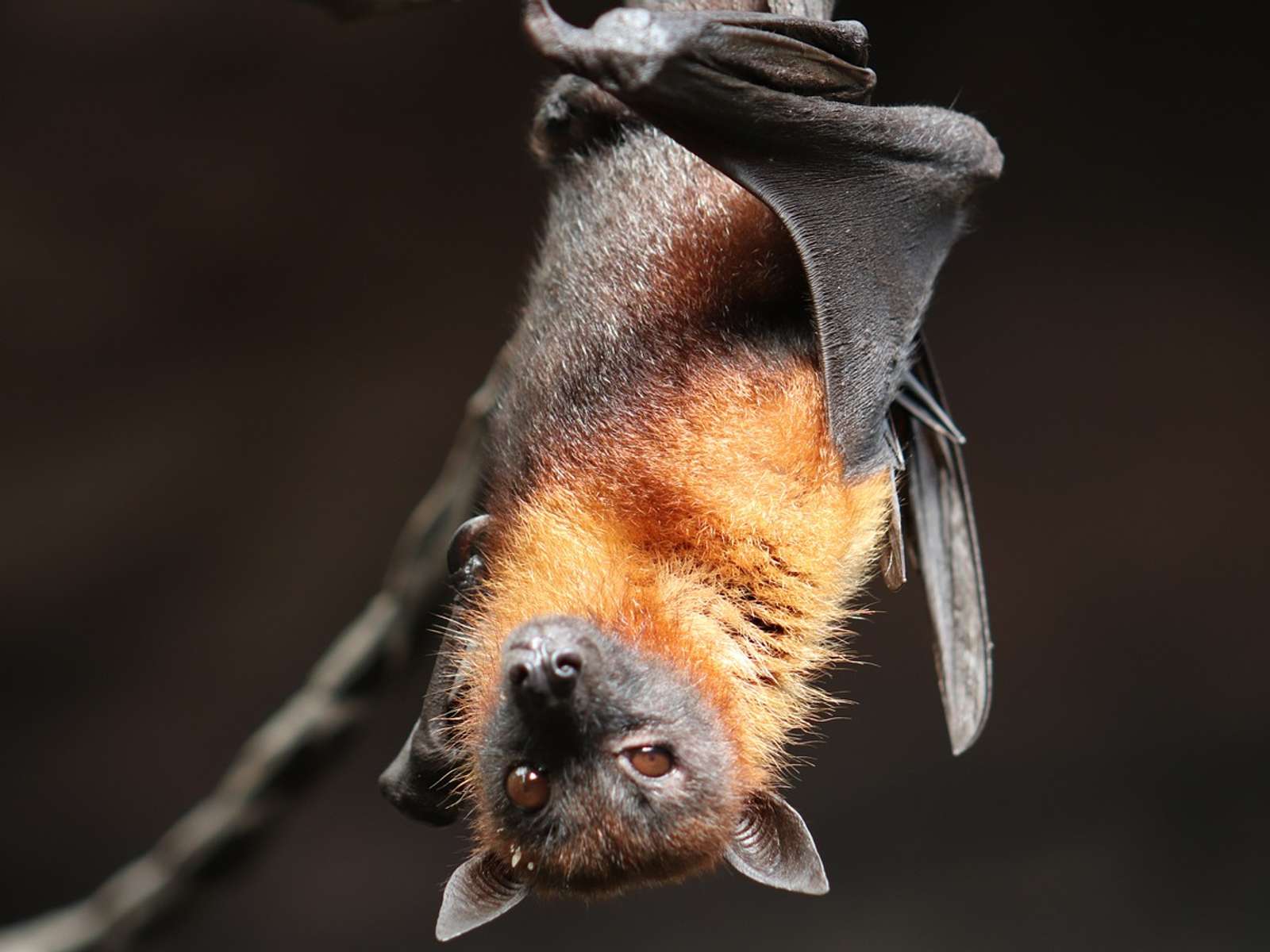
An Australian Wildlife Conservancy ecologist recorded the call of the Arnhem sheath-tailed bat at Pungalina-Seven Emu Wildlife Sanctuary, more than 650 km east of its last known location. The species was first found in 1979.
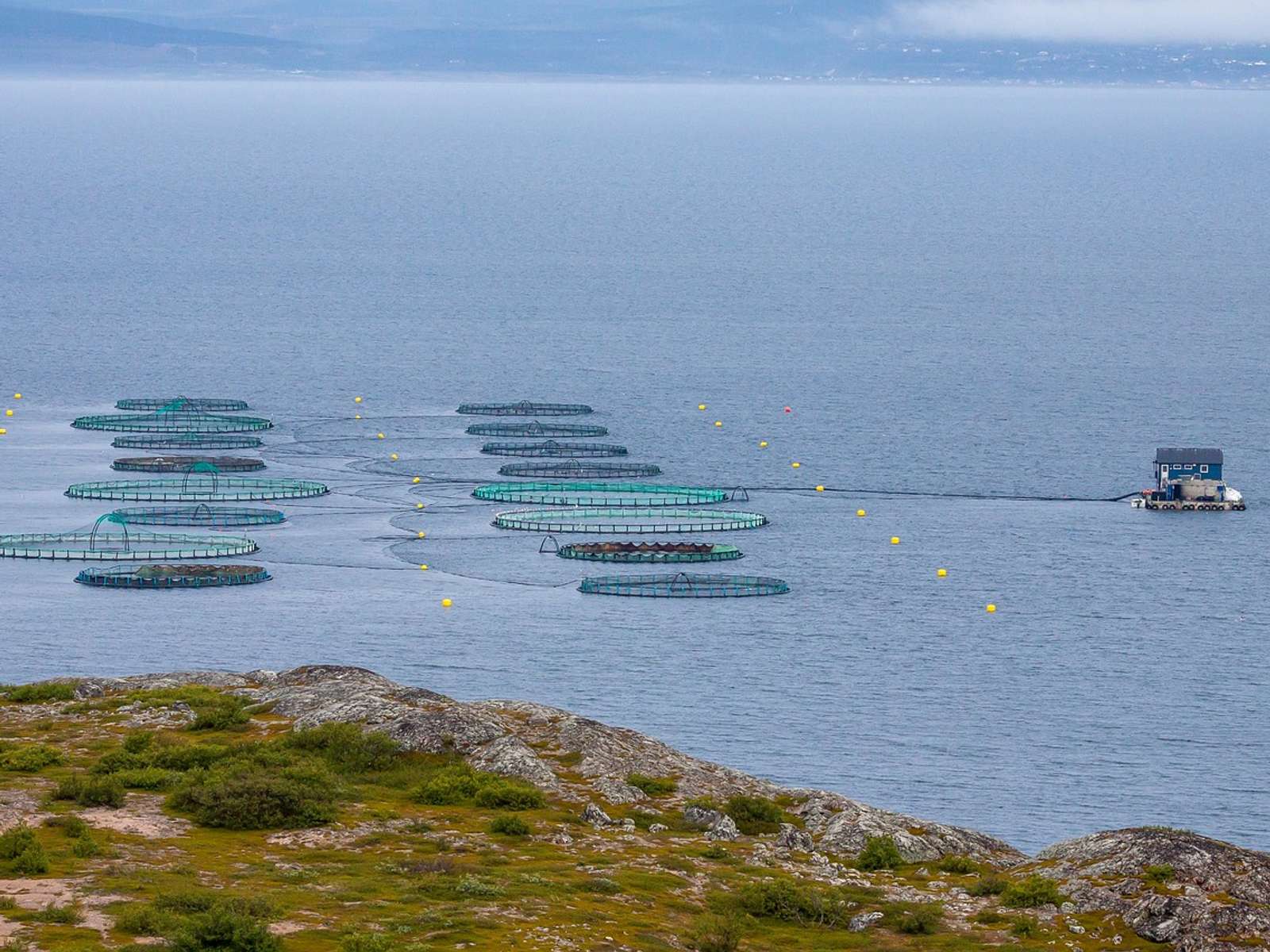
University of Queensland researchers are using methane and carbon dioxide from digested organic waste to grow protein-rich cells for fish feed, aiming to cut the use of wild-caught fish in aquaculture. The work is at lab stage, with pilot trials next.

The University of Queensland's BASE mRNA Facility will build quality-control technology for ARPA-H's GIVE program, which aims to let US hospitals produce personalized RNA medicines on demand. UQ's share is up to $57 million.
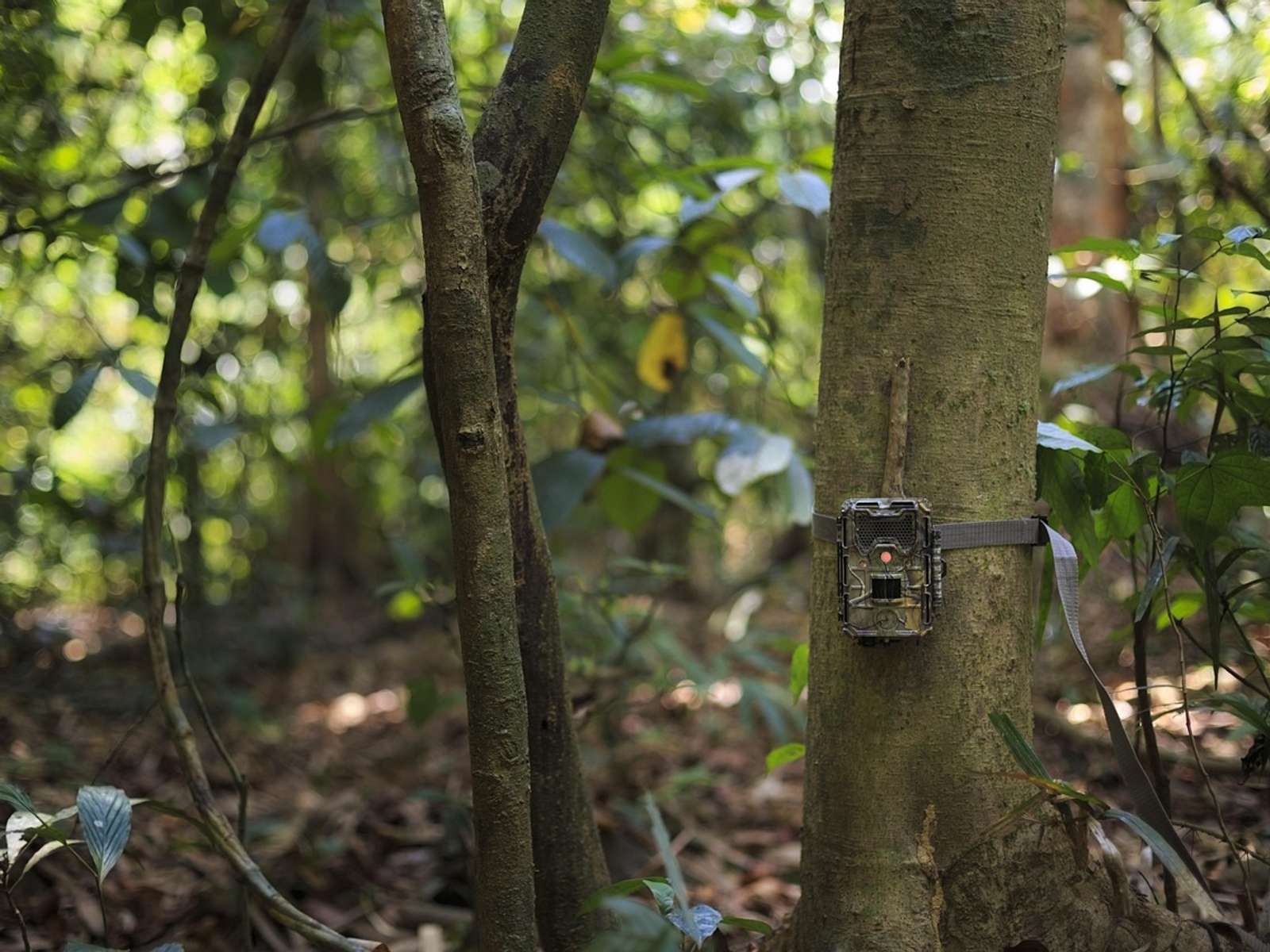
Rangers in the Warddeken Indigenous Protected Area used the open AI model MegaDetector to filter empty camera-trap photos, cutting the images they had to check from 925,088 to 172,290 and processing time from six months to two.
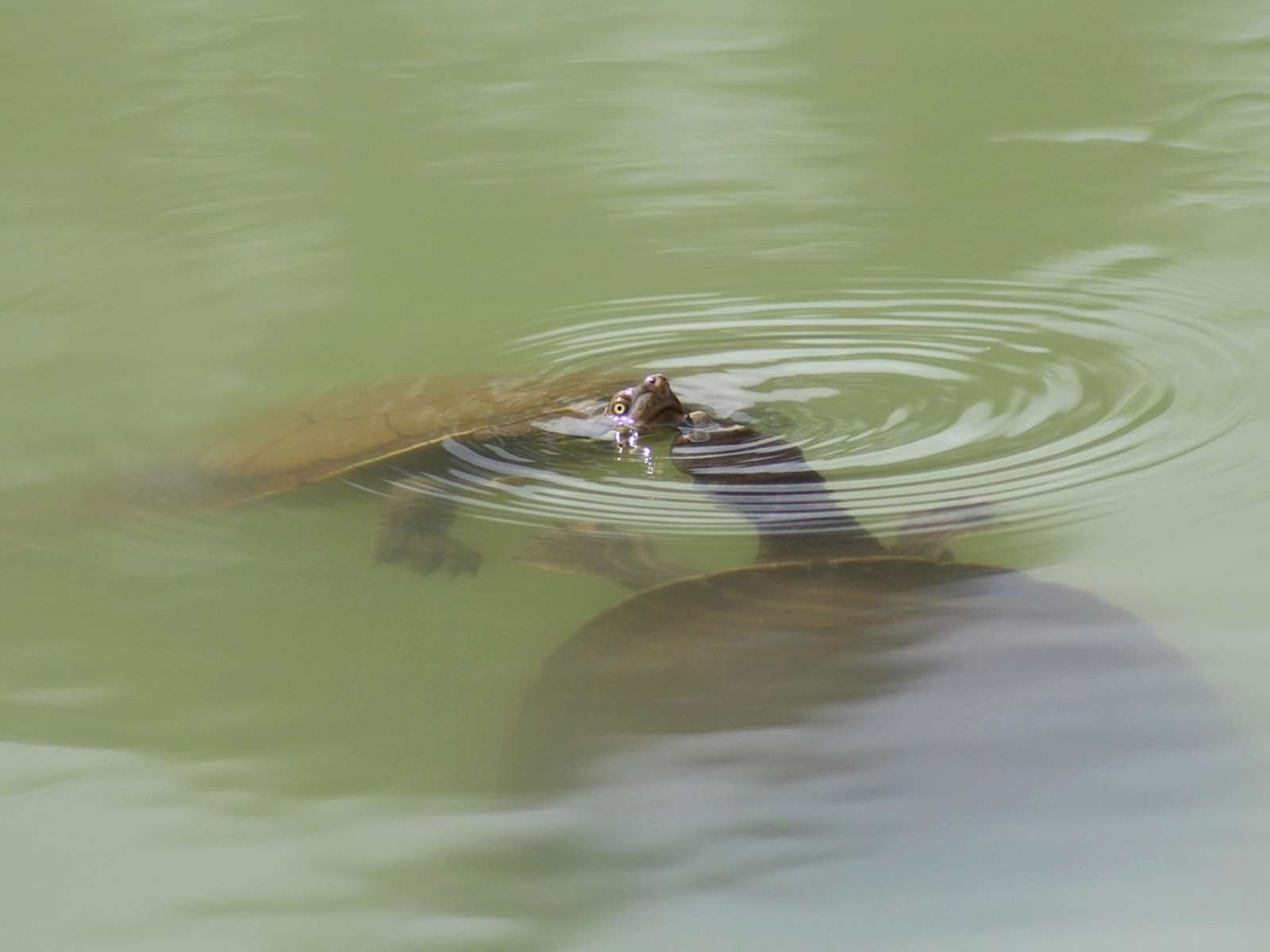
Thirty-nine freshwater turtles pulled from a drying waterhole in the Gwydir wetlands laid more than 250 eggs at Taronga Western Plains Zoo. Thirteen adults are already back in the wild.
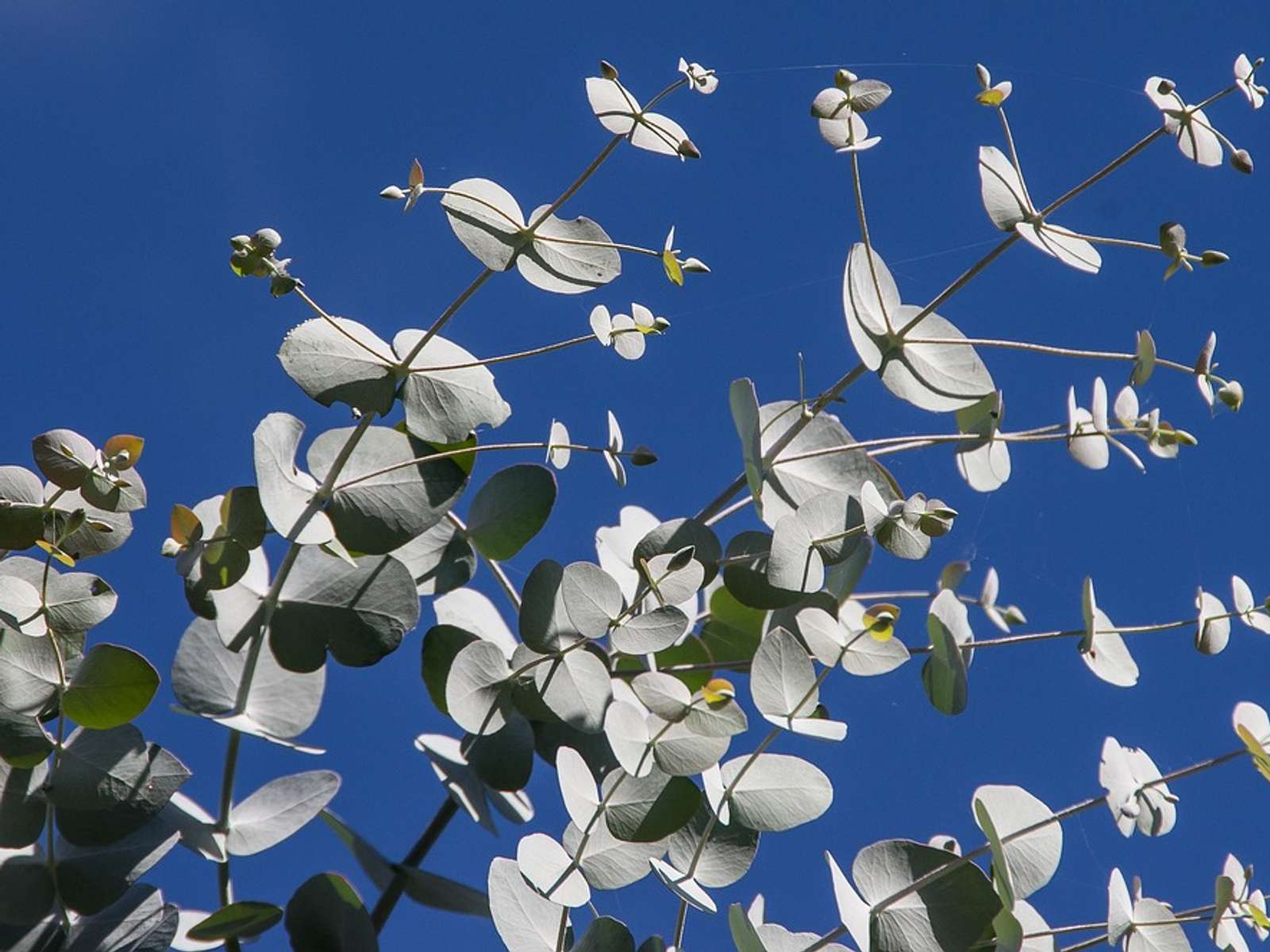
University of the Sunshine Coast researchers used DNA from greater glider droppings to identify 17 plant species in their diet, including non-eucalypts such as acacia and casuarina.
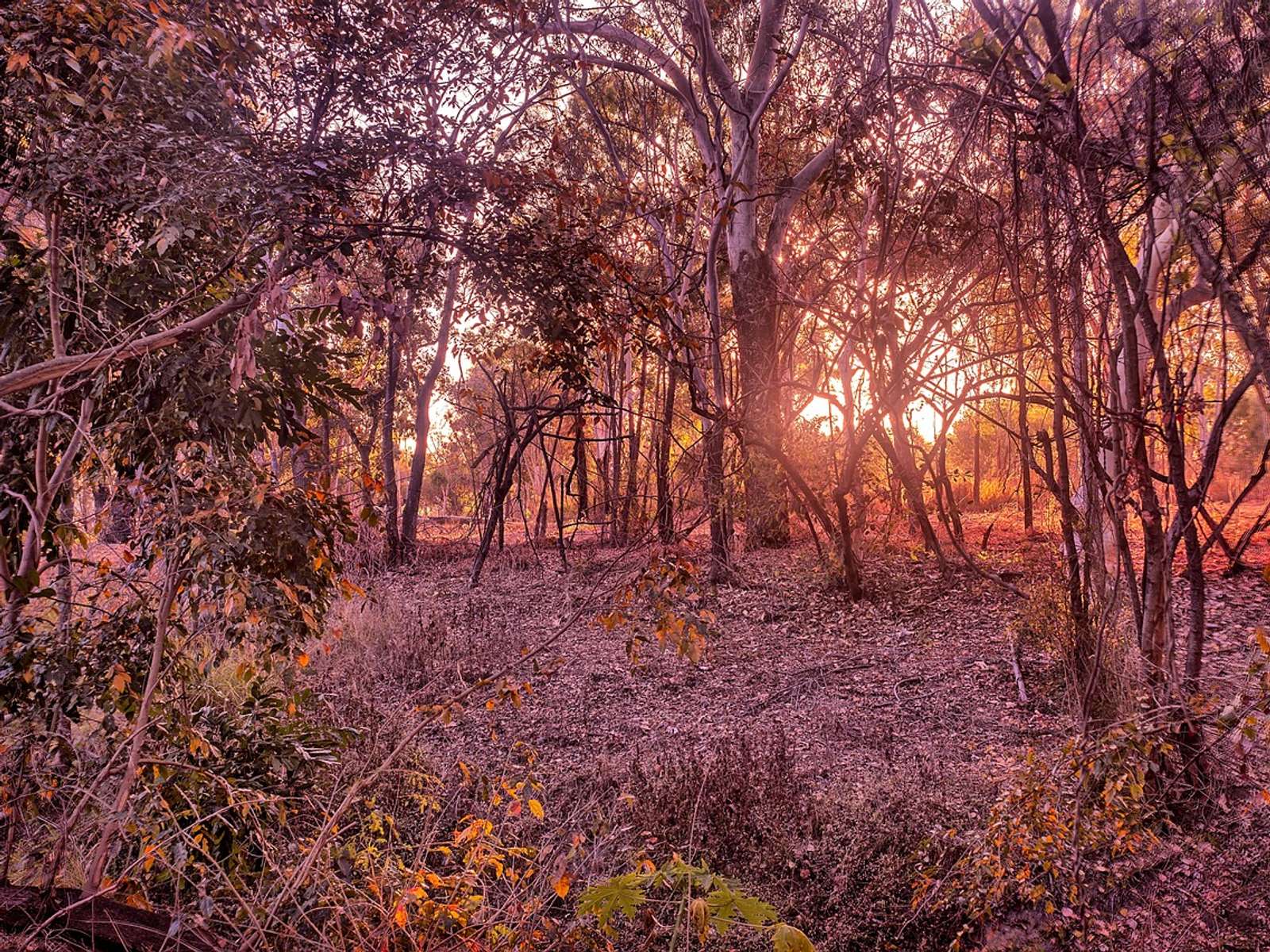
Victoria has formally established three new national parks, Mount Buangor, Pyrenees and Wombat–Lerderderg, along with new conservation and regional parks and nearly 30 reserves.
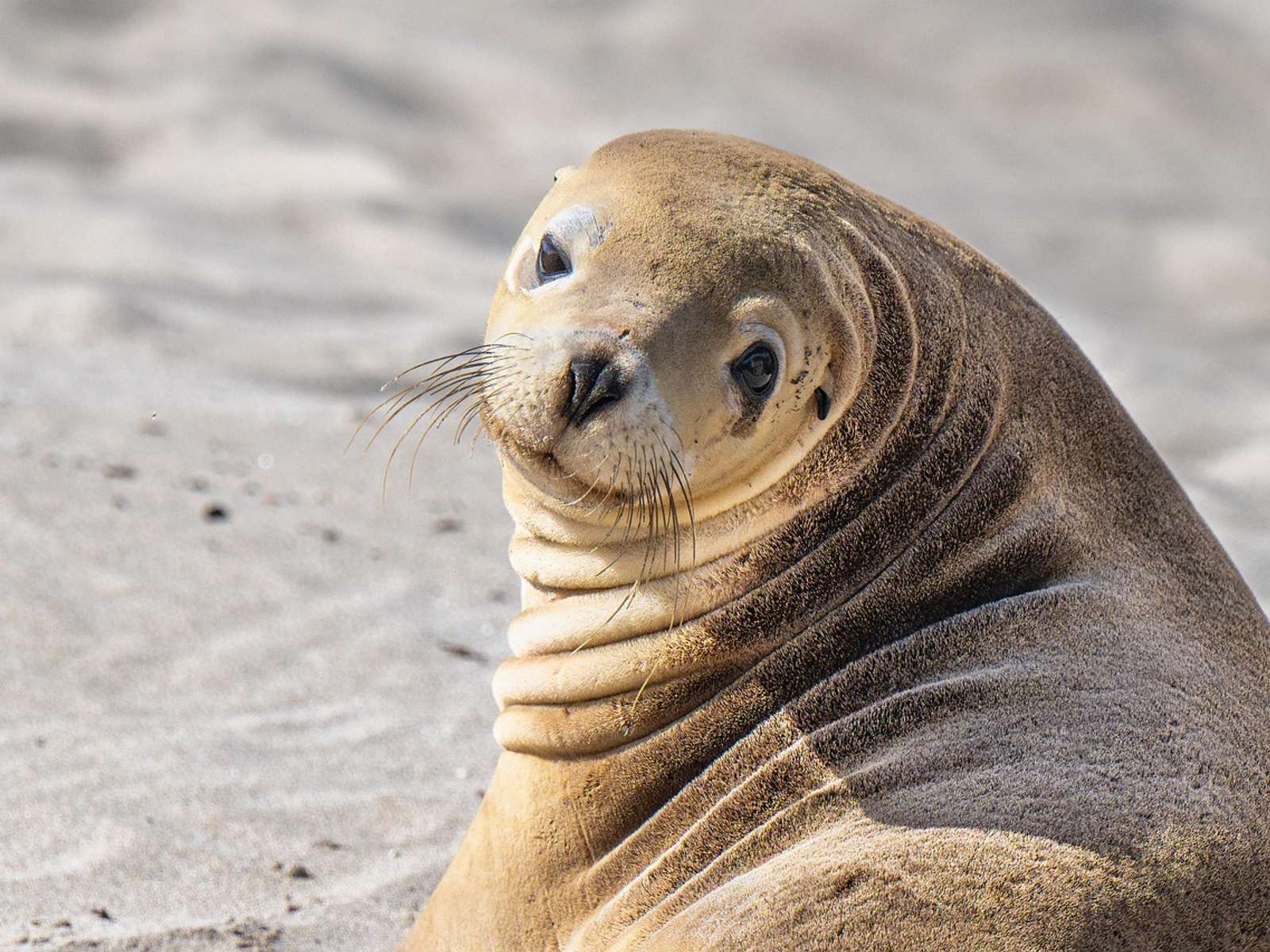
Researchers at Curtin University and Taronga trained sea lions and fur seals to press a paddle when they heard a tone, producing the first hearing baselines for the two Australian species.
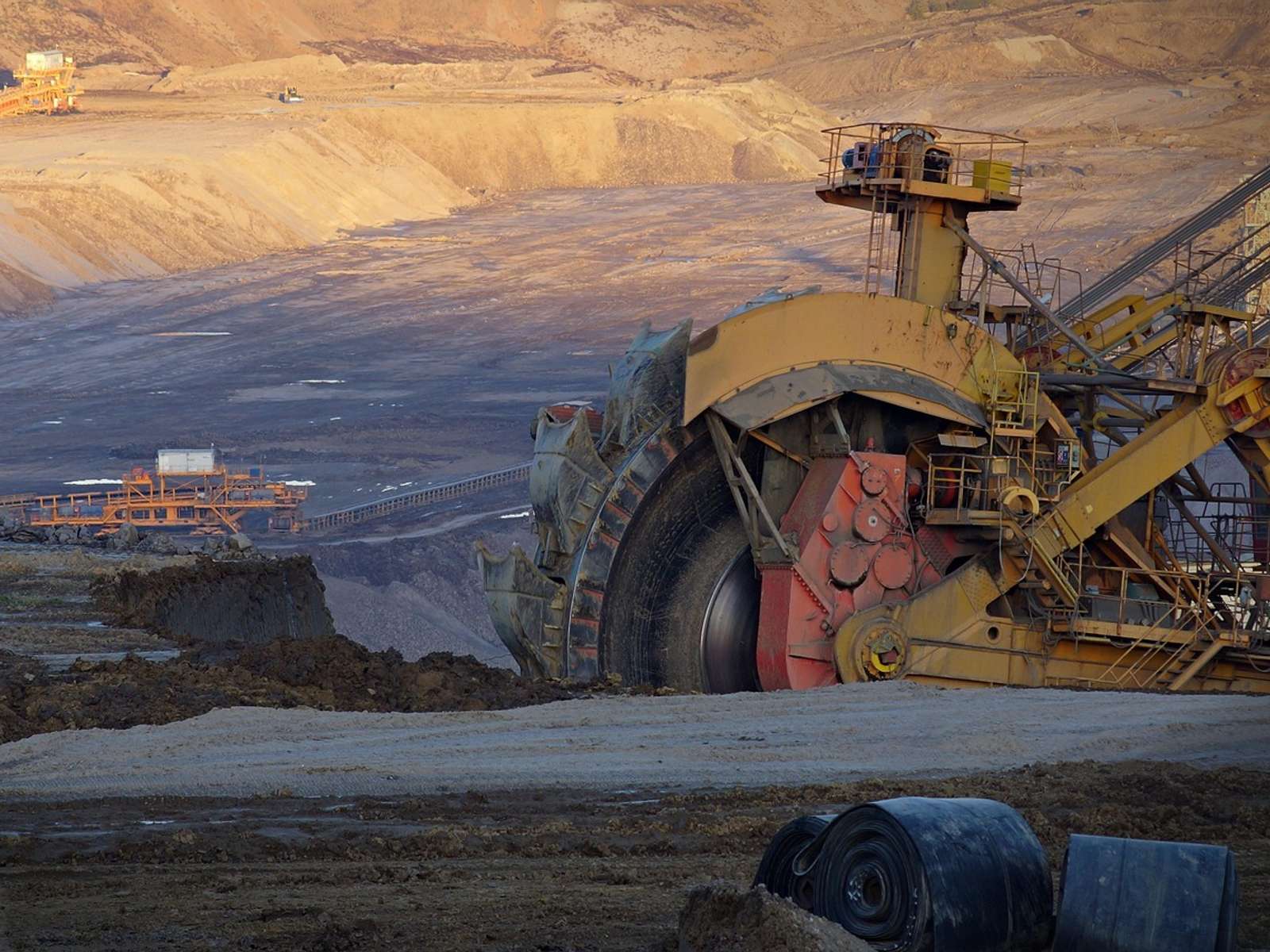
Australia's High Court dismissed MACH Energy's appeal, confirming that the approval of the Mount Pleasant coal mine expansion was flawed because planners had not properly dealt with emissions from burning the exported coal.
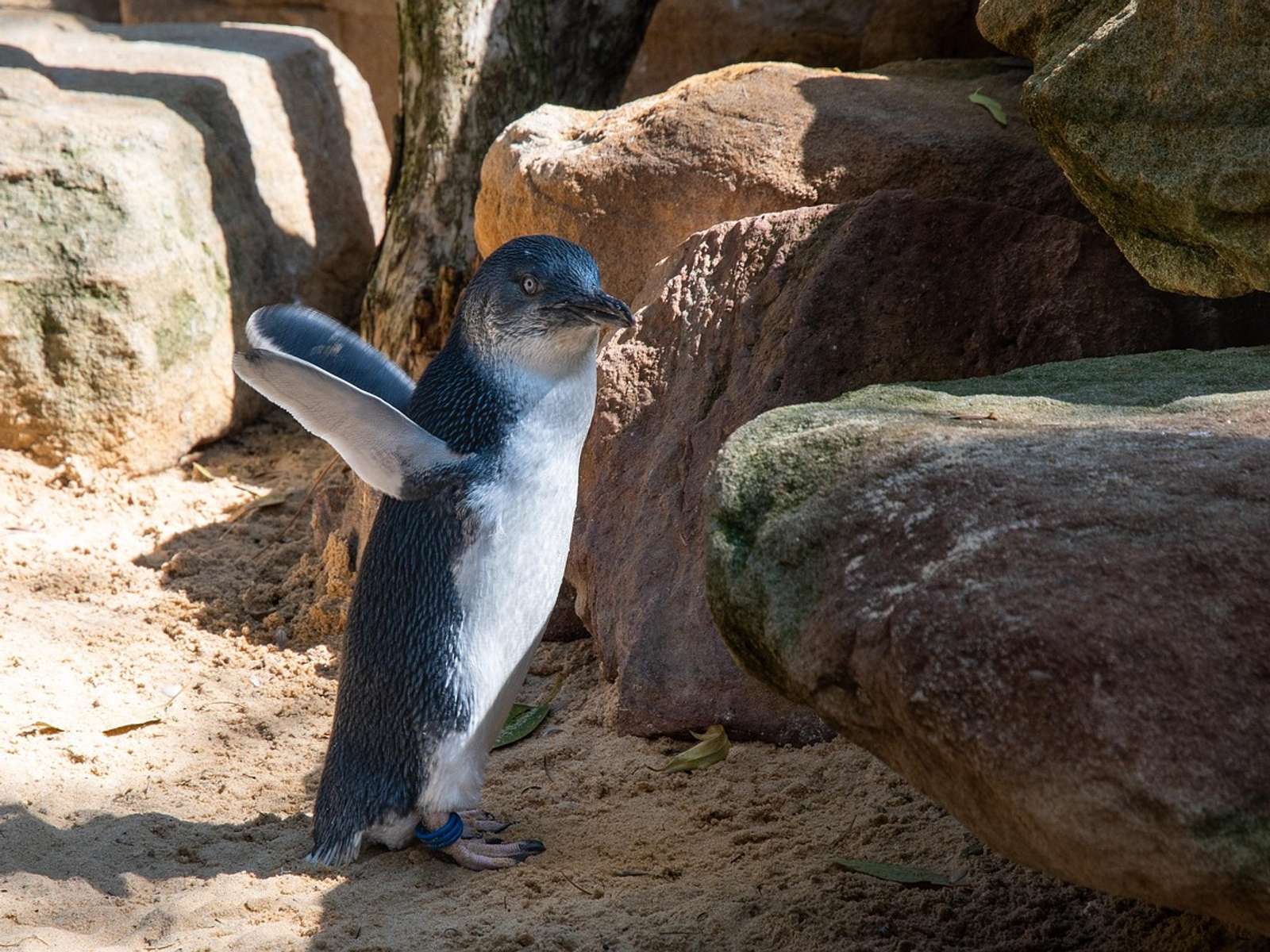
After almost 60 little penguins on Barunguba Montague Island got their first dose, NSW teams have started vaccinating birds on Big Island and Bowen Island against H5 bird flu, with two more islands to follow.
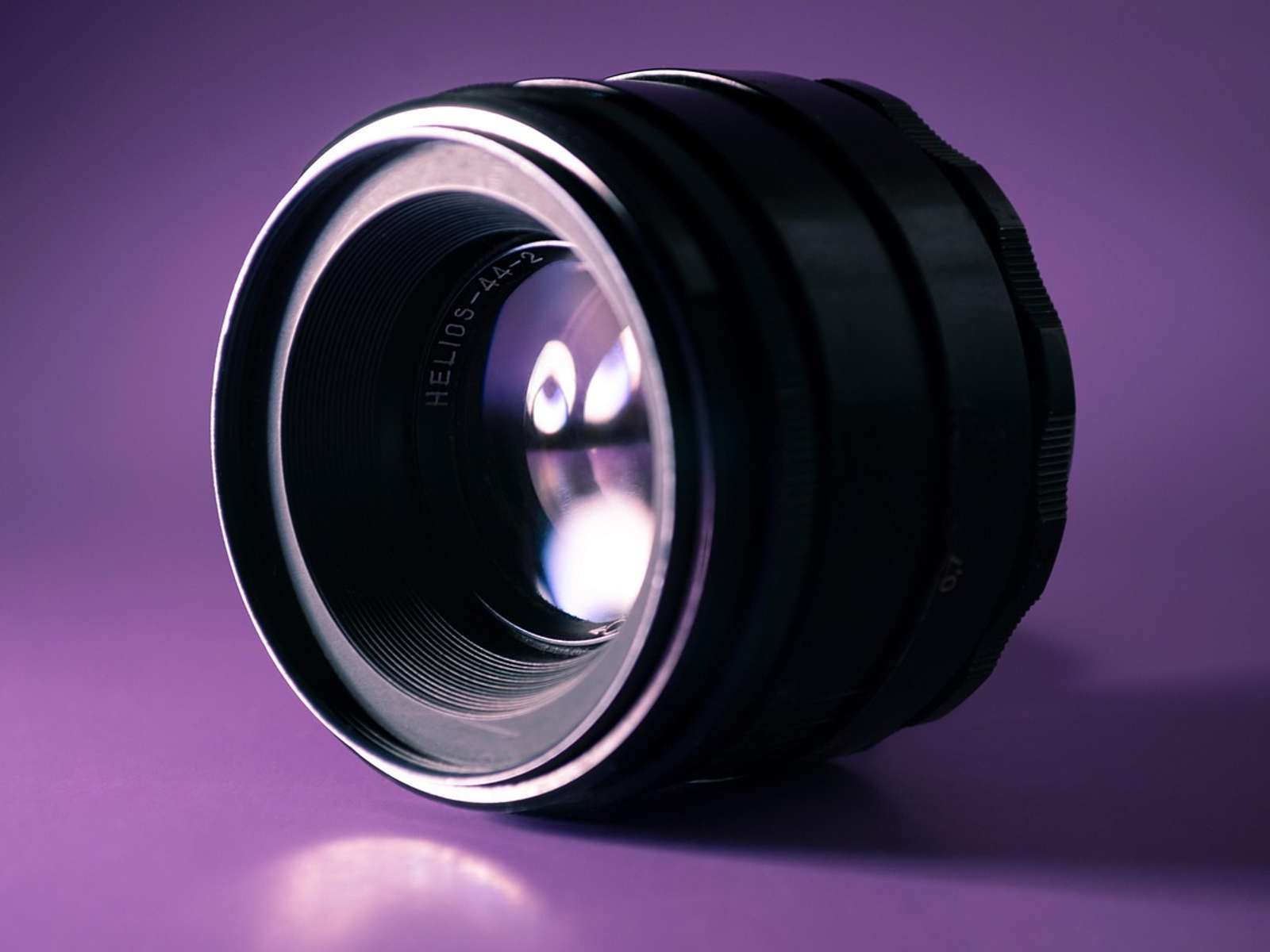
Researchers at the Australian National University spent three years making two specialized beamsplitters for LIGO, coated to within a nanometre or two across almost half a meter, for an upgrade that will make the detectors more sensitive.
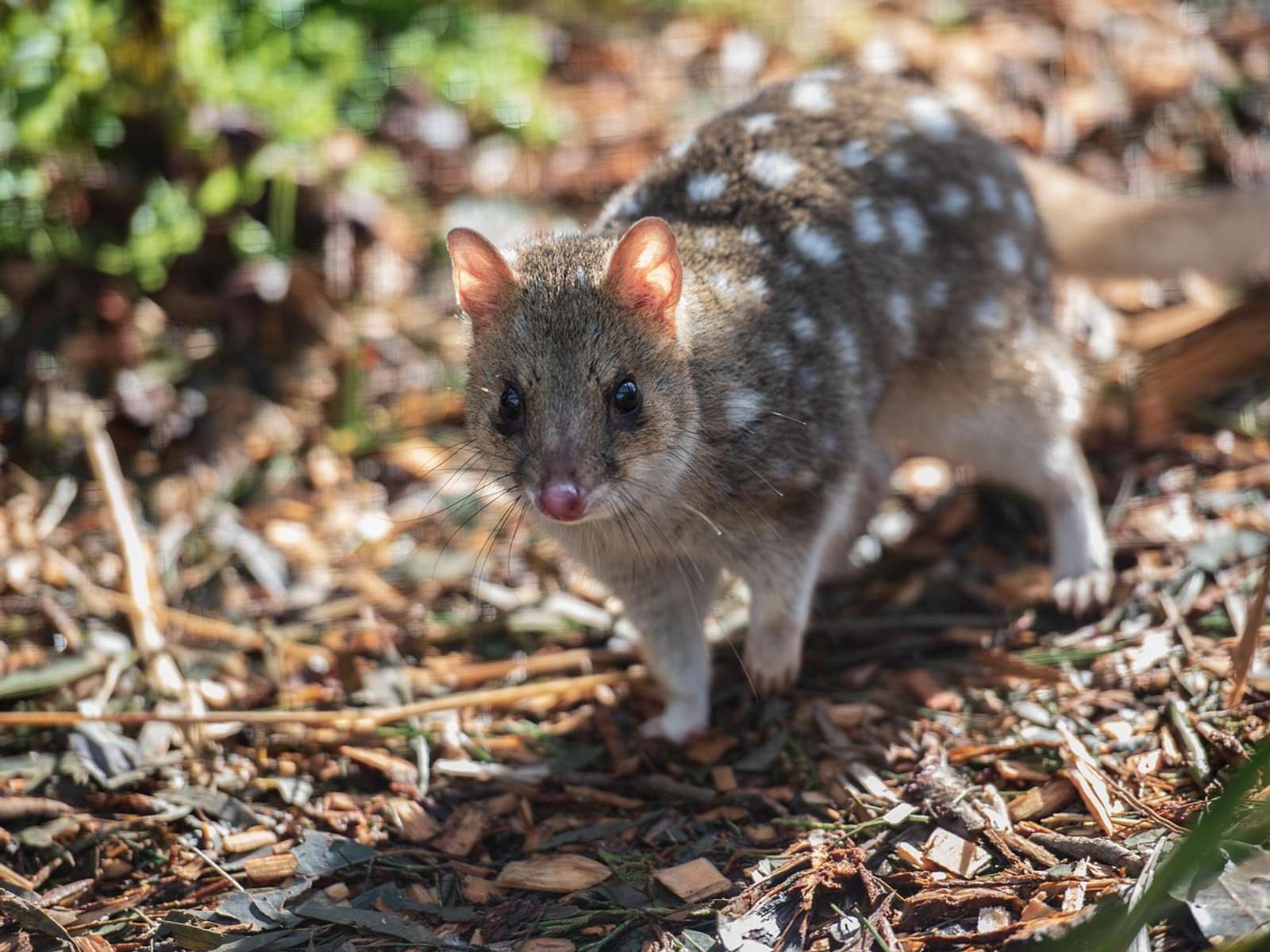
Australian Wildlife Conservancy has begun releasing endangered northern quolls, many of them females carrying young, into a 950-hectare feral predator-free area at Mt Zero-Taravale Wildlife Sanctuary in north Queensland.
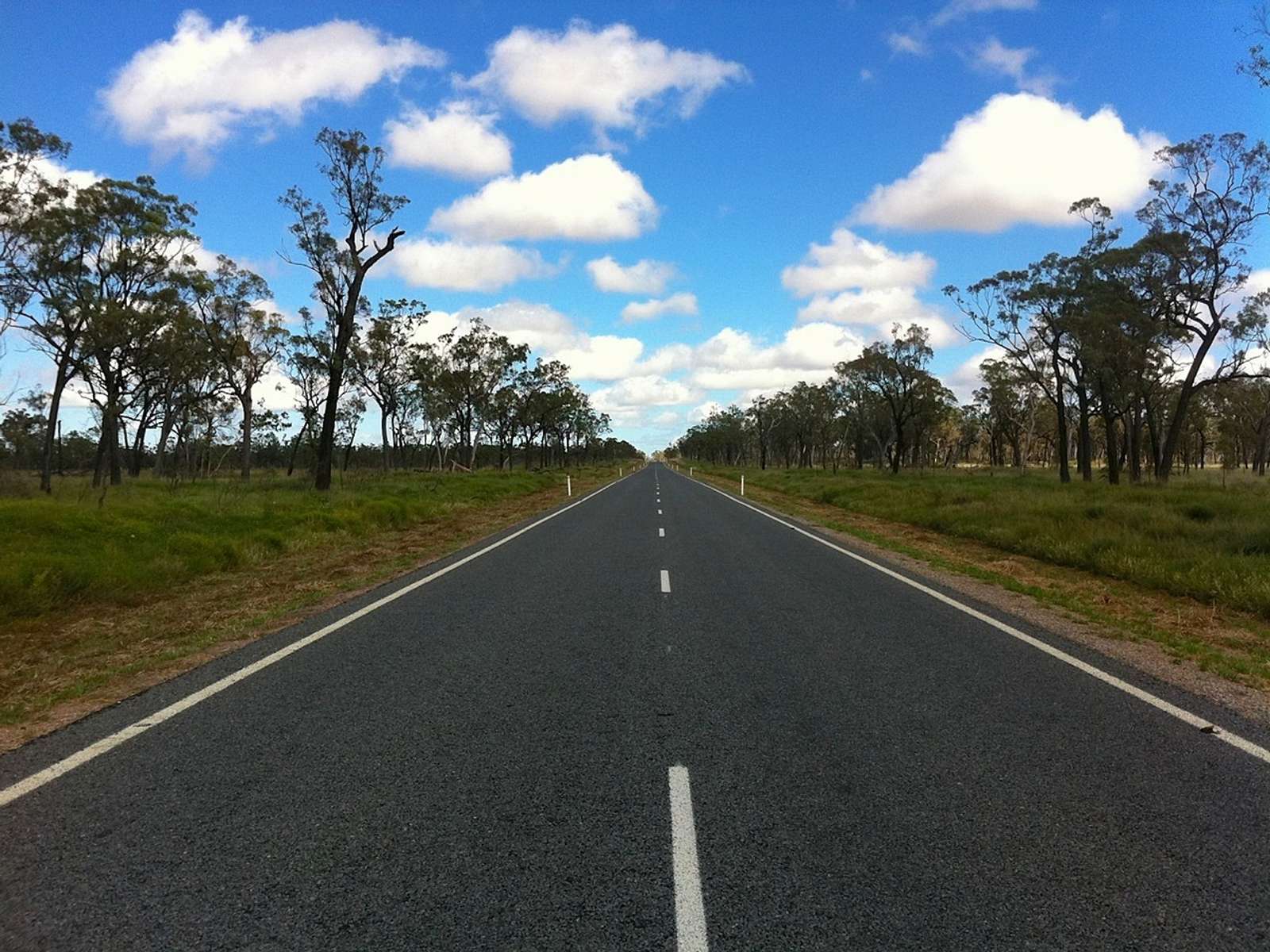
Dusty Langby, 12, walked 540 km in 16 days from Warren, NSW, to Parliament House to raise money for Little Wings, which flies sick children to specialist care. The government matched his total and added A$1 million.
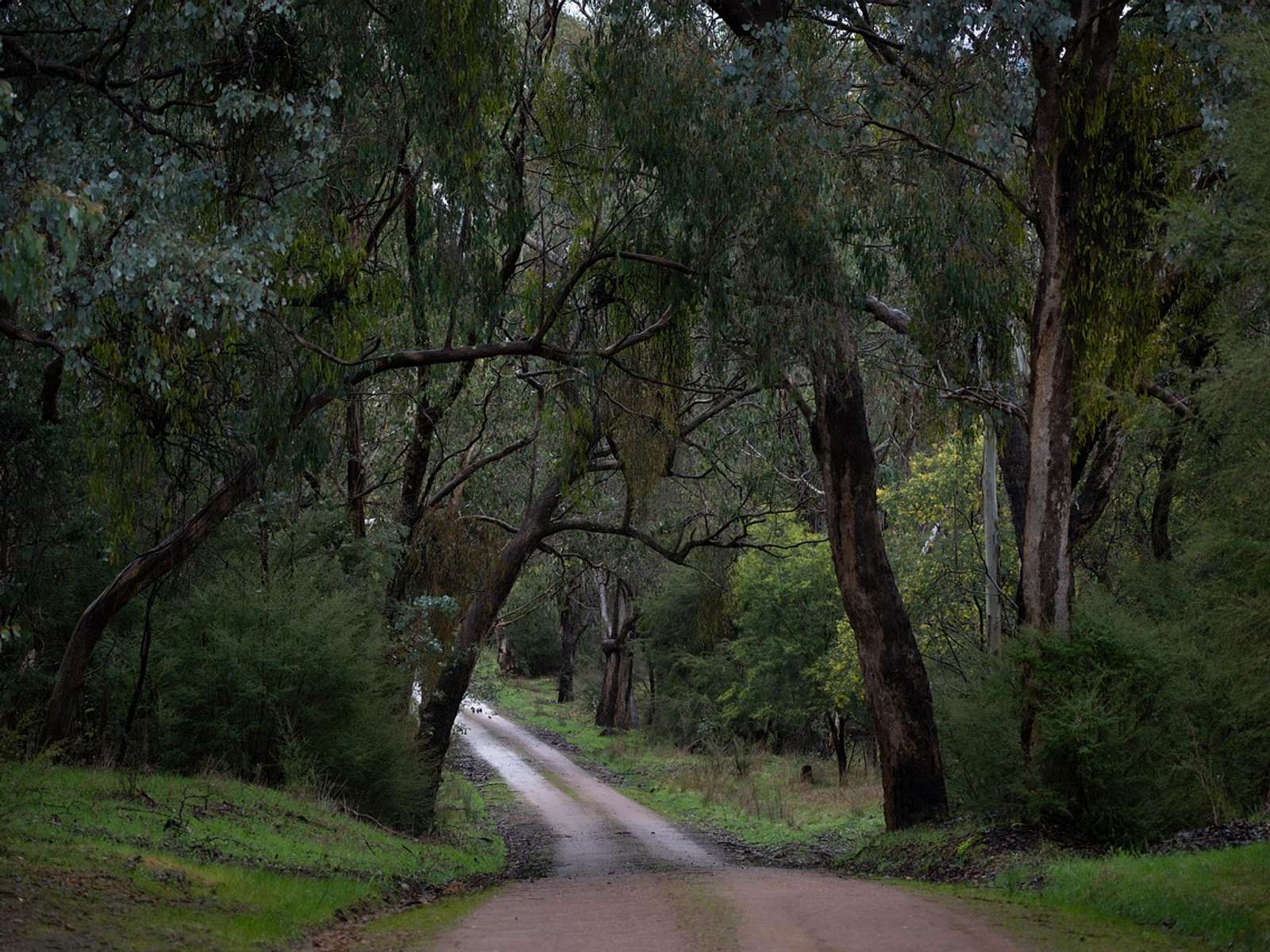
Thirty years after a Victorian logging trial was abandoned, University of Melbourne researchers found heavily thinned mountain ash stands had grown trees 20% wider than untouched forest and had recovered all the carbon removed.