Residents' group wins High Court case against Hunter Valley coal mine expansion
Australia's High Court dismissed MACH Energy's appeal, confirming that the approval of the Mount Pleasant coal mine expansion was flawed because planners had not properly dealt with emissions from burning the exported coal.
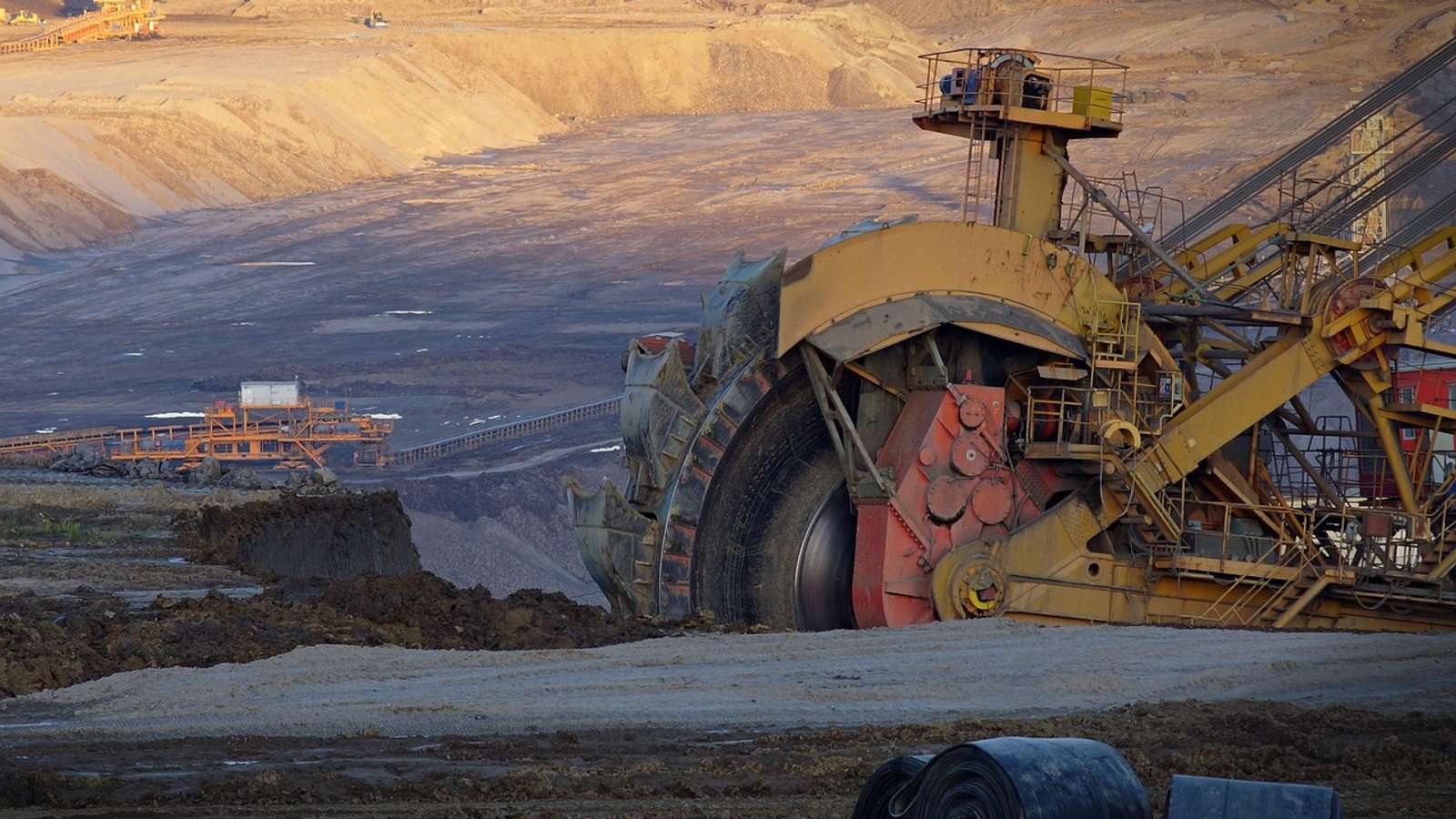
Australia's High Court has ruled in favor of a small residents' group in a case over the expansion of the Mount Pleasant coal mine in the Hunter Valley, New South Wales. In MACH Energy v Denman Aberdeen Muswellbrook Scone Healthy Environment Group, decided on 7 October, a majority of the five judges dismissed the mine owner's appeal.
The case turned on emissions from burning exported coal
The state's Independent Planning Commission approved the expansion in 2022. It would have let MACH Energy mine 444 million tonnes of coal until 2048, almost doubling annual production, ABC News reported.
Burning that coal overseas would release more than 870 million tonnes of carbon dioxide equivalent. These so-called Scope 3 emissions made up 98% of the project's total greenhouse gas emissions, yet the commission imposed no conditions to reduce them. The residents' group argued this broke New South Wales planning law, and won in the state Court of Appeal in 2025.
Three of five judges sided with the residents
The High Court upheld that decision by a three-to-two majority, finding that the commission had to consider conditions aimed at minimizing all the project's greenhouse gas emissions, including Scope 3.
“The High Court has confirmed that planning authorities cannot ignore the chain of causation from a project's emissions.” — Anita O'Hart, principal lawyer for the residents' group
The group, named after four Hunter Valley towns, is led by its president, former teacher Wendy Wales.
The ruling has limits
The decision rests on New South Wales law, so its direct effect in other states is limited, University of Melbourne lecturer Liz Hicks told the ABC. It does not ban coal mining: a separate approval issued in August lets Mount Pleasant keep operating until the end of 2032, and MACH Energy said it would review the decision and pursue all options for the mine's long-term future. Environmental rules are being tightened elsewhere as well; in Europe, a ban on lead shot is on track after the European Parliament rejected attempts to block it.
Sources
- High Court of Australia · hcourt.gov.au
- abc.net.au
How we choose and verify sources: editorial policy.