
At the UN organized crime convention's conference in Vienna, governments agreed to start negotiating a new protocol on environmental crime, covering wildlife and timber trafficking, illegal mining and waste trafficking. A draft is due in 2028.

The Rockefeller Foundation and the OpenAI Foundation are committing $50 million to Cities Deliver, which will fund groups that work with city governments on AI for health, jobs, climate resilience and public services. Proposals are due 29 November.

Meeting in Dar es Salaam for the Nairobi Convention's 40th anniversary, ten countries adopted 15 decisions on plastic pollution, mangroves, seagrass, coral reefs and the blue economy.

The European Parliament has rejected two attempts to block an EU-wide ban on lead gunshot, clearing the way for a rule that conservationists say will protect around 135 million birds at risk of lead poisoning.

Australia's High Court dismissed MACH Energy's appeal, confirming that the approval of the Mount Pleasant coal mine expansion was flawed because planners had not properly dealt with emissions from burning the exported coal.
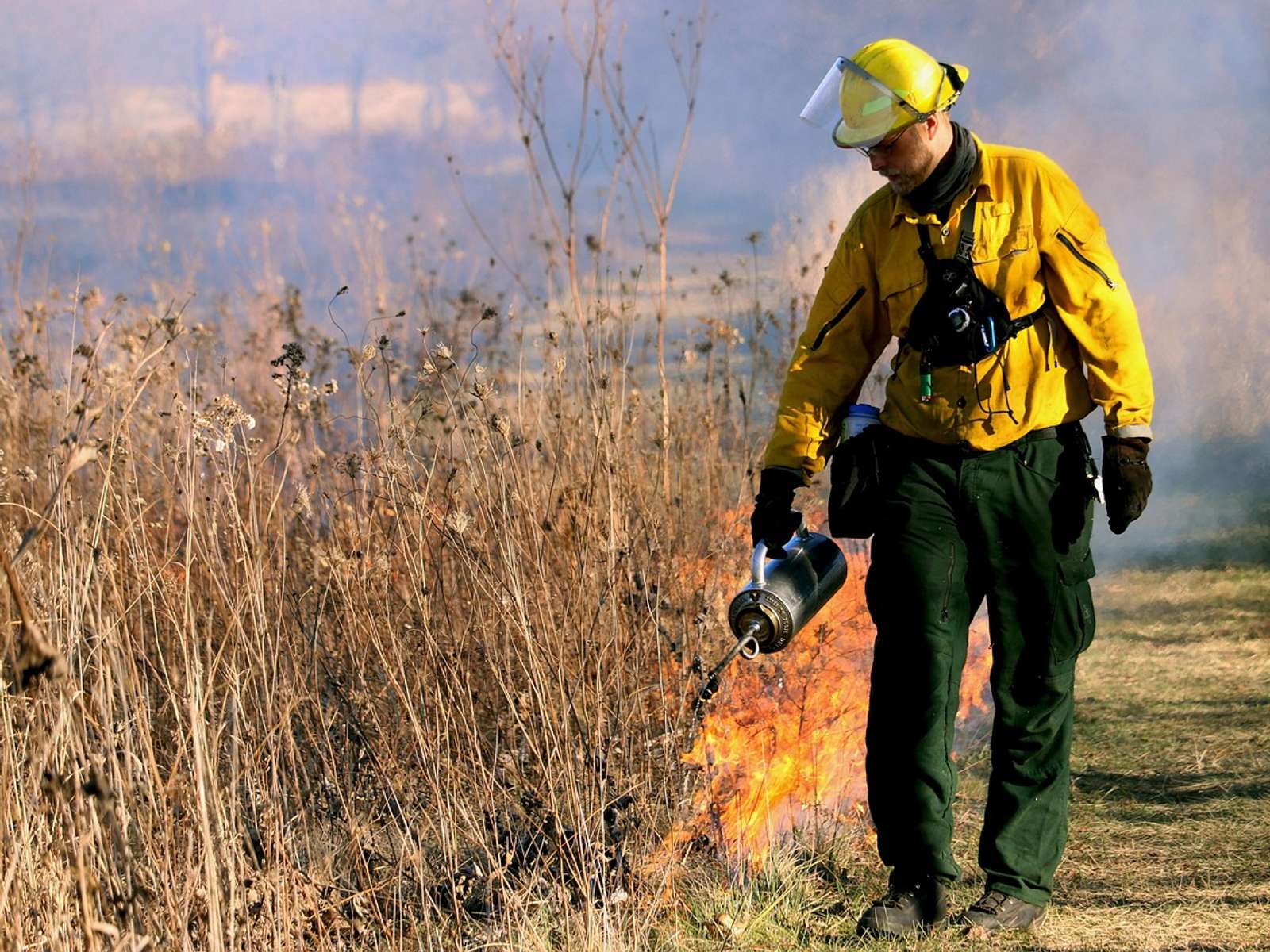
Governor Gavin Newsom signed AB 2483 on 28 September. It standardizes the credentials earned in California's prison fire camps and gives formerly incarcerated firefighters hiring priority for some entry-level Cal Fire jobs, without guaranteeing a job.
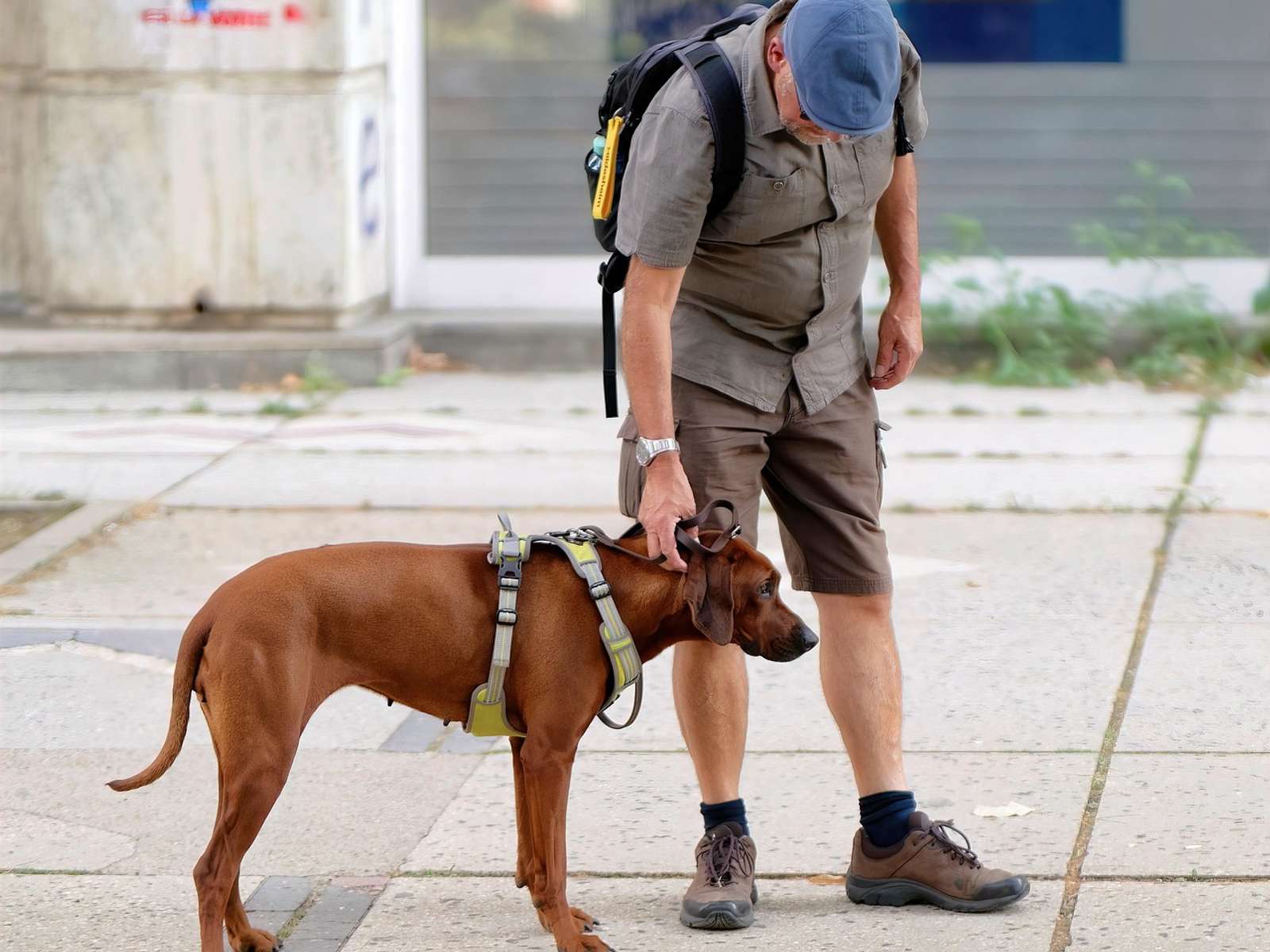
Since 1 October, landlords in Washington DC may not refuse a tenant's dog, or charge more for it, because of its breed, size or weight. It is the last part of "Roscoe's Law," which already caps pet deposits and pet rent.

Kentucky's $2.5 million investment in Undue Medical Debt has already wiped out $103 million owed by 46,000 residents, and the program aims to reach more than 130,000 people and $250 million. No application is needed.
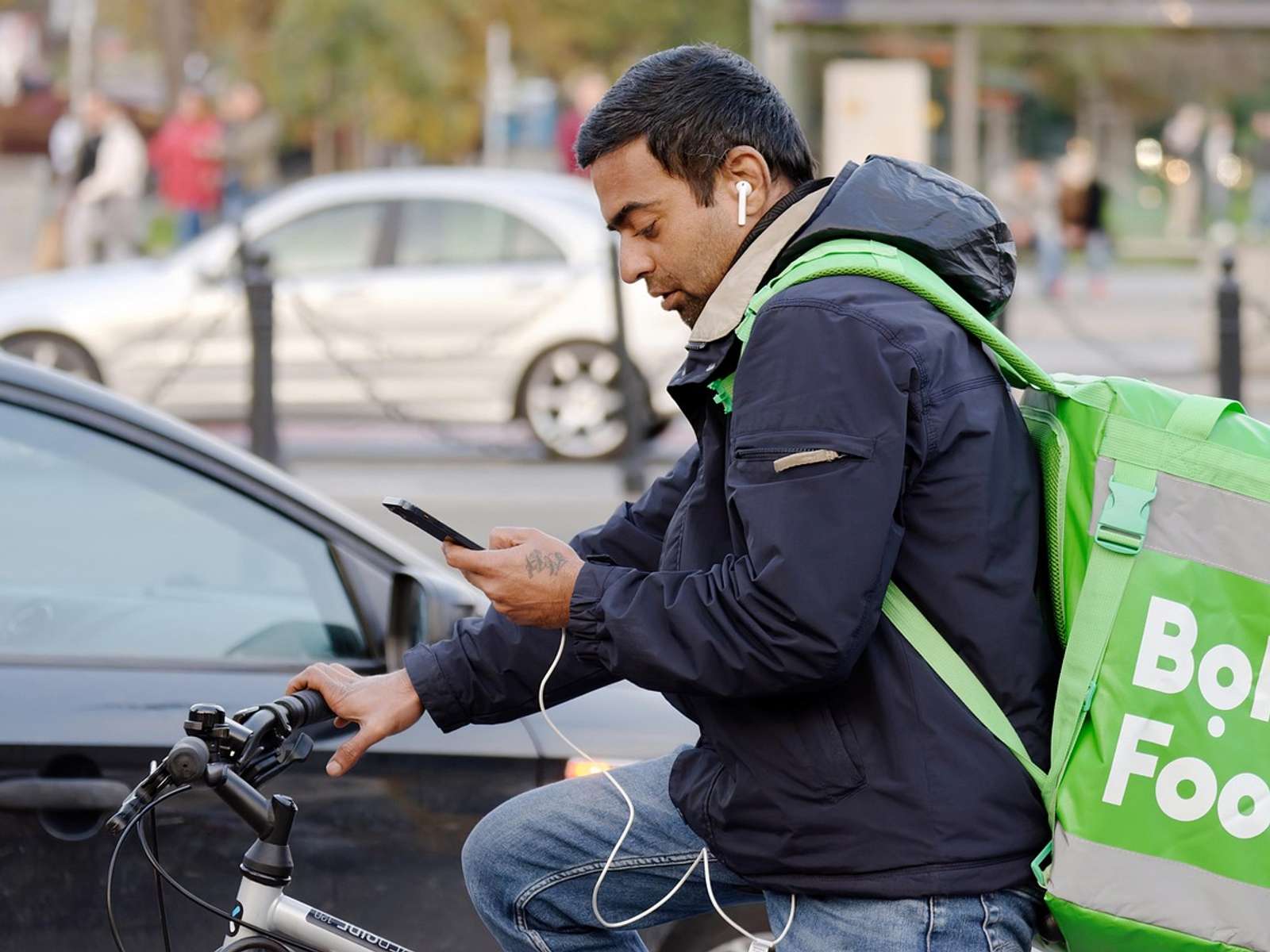
New York City reached a $131.5 million settlement with DoorDash over unpaid, late and underpaid wages. More than $115 million goes to workers, who do not need to file a claim, and DoorDash will be monitored for three years.