Ten Western Indian Ocean countries adopt 15 decisions to protect reefs, mangroves and seas
Meeting in Dar es Salaam for the Nairobi Convention's 40th anniversary, ten countries adopted 15 decisions on plastic pollution, mangroves, seagrass, coral reefs and the blue economy.
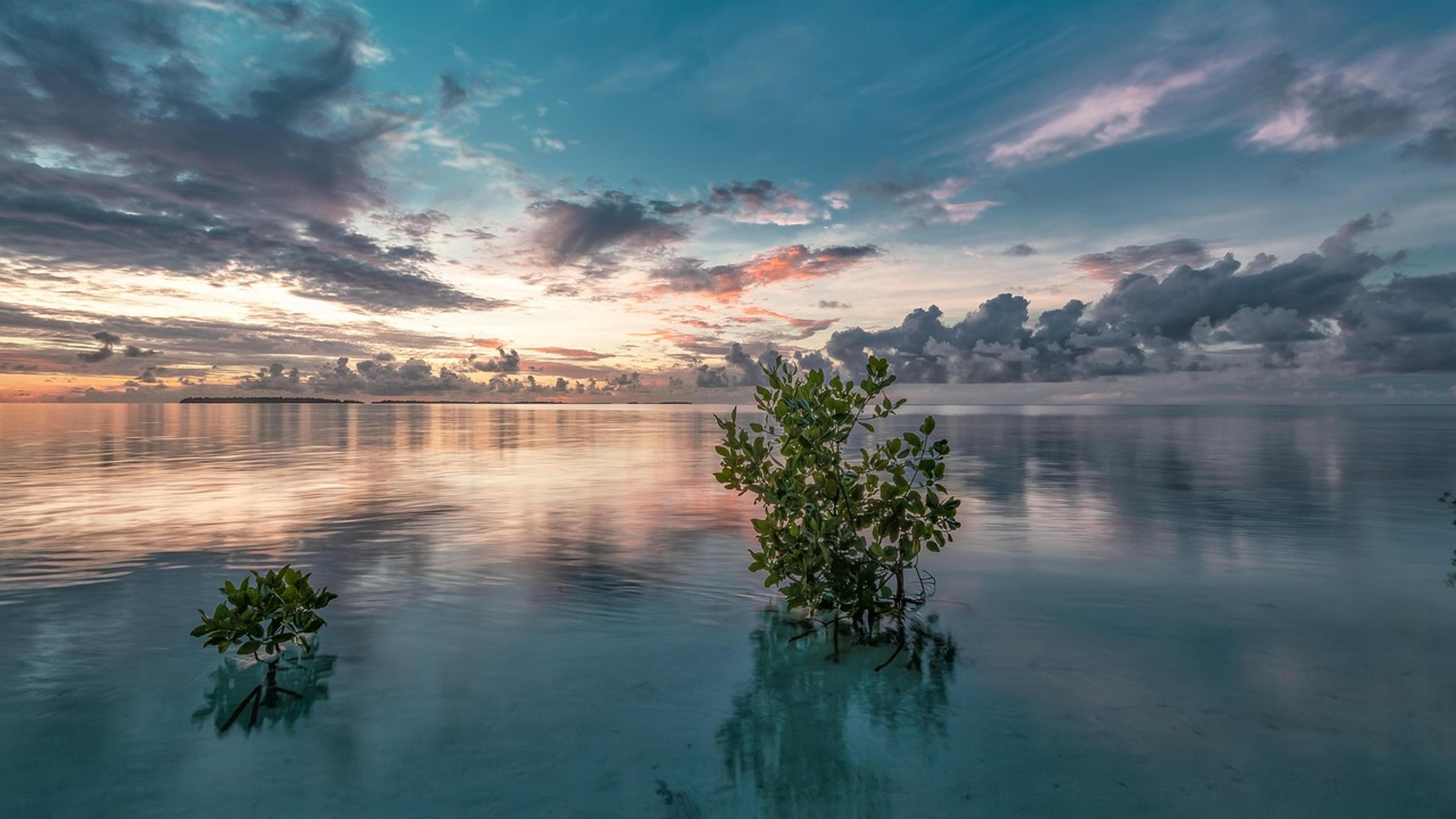
Ten countries bordering the Western Indian Ocean adopted 15 decisions to protect and manage their shared sea at a meeting in Dar es Salaam, Tanzania, the UN Environment Programme said on 9 October. The meeting, the 12th Conference of the Parties to the Nairobi Convention, marked the treaty's 40th anniversary.
A regional plastics strategy and protection for key habitats
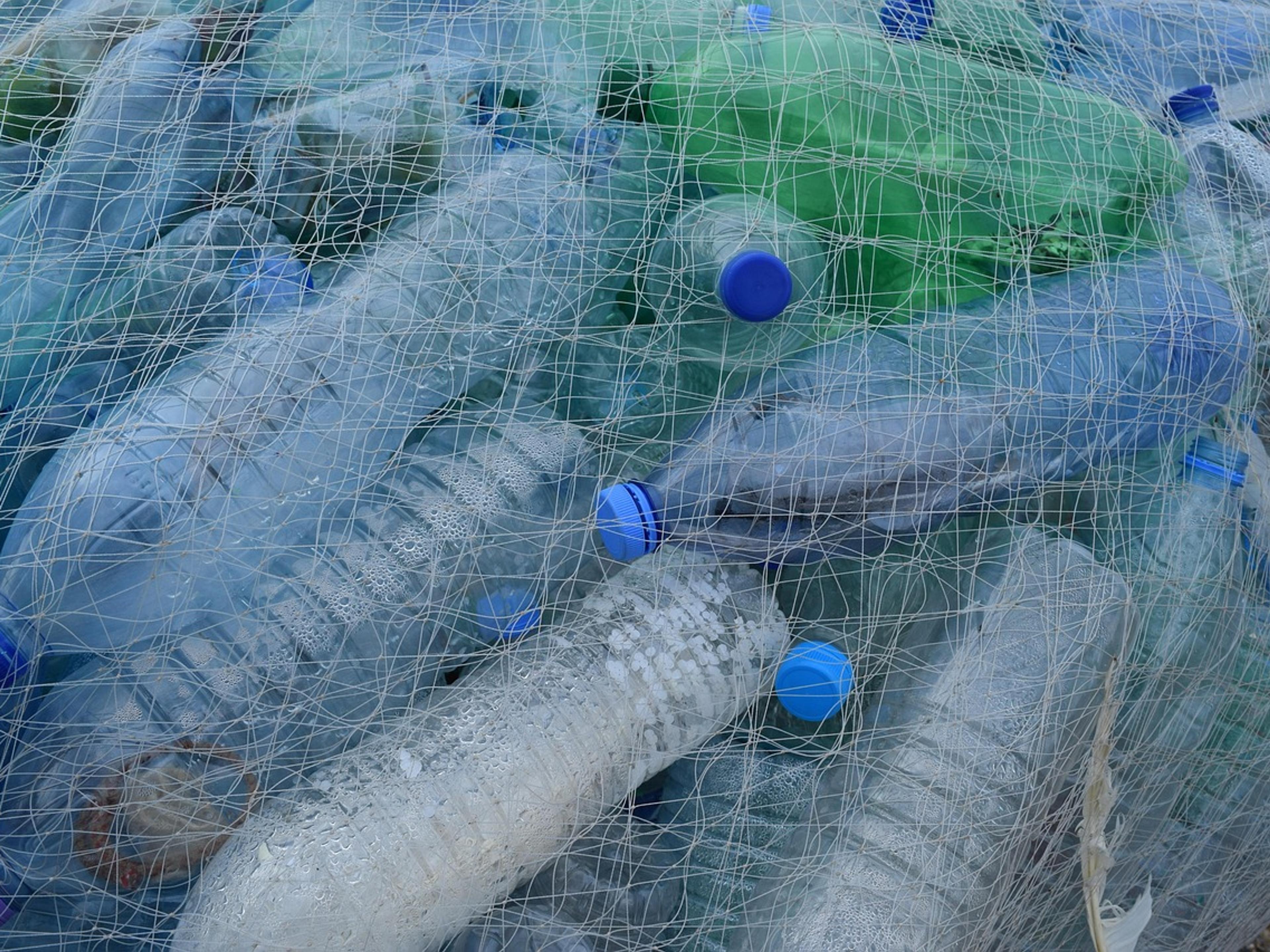
The parties are Comoros, France, Kenya, Madagascar, Mauritius, Mozambique, Seychelles, Somalia, South Africa and Tanzania. They adopted a regional strategy to fight plastic pollution, steps to implement the global biodiversity framework, and new initiatives to conserve and restore mangroves, seagrass and coral reefs.
They also endorsed a regional contingency plan for major marine pollution incidents, called for more action on pollution from land, and agreed steps on ocean accounting, blue finance and investment that benefits coastal communities, women and young people.
“The true measure of our success will not be the number of decisions we have adopted, but the improvements we achieve in the health of the marine and coastal ecosystems, and the well-being of our people.” — Othman Masoud Othman, First Vice President of Zanzibar
Support for the new high seas treaty
The countries welcomed the entry into force of the agreement on Biodiversity Beyond National Jurisdiction, the high seas treaty, and called for a coordinated regional approach to putting it into practice and for wider ratification.
More than 1,600 delegates attended, up from 200 at the previous meeting in 2024. Mauritius was elected to chair the convention's bureau. Countries elsewhere are making similar commitments, such as Fiji's new national plan to protect its coral reefs.
Decisions now have to become action
UNEP deputy executive director Elizabeth Maruma Mrema said the challenge now is to turn the commitments into action that protects ecosystems and strengthens coastal livelihoods. The decisions depend on funding: parties called for continued resource mobilisation and for financial commitments to be honoured.
Like what you're reading?
Related stories
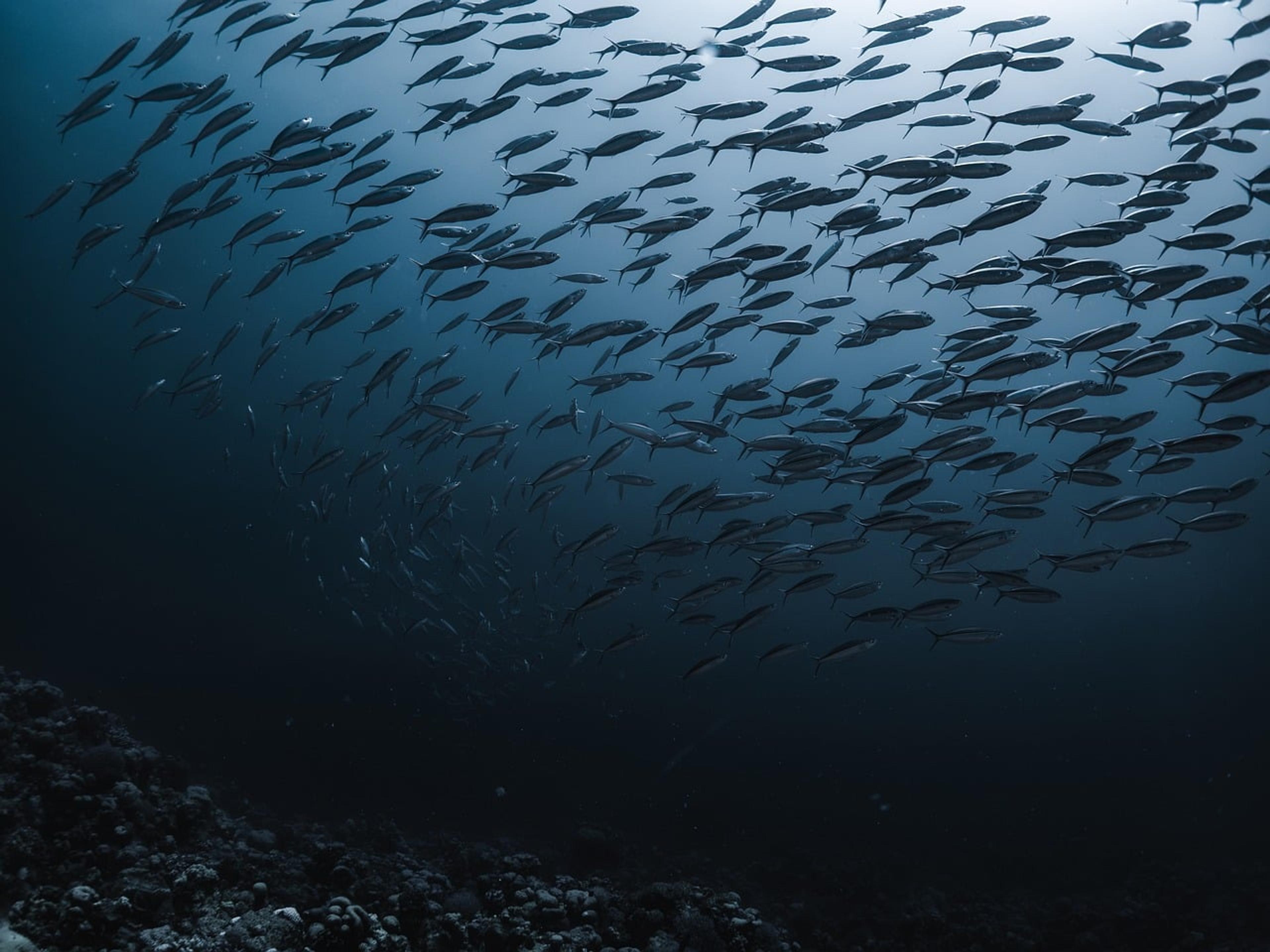
Playing the sounds of healthy reefs draws coral and fish larvae to damaged sites
Field studies in Hawaii led by Scripps Institution of Oceanography found that broadcasting healthy reef sounds increased coral settlement near the speaker and drew 4 to 14 times more fish larvae.
Fiji launches a national plan to protect its coral reefs, built on climate-resilience research
Fiji has launched a National Action Plan for Coral Reef Conservation, drawing on University of Queensland research that identified reefs less exposed to climate stress.
Probiotics Protected Corals From Bleaching During a Red Sea Heat Wave in a Field Test
On a Red Sea reef during a real marine heat wave, corals treated with a custom bacterial mix kept their color and photosynthetic health while untreated corals declined, researchers at KAUST report.