Kenyan island community turns plastic waste into income and a recycled heritage gate
On Kenya's Pate Island, a community group collected 18.1 tonnes of plastic in eight months, earns money from the waste and is restoring one of the island's historic gates with recycled plastic.
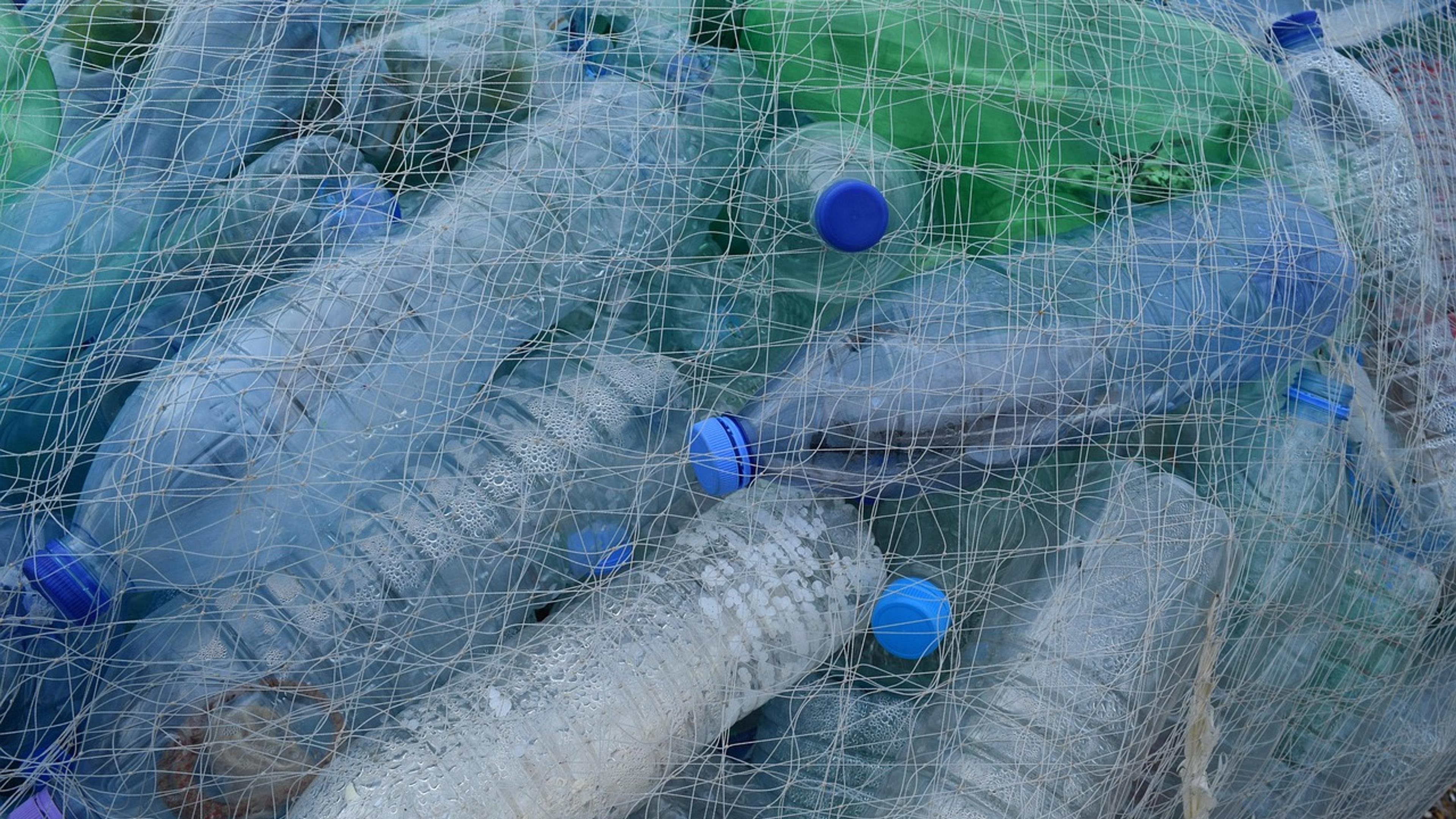
Communities on Pate Island in Kenya's Lamu archipelago collected 18.1 tonnes of plastic waste between August 2025 and March 2026, about half of it recovered from the sea, the International Fund for Animal Welfare reported. Part of the recycled plastic is being used to restore one of the island's historic gates.
Collectors are paid by the kilo
The work is led by the Pate Resources and Tourism Initiative (PRATI), a group of 30 community members including 19 women and 21 young people, with support from IFAW and The Flipflopi Project. Members earn 15 Kenyan shillings per kilogram of plastic bottles and 10 shillings per kilogram of hard plastic, and give one shilling back to beach cleanups.
Waste is gathered at five points on the island, sorted and baled, then carried by barge to Flipflopi's recovery facility on the Lamu mainland. The barge makes two to three trips a month with up to 1.5 tonnes each time.
“Previously, we dumped waste in the ocean or in abandoned buildings, but this attitude is changing. Flipflopi has taught us that plastics harm fish and other sea creatures, and that clean beachfronts attract tourists.” — Noor Twalim Mohammed, secretary, PRATI
A recycled-plastic gate links heritage and conservation
The gate, one of the historic Nine Gates of Pate, was designed by traditional boat builder Ali Skanda with experts from the National Museums of Kenya and handcrafted by Flipflopi artisans. Its design reflects a history going back to the 13th century.
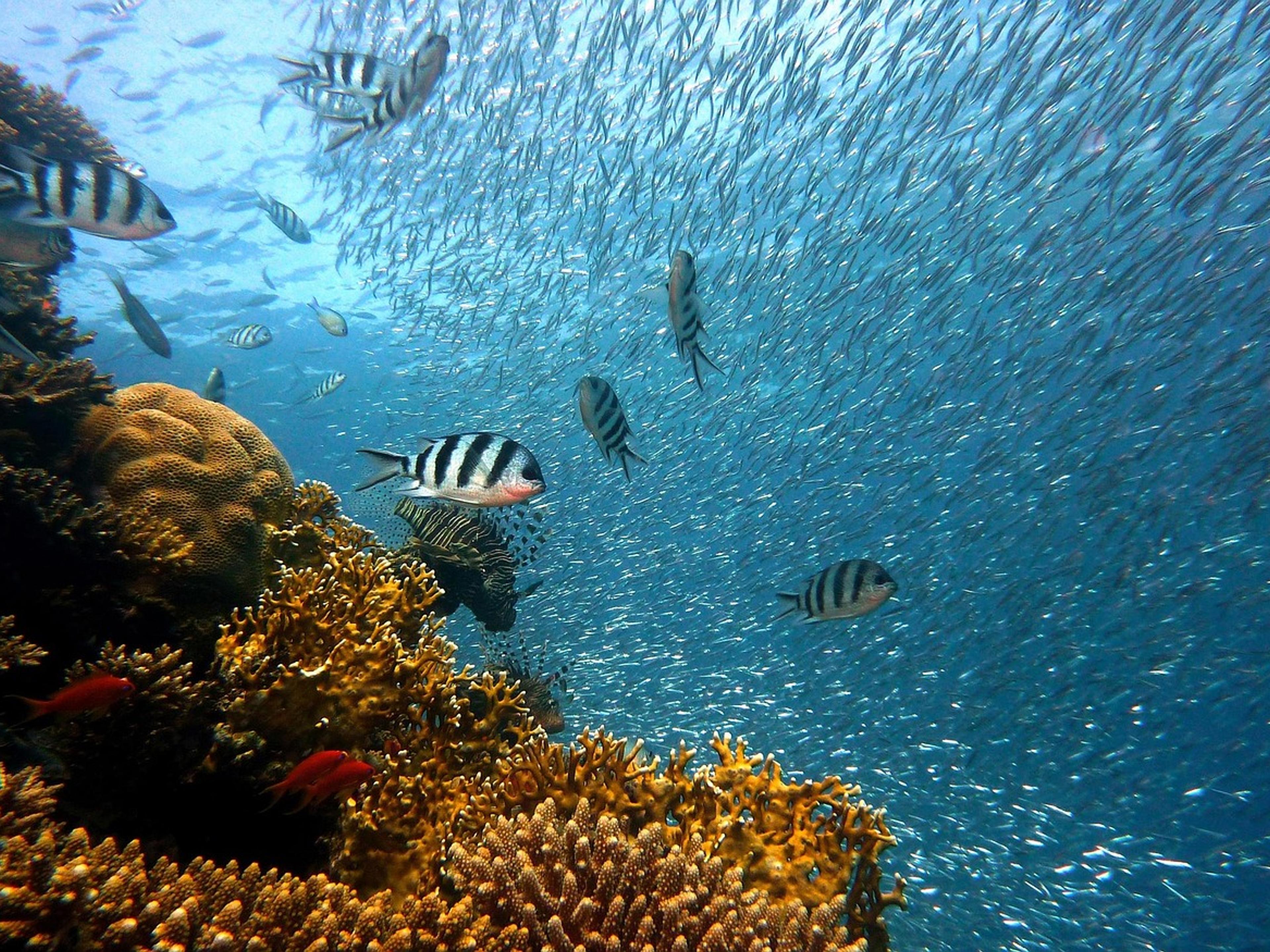
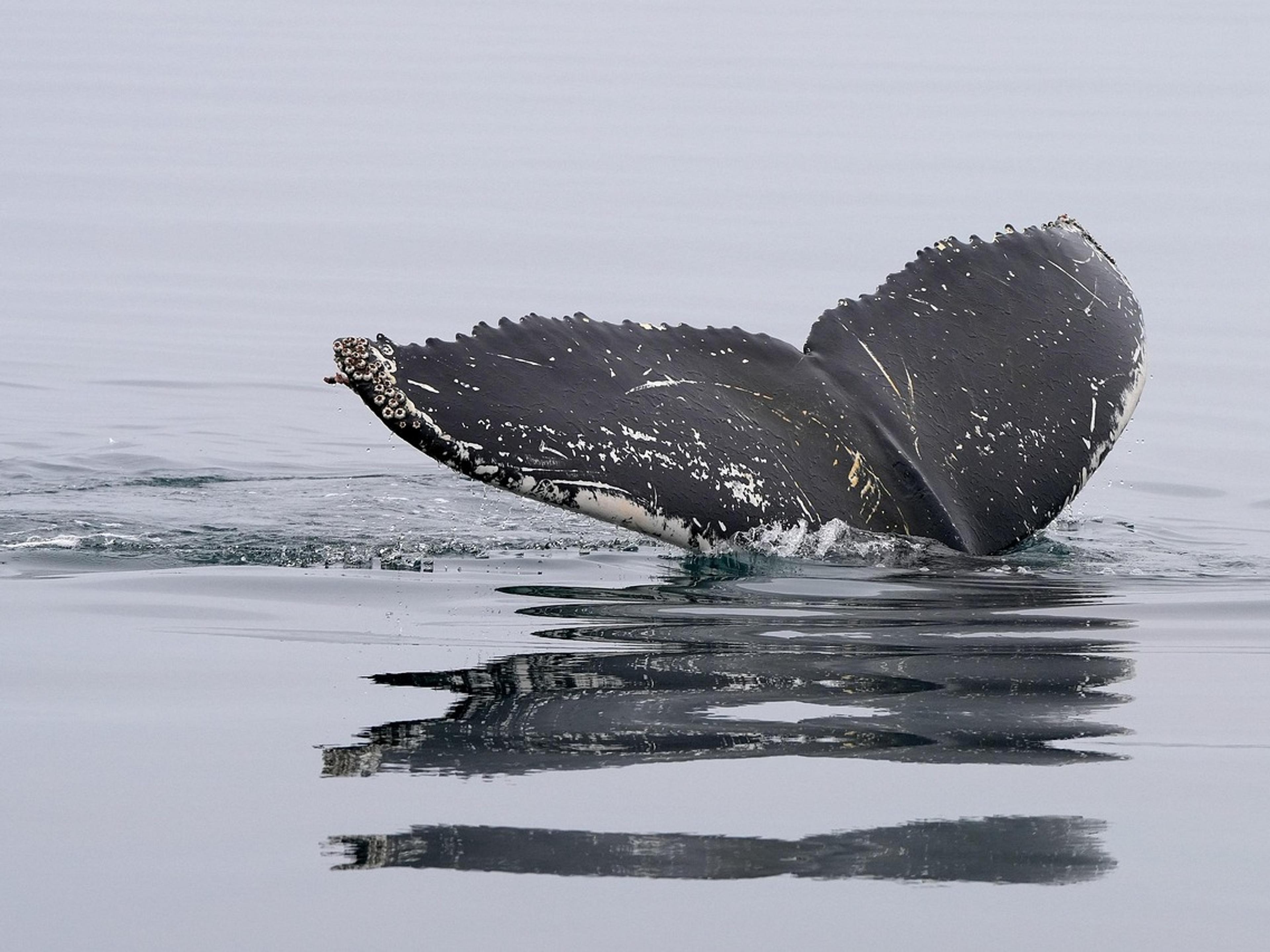
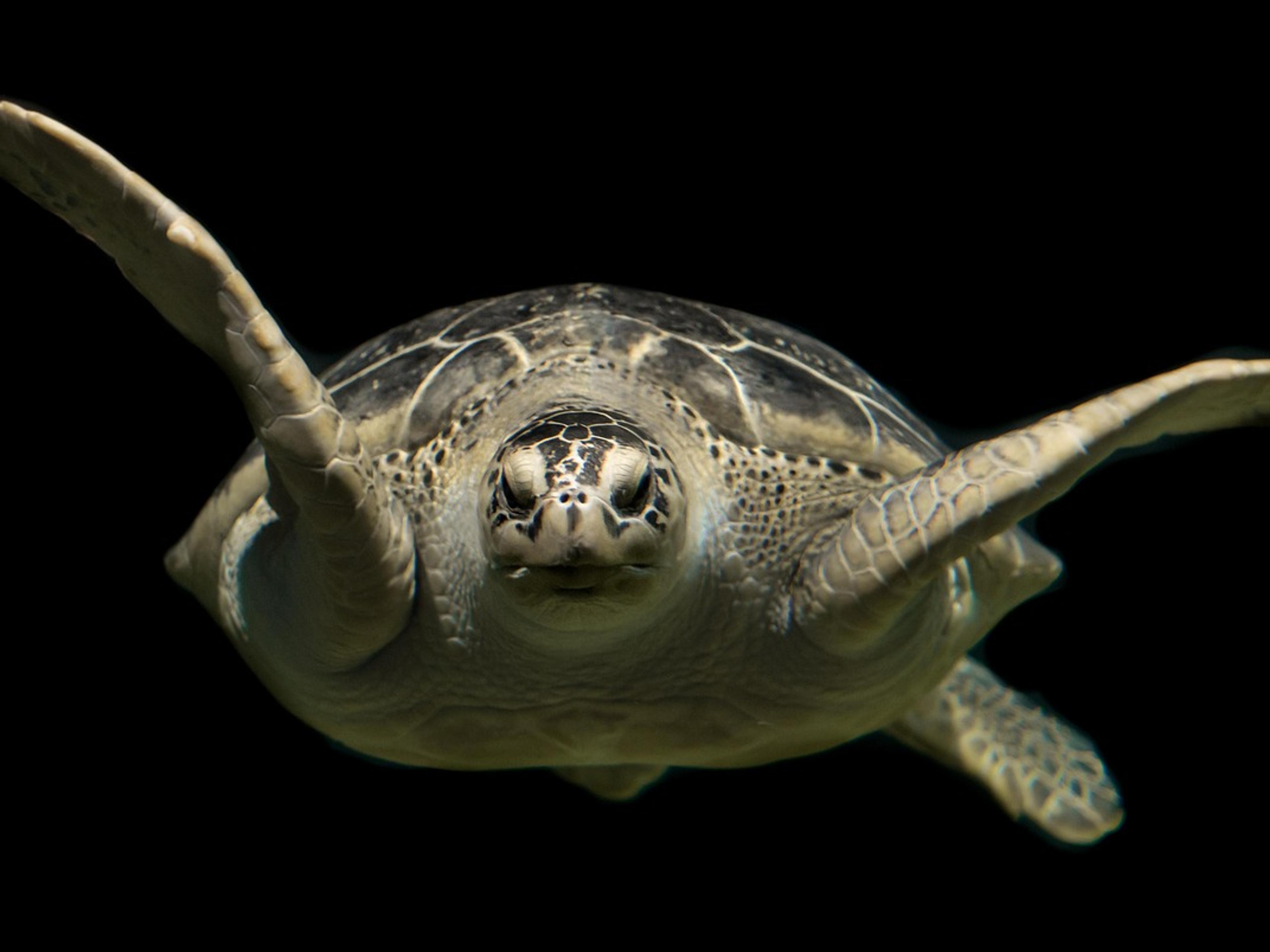
PRATI also runs a community restaurant, guides visits to historic ruins, harvests honey and herbal medicines and farms crabs, giving members income beyond fishing. Lamu holds more than 60% of Kenya's mangrove forest, diverse coral reefs and sea turtles, and plastic debris is a risk to that wildlife.
Cleanups alone are not enough
Plastic keeps arriving on currents, including bottles from other countries. IFAW Kenya director Ben Wandago said policy action is needed at municipal, national and regional level, along with waste infrastructure built for island communities like Lamu.
Like what you're reading?
Related stories
German researchers make a polystyrene that is half plant-based and built to break down
Scientists led by Germany's Helmholtz-Zentrum Hereon made a polystyrene with about 50% plant-based content, produced with microwaves and designed with breaking points so it can be broken down after use.
New Sensor Can Verify Exactly How Much Recycled Plastic Is in a Product
A University at Buffalo team led by Amit Goyal has built a sensor that measures recycled plastic content directly, without relying on paperwork, earning two 2026 R&D 100 Awards and a patent application.
Fiji launches a national plan to protect its coral reefs, built on climate-resilience research
Fiji has launched a National Action Plan for Coral Reef Conservation, drawing on University of Queensland research that identified reefs less exposed to climate stress.