Drowned forests up to 5,000 years old now shelter reef fish off Mozambique
Scientists in Mozambique's Bazaruto Archipelago have described shallow reefs made of peat from coastal forests that drowned 300 to 5,000 years ago. With no living coral, they host seagrass, lobsters and 26 to 36 small fish species each.
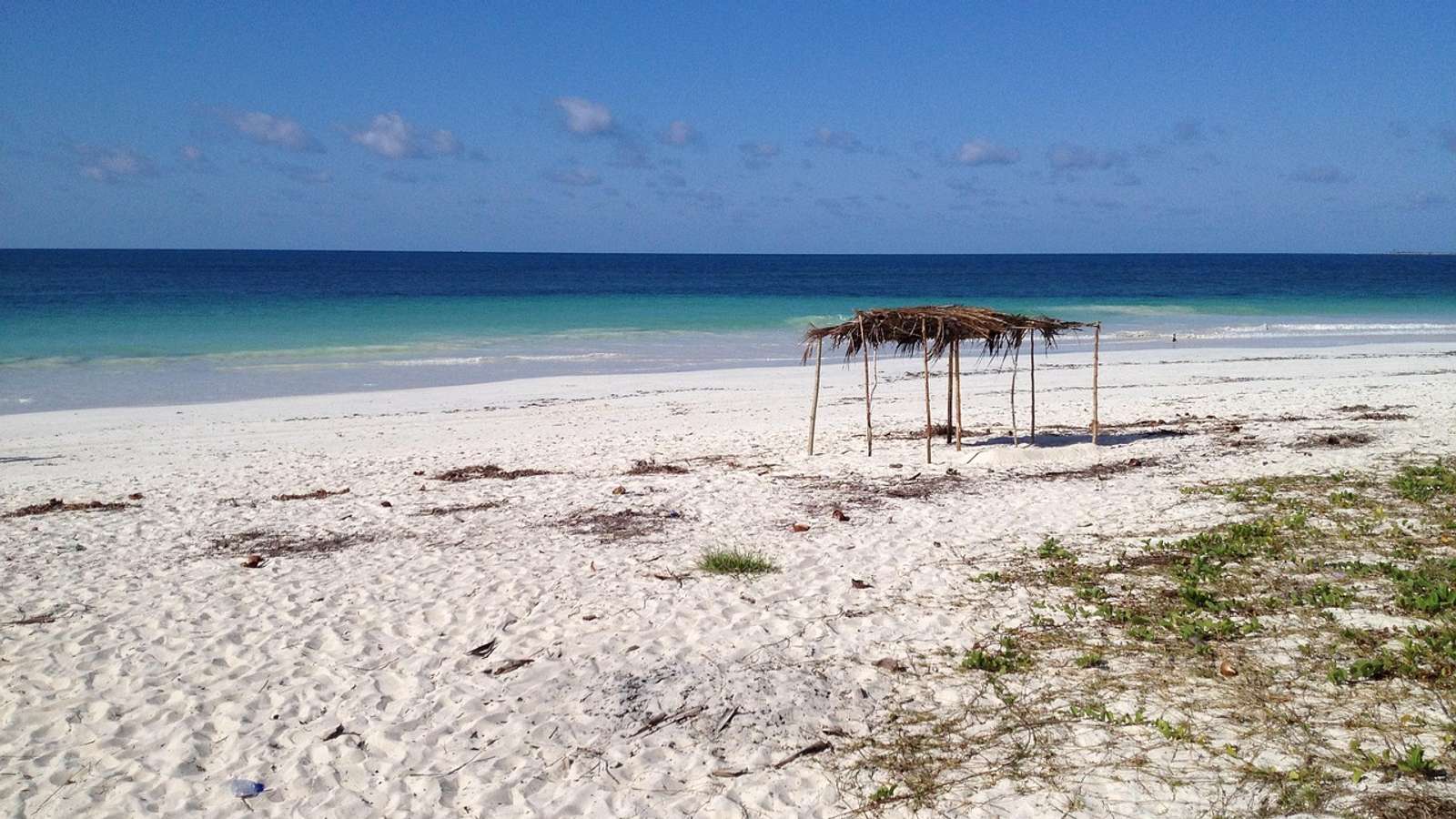
In the shallow waters of Mozambique's Bazaruto Archipelago, coastal forests that drowned as sea levels rose have become reefs full of young fish, the Bazaruto Center for Scientific Studies (BCSS) said. The reefs are made of compressed peat that radiocarbon dating puts at roughly 300 to 5,000 years old, and they now host lobsters, oysters and dozens of fish species.
“What was once a forest floor is now a nursery for reef fish.” — Dr Mario Lebrato, lead author and BCSS co-founder
A reef with no living coral
The team surveyed three peat reefs and a nearby coral reef, and published the results in Scientific Reports on 12 October. The peat reefs lie 2 to 4 meters deep and are regularly exposed by the tide. Chemical analysis shows the peat came mostly from coastal land plants and trees, and some samples contain up to 40% organic carbon by dry weight.
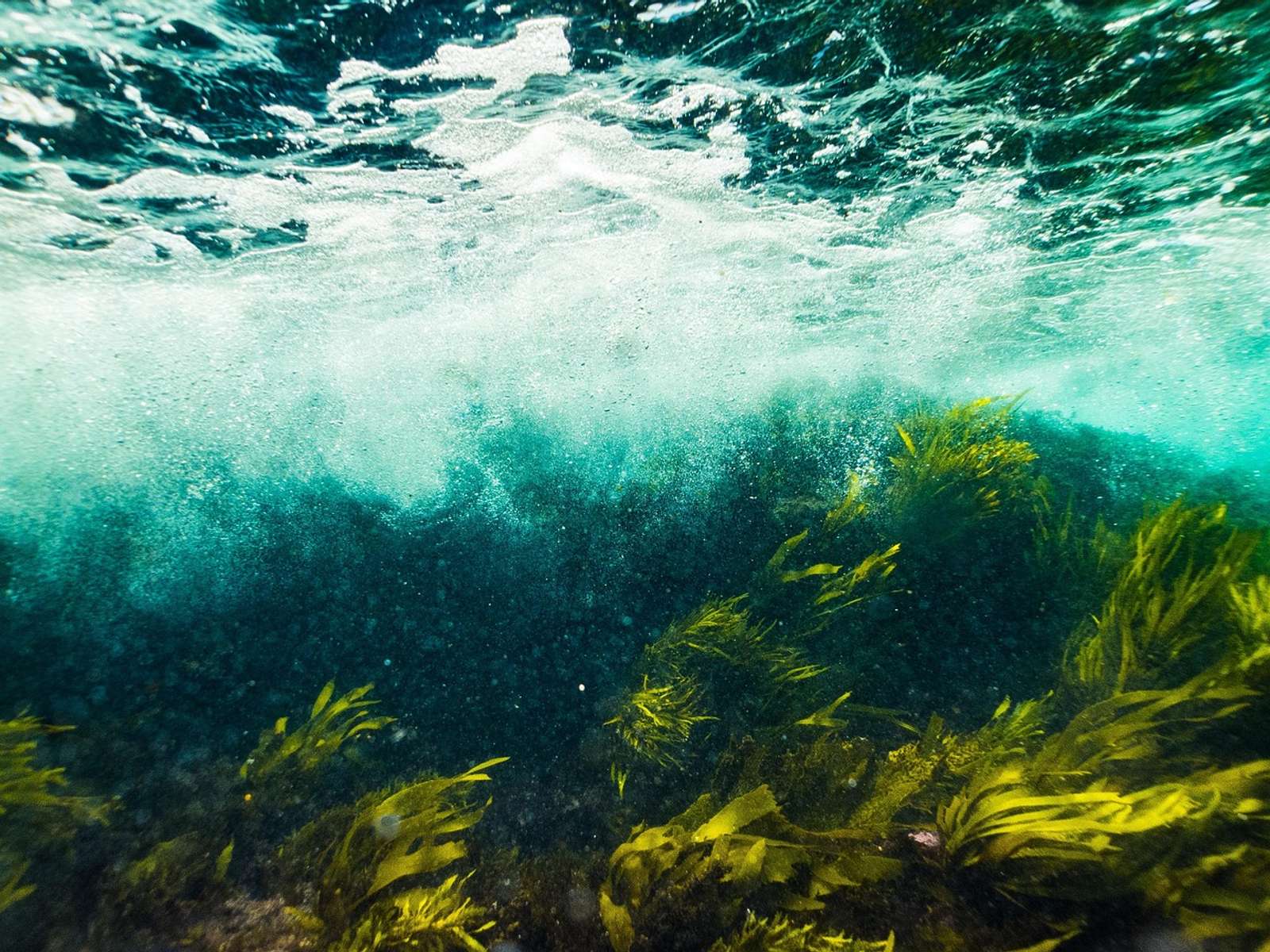
There is no living coral on them. Instead, seagrass, seaweeds and sponges grow directly on the peat, and spiny lobsters, oysters, barnacles and juvenile fish such as young snappers and grunts live among them. Each peat reef held 26 to 36 small fish species, a richness comparable to the coral reef next door. Sharks, rays and turtles were recorded on both reef types, and the two shared 41 small fish species and 44 larger animal species.
Conditions are harsh. Water temperature on the peat reefs swings between 24.5 and 28.6°C within a single day, and storms and cyclones bury, uncover and break them apart. Many have already disappeared through erosion and moving sand.
Rarely studied, and possibly overlooked elsewhere
Peat reefs are almost undocumented. Only a handful of cases appear in the scientific literature, and the authors say this is the first study of the ecology of a peat reef system in the tropics. That matters for coastal planning: habitats that are not on maps are easily left out of protection plans and fisheries management.
The carbon question is still open. Peat swamps on land can store 1,000 to 2,000 tonnes of carbon per hectare below ground, but the researchers stress that their figures describe the peat's carbon content, not how much carbon the reefs hold in total, or whether they store or release it today.
The archipelago lies in the Western Indian Ocean, where governments agreed new steps for coastal and marine ecosystems at the Nairobi Convention this year.
Measuring the carbon is the next step
BCSS says the next research steps are to measure peat thickness and density, total carbon stocks, how fast the reefs are being buried or eroded, and their greenhouse gas fluxes, which would show whether they should count as blue-carbon habitats like mangroves and seagrass. The team also recommends adding peat reefs to coastal habitat maps and conservation plans, and searching for similar reefs in Southeast Asia, the Caribbean and West Africa.
Sources
- Bazaruto Center for Scientific Studies · bcssmz.org
- nature.com
How we choose and verify sources: editorial policy.
Your weekly dose of good news
The 5 biggest positive stories of the week, straight to your inbox. Free, no noise.
Like what you're reading?
Related stories
A forgotten 1980s logging experiment shows thinned mountain ash forests grew bigger trees and regained their carbon
A First Nation-led project has replanted 4,200 square meters of kelp forest in Clayoquot Sound