A First Nation-led project has replanted 4,200 square meters of kelp forest in Clayoquot Sound
The Tla-o-qui-aht First Nation, Redd Fish Restoration Society and West Coast Kelp have restored about 4,200 square meters of kelp in Clayoquot Sound since early 2026, using floating nurseries out of reach of sea urchins.
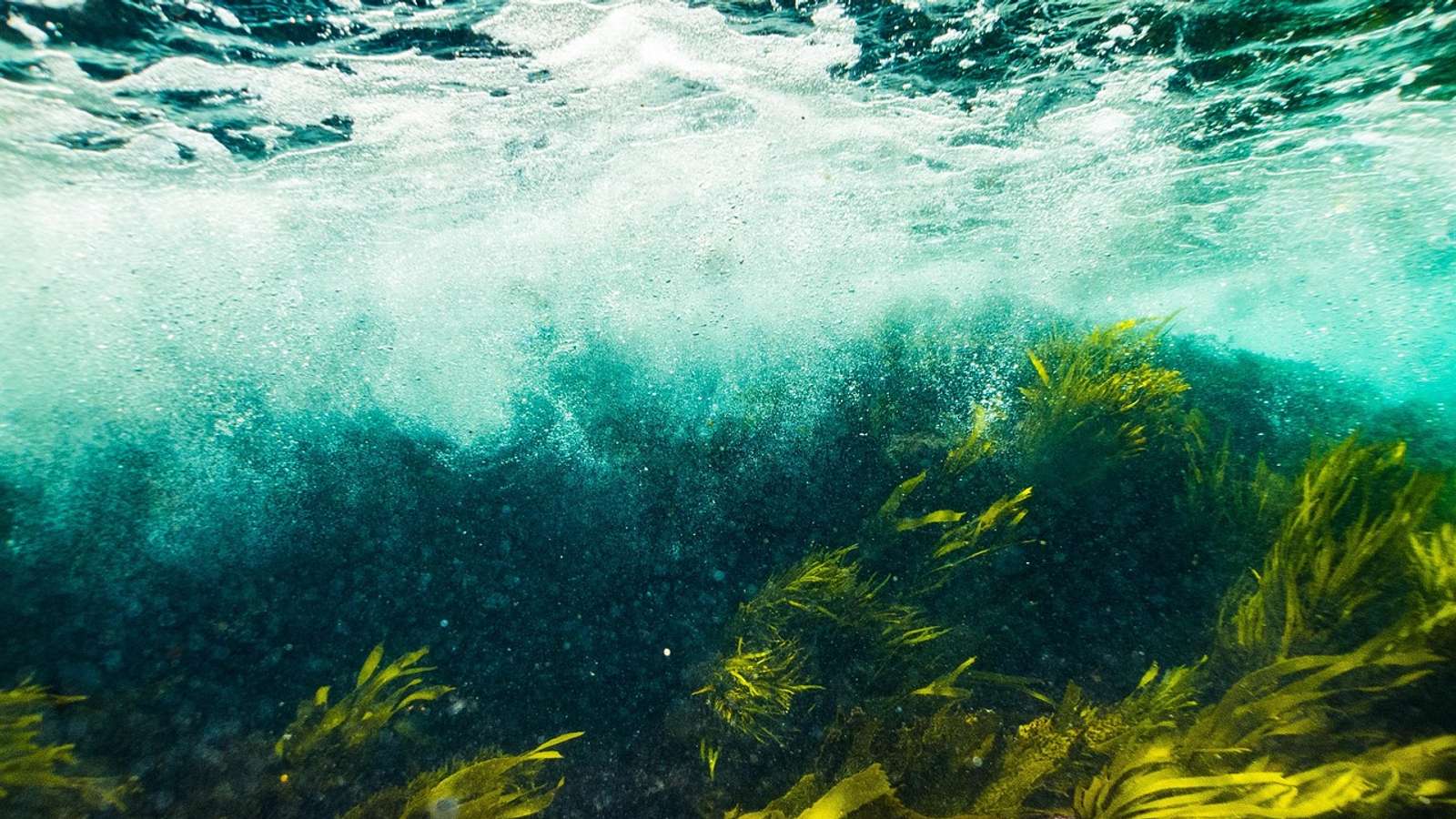
A kelp restoration project led by the Tla-o-qui-aht First Nation has re-established about 4,200 square meters of kelp in Clayoquot Sound, on the west coast of Vancouver Island, since it began in early 2026, Mongabay reported on 12 October. That is roughly the size of 10 basketball courts.
The work is a partnership between the Nation, the Redd Fish Restoration Society and the company West Coast Kelp. Tla-o-qui-aht Guardians and community members help run, monitor and look after the sites.
Floating nurseries keep young kelp away from grazers
Kelp forests along the west coast of Vancouver Island have declined, which the project partners attribute to marine heat waves, climate change and disrupted food webs. Sea urchins graze young kelp before it can establish itself.
To get around that, the project uses four large In-Ocean Nursery Systems, suspended structures that hold young kelp off the seafloor during its most vulnerable stage, Redd Fish said when the project launched. It called the effort the largest kelp restoration project of its kind on the Pacific coast. The nurseries grow native giant kelp and bull kelp. Sections are then transplanted to sites around the sound, chosen partly with traditional knowledge from Tla-o-qui-aht oral history.
“This project represents a shift from experimental restoration to restoration at scale.” — Emily Fulton, Marine Program Manager, Redd Fish Restoration Society
The goal is habitat for young salmon
The transplant sites lie along local salmon migration corridors, where juvenile salmon move from their home rivers to the open ocean, according to Redd Fish. Underwater cameras are recording fish communities before and after the kelp establishes, so the team can measure what the forests add.
"We know that kelp creates habitat, but we don't have numbers to associate with that," Fulton told Mongabay. Tatt Charlie, a Tla-o-qui-aht tribal guardian, described the work as a return to an old principle: "My ancestors had a system of reciprocity where they knew not to take too much, and we were always giving back."
Early days for a forest that takes years to judge
The 4,200 square meters is the area established so far, not yet a measure of how much will survive in the long run. Redd Fish expected the first year's nurseries to produce about 4 metric tons of kelp. Neither source gives figures for how much kelp the sound has lost.
The camera monitoring in Clayoquot Sound is meant to show over the coming seasons whether the new kelp brings more young salmon and other fish.
Sources
- Redd Fish Restoration Society · reddfish.org
- news.mongabay.com
How we choose and verify sources: editorial policy.
Your weekly dose of good news
The 5 biggest positive stories of the week, straight to your inbox. Free, no noise.
Like what you're reading?
Related stories
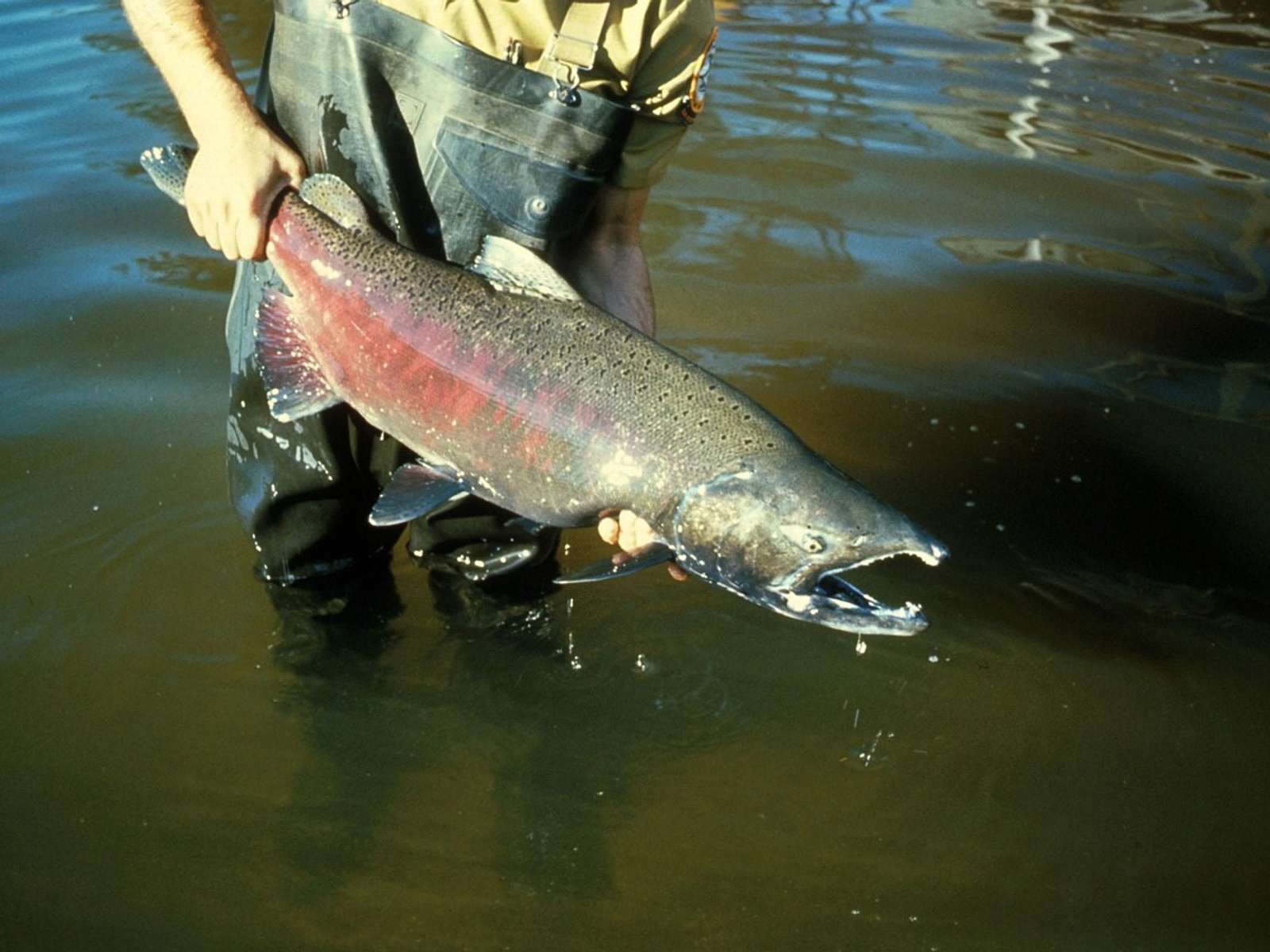
Chinook salmon reclaimed 88% of their old Klamath range within two years of the dams coming down
After four dams were removed from the Klamath River in 2024, sonar counted 7,742 Chinook swimming upstream that fall and 13,310 in 2025. The fish now reach 88% of their historical range above the old dams.
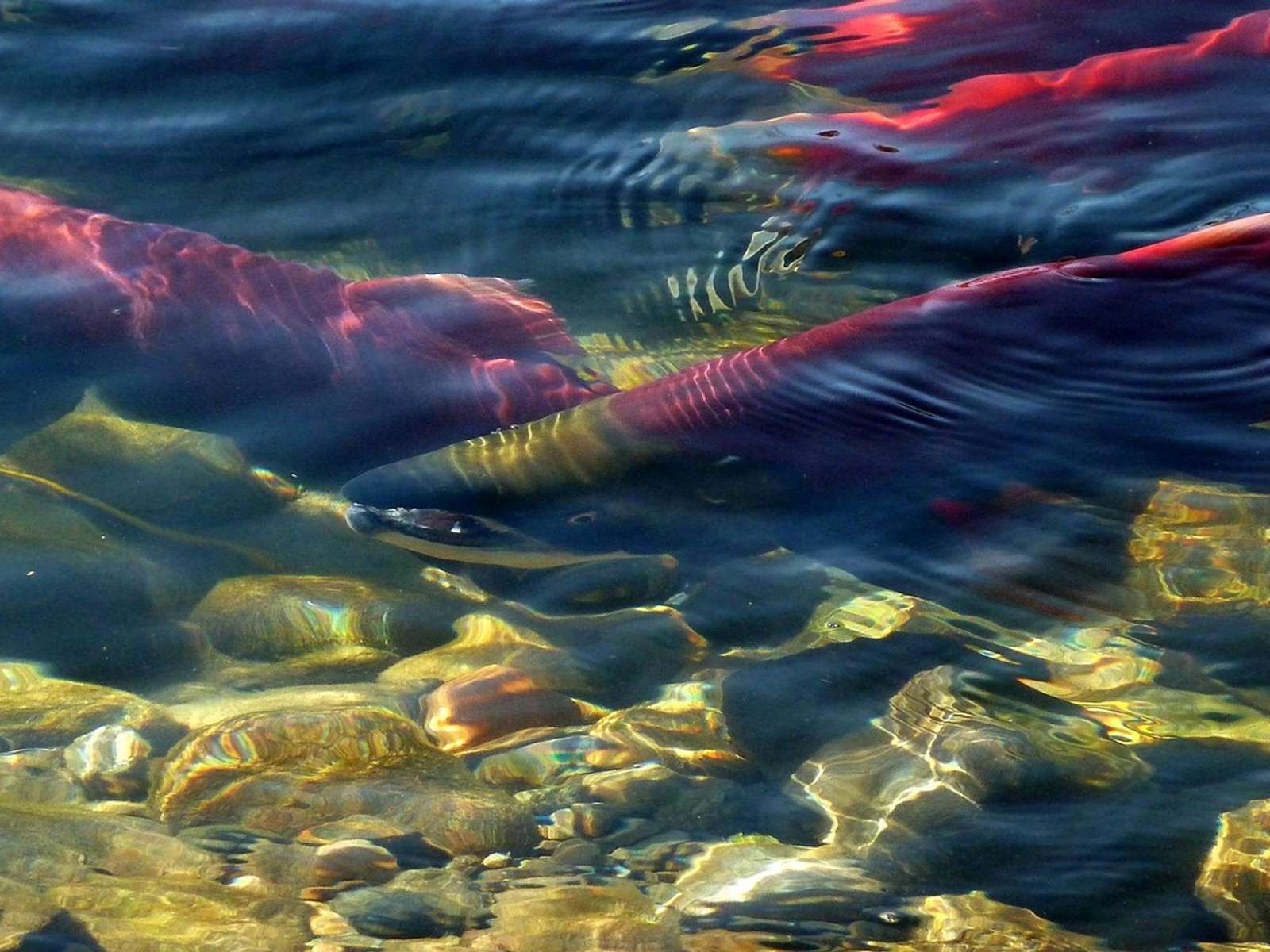
Threatened Salmon Make Remarkable Comeback as Returns Nearly Triple
Threatened Hood Canal summer-run chum salmon are making a remarkable comeback in Washington, with average annual returns nearly tripling in recent years as major river restoration work gives the population an even stronger chance to recover.
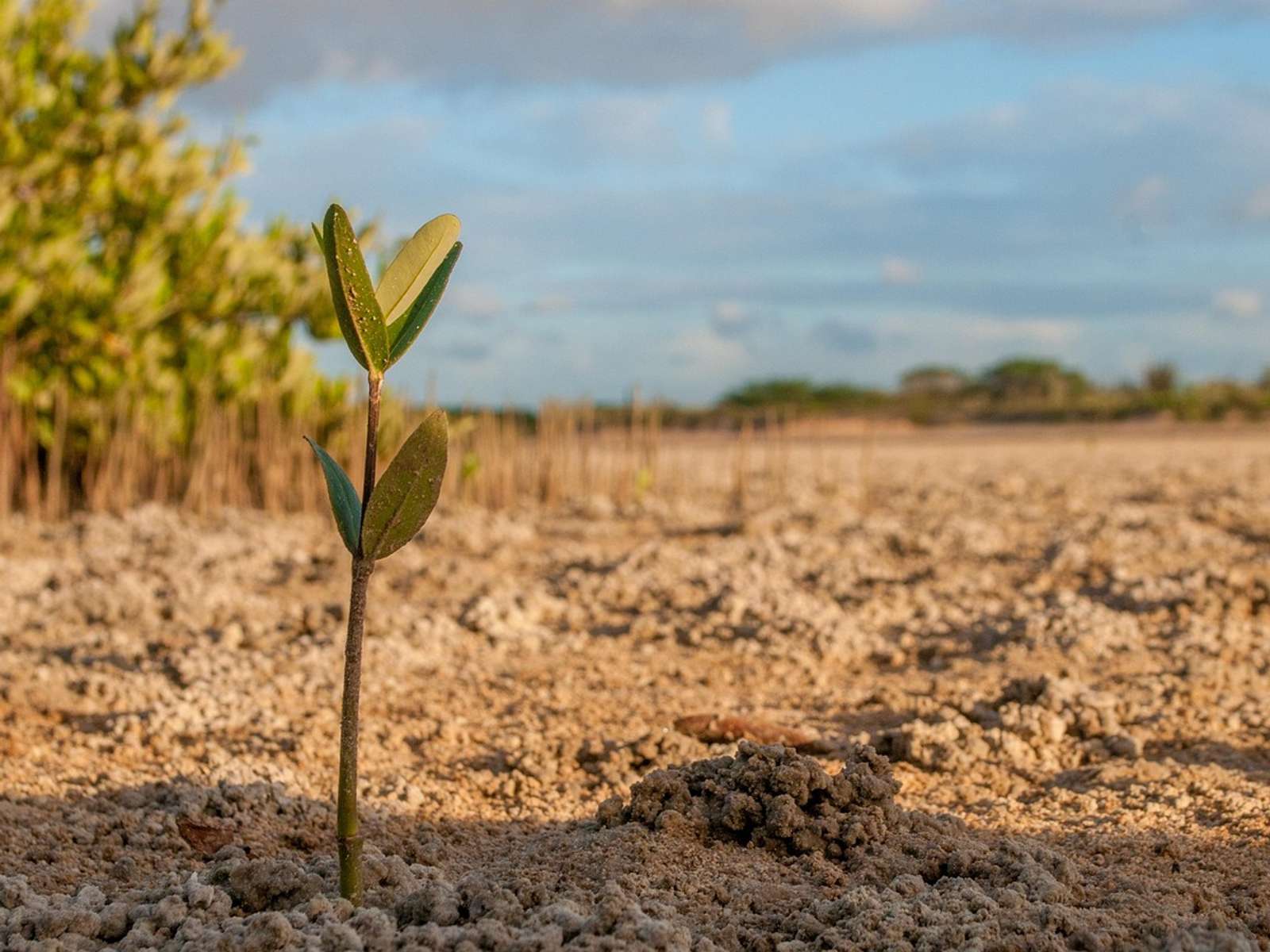
Young Kenyans have replanted more than 15 hectares of mangroves on the Kwale coast
A youth-led network and local fishers have restored more than 15 hectares of degraded mangroves at Nyumba Sita in Kenya's Kwale County. They now aim for 200 hectares by 2030.