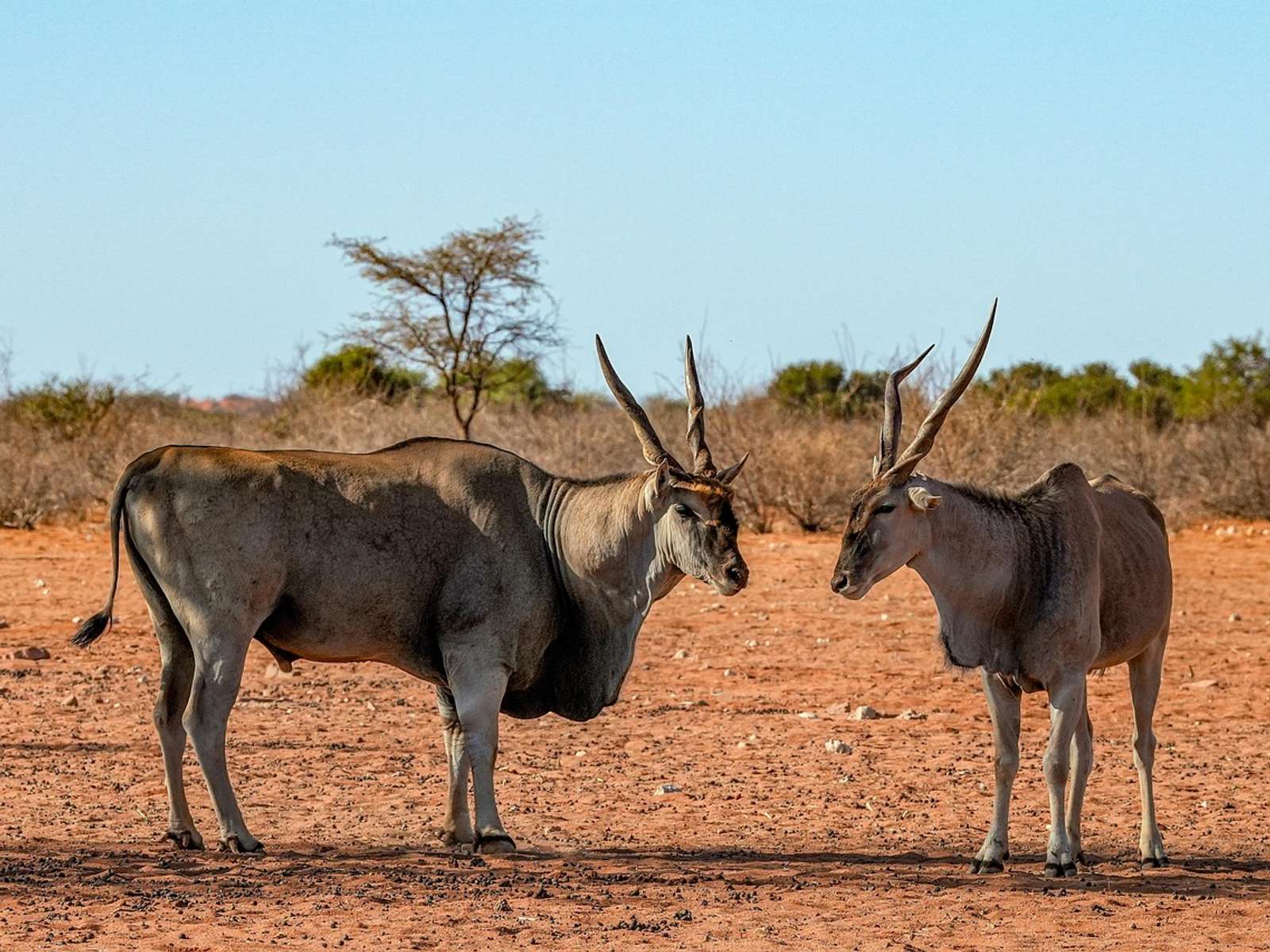
Botswana's government has approved a four-phase roadmap that could let Indigenous San communities return to the Central Kalahari Game Reserve with legally recognized rights, Mongabay reports. Key questions remain open.
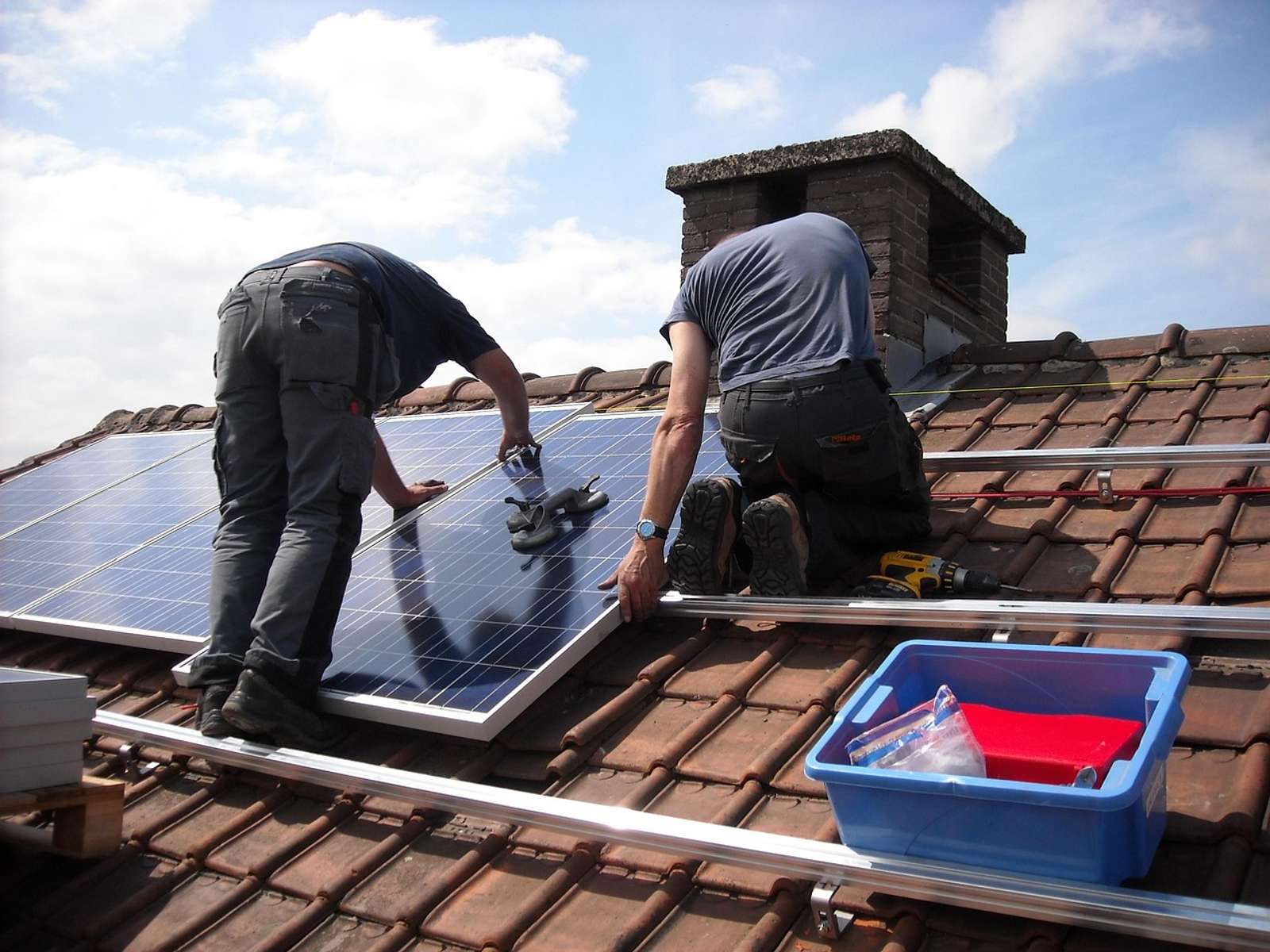
In Cambodia's Ratanakiri province, Indigenous students are learning to install and maintain solar systems through UNICEF's Youth Solar (YOSO) program. About 2,600 students in Ratanakiri and Preah Vihear are expected to take part in 2026.
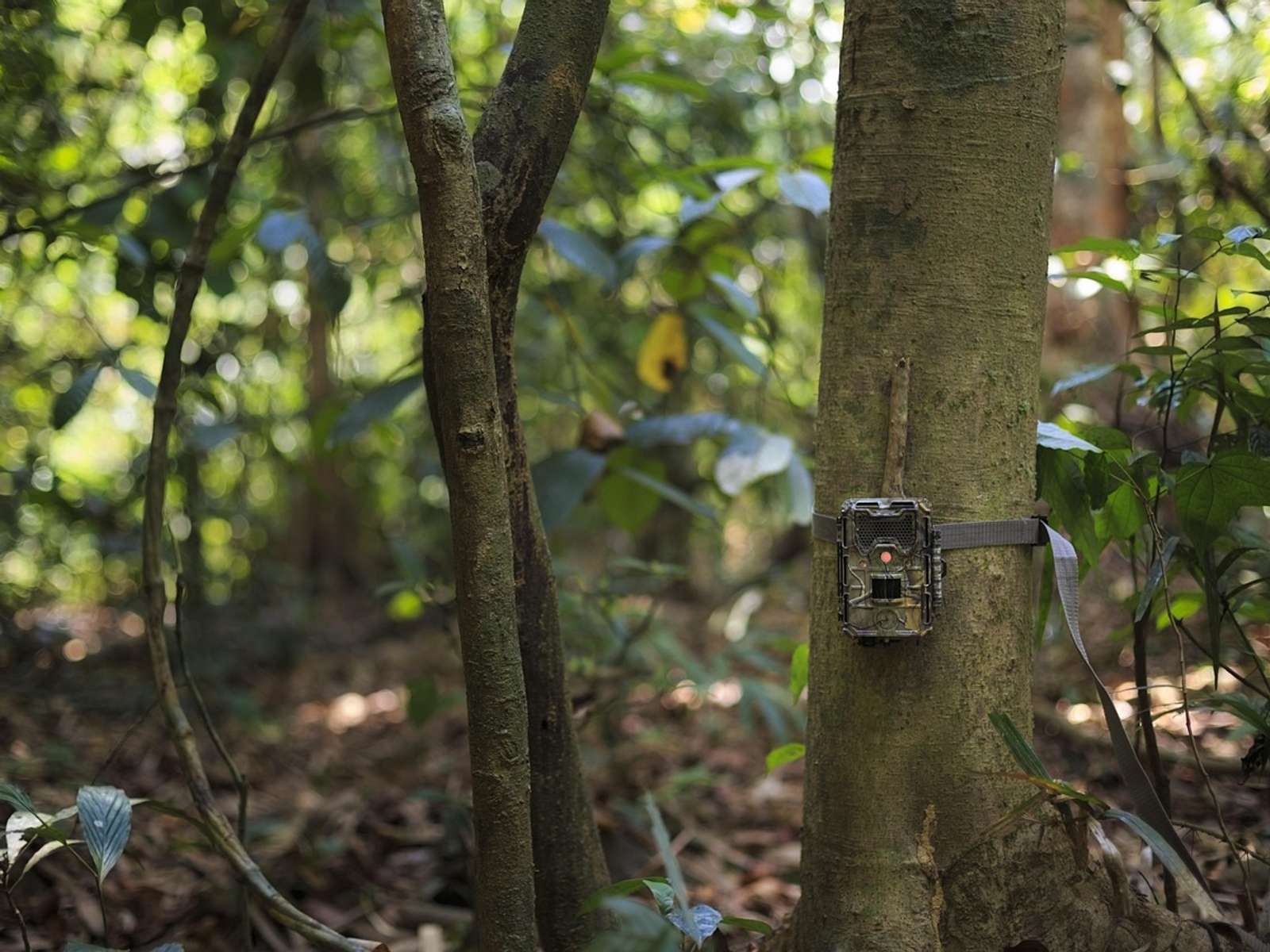
Rangers in the Warddeken Indigenous Protected Area used the open AI model MegaDetector to filter empty camera-trap photos, cutting the images they had to check from 925,088 to 172,290 and processing time from six months to two.
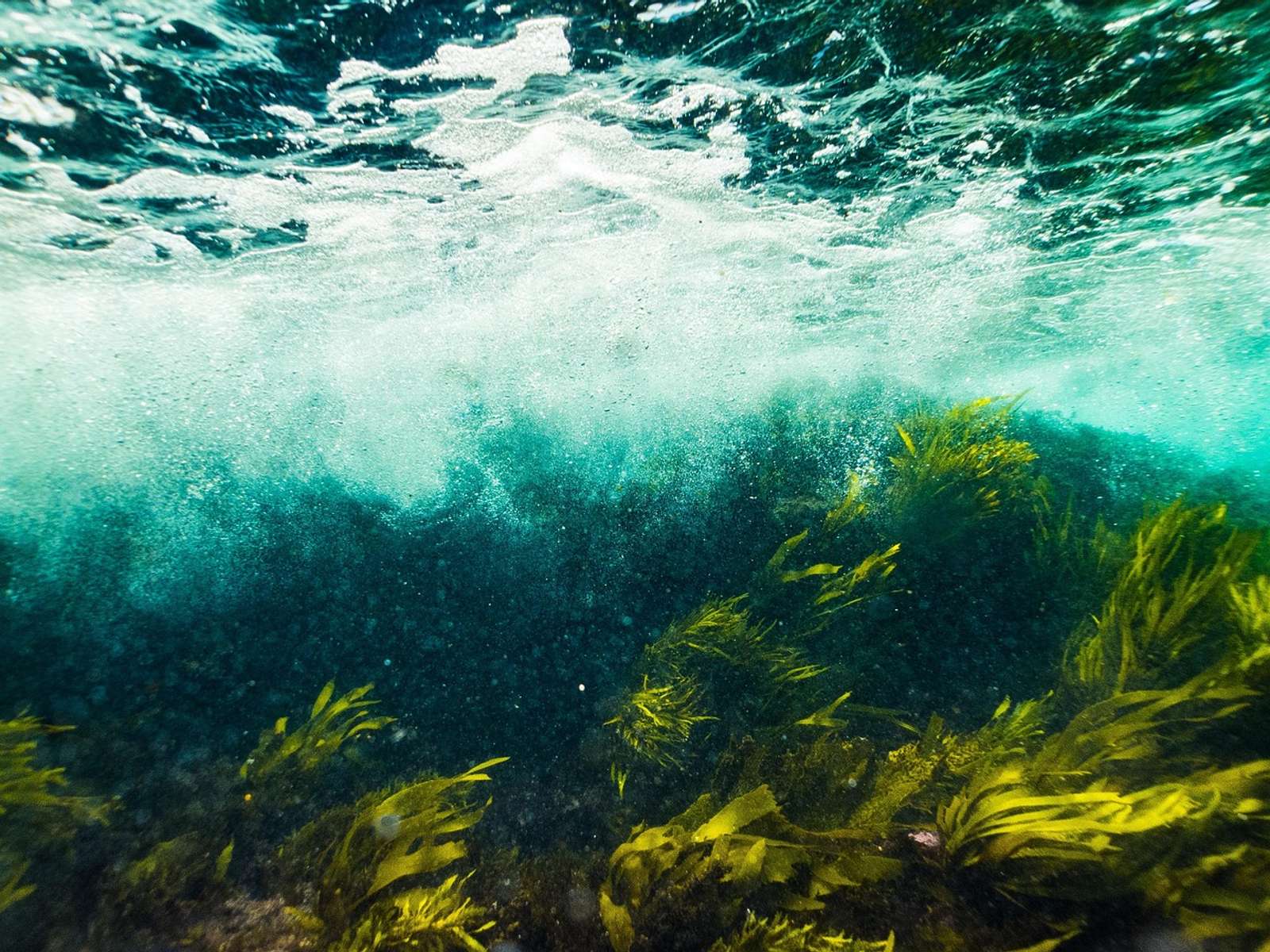
The Tla-o-qui-aht First Nation, Redd Fish Restoration Society and West Coast Kelp have restored about 4,200 square meters of kelp in Clayoquot Sound since early 2026, using floating nurseries out of reach of sea urchins.
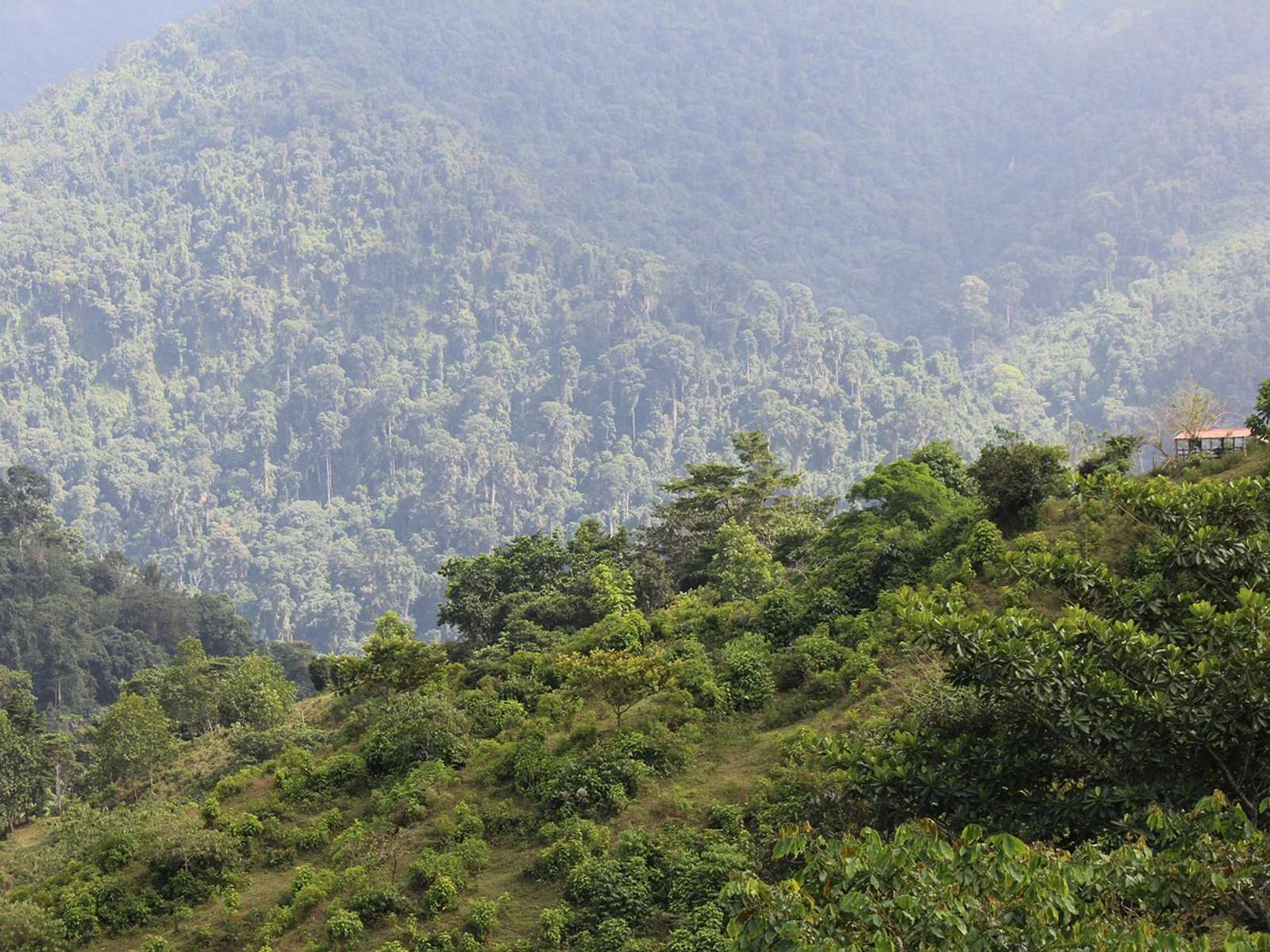
The HALO Trust will clear landmines from almost 18,000 hectares in Colombia's Meta region so two Indigenous communities can return to and guard their land. The three-year project costs about $1 million.
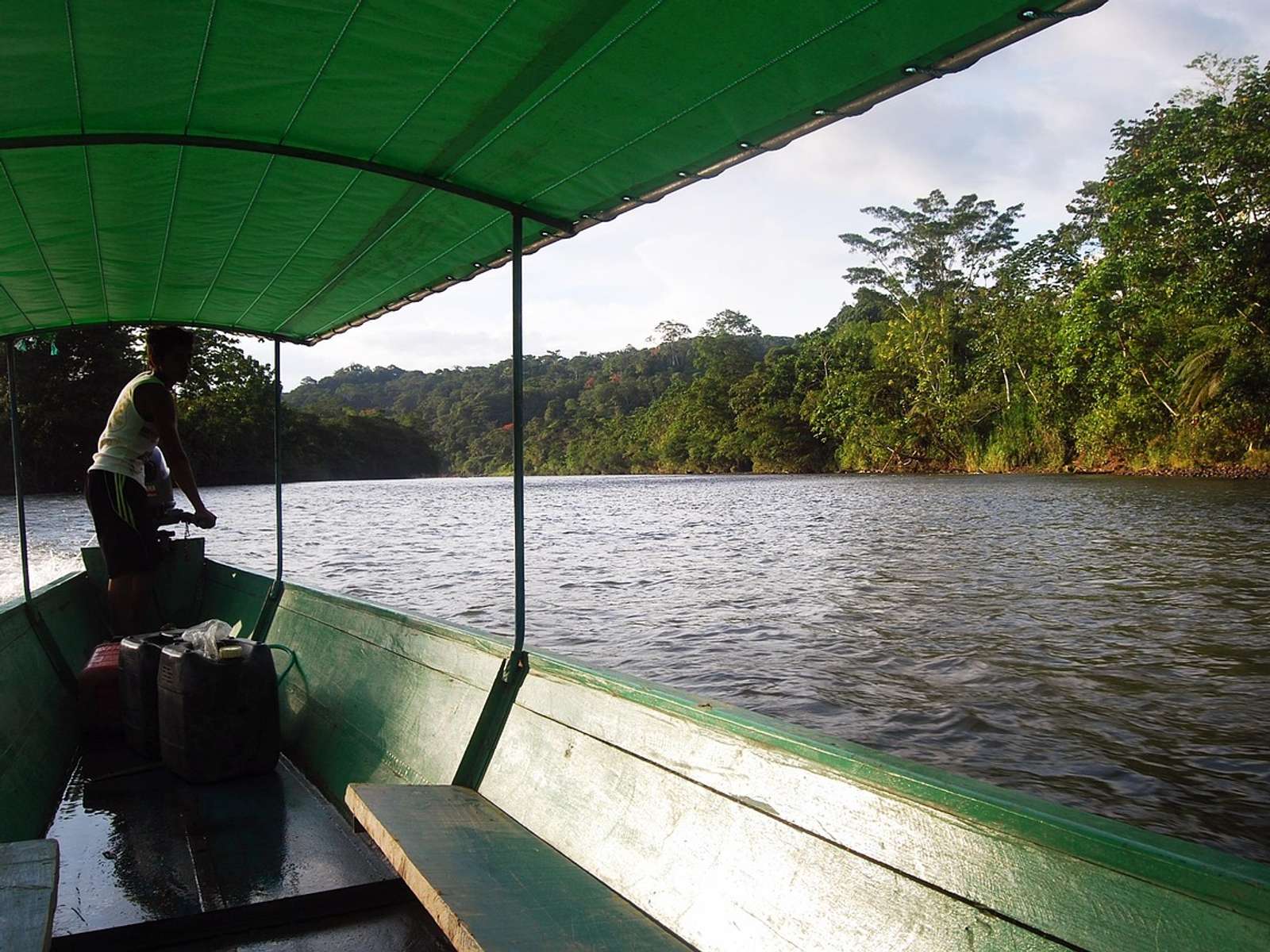
Young Kichwa, A'i Cofán, Shuar and Sapara artists in Ecuador's Amazon are rapping in their own languages about oil and mining threats, and one track has passed 400,000 views on TikTok in a month.
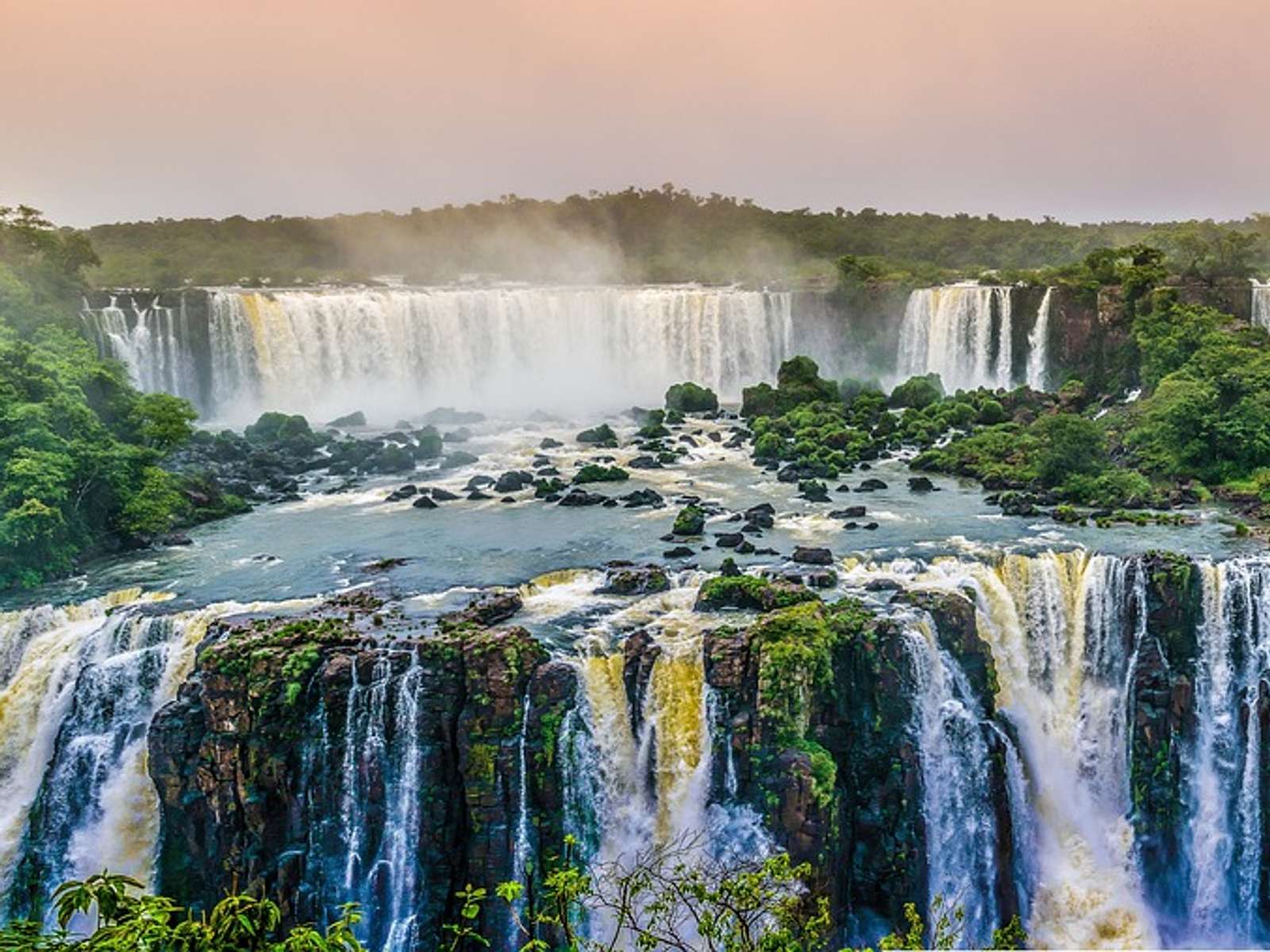
Ywy Ipuranguete, a $9 million project funded by the Global Biodiversity Framework Fund, supports Indigenous communities in managing 15 Indigenous lands covering about 6 million hectares across five Brazilian biomes.