Indigenous rangers in Arnhem Land cut their camera-trap workload by 81% with AI
Rangers in the Warddeken Indigenous Protected Area used the open AI model MegaDetector to filter empty camera-trap photos, cutting the images they had to check from 925,088 to 172,290 and processing time from six months to two.
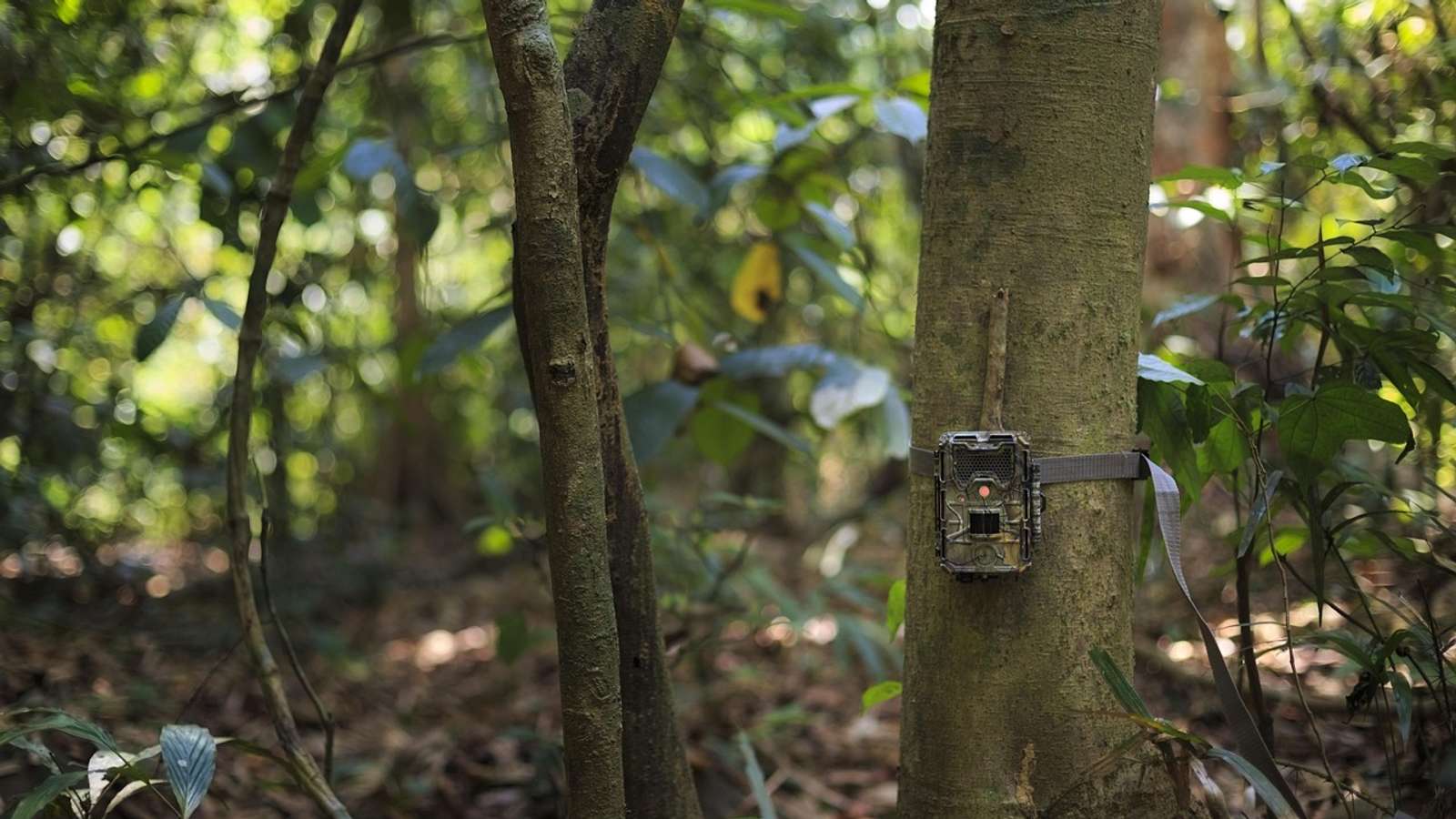
Indigenous rangers in Australia's West Arnhem Land have cut the number of wildlife camera images they need to check by 81.4% by letting an AI model throw out the empty frames first, Charles Darwin University said on 13 October.
The work comes from the Mayh (animal) program in the Warddeken Indigenous Protected Area, where Bininj (male) and daluk (female) rangers monitor wildlife with motion-triggered cameras. Warddeken Land Management ran it with Charles Darwin University and Australia's national science agency, CSIRO, and the team described it in the journal Conservation Science and Practice.
From 925,088 images to 172,290
Camera traps fire at anything that moves, including grass in the wind, so most photos show no animal at all. The rangers ran their data, 1,572 hours of it according to the university, through MegaDetector. The number of images that needed a human look fell from 925,088 to 172,290.
Processing a batch used to take six months and now takes two. Average processing time fell from 52.6 to 41.8 hours per fortnight, and the rangers used the hours they got back for species identification, language documentation and resources that share knowledge.
MegaDetector is an open-source model first developed through Microsoft's AI for Earth program. It finds animals, people and vehicles in camera-trap images, according to the project's page, but it does not say which species an animal is.
People still check every animal
That limit is part of the design. The AI sorts the empty frames from the rest, and rangers still identify every animal it flags.
“People are still part of the verification. People are still part of the process.” — Dr Cara Penton, Ecological Monitoring Officer, Warddeken Land Management
Penton is also a postdoctoral researcher at the university's Northern Institute. Suzanna Nabulwad, a senior daluk ranger and Bininj Nawarddeken woman, said the community decides how the tools are used. “It is important to talk to our elders so we use technology the right way on Country,” she said.
Community-run monitoring is spreading in other places too. In Indonesian Borneo, about 800 villagers are paid for verified wildlife photos and recordings, and their program has logged more than 300,000 observations.
The university's summary does not say how often MegaDetector missed an animal that rangers would have caught, a question the full paper is meant to address.
Sources
- Charles Darwin University · cdu.edu.au
- github.com
How we choose and verify sources: editorial policy.
Your weekly dose of good news
The 5 biggest positive stories of the week, straight to your inbox. Free, no noise.
Like what you're reading?