Villagers in Borneo Now Earn More From Wildlife Photos Than From Hunting
A program called KehatiKu pays villagers in Indonesian Borneo for verified wildlife photos and sightings, turning more than 800 former hunters into citizen conservationists tracking orangutans and other endangered species.
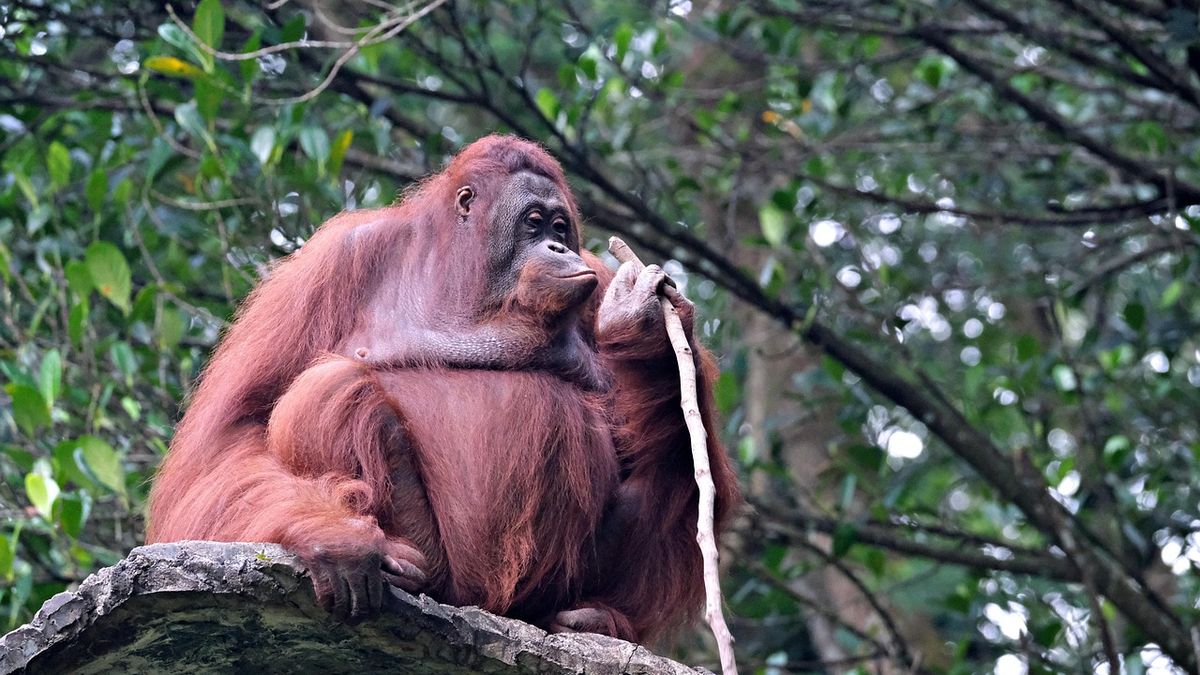
In West Kalimantan, on the Indonesian side of Borneo, more than 800 people are now paid to photograph wildlife instead of hunting it. The program, called KehatiKu, has collected over 350,000 wildlife observations since it began, submitted from nine villages bordering some of the island's last intact rainforest, with two more villages set to join next month.
A bird in the hand becomes a photo on a phone
KehatiKu is run by Borneo Futures, a conservation consultancy led by biologist Erik Meijaard. Villagers photograph or film animals they encounter and upload the sighting through a mobile app; an AI tool helps verify the species before a monthly payment goes out. According to Mongabay's reporting on the program, payments range from around 5,000 rupiah (roughly $0.30) for a common bird up to 130,000 rupiah for the program's top prize: a Critically Endangered Bornean orangutan.
That pay scale is doing the persuading. "People have started to realise that where previously they caught one bird and it was worth 50,000 rupiah, now they just need to take a photo, send it to us, and they can receive a payment of 5,000 to 10,000 rupiah," said Nardiyono, Borneo Futures Indonesia director.
Hunters learn the value of animals left alone
The species being documented include the Bornean orangutan, Bornean and Abbott's gibbons, the little-studied flat-headed cat, Sunda pangolins, and several hornbill species — all animals that also face pressure from hunting and the wildlife trade. One observer in Nanga Embaloh village, Tomi, said the payments have "become a main source of livelihood."
Fellow villager Susilawati put the underlying logic simply: animals that are hunted frequently become warier and harder to find, which only makes future hunts less rewarding. Photographing a living animal, by contrast, can be repeated indefinitely.
Funded to keep growing
Of the roughly 350,000 observations submitted so far, about half have been validated and paid for. Borneo Futures estimates the program costs less than $1 per hectare a year across the 200,000-hectare area it covers, funded by around $300,000 in philanthropic support through 2028 — a modest price, its organizers argue, for turning hunters into the forest's own wildlife monitors.
Like what you're reading?