What is CITES? The treaty that controls the global wildlife trade
CITES is the treaty that regulates international trade in wild animals and plants. In force since 1975, it covers more than 40,900 species in three appendices, from a near-total ban on commercial trade to permits that keep trade sustainable.
By Diego Callegari ·
CITES, the Convention on International Trade in Endangered Species of Wild Fauna and Flora, is the global treaty that controls trade in wild animals and plants across borders. It grew out of a 1963 resolution at a meeting of the International Union for Conservation of Nature in Nairobi; its text was approved in Washington, DC, in 1973 by representatives of 80 countries, and it took effect on 1 July 1975, according to the US Fish and Wildlife Service.
Today 184 parties, including the European Union, which joined in 2015, work together to protect more than 40,900 species: about 6,610 animals and 34,310 plants, according to the European Commission. The aim is to keep international trade legal and sustainable, and to stop it where no trade can be sustained.
The three appendices
Every species covered by CITES is listed in one of three appendices, depending on how much protection it needs:
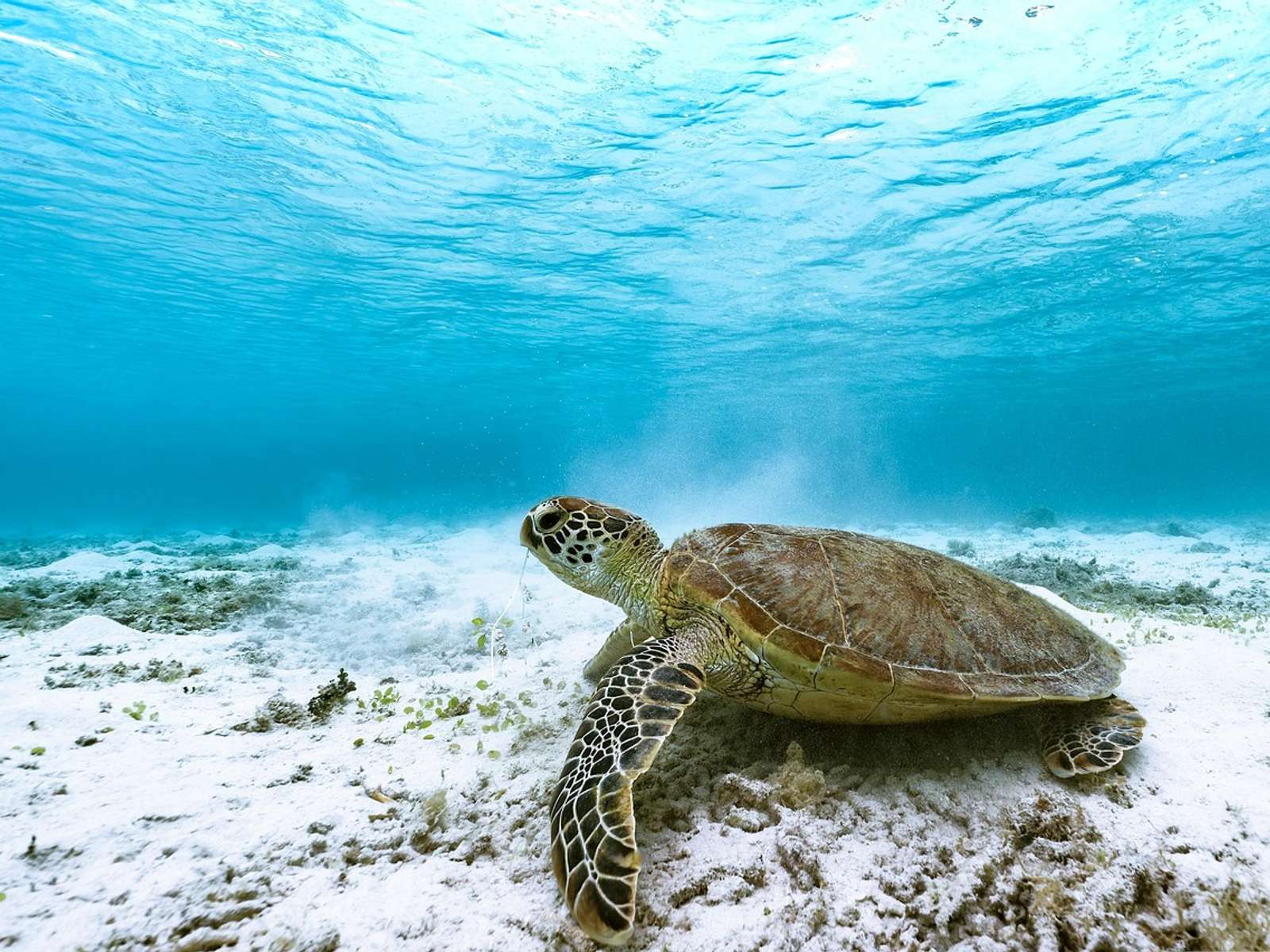
- Appendix I: species threatened with extinction. International trade for mainly commercial purposes is essentially prohibited. Examples include rhinoceroses, sea turtles and tigers.
- Appendix II: species not currently threatened with extinction but that may become so without trade controls. Trade is allowed with permits. Most CITES species are listed here, including lions, many corals and American ginseng.
- Appendix III: species that one country already protects and for which it has asked other parties to help control trade. Examples include kinkajous, hellbenders and walruses.
Appendix I and II listings are changed by vote at the Conference of the Parties, which meets about every three years. A single country can add one of its native species to Appendix III at any time.
How it works in practice
The backbone of CITES is a permit system. Each party names a Management Authority and a Scientific Authority. A permit to export a listed species is issued only if they find that the trade is legal and will not threaten the species' survival in the wild. Standard permit forms let customs officers check shipments at both ends, and the permits produce trade data that can show when a species needs a stricter listing.
Each party enforces CITES through its own laws and authorities. The European Union, for example, applies it through a regulation that sorts species into four annexes, A to D.
What CITES is not
CITES is not a list of all endangered species. It covers only species that are, or may be, affected by international trade. A species can be Critically Endangered on the IUCN Red List and not appear in CITES, or be listed in Appendix II while still common in the wild. Our Red List explainer sets out how those extinction-risk categories work.
Trafficking continues despite the treaty
Illegal trade remains large. Seizure records from 2015 to 2021 point to illegal trade in 162 countries and territories, affecting around 4,000 plant and animal species, about 3,250 of them listed in CITES, according to the UN Office on Drugs and Crime's World Wildlife Crime Report 2024. The report found progress for some species, such as elephants and rhinos, but no sign that wildlife trafficking overall has been substantially reduced.
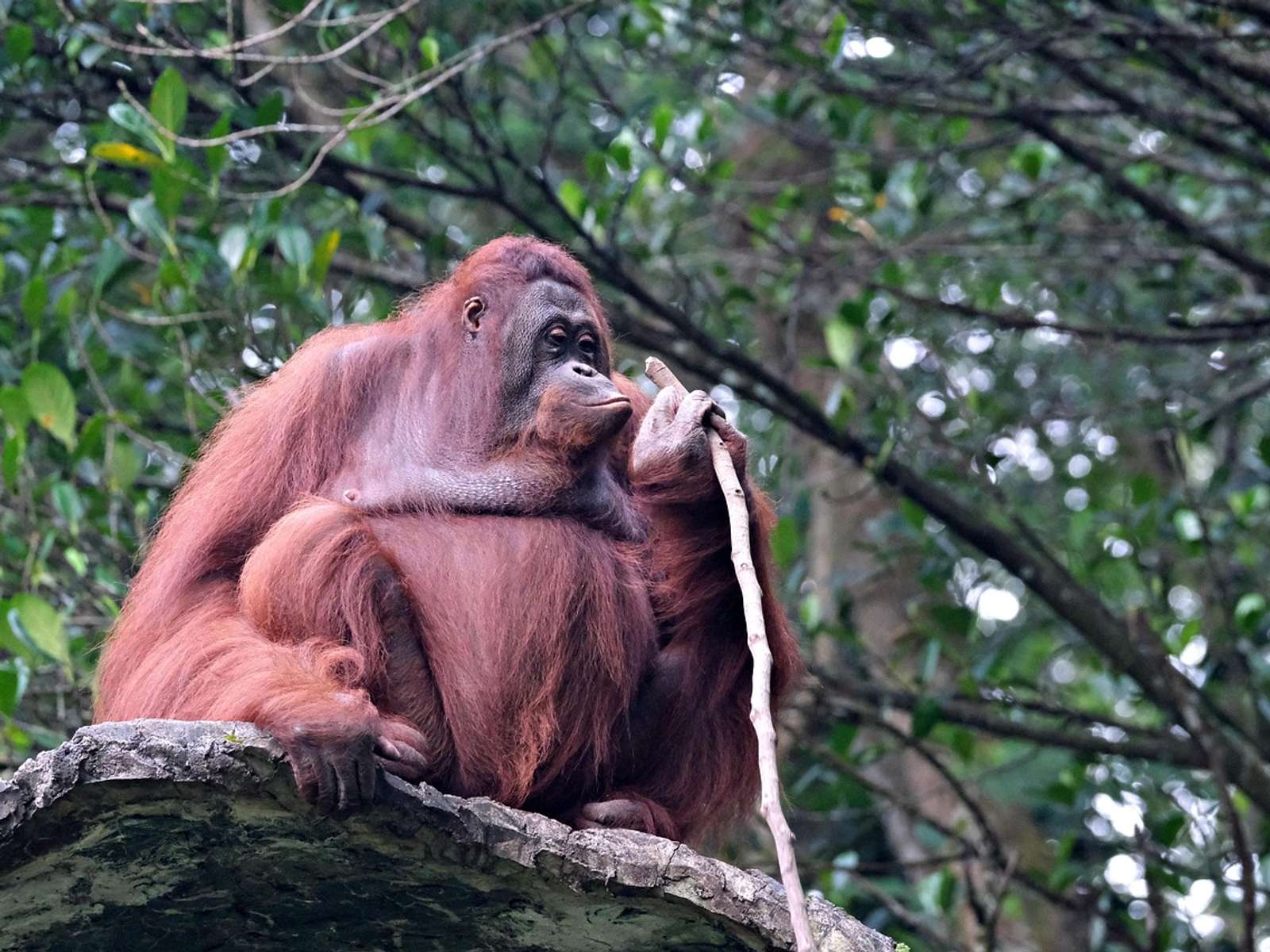
Many of our wildlife rescue stories begin with a CITES-listed animal. A young Sumatran orangutan seized near Mumbai was returned to Indonesia this month, and 20 green turtles, an Appendix I species, were released off Bali after a suspected smuggling attempt. More stories are collected under wildlife trade.