DNA traces in air and water reveal 572 species on Curtin's campuses, including the world's smallest otter
Students and staff at Curtin University's Perth, Singapore and Malaysia campuses sampled air, water and surfaces for environmental DNA and identified 572 species, from a small-clawed otter to an escaped pet iguana.
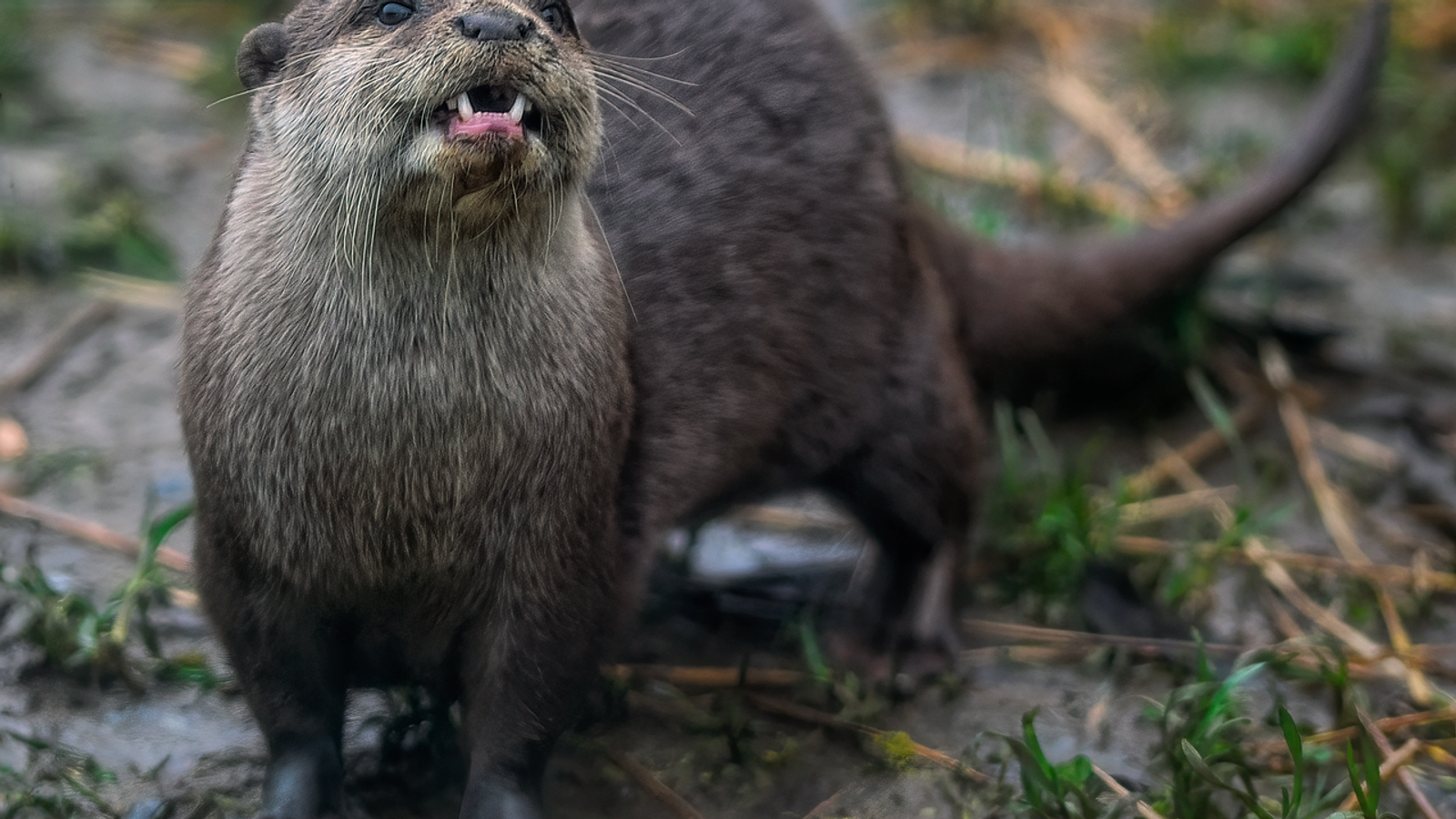
More than 100 students and staff at Curtin University's campuses in Perth, Singapore and Malaysia identified 572 species by testing air, water and surface samples for traces of DNA, the university said on 12 October. The finds include genetic traces of the Asian small-clawed otter, the world's smallest otter species, in a campus pond.
The species were identified from 26,572 distinct DNA sequences, which researchers checked against global reference databases.
Every animal leaves DNA behind
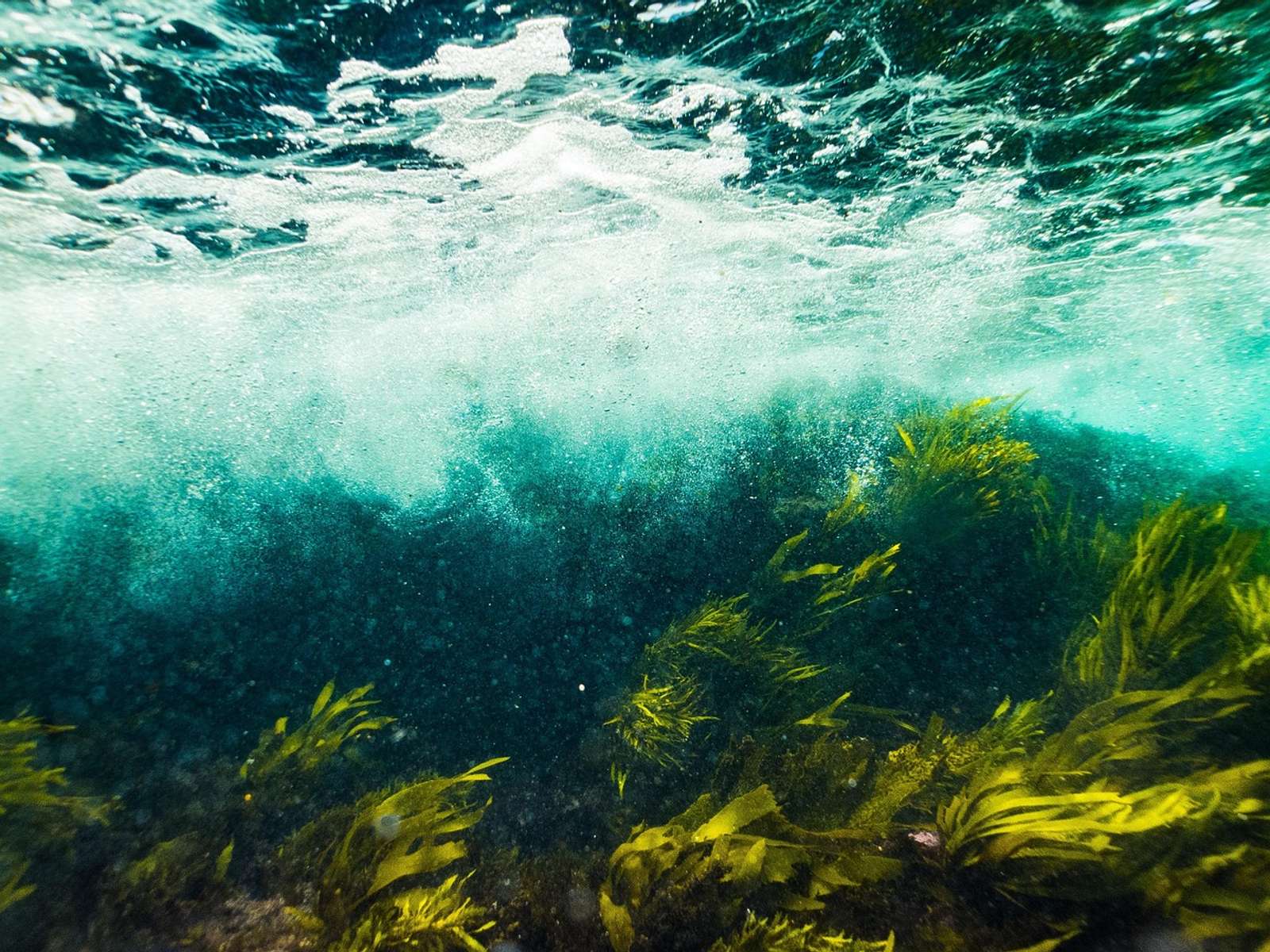
The method is called environmental DNA, or eDNA. Animals and plants constantly shed genetic material into their surroundings through feces, mucus, skin and hair, the U.S. Geological Survey explains. In water it breaks down within about one to three weeks, so a sample reflects what lived there recently. The technique is especially useful for small, rare or secretive species that are hard to see or catch.
“Every sample gives us thousands of tiny genetic fragments, and the challenge is sorting the true signals from the noise so we can say with confidence what's living on our campuses.” — Dr Samuel Thompson, data science lead, Curtin University
A bat in Singapore, a jellyfish in Perth, an iguana in Malaysia
On the Singapore campus, samples picked up a lesser short-nosed fruit bat, a common tree shrew, an Asian glossy starling and a pied imperial-pigeon. The plantain squirrel was the most frequently detected mammal there, turning up in 13 of 15 samples. The tests also found invasive red-eared slider turtles.
In Perth, an invasive freshwater jellyfish turned up in a koi pond at the Bentley campus. In Malaysia, a water sample contained DNA of a common green iguana, a species that is not native to the country and was most likely an escaped or released pet, according to the university.
A baseline for tracking change, open to anyone
BioBlitz lead Professor Paul Nevill said the initiative is "building a clearer picture of biodiversity across Curtin's global campuses while giving participants hands-on experience with a rapidly growing technology used in conservation, environmental impact assessment, urban planning, agriculture and corporate sustainability reporting." The results will serve as a baseline for tracking how biodiversity on the campuses changes.
The data are public through Curtin's eDNA Viewer. A DNA trace shows that an animal or its genetic material was there recently; on its own it does not show whether the animal lives on campus, as with the pet iguana in Malaysia. Curtin plans to expand the BioBlitz to all six of its global campuses.
Sources
- Curtin University · curtin.edu.au
- usgs.gov
How we choose and verify sources: editorial policy.
Your weekly dose of good news
The 5 biggest positive stories of the week, straight to your inbox. Free, no noise.
Like what you're reading?
Related stories

DNA from droppings shows endangered greater gliders eat a wider menu than thought
University of the Sunshine Coast researchers used DNA from greater glider droppings to identify 17 plant species in their diet, including non-eucalypts such as acacia and casuarina.
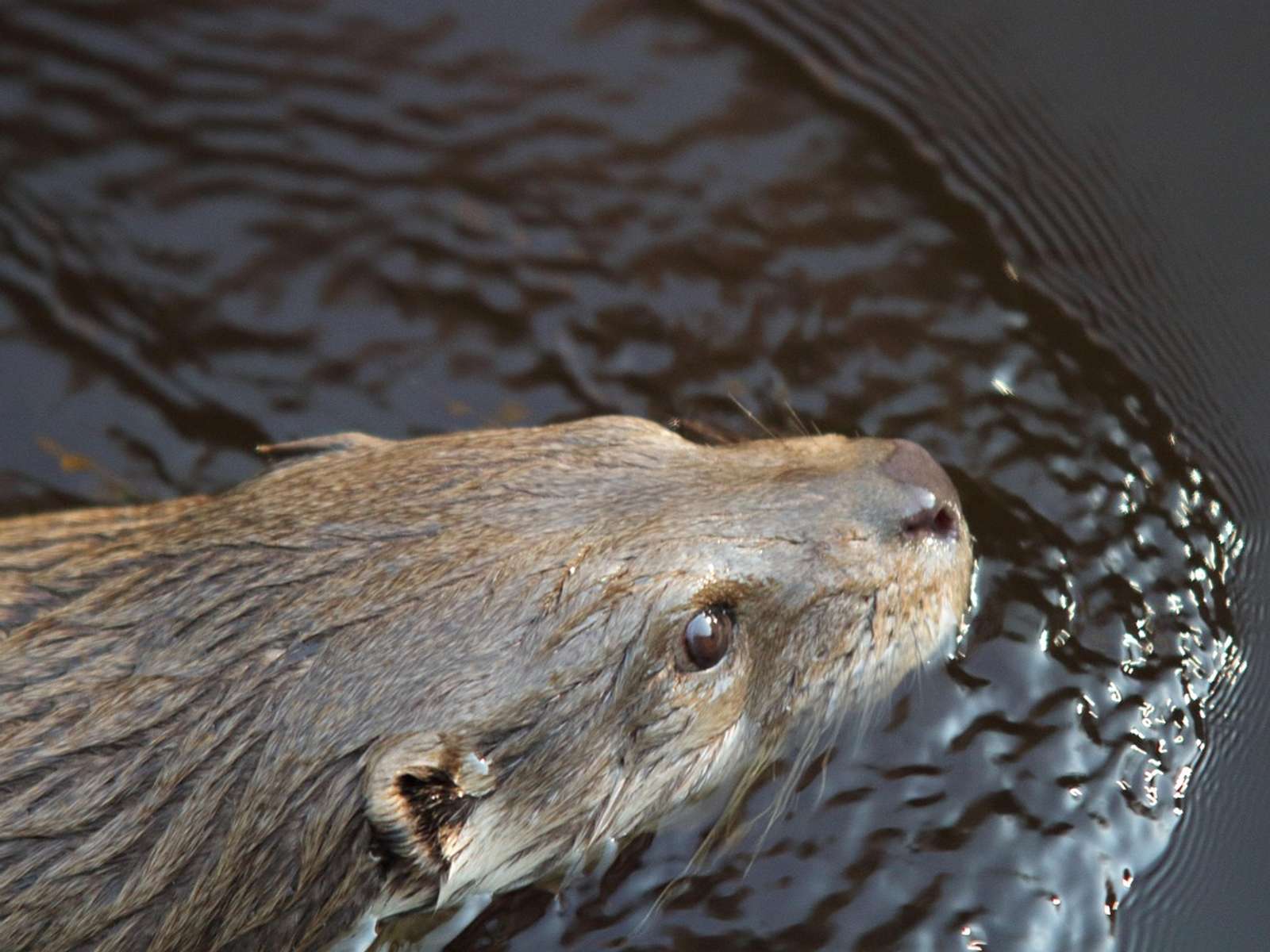
New Bolivian reserve protects 715,000 acres for jaguars, river dolphins and giant otters
The new Agua Dulce Municipal Wildlife Reserve in Baures, Bolivia, protects nearly 715,000 acres of habitat for jaguars, Amazon river dolphins, giant otters and hundreds of bird species.
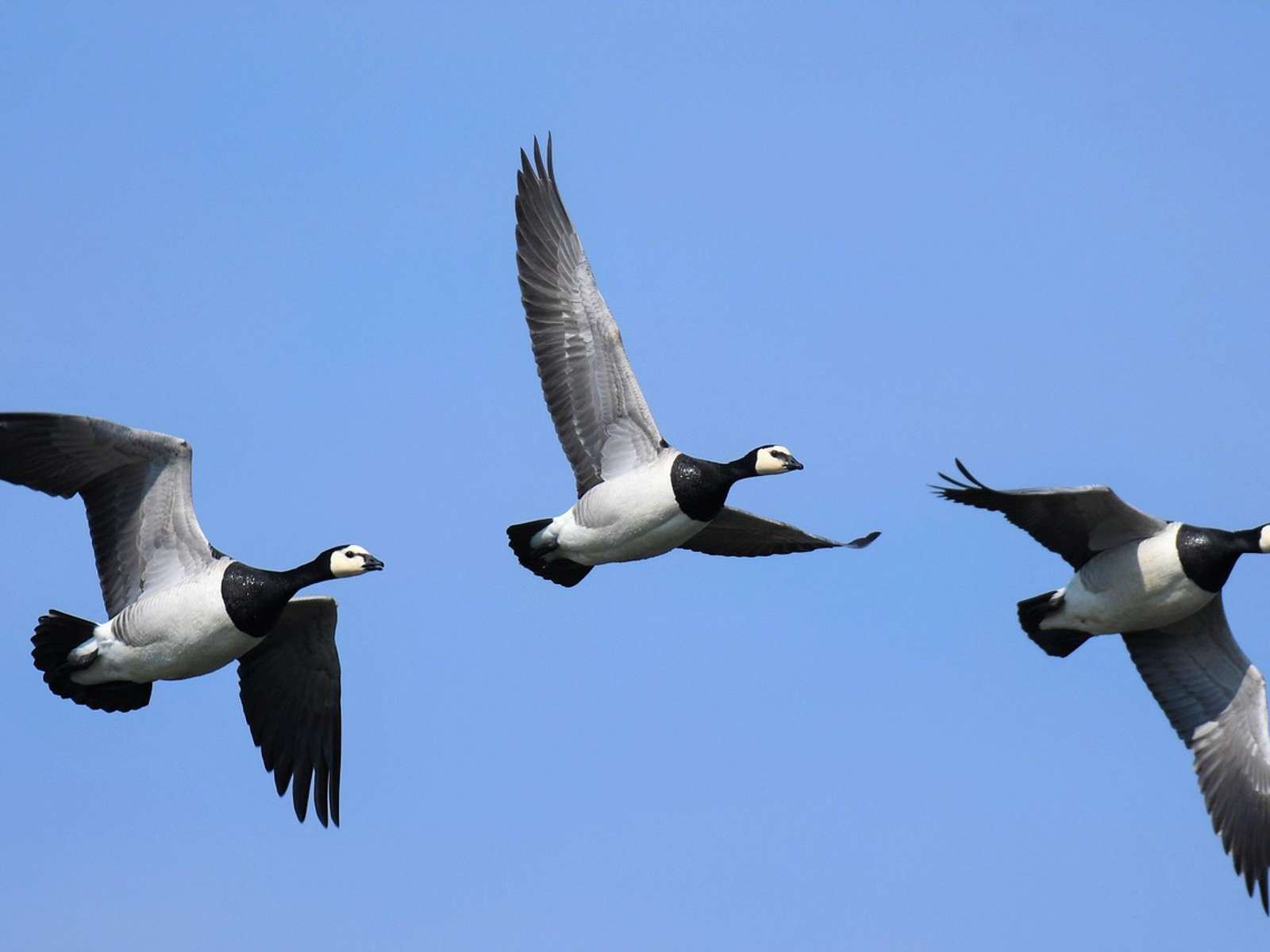
More than 23,000 volunteers count 4.8 million migrating birds in EuroBirdwatch 2026
Over one October weekend, more than 23,000 people at 927 events across Europe and Central Asia counted 4.8 million birds on autumn migration, with barnacle geese the most counted species.