More than 23,000 volunteers count 4.8 million migrating birds in EuroBirdwatch 2026
Over one October weekend, more than 23,000 people at 927 events across Europe and Central Asia counted 4.8 million birds on autumn migration, with barnacle geese the most counted species.
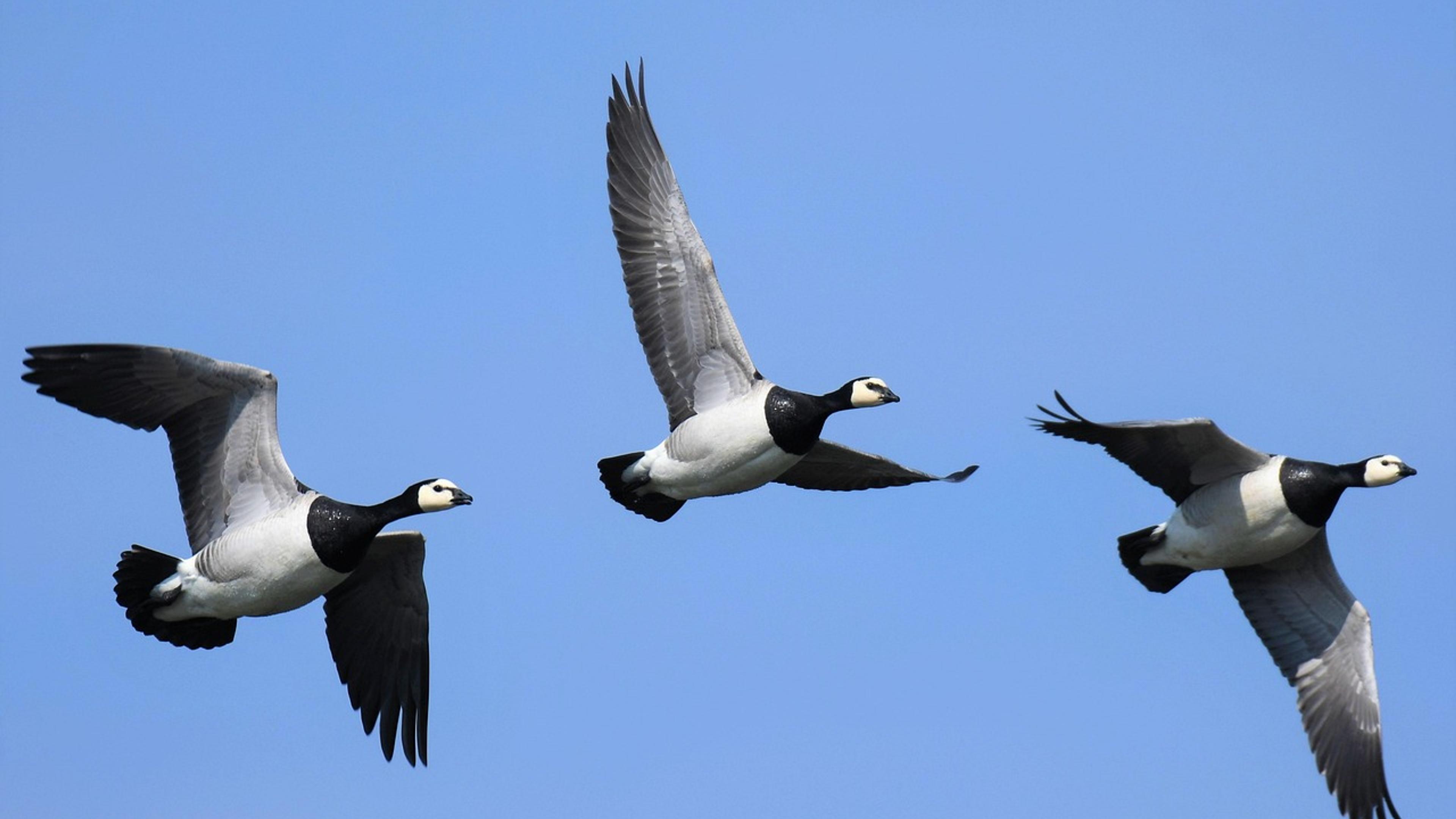
More than 23,000 people counted 4.8 million migrating birds on 3 and 4 October during EuroBirdwatch 2026, Europe's largest birdwatching event, BirdLife International reported. Twenty-eight national BirdLife partners hosted 927 events across Europe and Central Asia.
Barnacle geese topped the count with 750,000 birds
The most counted species was the barnacle goose, at 750,000 birds, followed by the common starling at 515,000 and the chaffinch at 428,000. Finland recorded the most birds by far, 1.6 million, ahead of Sweden with 742,877 and Hungary with 628,635.
Hungary was also the busiest country on the ground. BirdLife Hungary ran 176 events and drew 3,807 participants, the most of any partner. The Netherlands followed with 150 events, while Switzerland had the second-largest turnout with 3,414 people. BirdLife Slovakia collected, analysed and published the data.
Rare sightings ranged from Iraq babblers to king eiders
Volunteers also logged a long list of less common birds. Red-throated, Richard's and olive-backed pipits turned up in Belgium, Denmark and the Netherlands, and yellow-browed warblers in Denmark, Switzerland and Malta. Greece recorded at least 73 lesser white-fronted geese and Egyptian vultures, and the Netherlands reported a king eider.
Further east, participants in Iraq spotted Iraq babblers, see-see partridges, grey-headed swamphens and Dalmatian pelicans. Offshore counts added European storm petrels and Scopoli's shearwaters.
This year's total is well above recent counts
The 2026 total is higher than in recent years. In 2025, more than 27,000 people took part but counted just over 2.8 million birds, according to BirdLife, with the same top three species. Counts of this kind depend on weather, timing and how many sites take part, so year-to-year totals reflect the event as much as the migration itself.
Migration can also be helped along by people directly: Good News Daily has reported on northern bald ibises guided south by ultralight aircraft.
Like what you're reading?
Related stories
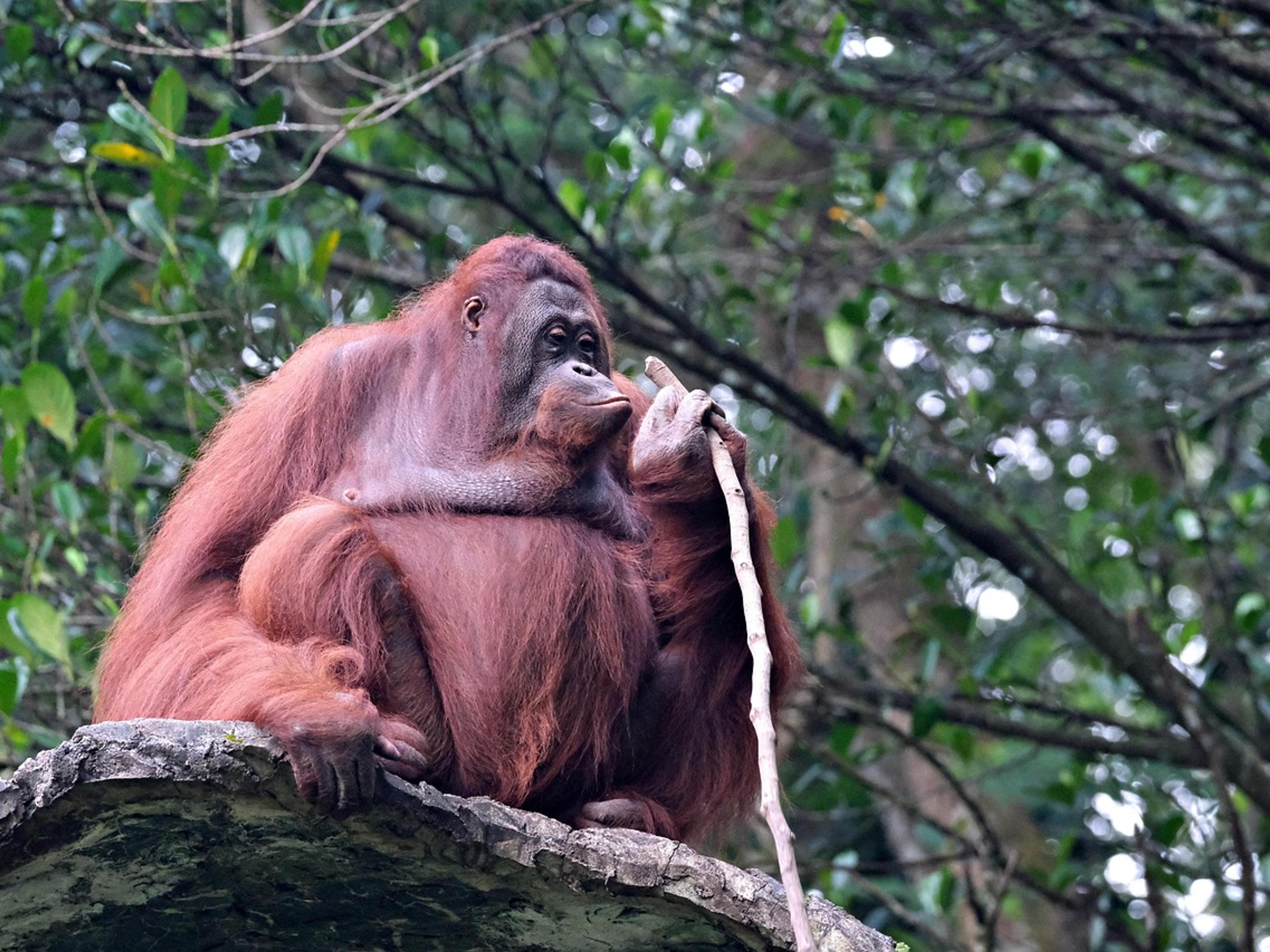
Villagers in Borneo Now Earn More From Wildlife Photos Than From Hunting
A program called KehatiKu pays villagers in Indonesian Borneo for verified wildlife photos and sightings, turning more than 800 former hunters into citizen conservationists tracking orangutans and other endangered species.

Forgotten 30-Year Experiment Finds Thinned Mountain Ash Forests Grew Bigger Trees
A long-neglected forestry trial in Victoria, Australia, found that heavily thinned mountain ash stands grew trees 20% wider than untouched forest and, within 30 years, stored as much or more carbon in their wood.

Galápagos Plant Recovers From Just Six Survivors After Decades-Long Rescue Effort
A critically endangered Galápagos plant has made a remarkable comeback, growing from just six known survivors into a recovering wild population after decades of dedicated conservation work.