A rarely seen Australian bat turns up 650 km from where it was last known, found by its call
An Australian Wildlife Conservancy ecologist recorded the call of the Arnhem sheath-tailed bat at Pungalina-Seven Emu Wildlife Sanctuary, more than 650 km east of its last known location. The species was first found in 1979.
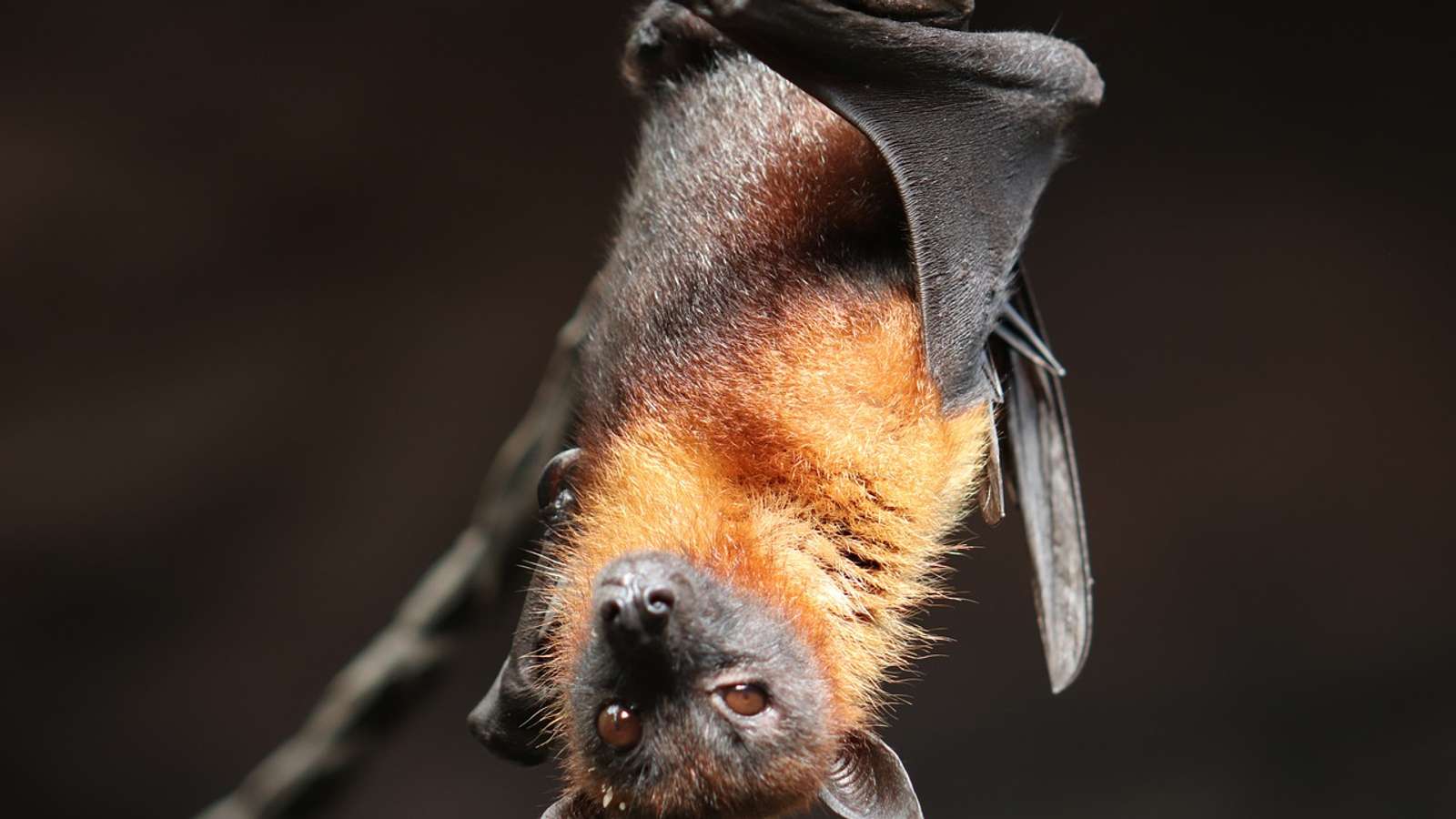
One of Australia's most rarely observed mammals has been found more than 650 km from where it was last known to live, the Australian Wildlife Conservancy (AWC) said on 31 October. The Arnhem sheath-tailed bat was detected at Pungalina-Seven Emu Wildlife Sanctuary, on the Gulf of Carpentaria coast in the Top End of the Northern Territory.
A bat known from very few places
The species was first discovered in 1979, and very little is known about it. Until now it had been recorded only along the western coast of the Northern Territory and in northwest Arnhem Land, with its most easterly record near Jabiru. Pungalina-Seven Emu lies on Yanyuwa and Waanyi-Garawa Country, and AWC has managed it for conservation since 2008.
Found by ear, not by sight
AWC wildlife ecologist Oli Aylen, the conservancy's resident bat specialist, whom colleagues have nicknamed “Batman,” had a handheld bat detector recording while his team set up canopy mist nets around mangroves during a bat survey. Back at base, he identified the species from its echolocation call, which scientists study as a spectrogram, an image of the sound. Dr. Damian Milne, a senior scientist at the Northern Territory Government's Flora and Fauna Division, confirmed the identification.
“The species has a really short echolocation call, which is highly unusual for bats that call at that frequency.” — Oli Aylen, Wildlife Ecologist, AWC
Rare, or just rarely seen?
Because so few records exist, scientists cannot yet say how the bat is doing. “Currently, we don't know if the Arnhem Sheath-tailed Bat is a rare species or if it's threatened and needs our help,” Aylen said. The new record extends the known range of the species by more than 650 km to the east.
AWC will now prioritize the species in its targeted Ecohealth surveys and hopes to find its roost sites, the places where the bats rest during the day. More stories from protected land and sea are collected under protected areas.
Sources
- Australian Wildlife Conservancy · australianwildlife.org
How we choose and verify sources: editorial policy.