Women-led herb farming beside a Thai tiger sanctuary grew from 21 to 88 households
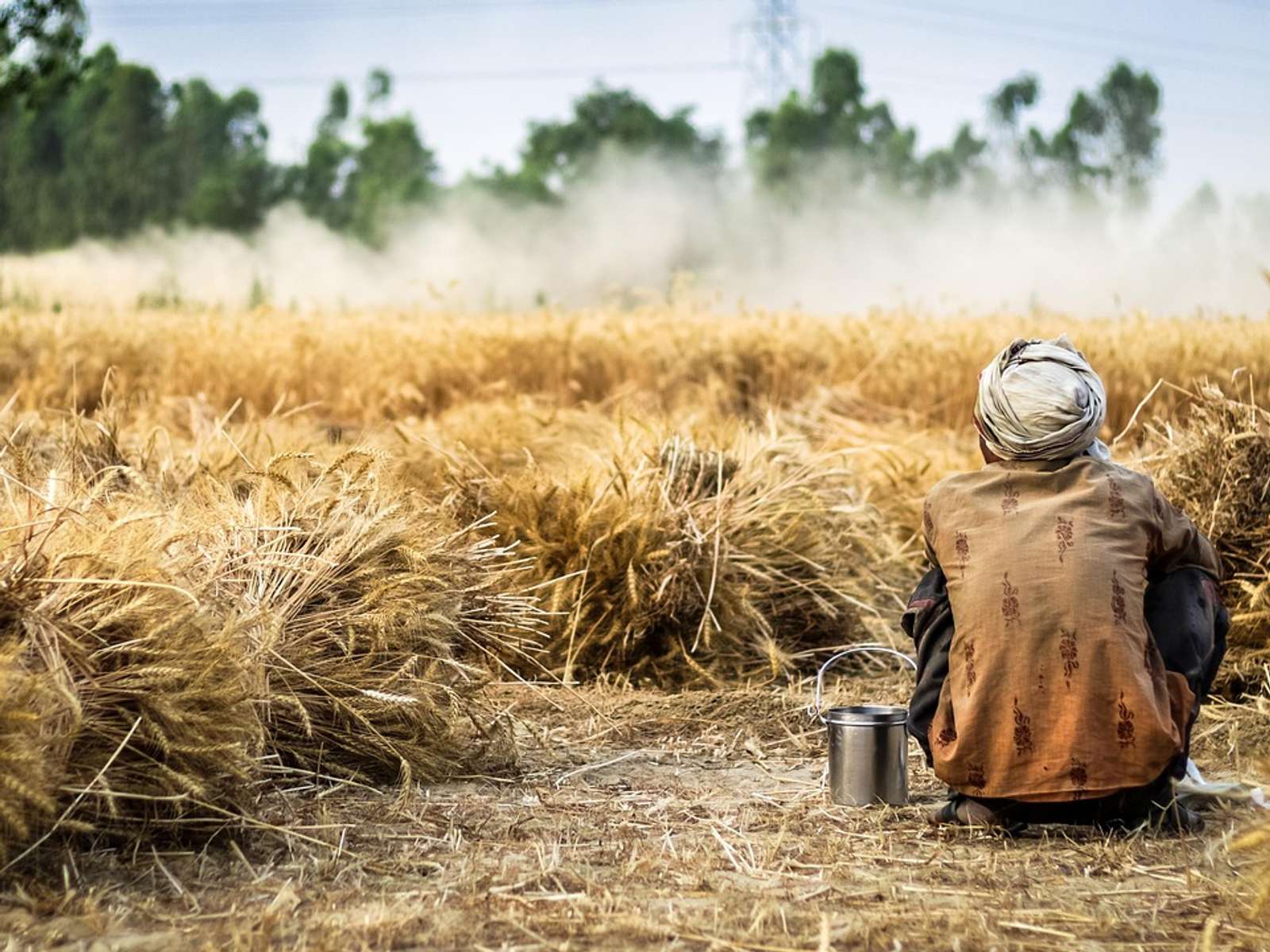
On the edge of Huai Kha Khaeng Wildlife Sanctuary in western Thailand, a women-led herbal network has grown from 21 to 88 households in about six years, earning more from less land and easing pressure on the forest, UNDP said.
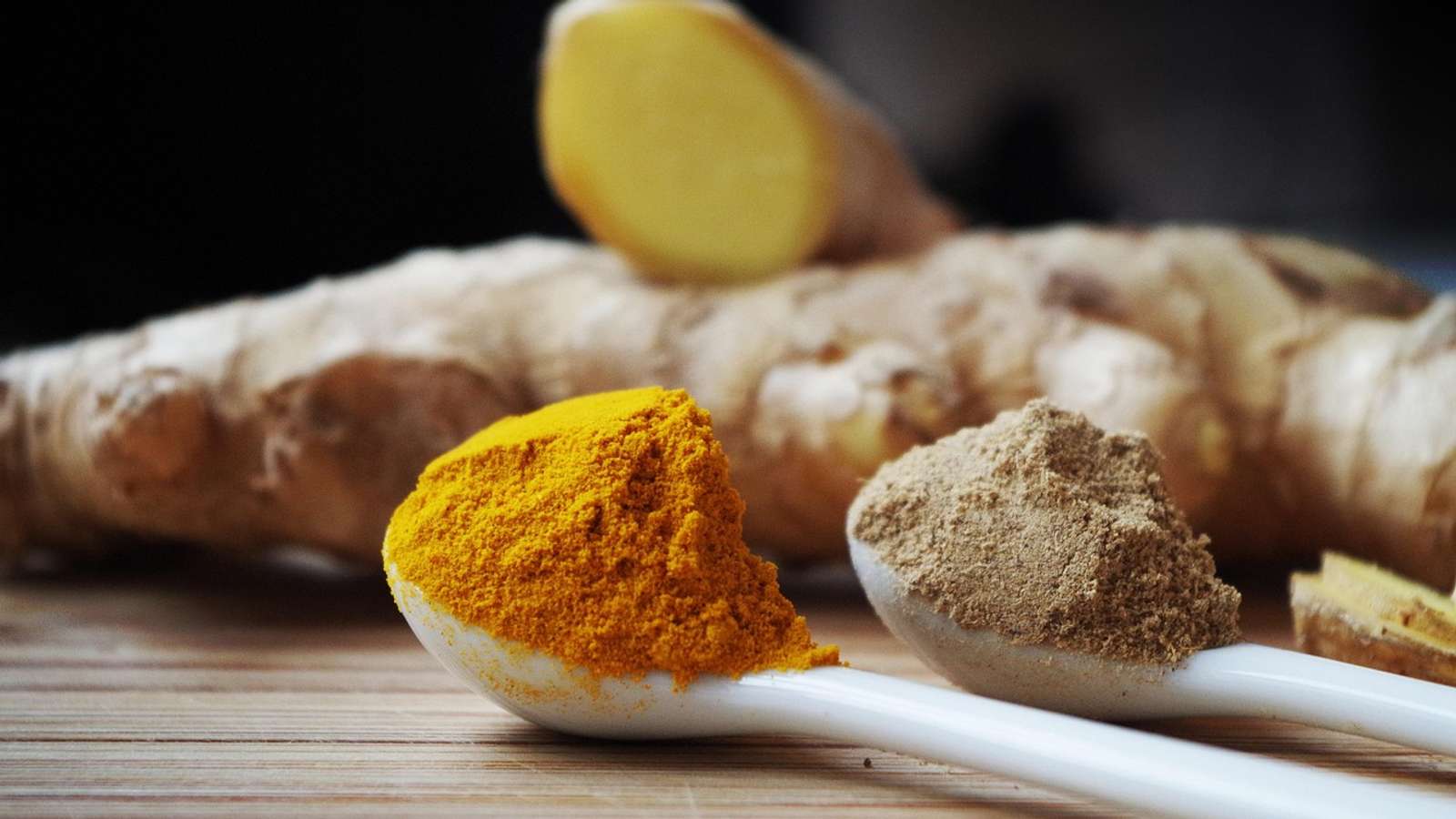
A women-led network growing medicinal herbs on the edge of Huai Kha Khaeng Wildlife Sanctuary in western Thailand has grown from 21 to 88 households in roughly six years, UNDP Thailand said. Members earn about 500 to 10,000 baht a month in extra income, and many have moved away from activities that depend on the forest.
Ten times the income from the same land
The Wildlife Friendly Community network started under a UNDP and Global Environment Facility tiger project. Women grow and process the herbs, develop products, run the community enterprise and get the goods to market, often working close to home around childcare.
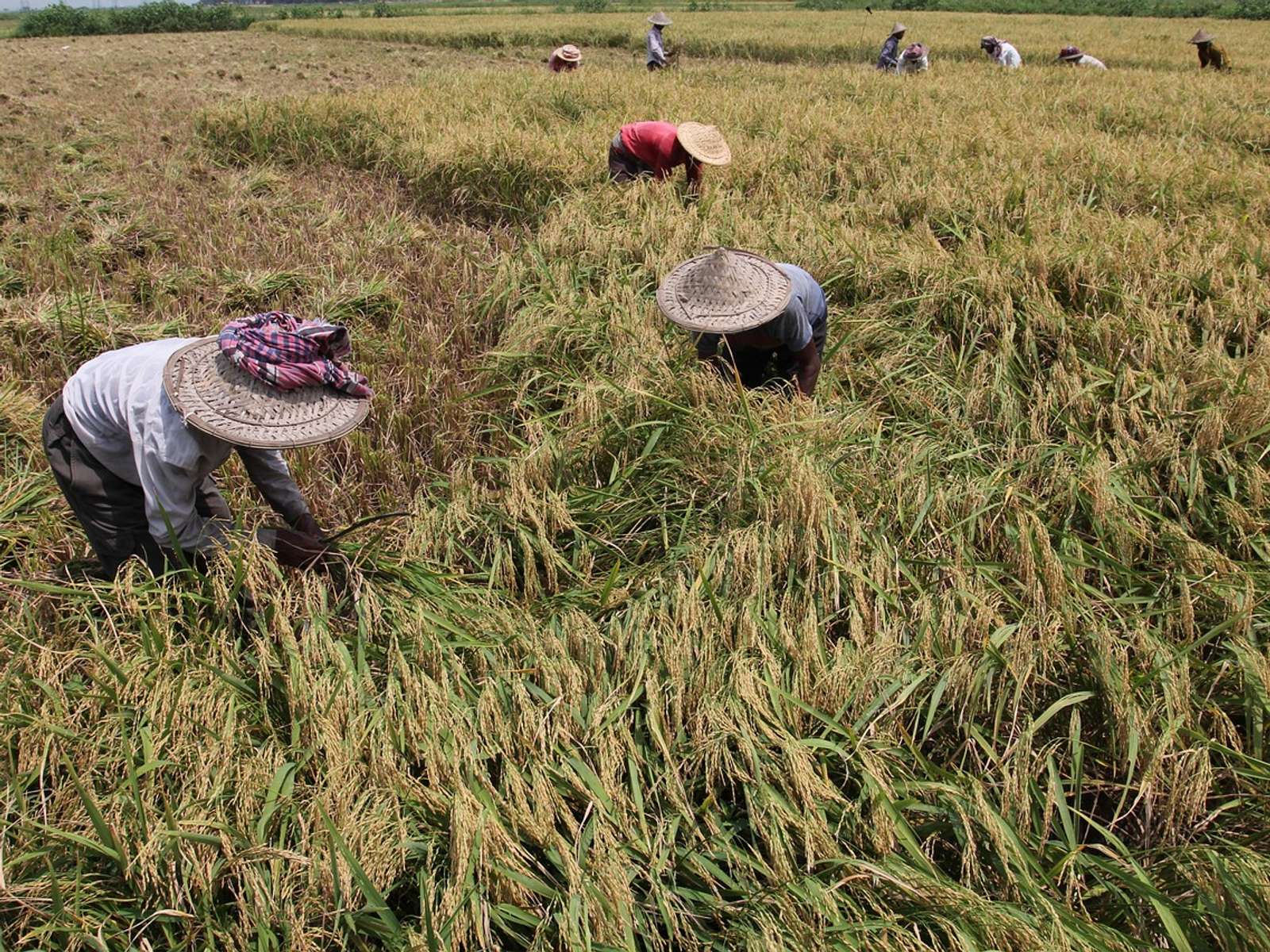
The economics are what make it work. In this area, certified high-value herbs can earn around ten times the income of maize or sugarcane from the same land, UNDP says, so one hectare of herbs can beat ten hectares of conventional crops. Herbs certified as organic under IFOAM standards can sell for up to four times the price of conventional dried herbs. The group has 234 rai, about 37 hectares, under herbs.
Some of the crops help with wildlife too. Plants with strong smells, such as turmeric, lemongrass and citrus, are less attractive to elephants, which reduces crop raiding.
Less pressure on one of Asia's great tiger forests
Huai Kha Khaeng is part of the Thungyai-Huai Kha Khaeng World Heritage site, which covers 622,200 hectares along the Myanmar border and is the largest conservation area in mainland Southeast Asia, according to UNESCO. Around its edges, many households grow maize and sugarcane, which take large areas of land and often involve chemical inputs and burning crop residue. Living that close to the forest brings people and wildlife into conflict, from elephants raiding fields to tigers taking livestock.
Higher income from less land gives households a real alternative. UNDP's argument is that conservation only lasts if people can make a decent living from the lower-impact option.
Paying communities for conservation-friendly work is being tried elsewhere in Asia too, as in Indonesian Borneo, where villagers are paid for verified wildlife photos instead of hunting.
Certification and finance are the next hurdles
The network sells through Jompa Community Co., Ltd. to the Chao Phraya Abhaibhubejhr Foundation and has supplied hospitals and online shops. Its plans include new herbal formulations, approval from the Thai Food and Drug Administration and better processing equipment. Gaps remain in branding, financial literacy and access to larger markets, UNDP said, and certification, processing machines and working capital all cost money.
UNDP's Tiger Landscapes Investment Facility, backed by Germany's International Climate Initiative and Cartier Philanthropy, is now helping the network scale up. UNDP has not said how much funding is involved or how many more households it aims to reach.
Sources
- UNDP Thailand · undp.org
- whc.unesco.org
How we choose and verify sources: editorial policy.
Your weekly dose of good news
The 5 biggest positive stories of the week, straight to your inbox. Free, no noise.
Like what you're reading?