10 verified stories from Indonesia, newest first. Each one links to the official source it is based on.
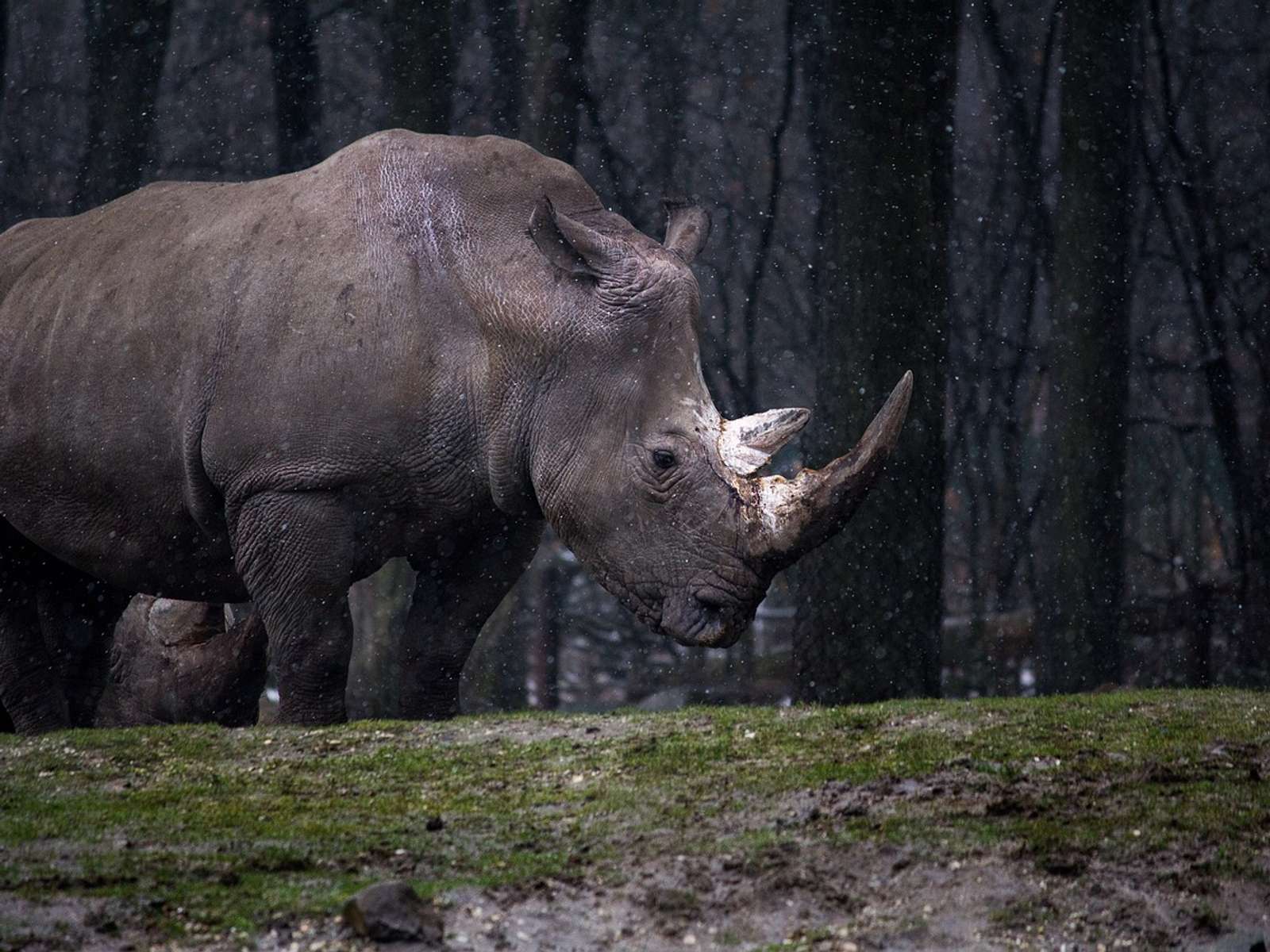
A camera trap in Indonesia's Ujung Kulon National Park recorded a Javan rhino calf about 1 to 2 months old on 10 October. It is the fifth calf of the female Desy, the Ministry of Forestry said. Fewer than 100 Javan rhinos are left.
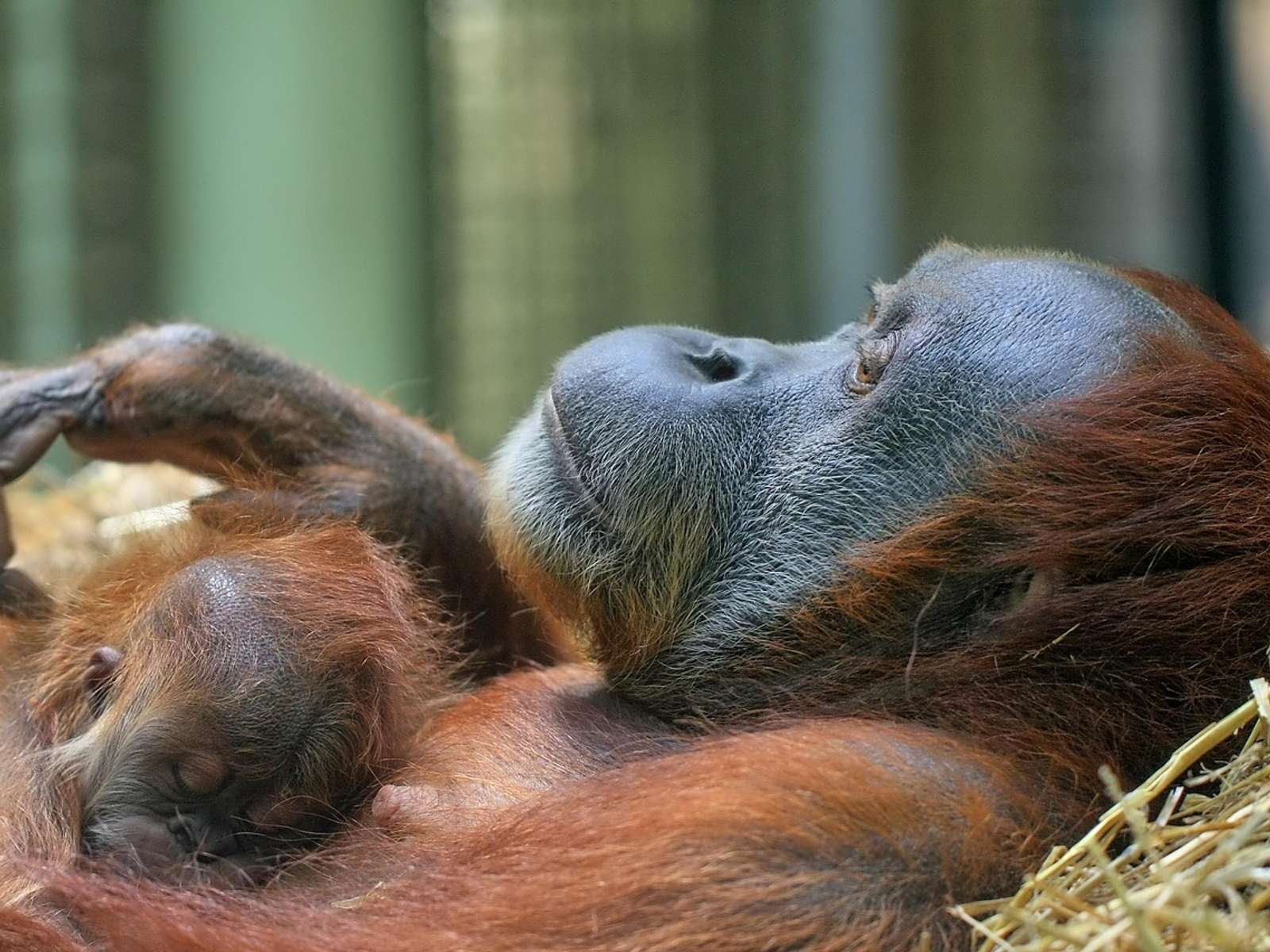
Nine orangutans, including four mothers with their young, were released into the Batu Nyambu protected forest in West Kalimantan after being rescued from wildfires in August and September and rehabilitated by YIARI.

A young male Sumatran orangutan rescued from an apartment near Mumbai in 2024 has been flown home to Indonesia. Renamed Heera, he will go through quarantine and rehabilitation at the Sumatran Rescue Alliance in North Sumatra.
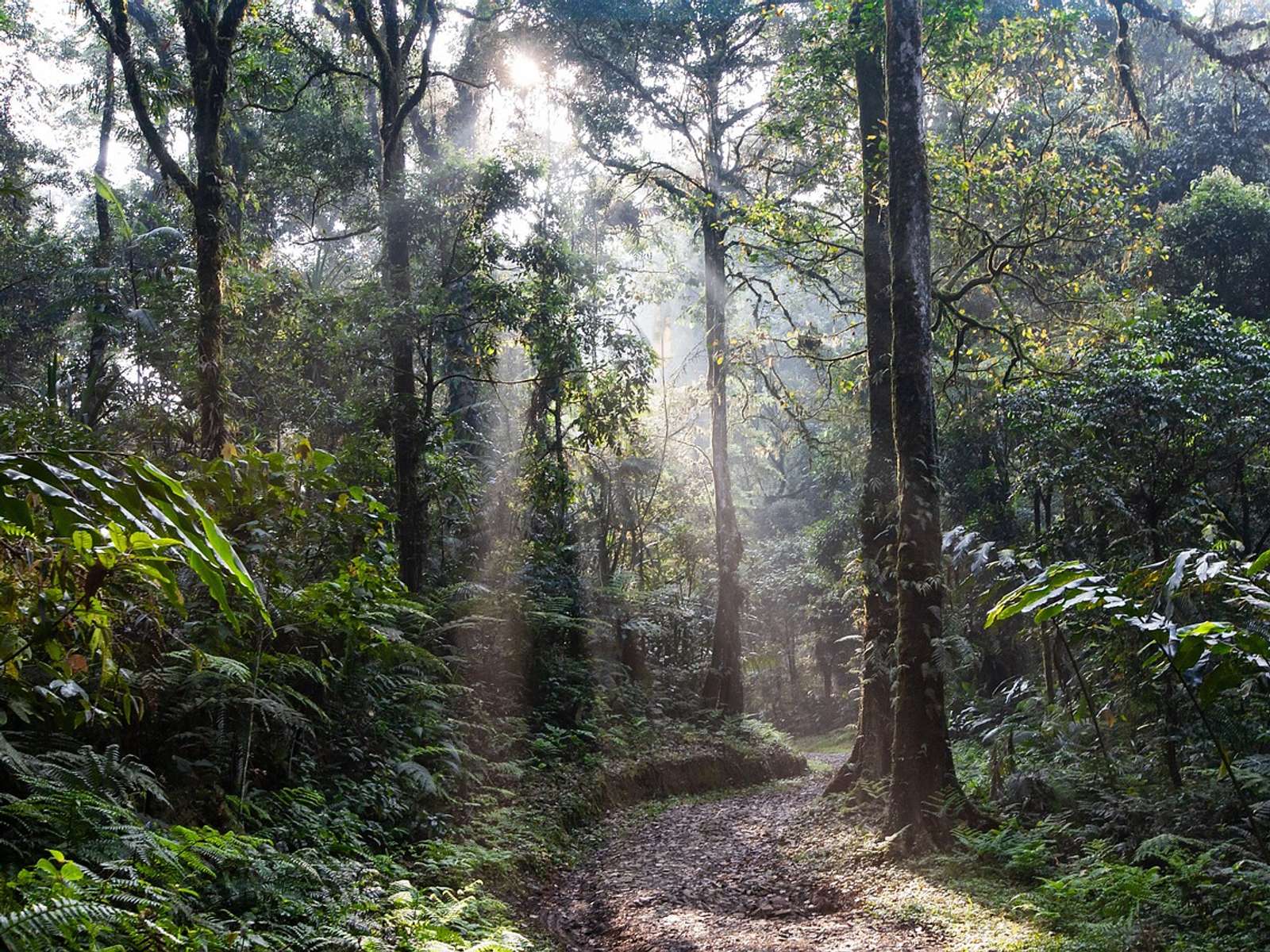
Rescue records from Alobi Wildlife Rescue Center show more than 90 Bangka slow lorises were rescued on Indonesia's Bangka Island between 2015 and 2025, proving a species missing from the scientific record since the 1930s survives.

Jasper, a two-year-old Belgian Malinois, has graduated into the IFAW-JAAN anti-poaching dog unit at Ujung Kulon National Park in Indonesia, the last home of the Javan rhino. In his final test he found two snares and illegal fishers.
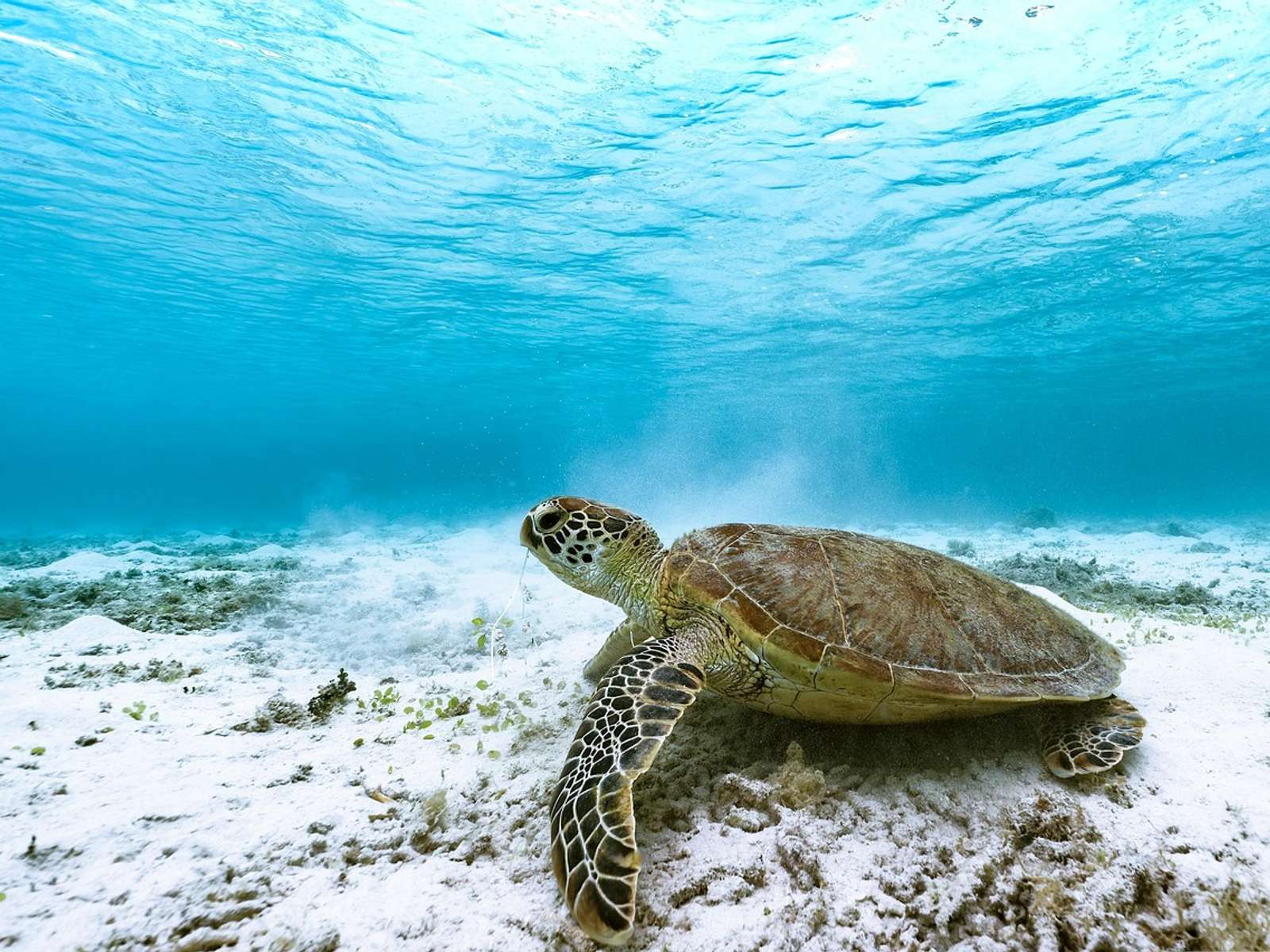
Fishermen reported an unmanned boat off Serangan Beach in Bali carrying 22 live green turtles. After vet checks, Indonesia's marine ministry released 20 of them on 13 October; two are still being treated.
Indonesia and UNDP launched the Sungai Lestari program in Bali to stop plastic reaching the sea. In Surabaya and Surakarta it has already removed 492 tonnes of waste from four rivers, paying groups only for verified results.

A two-year-old girl in South Papua, Indonesia, gained 2 kilograms and is walking and playing again after outpatient treatment for severe wasting with ready-to-use therapeutic food.

Rescue teams in Indonesia have saved dozens of orangutans from wildfires in Borneo and Sumatra in recent months, including a burned young female named Novita now in intensive care.
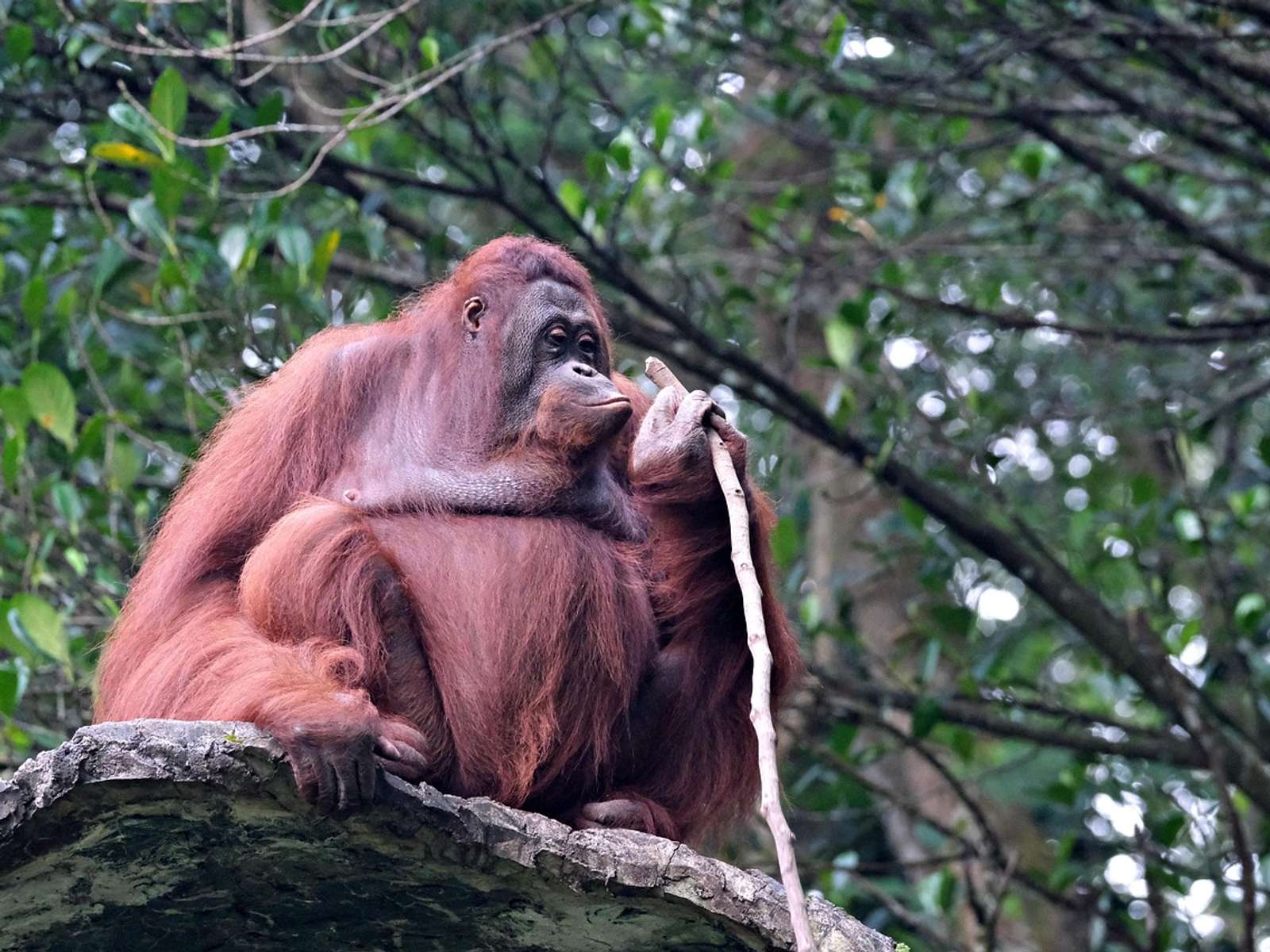
About 800 villagers in Indonesian Borneo are paid for verified photos and recordings of wildlife, from common birds to orangutans. The KehatiKu program has logged more than 300,000 observations, and two villages have banned hunting.