The Bangka slow loris, a venomous primate unrecorded by science since the 1930s, is still alive in Indonesia
Rescue records from Alobi Wildlife Rescue Center show more than 90 Bangka slow lorises were rescued on Indonesia's Bangka Island between 2015 and 2025, proving a species missing from the scientific record since the 1930s survives.
By Diego Callegari, Editor
· Indonesia · 2 min read
Source: Re:wild (on the study by Alobi Wildlife Rescue Center, Haus des Meeres and Taman Safari Prigen) ↗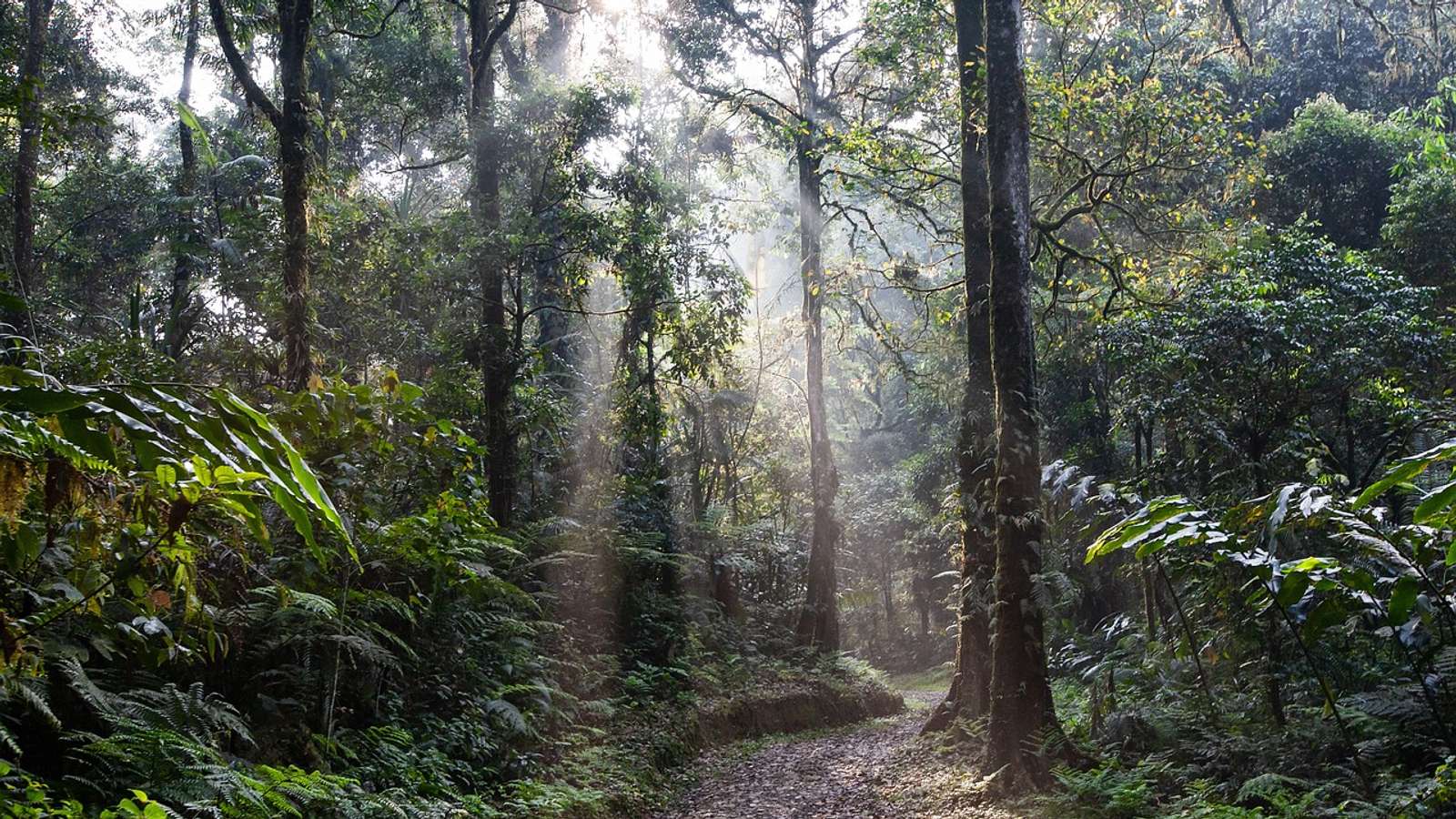
A small, venomous primate that had disappeared from the scientific record for almost a century is still living on Bangka Island in Indonesia, according to a study published in the journal Spixiana and announced by Re:wild on 20 October. The evidence came not from a field expedition but from the records of a local rescue center.
Alobi Wildlife Rescue Center rescued more than 90 Bangka slow lorises between 2015 and 2025, many of them reported by residents and local authorities. The animals were found in all four regencies of Bangka Island and in the city of Pangkal Pinang. Of those rescued, 86 recovered and were released at seven sites, mostly larger fragments of forest.
Described in 1906, then missing from the literature
The Bangka slow loris was first described scientifically in 1906 and recognized as a separate species in 2013, but it had not been documented in the scientific literature since the 1930s. The study was written by Alobi together with the Haus des Meeres Aqua Terra Zoo in Vienna and the Taman Safari Prigen Conservation Breeding Ark in Indonesia.
“We are glad to contribute to the scientific record to show that the Bangka slow loris is not lost.” — Langka Sani, director of Alobi Wildlife Rescue Center
Slow lorises are the only known venomous primates. They lick a gland on the inside of the upper arm and mix the secretion with saliva, which makes their bite painful and can cause swelling, according to Re:wild.
Still Critically Endangered, and losing habitat
Finding the animals does not mean they are safe. The species is listed as Critically Endangered (Possibly Extinct) on the IUCN Red List, the highest risk category short of extinction; our explainer on the Red List categories sets out what each level means. On Bangka, the lorises face illegal tin mining, clearing for oil palm plantations, new settlements, roads and power lines, and the pet trade, the study's authors said.
“Its natural habitat on Bangka Island has shrunk significantly,” Sani said. That the animals were found through rescues, many of them after being reported by residents, also suggests how close they live to people and to the threats that come with that.
Species written off as lost do turn up again. In California, the Pacific pocket mouse, once thought extinct, was rediscovered in 1993 and now lives in three reintroduced populations.
Surveys and a breeding program come next
The authors call for population surveys, genetic studies and tracking of how released lorises fare in the forest. They also recommend protecting habitat, running releases under IUCN guidelines with monitoring, and starting a conservation breeding program. “The next challenge is to make sure it does not actually become extinct,” said co-author Timon Glaw of Haus des Meeres.
Sources
- Re:wild (on the study by Alobi Wildlife Rescue Center, Haus des Meeres and Taman Safari Prigen) · rewild.org
How we choose and verify sources: editorial policy.