8 verified stories from Canada, newest first. Each one links to the official source it is based on.
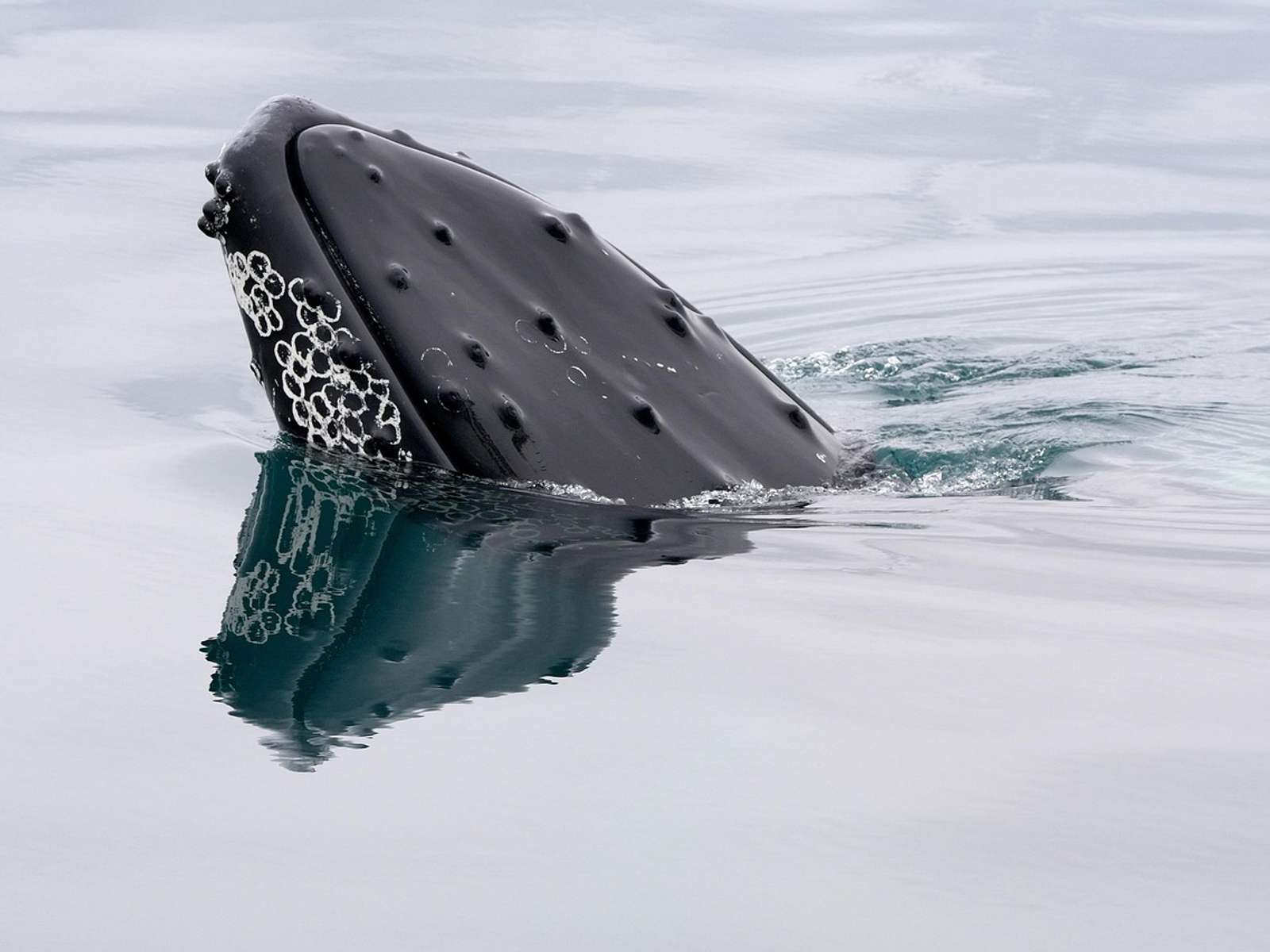
Researchers photographed a right whale mother and an unknown calf near Anticosti Island, Quebec, on 25 September. The New England Aquarium says it is likely the 24th calf of the 2025-2026 season, for a species of about 380 whales.

In the RESET for Remission trial in Canada and the UK, 54% of adults aged 18 to 45 with type 2 diabetes reached remission after a low-calorie diet and supervised exercise, against 4% with usual care.
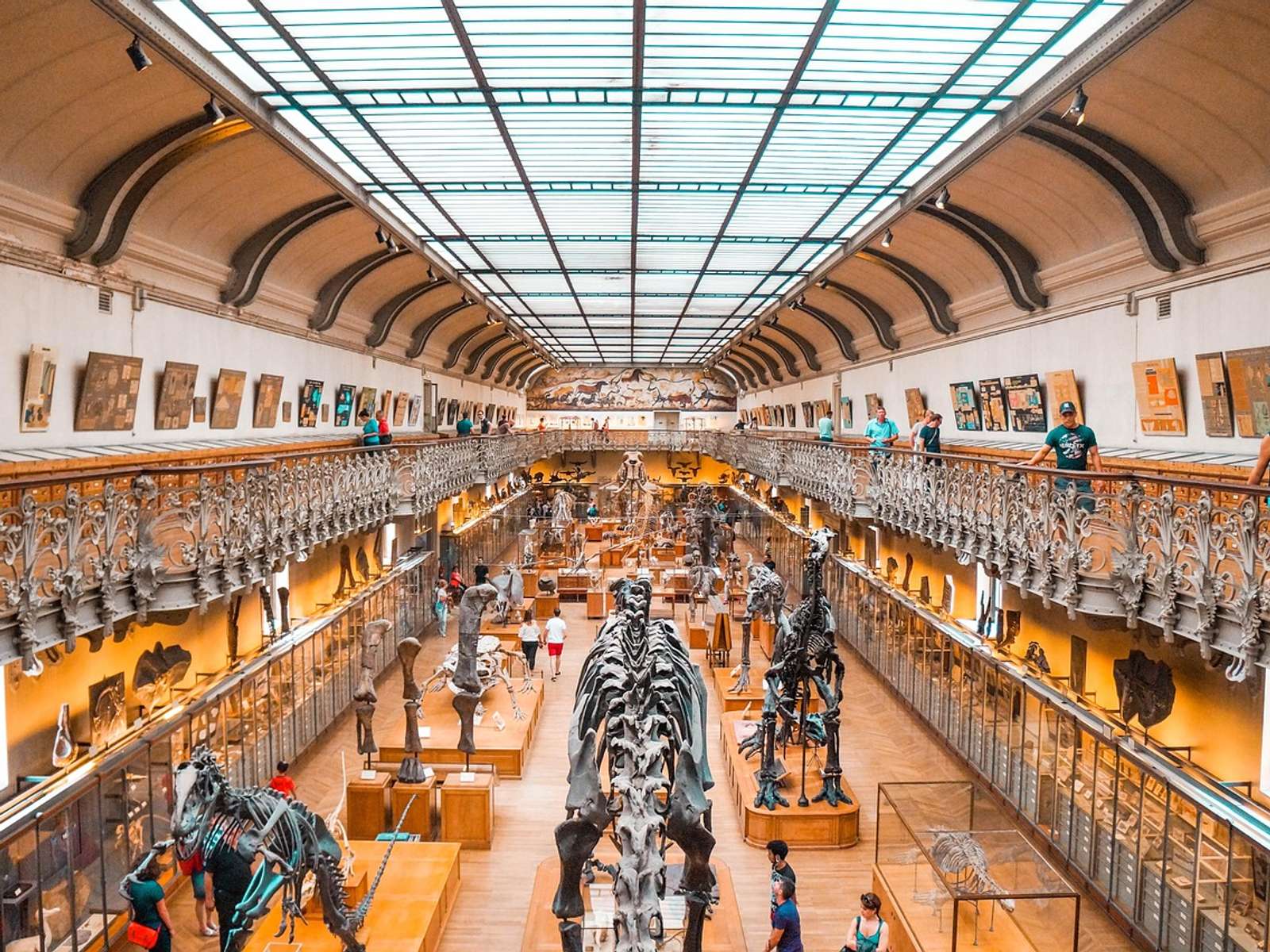
Infernogallus jamesi, a toothless, feathered dinosaur from the Hell Creek Formation, had jaw muscles arranged like those of fruit-eating parrots, researchers from the Royal Ontario Museum and Stony Brook University report in Nature Communications.
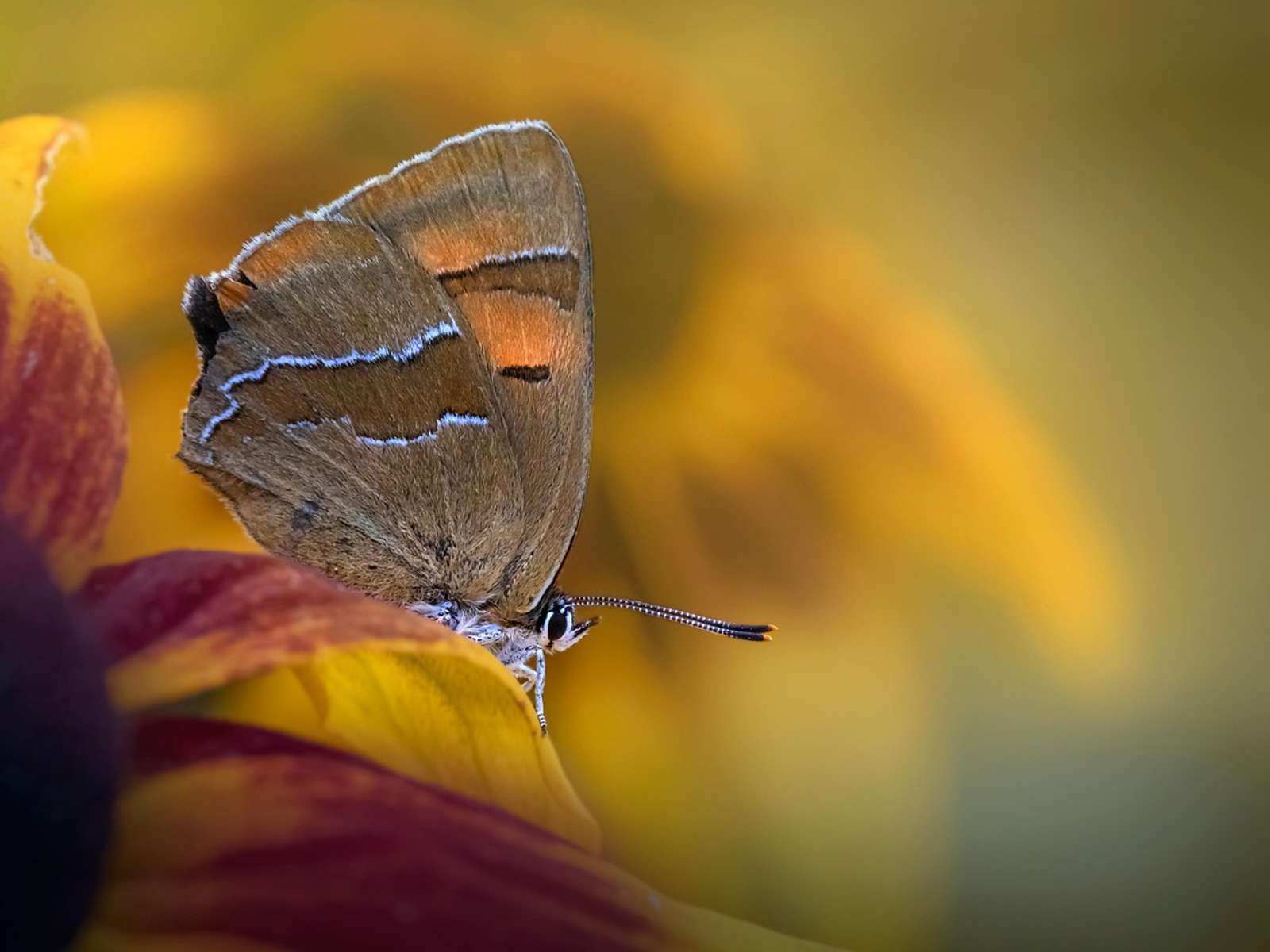
The University of Guelph leads a $2.4 million national project to recover the mottled duskywing, the frosted elfin, missing from Canada since the 1990s, and the curiously isolated hairstreak, known from one site in Alberta.
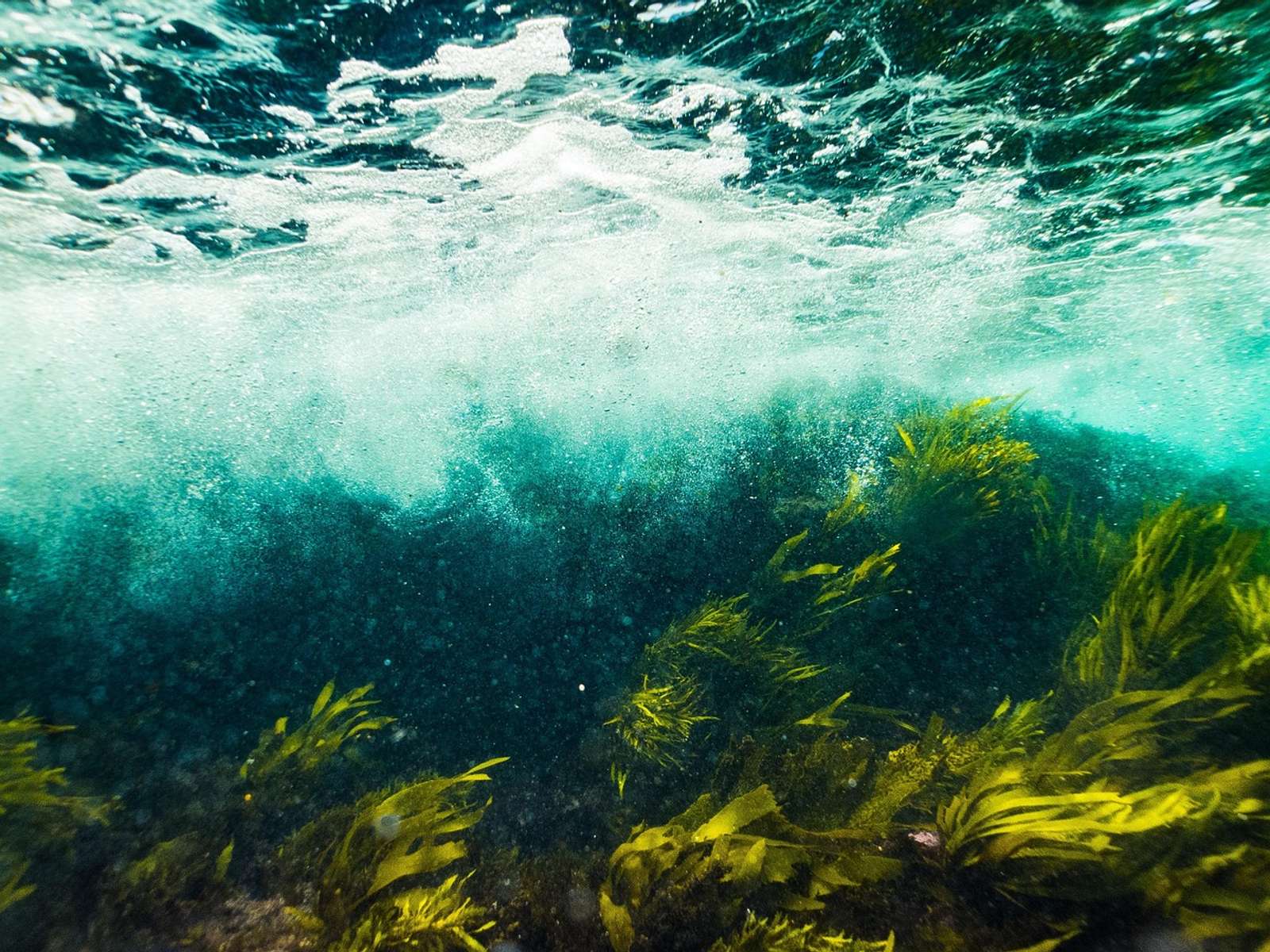
The Tla-o-qui-aht First Nation, Redd Fish Restoration Society and West Coast Kelp have restored about 4,200 square meters of kelp in Clayoquot Sound since early 2026, using floating nurseries out of reach of sea urchins.
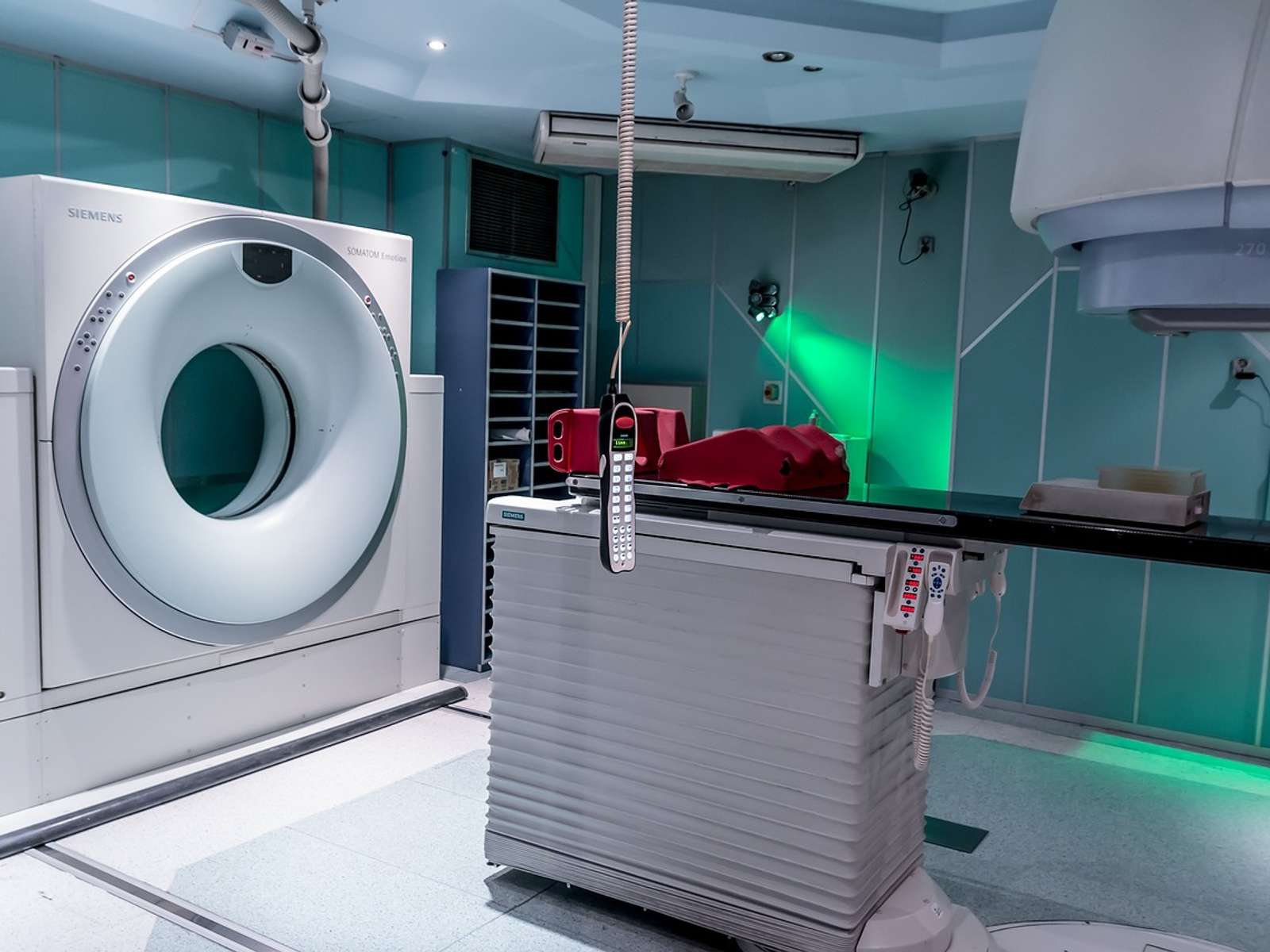
In a University of Calgary trial, 82% of 24 glioblastoma patients given high-dose niacin with standard treatment had no cancer progression after six months, against about 54% in earlier studies. The trial is small and has no control group.

In a randomized trial of adults under 45, 54% of those on a low-calorie diet with supervised exercise reached type 2 diabetes remission at 24 weeks, versus 4% receiving usual care, researchers at McGill and Leicester report.
The 18th Burgers to Beat MS campaign raised $1.56 million for MS Canada this summer, bringing the partnership's total close to $25 million. Canada has one of the highest MS rates in the world.