900 families in Ethiopia's Afar region now have water taps at home
In Berehale, a town in Ethiopia's Afar region, 900 families now have water connected to their homes through a solar-pumped network for refugees and host communities, supported by UNICEF under the Dutch-funded PROSPECTS partnership.
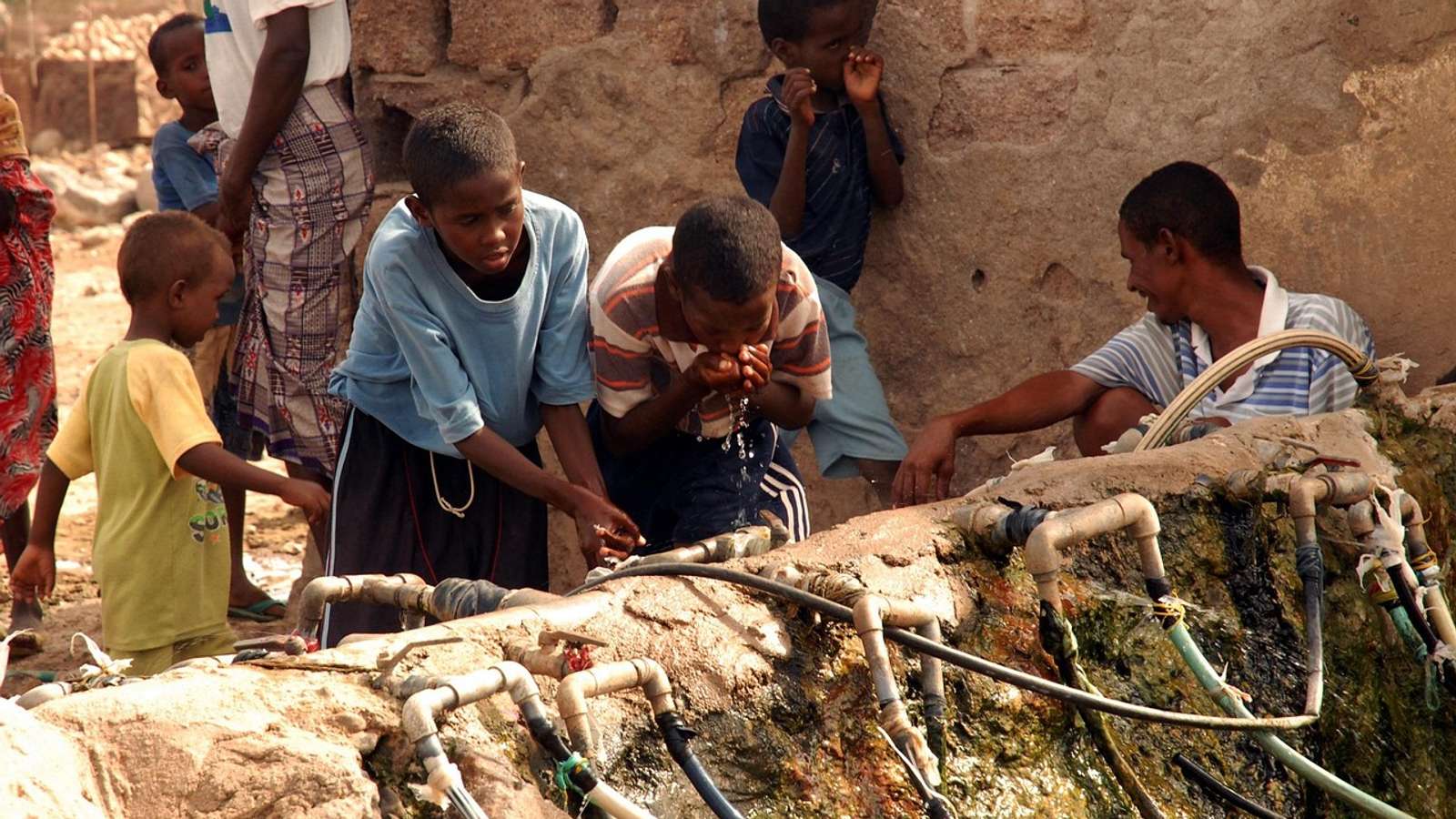
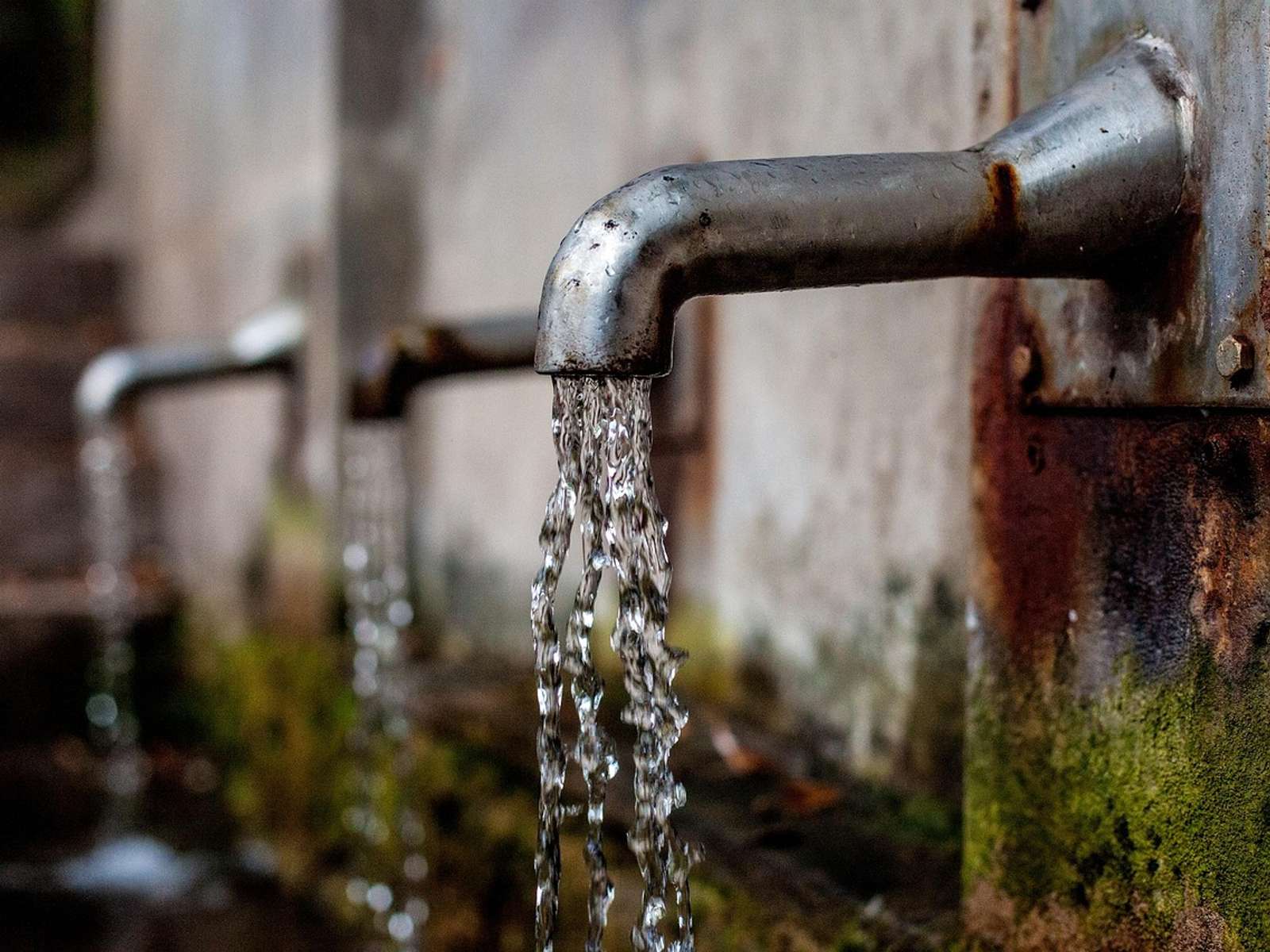
Nine hundred families in Berehale, a town in Ethiopia's Afar region, now have water piped to their homes, UNICEF Ethiopia said on 13 October. The network serves both refugees and the host community, and it is still expanding.
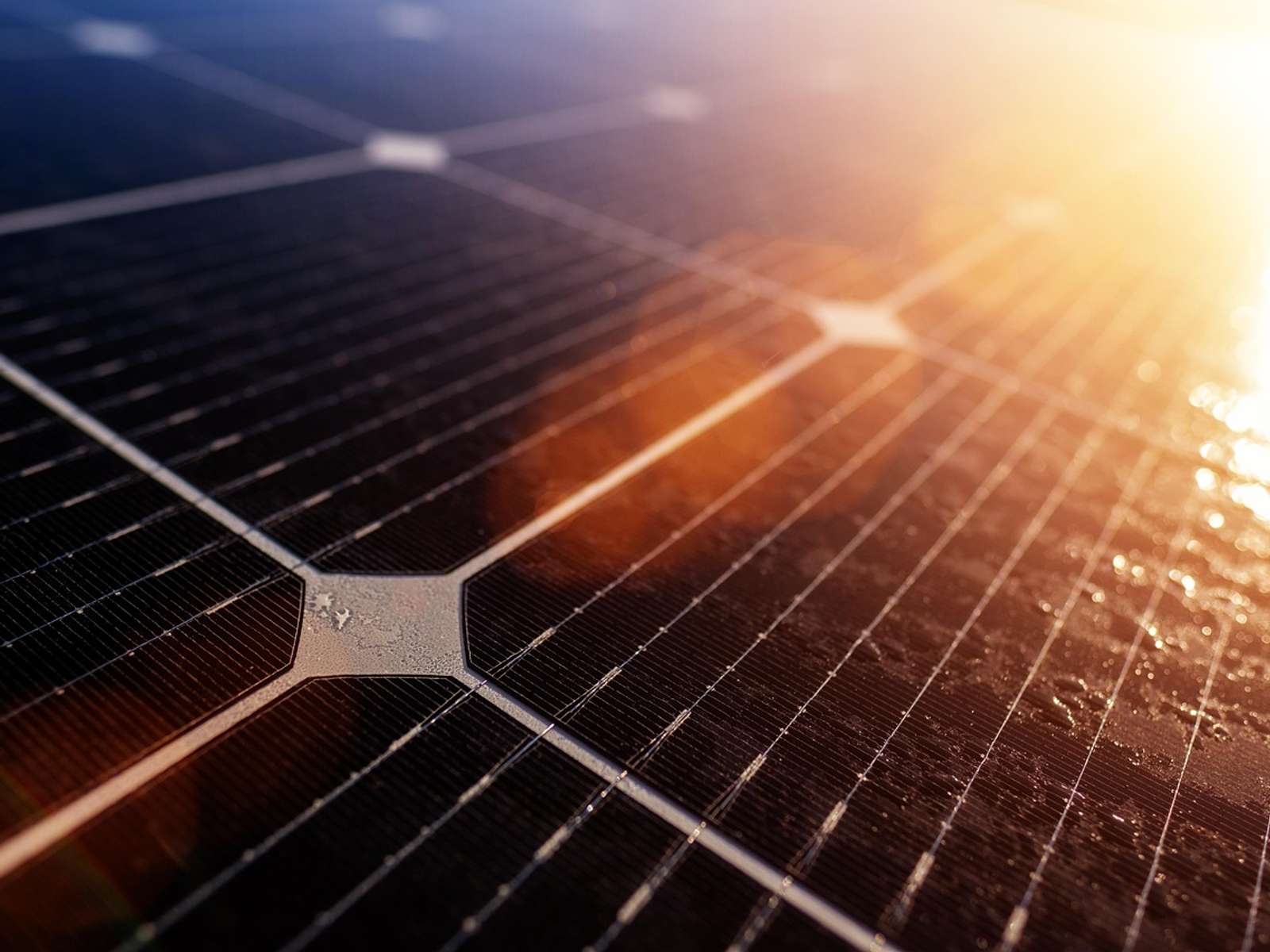
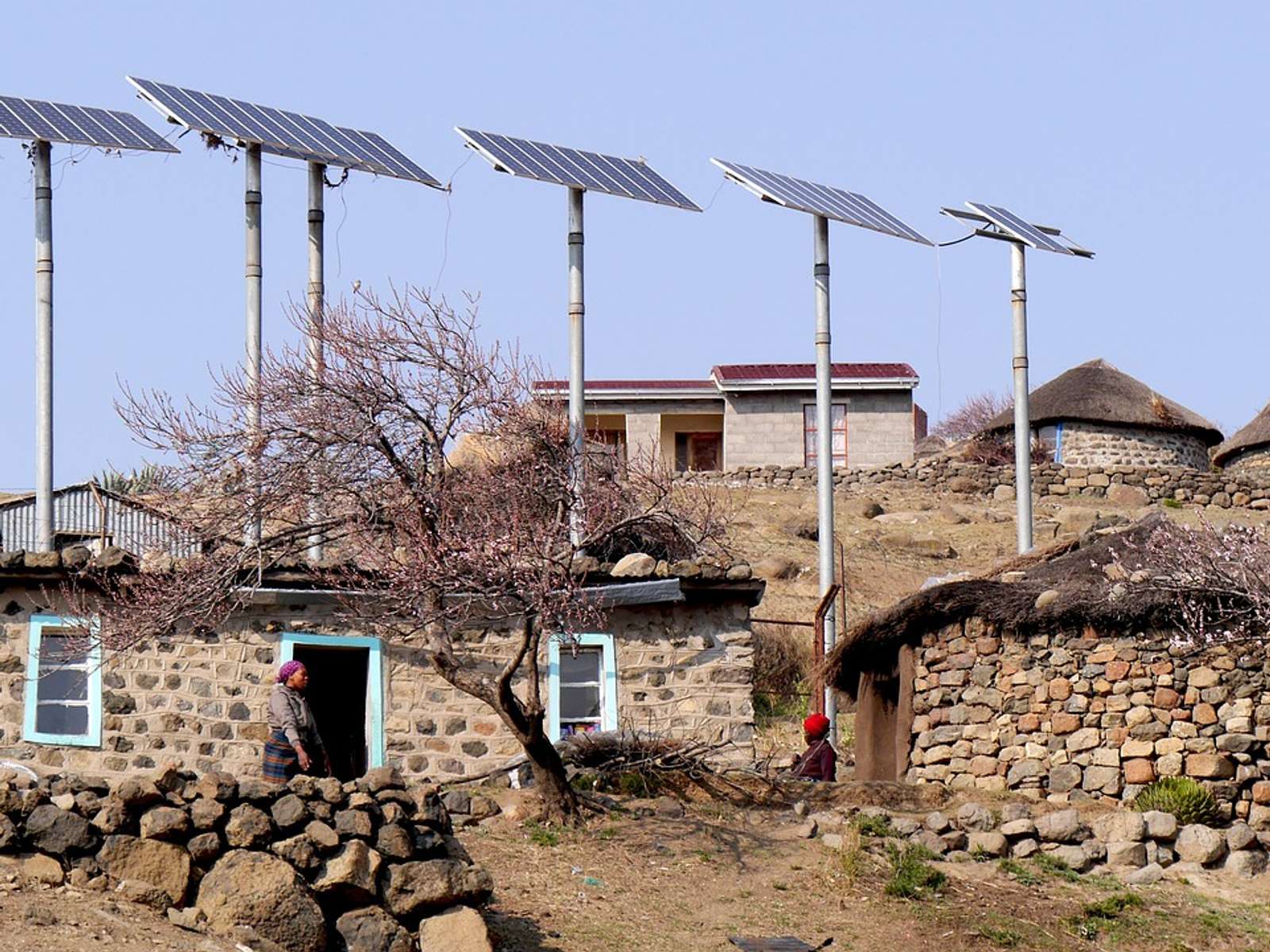
The system starts with old boreholes that were rehabilitated and fitted with solar-powered pumps. They push water uphill into two large reservoirs, and from there an extended distribution network carries it across town to household connections.
Solar pumps feeding storage tanks have become a common fix in dry areas with unreliable power. The same setup is behind six new water points in Kenya's Garissa County, which we reported on earlier this week.
No more jerrycan at dawn
For Rawda Kalil, a mother of three boys, the change shows up first thing in the morning. Her youngest, Mohammed, is 18 months old, and her younger sister Medina, a fourth-grade student, lives with the family.
“I don’t have to worry about carrying a jerrycan when I wake up each day.” — Rawda Kalil, Berehale resident
She told UNICEF that hygiene has become easier as well. “Having water at home makes it easier for me to keep my children clean and healthy,” she said.
Part of a Dutch-funded program for refugees and the towns that host them
The project runs under PROSPECTS, a partnership financed by the government of the Netherlands that brings together UNICEF, UNHCR, the International Labour Organization, the IFC and the World Bank. Its second phase in Ethiopia, launched in March 2024 and running until 2027, covers education, jobs, protection and critical infrastructure, including water and sanitation.
Ethiopia is the third-largest refugee-hosting country in Africa, with most refugees coming from South Sudan, Somalia, Eritrea and Sudan, according to UNICEF. Programs like PROSPECTS aim to serve refugees and the local population with the same schools, clinics and water systems rather than with separate camp services.
UNICEF's account does not give the cost of the Berehale network, how many people live in the 900 connected households, or how many more homes the expansion will reach. It also does not say who will pay for maintenance once the project phase ends.
Sources
- UNICEF Ethiopia · unicef.org
- unicef.org
How we choose and verify sources: editorial policy.
Your weekly dose of good news
The 5 biggest positive stories of the week, straight to your inbox. Free, no noise.
Like what you're reading?