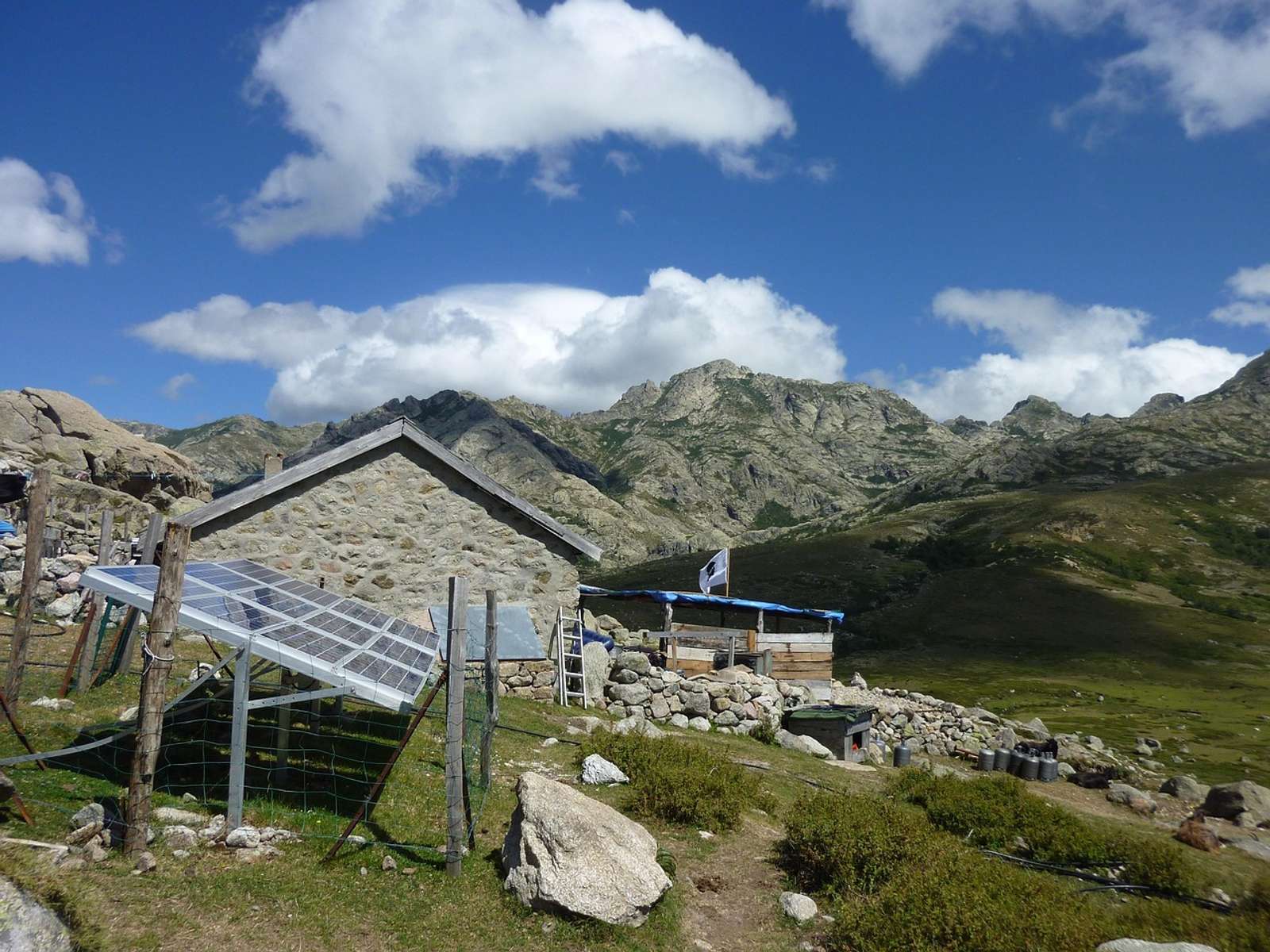
The number of people using off-grid solar rose 26% to 149 million between 2023 and 2025, according to a report by the World Bank's ESMAP and GOGLA. The sector employs 219,000 people, and 655 million still lack electricity.
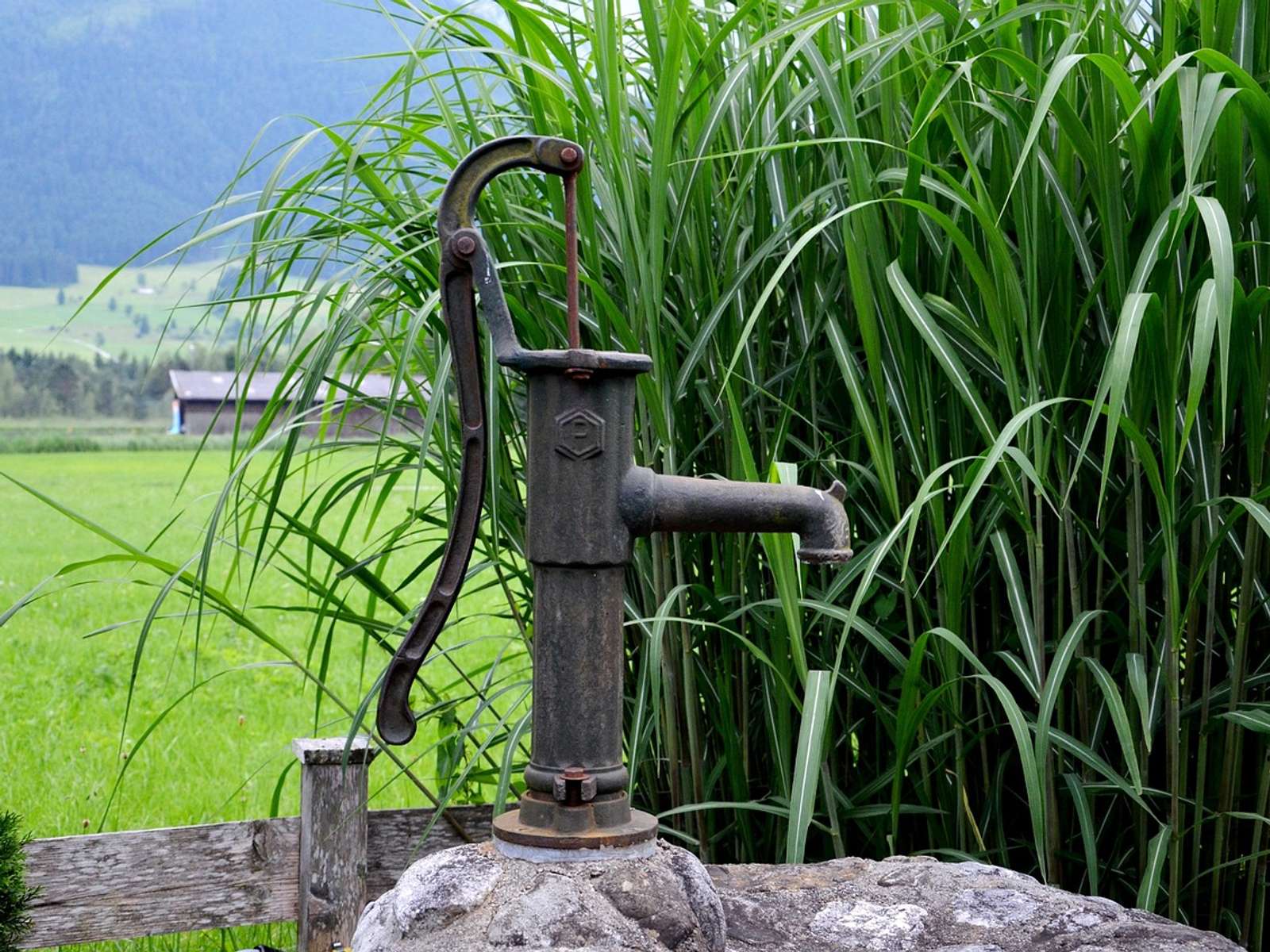
With funding from the Republic of Korea, UNICEF has built 19 boreholes, solar-powered pumps, reservoirs and pipe networks in climate-vulnerable communities including Ghor province, reaching over 39,000 children and their families.
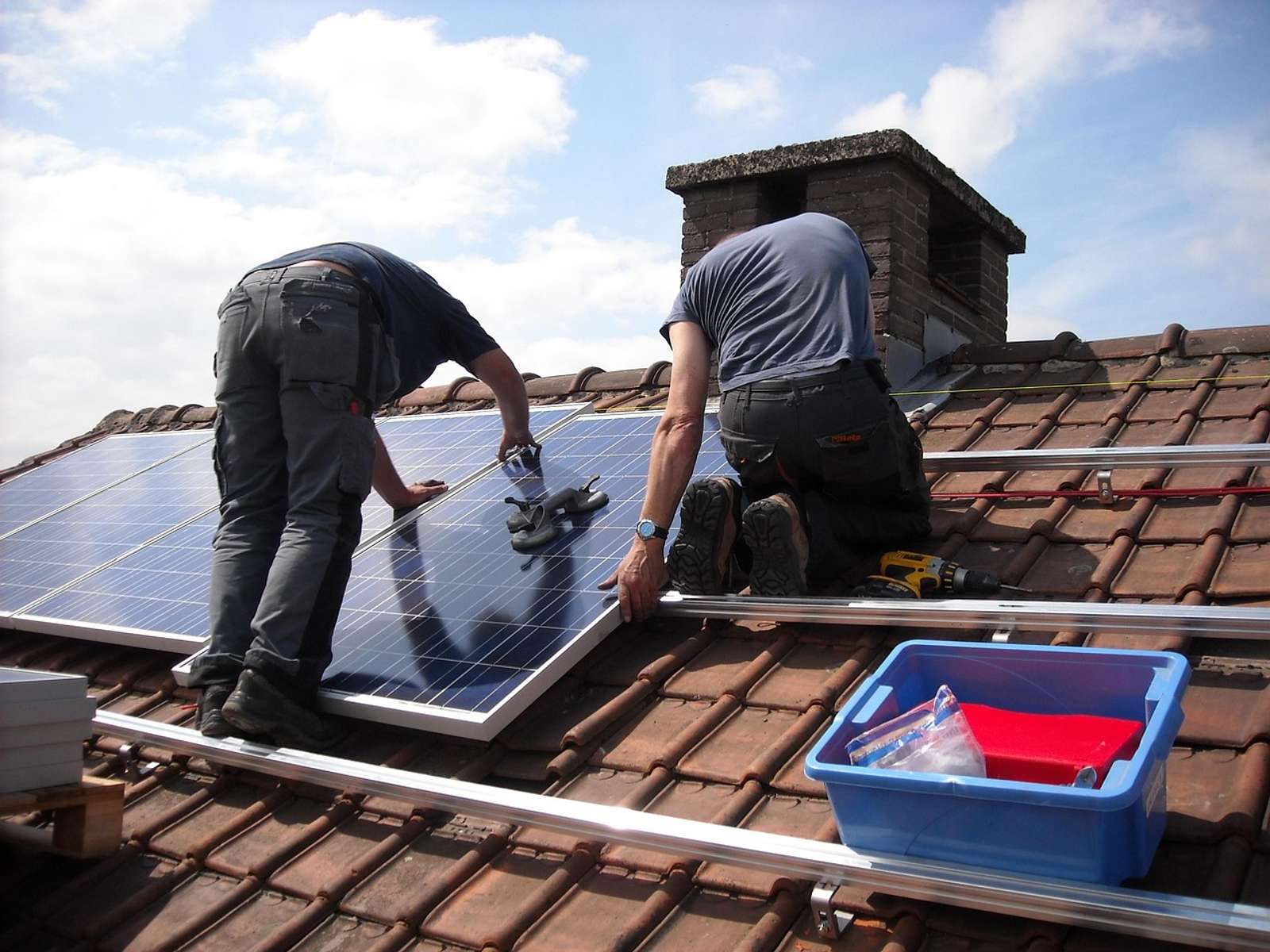
In Cambodia's Ratanakiri province, Indigenous students are learning to install and maintain solar systems through UNICEF's Youth Solar (YOSO) program. About 2,600 students in Ratanakiri and Preah Vihear are expected to take part in 2026.
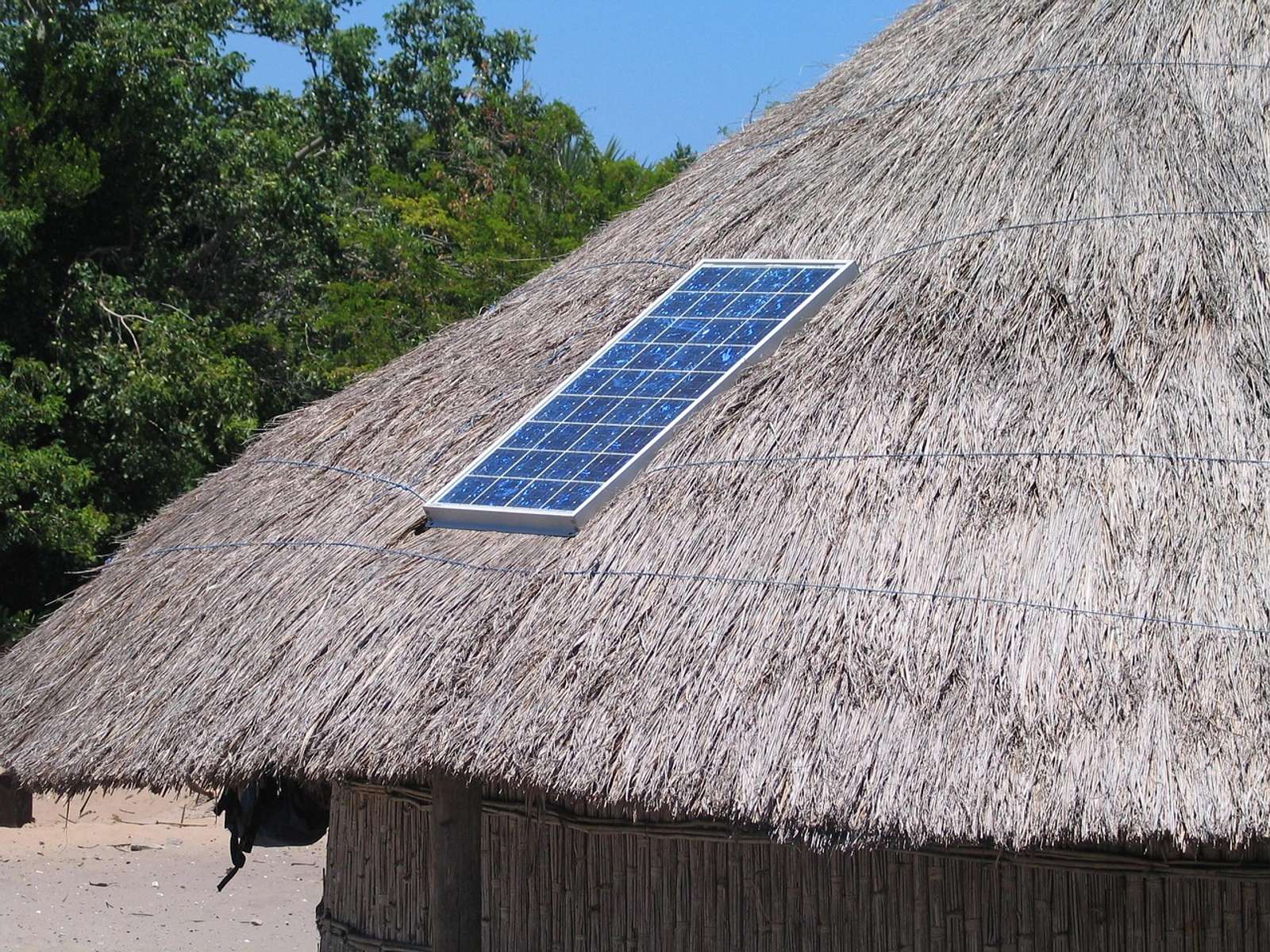
A solar system handed over by UNICEF with KOICA funding now powers the health center, a school and the community center in Vila Maumeta on Atauro, serving 2,155 residents. Vaccine fridges and emergency care no longer stop at midnight.
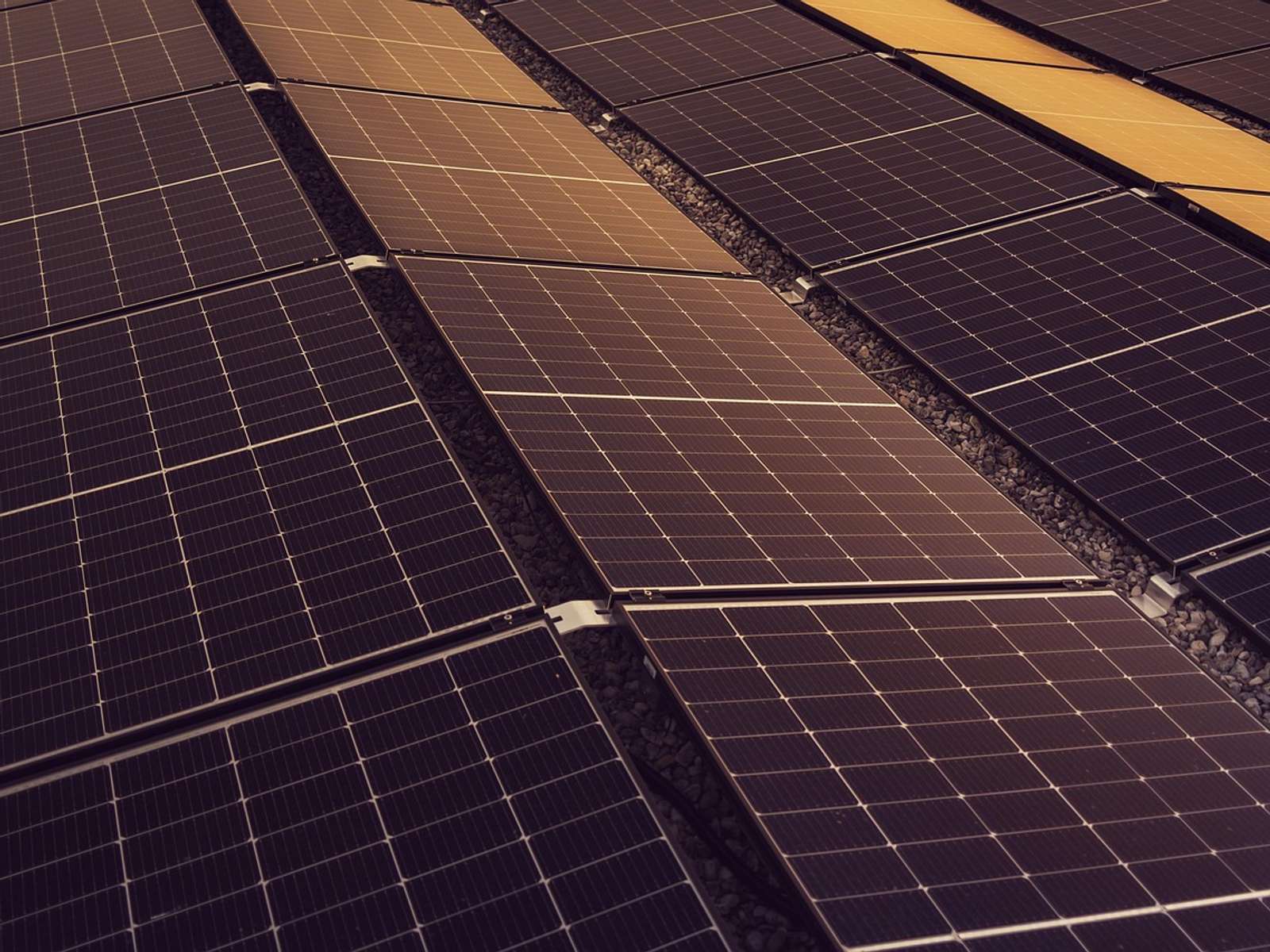
Between January and October 2026, more than one million people in Niger gained electricity through the World Bank-backed Haské project, in a country where about 23% of people had power in 2024. The target is 2.5 million by 2027.
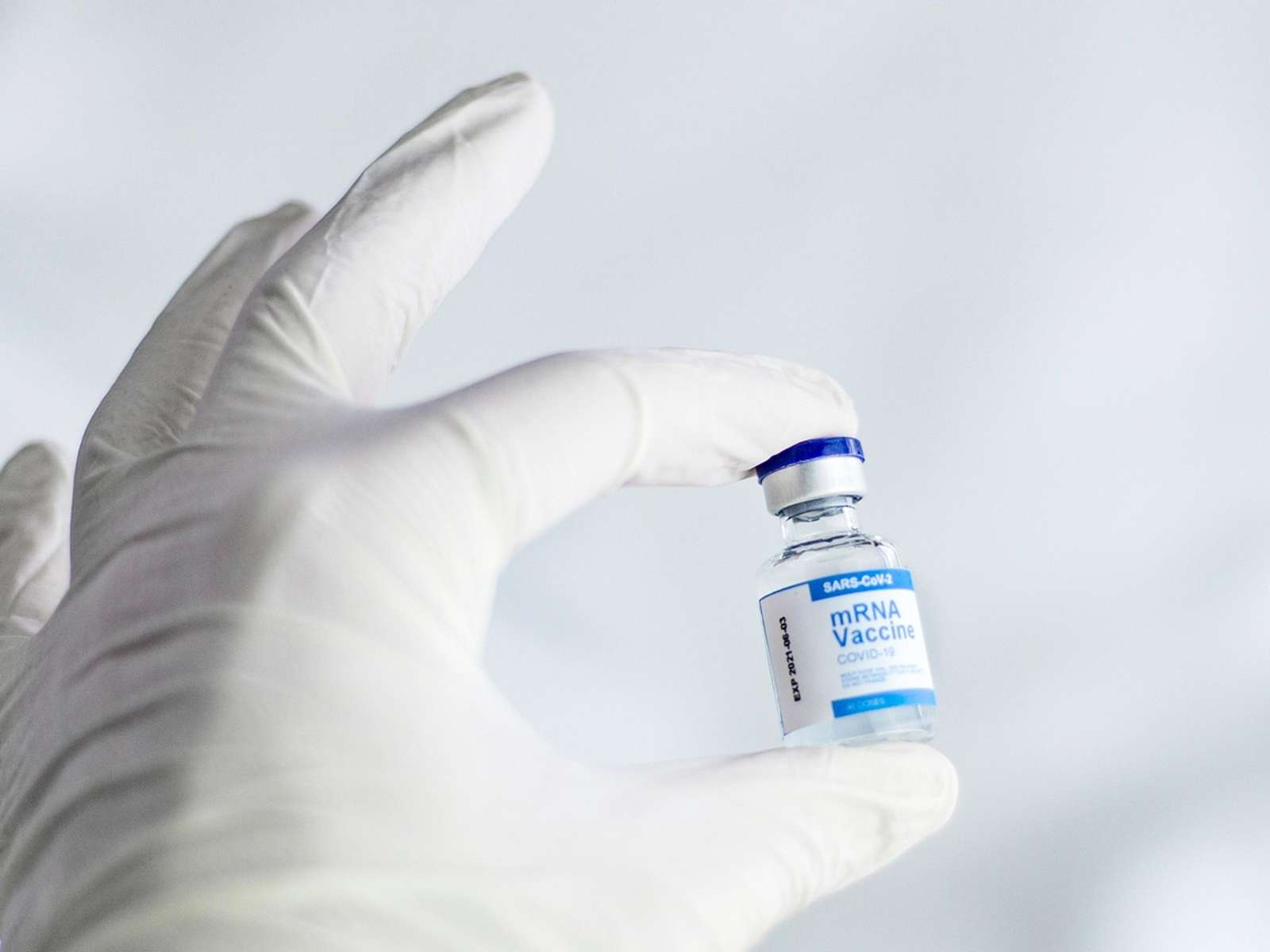
Solar systems installed at 296 health facilities in Zambia now power maternity wards, labs and 200 vaccine fridges for about 1.5 million people, UNICEF said. At one rural health post, nurses no longer deliver babies by phone light.
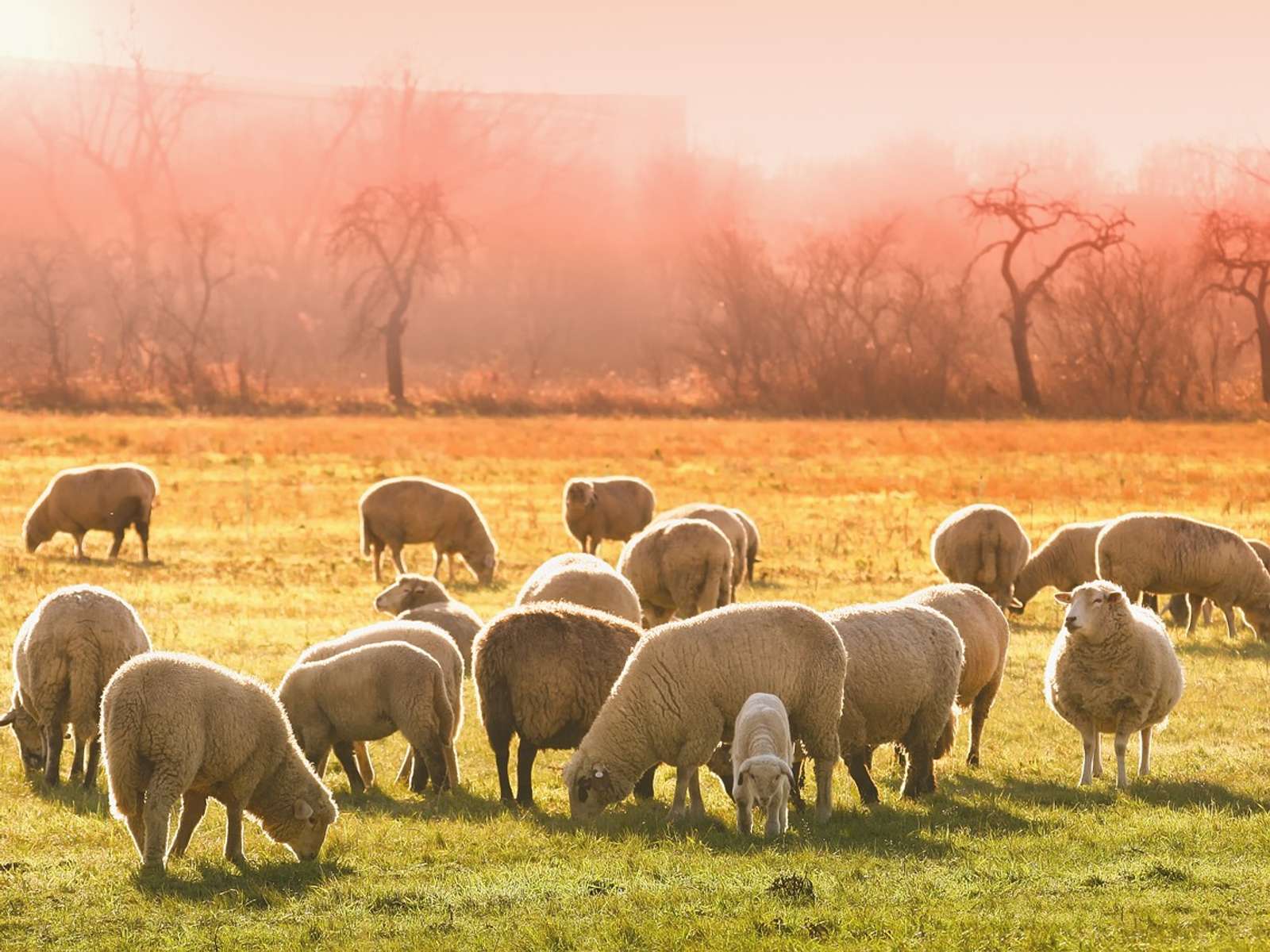
A three-year Cornell study found that light sheep grazing at a New York solar farm raised bee and lady beetle numbers by 38% compared with mowing, while a second study gives farmers a tool to plan flocks for solar sites.
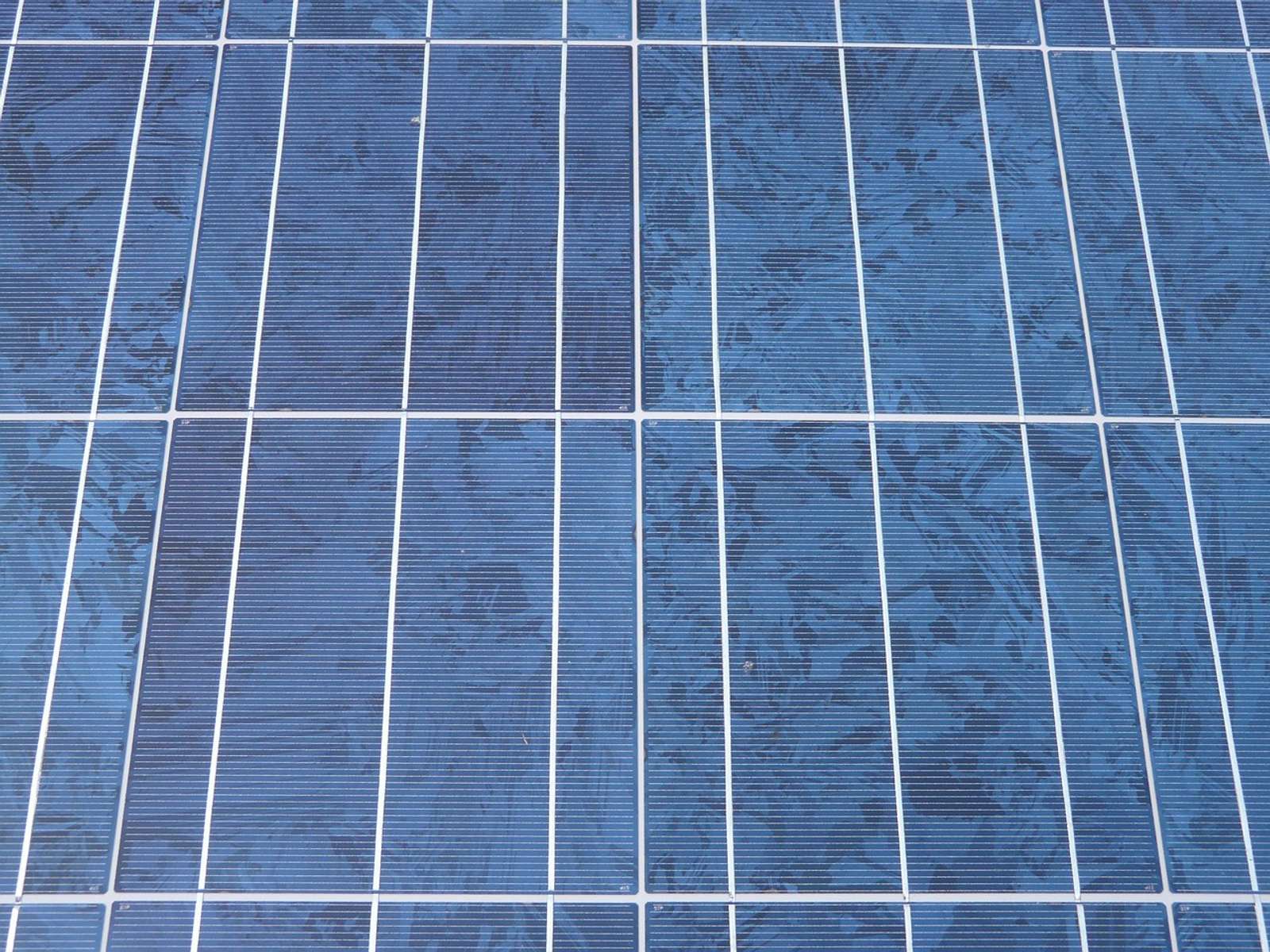
Adding zinc bromide and methylammonium chloride while perovskite crystals form cut defects, so the material held energy from sunlight about 10 times longer, a team from Princeton, UC San Diego and South Korea reported in Science.
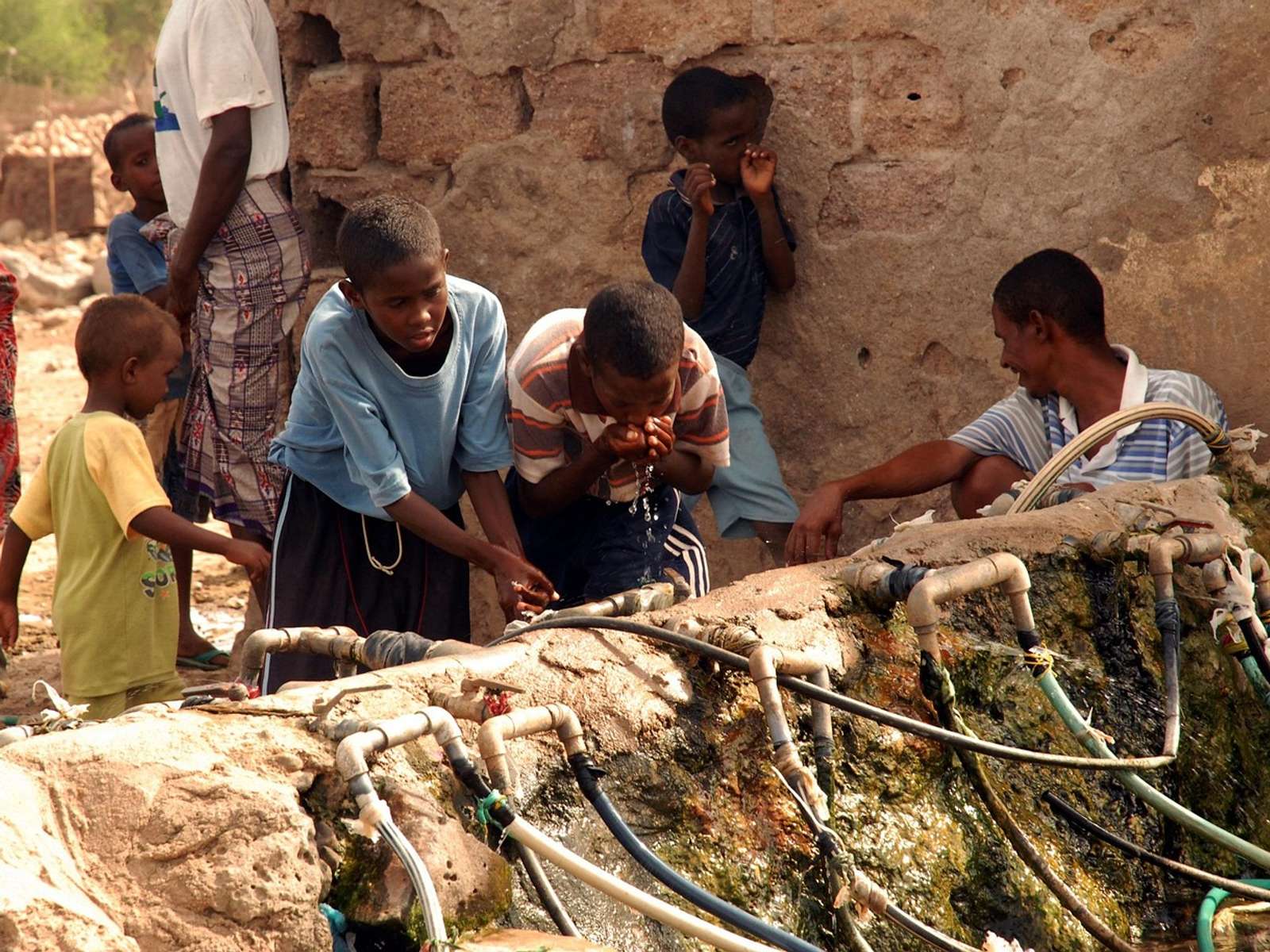
In Berehale, a town in Ethiopia's Afar region, 900 families now have water connected to their homes through a solar-pumped network for refugees and host communities, supported by UNICEF under the Dutch-funded PROSPECTS partnership.
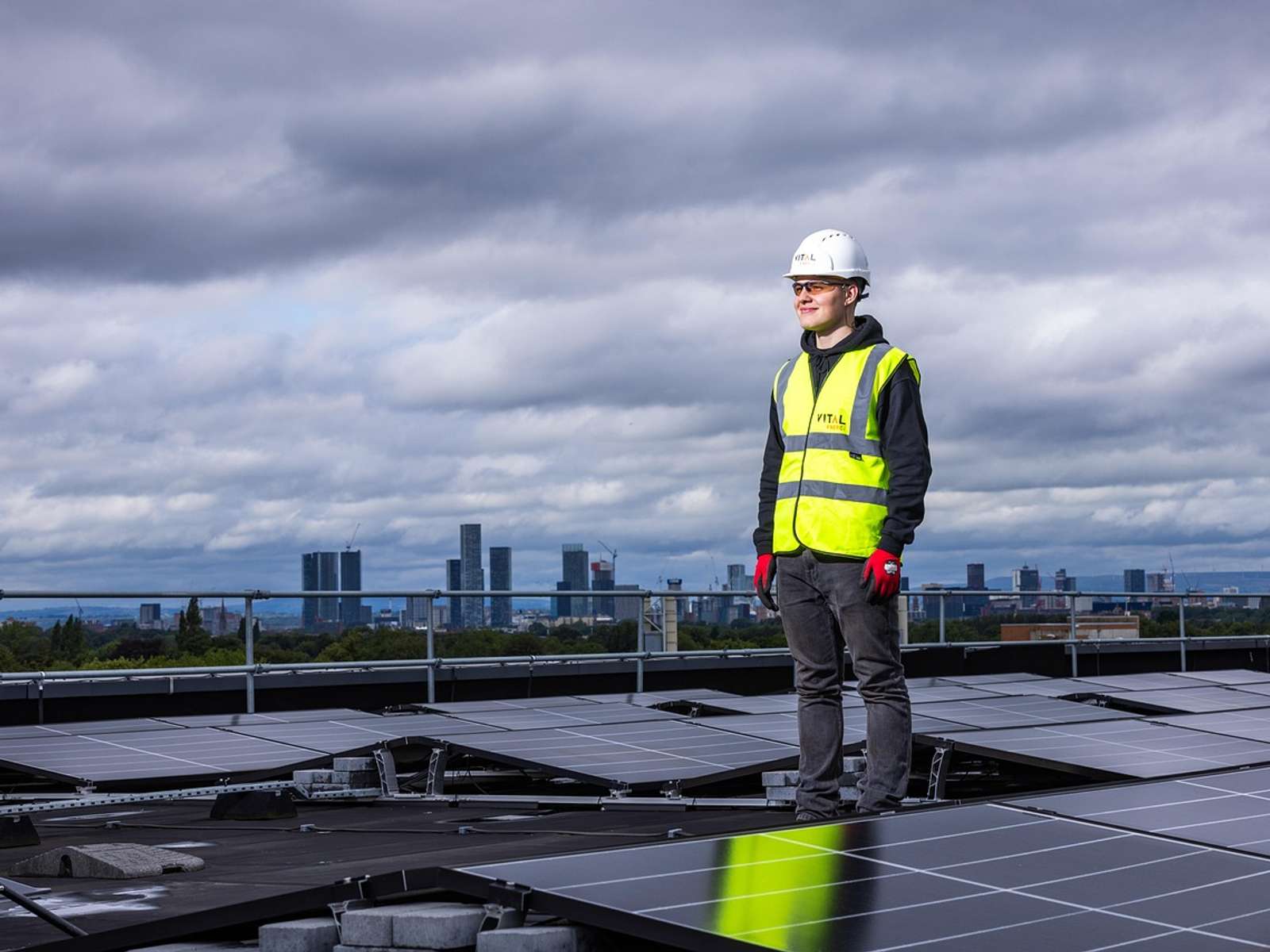
Australia's REnew Pacific program announced three solar projects for remote schools and communities in Fiji and Papua New Guinea that will give more than 75,000 people clean, reliable electricity.
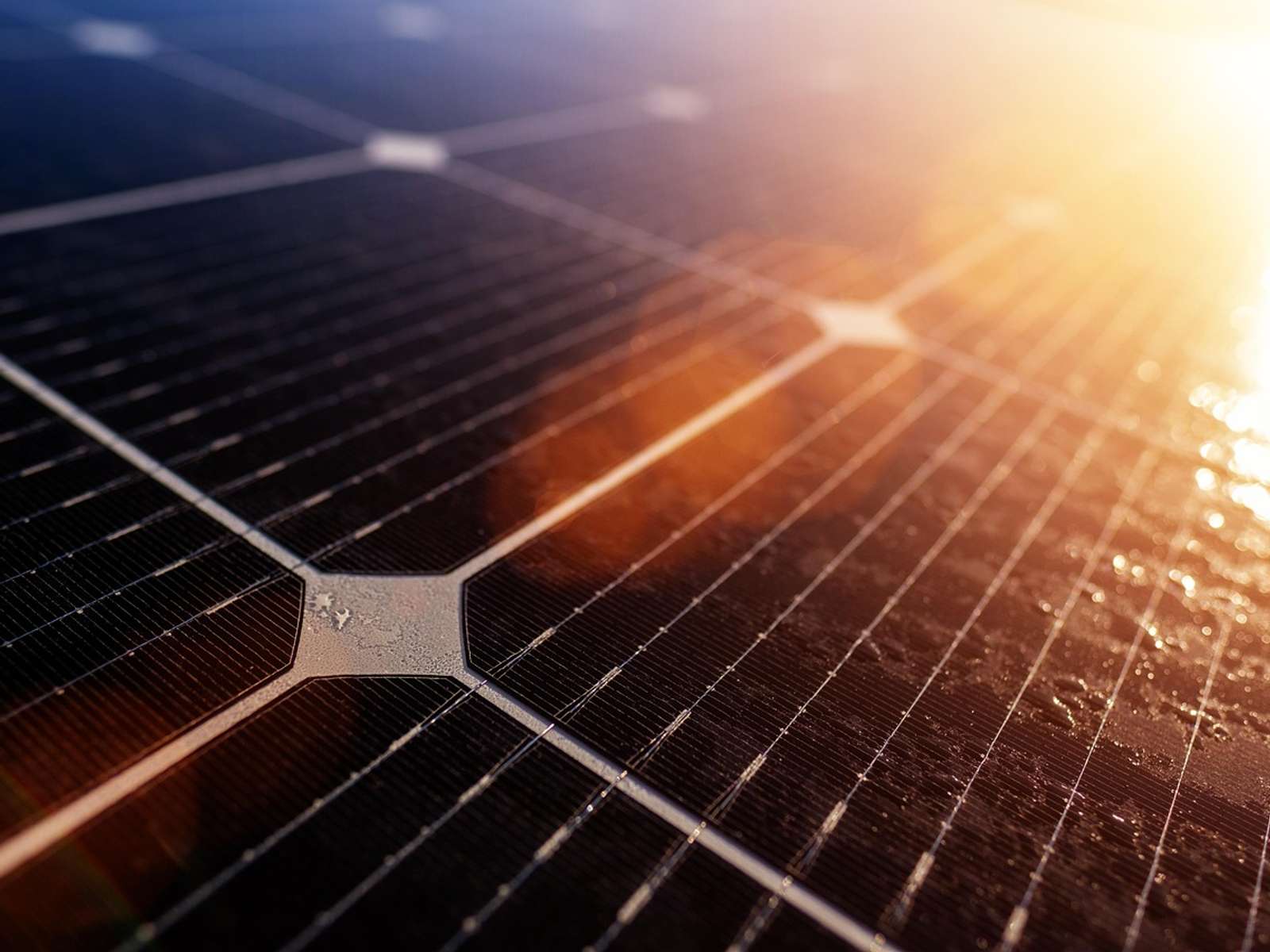
Six of eight planned solar-powered community water points are complete in Garissa County, Kenya, bringing water closer to homes and livestock in Yumbis, Labisigale, Hagadera and Welher.
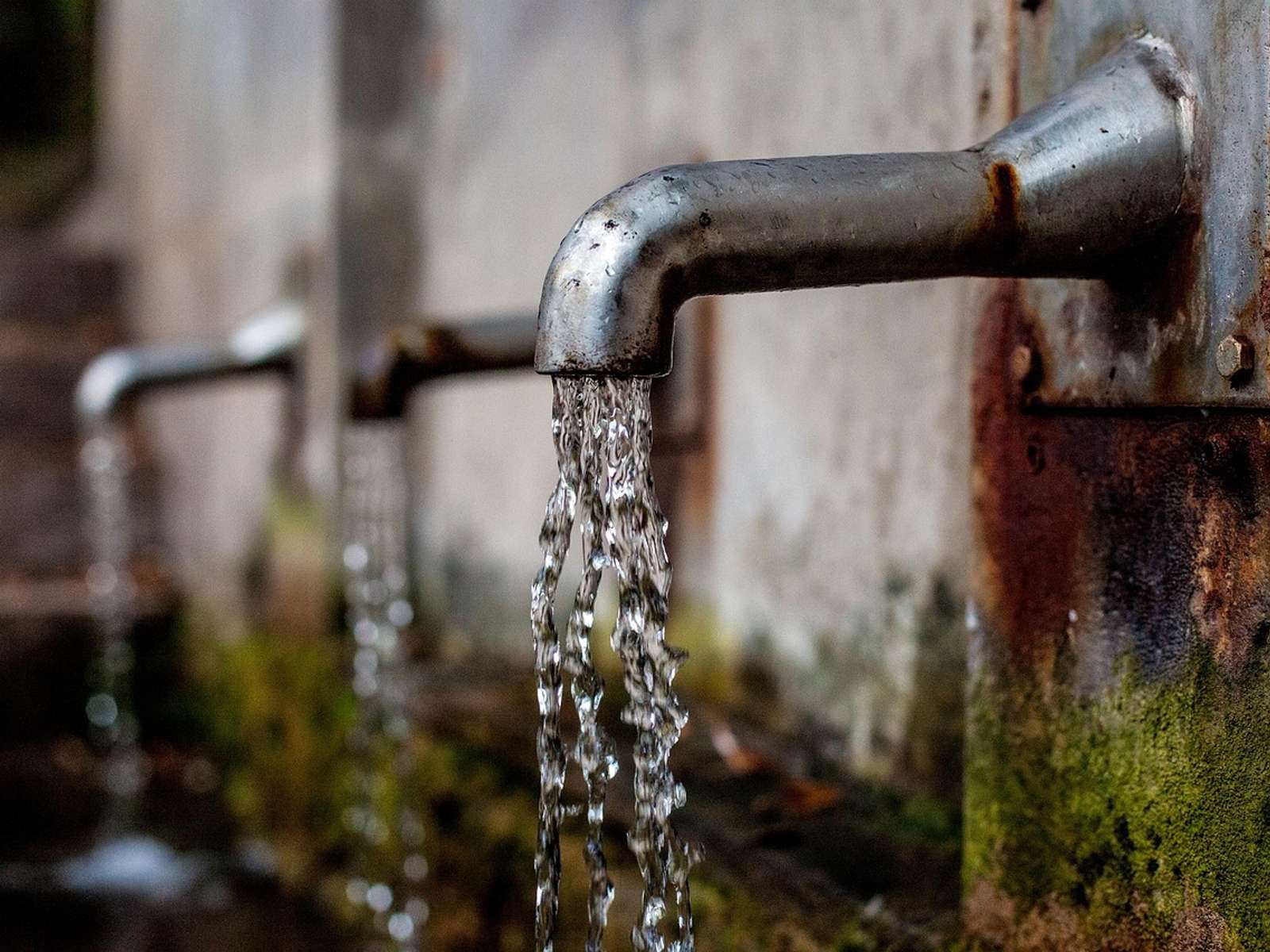
In Mzogole, Tanzania, a solar-powered water treatment system now supplies community taps, the health clinic and the local school, so Salome no longer walks a kilometer each day to collect water.

In Kolofata, in Cameroon's Far North Region, a UNDP and KSrelief program is teaching trades from solar installation and water-pump repair to tailoring and catering to people rebuilding their lives after insecurity.
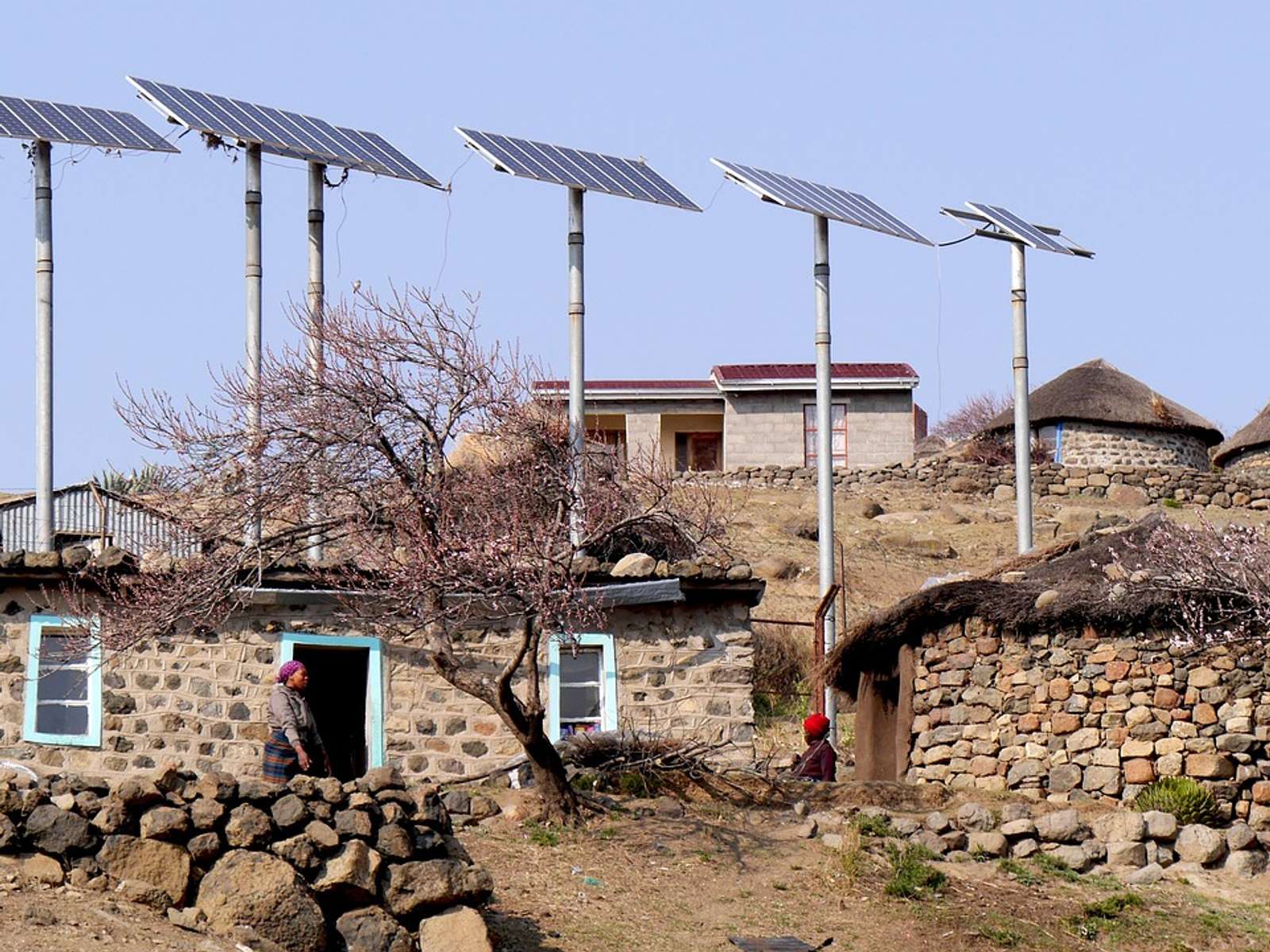
Since St Martins High School in Lesotho’s Mokhotlong district was connected to solar power, its 170 students can study early in the morning and after sunset, and teachers can use laptops and online resources.
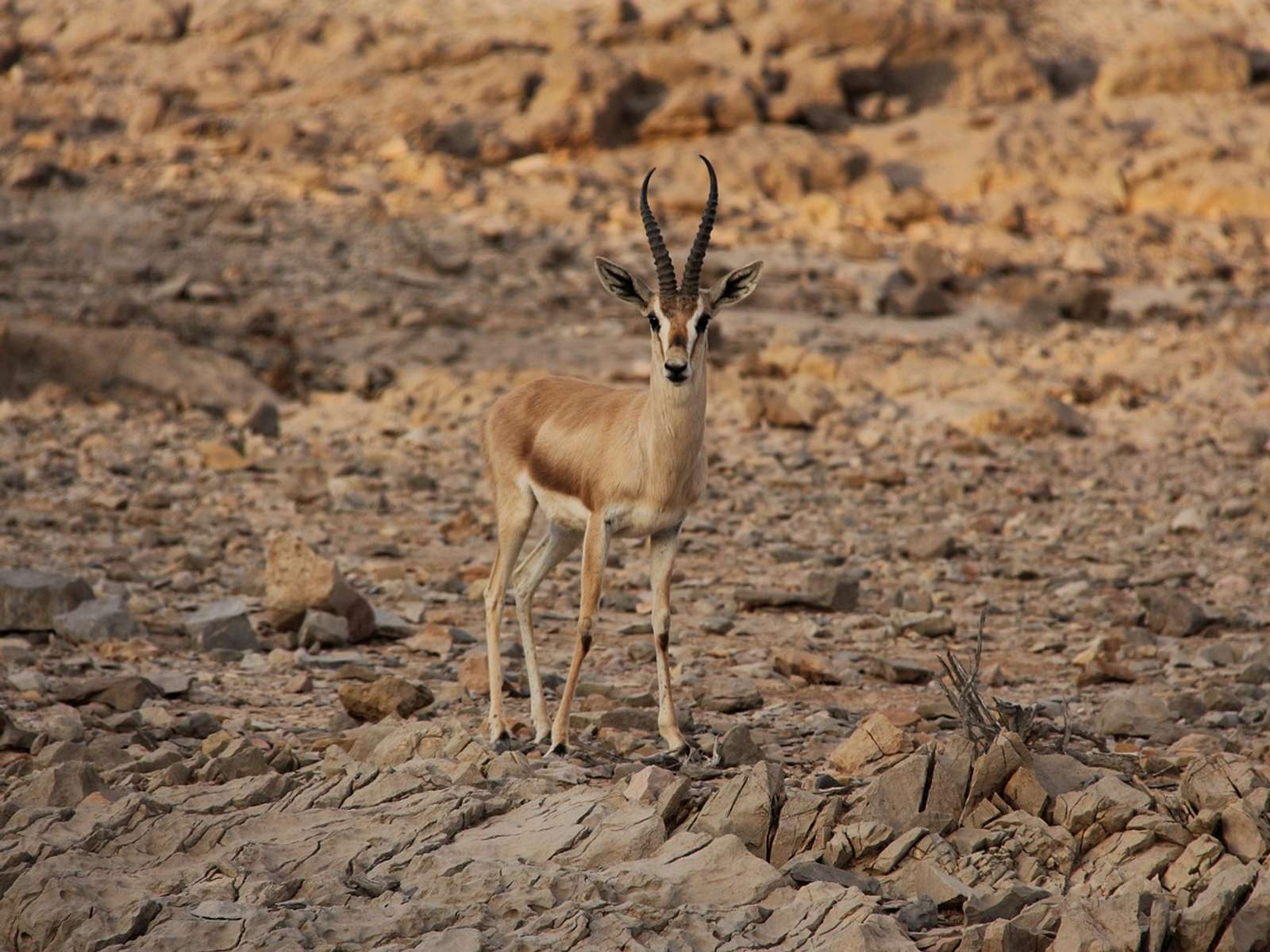
Thirty-eight vulnerable sand gazelles now live among the panels of a working 250-megawatt solar park in northwest Saudi Arabia, where a royal reserve hopes to breed a herd of about 600 by 2031 for release into the wild.
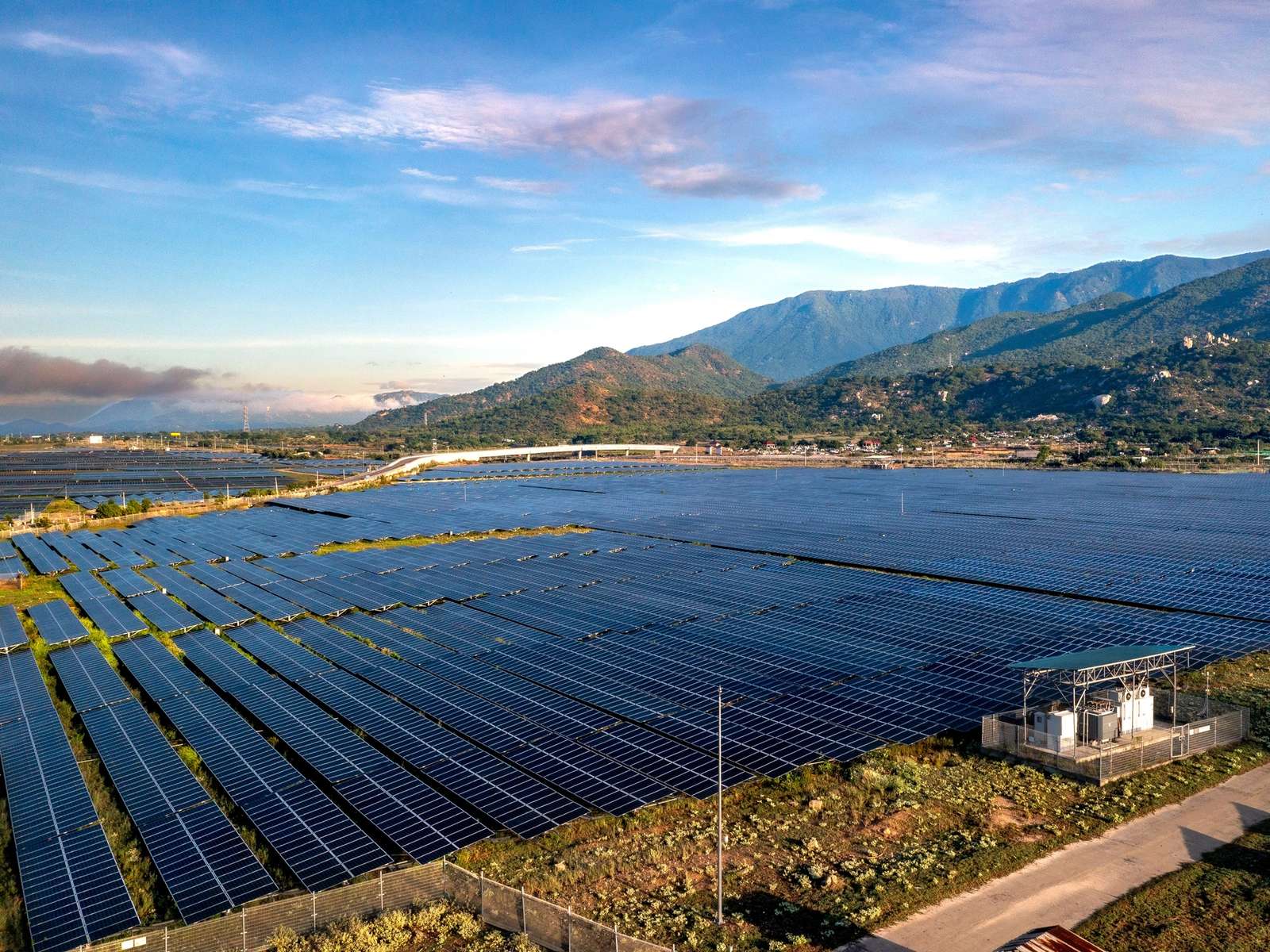
Bhutan has commissioned the Sephu Solar Power Project, the country's first utility-scale solar plant designed and built entirely by Bhutanese engineers, with the government already approving an expansion to 22.38 megawatts.
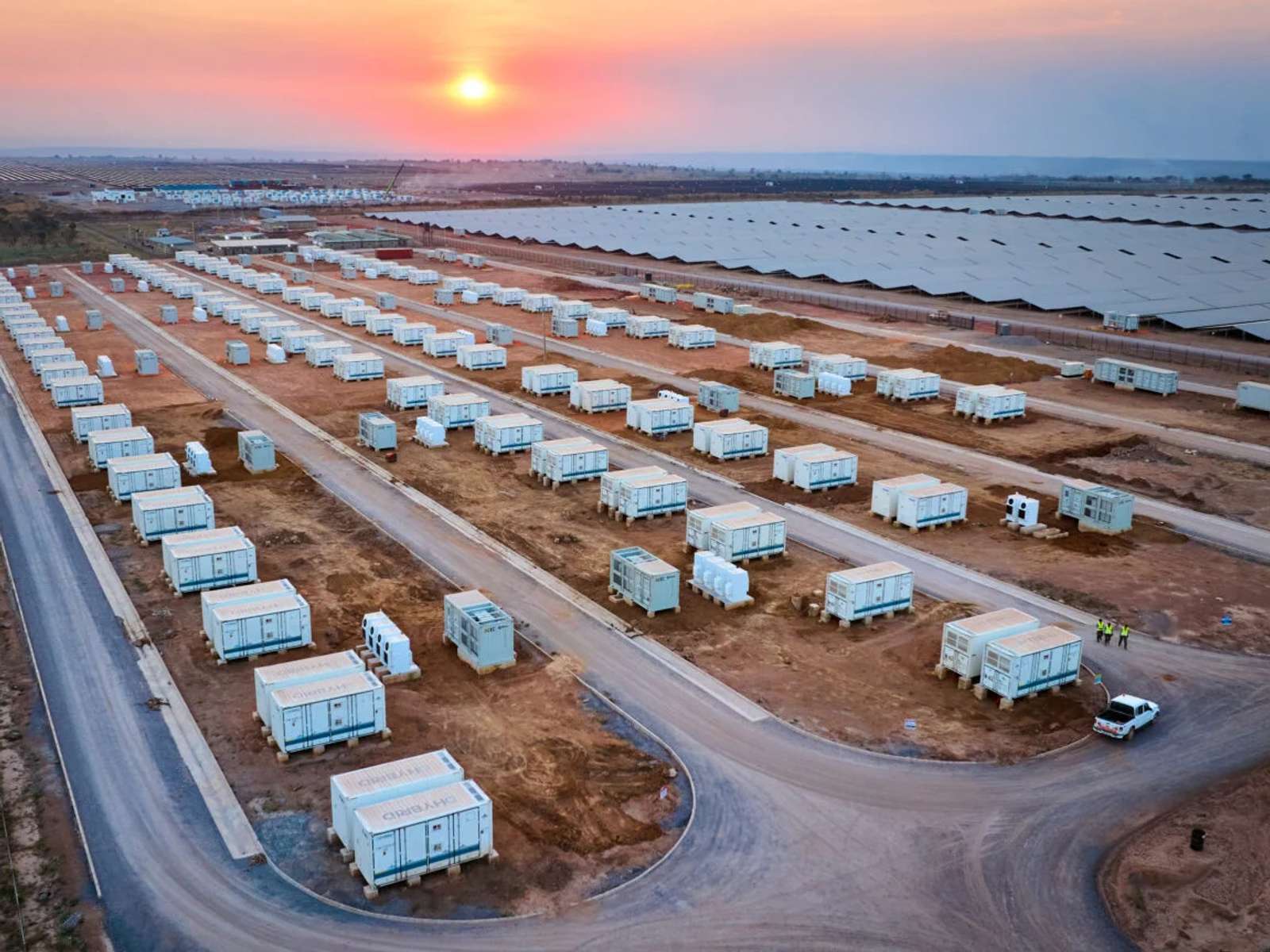
A massive solar and battery facility in the Democratic Republic of the Congo is now delivering reliable renewable power around the clock to one of Africa’s largest copper mining complexes.