Saudi Solar Park Becomes a Breeding Ground for 38 Threatened Sand Gazelles
Thirty-eight vulnerable sand gazelles now live inside an operating 250-megawatt solar park in Saudi Arabia, where a royal reserve is breeding a herd for release into the wild. Officials call it a global first.
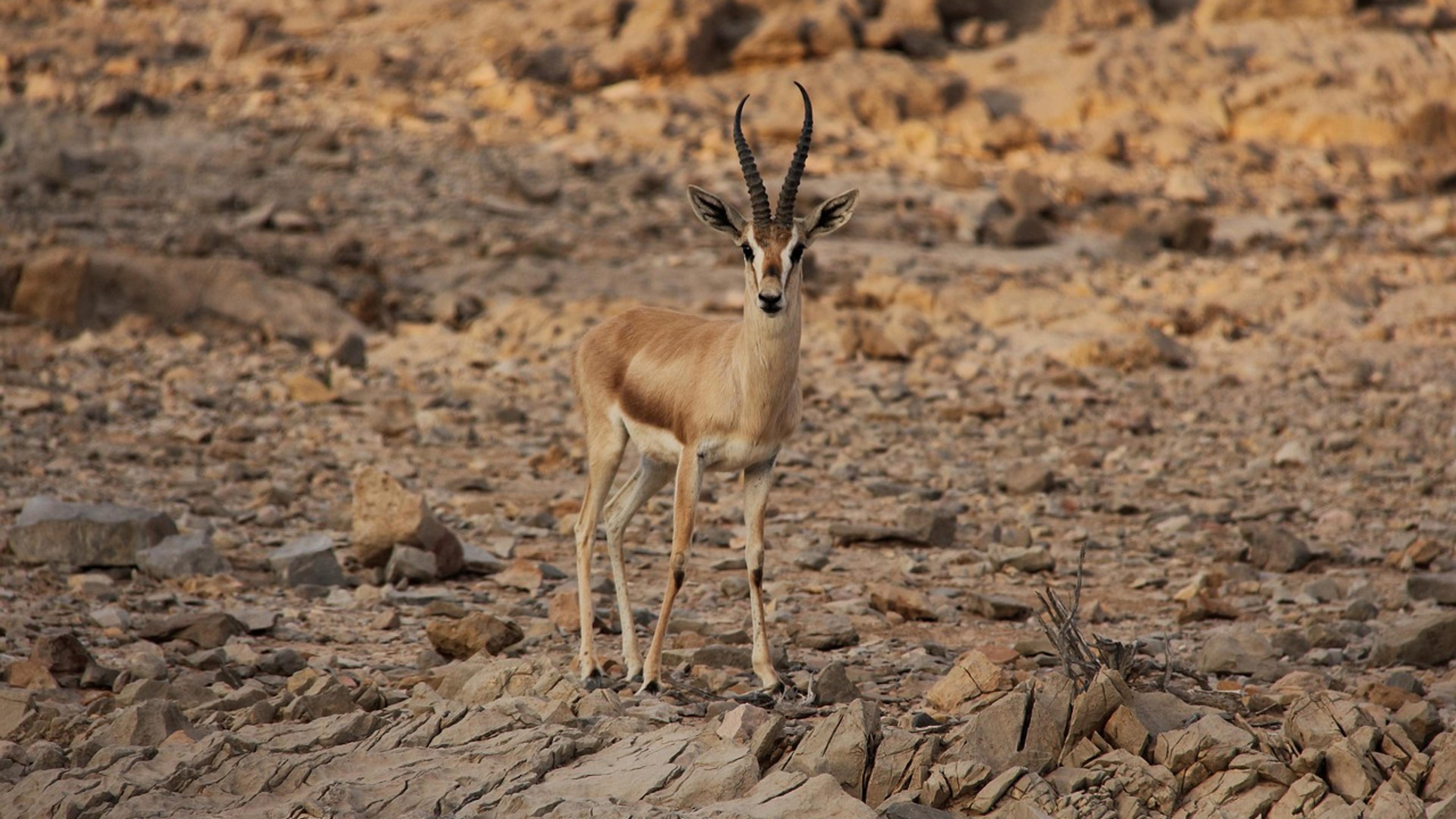
Thirty-eight threatened sand gazelles have been moved into an operating solar park in Saudi Arabia to form a breeding herd for release into the wild, Arab News reported. The Prince Mohammed bin Salman Royal Reserve, which runs the program, describes it as a global conservation first.
Solar panels provide shade and a predator-proof enclosure
The 505-hectare, 250-megawatt park supplies electricity to Red Sea Global’s AMAALA tourism destination. It is built and run by a joint venture of EDF Group, Masdar, SUEZ and Korea East-West Power. Its predator-proof fence keeps the herd safe, and shade from the panels lowers ground temperatures by about 5 to 10 degrees Celsius.
The breeding phase began in May with 33 females and five males, following a seven-month trial with sand gazelles, mountain gazelles and Arabian hares. Sand gazelles are classified as vulnerable. They are small enough to move beneath the panels, and their grazing helps keep vegetation down.
“Herd-level husbandry offers potential gains in production and genetic health, and more robust, adaptable animals.” — Andrew Zaloumis, CEO, Prince Mohammed bin Salman Royal Reserve
The reserve aims for about 600 animals by 2031
The first calves are expected in December. Population modeling by the reserve projects a herd of around 600 by 2031, provided genetic management works; males will be screened and rotated, and outside animals added when needed. The reserve estimates that at least 500 founders are needed before gazelles can be reintroduced across its 24,500 square kilometers, the Saudi Gazette also reported.
Zaloumis said the reserve found no published research on keeping wild animals in solar installations and has written up its methods in a short academic paper. The approach mirrors other projects that breed animals in protected settings before release, such as India’s captive-bred great Indian bustards.
Saudi Arabia aims to protect 30% of its land and sea by 2030. The reserve says it will judge the program by whether other solar sites in the country and the wider Arabian Peninsula copy it.
Like what you're reading?
Related stories
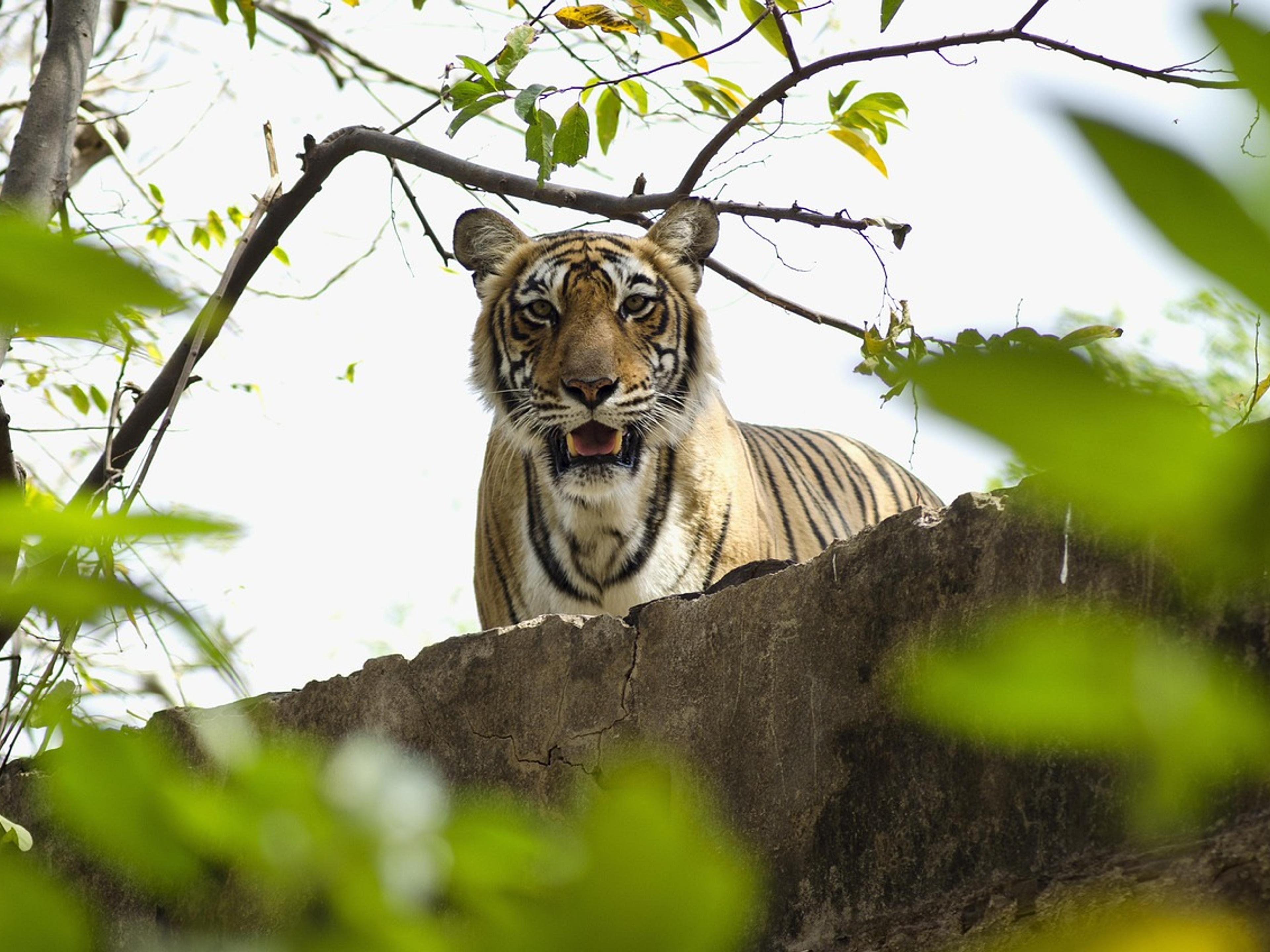
India Releases First Tigress Into Buxa Tiger Reserve to Rebuild Its Population
A three-year-old tigress, T138, has been released into West Bengal’s Buxa Tiger Reserve, the first step in a phased program to rebuild a breeding tiger population after years without a stable resident one.
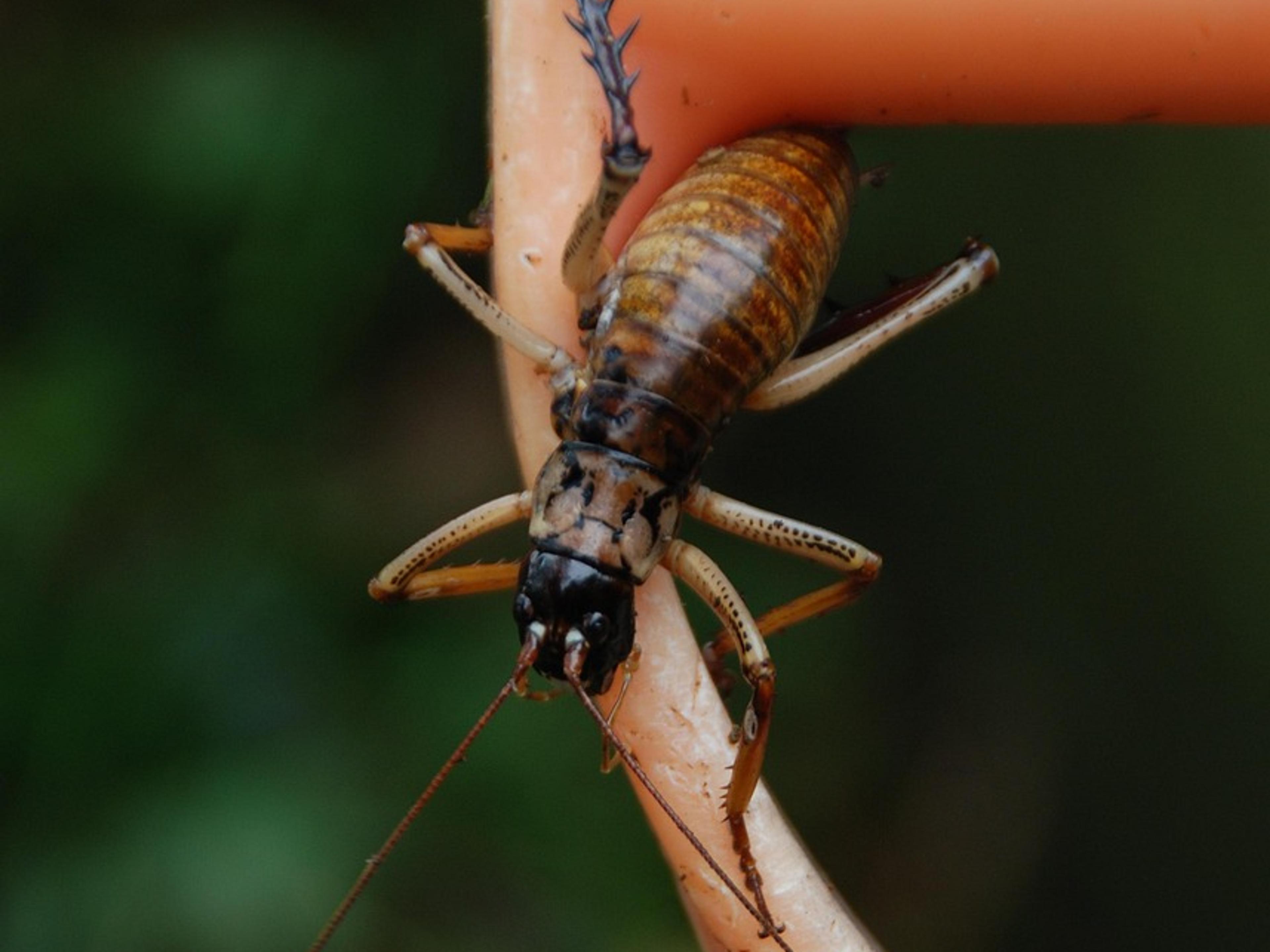
11,000 Giant Wētāpunga Released at 10 Wild Sites as New Zealand's Heaviest Insect Recovers
A 15-year breeding and release program has moved 11,000 wētāpunga, the world's heaviest orthopteran, to 10 new wild sites, improving the species from Nationally Endangered in 2004 to Nationally Increasing in 2022.
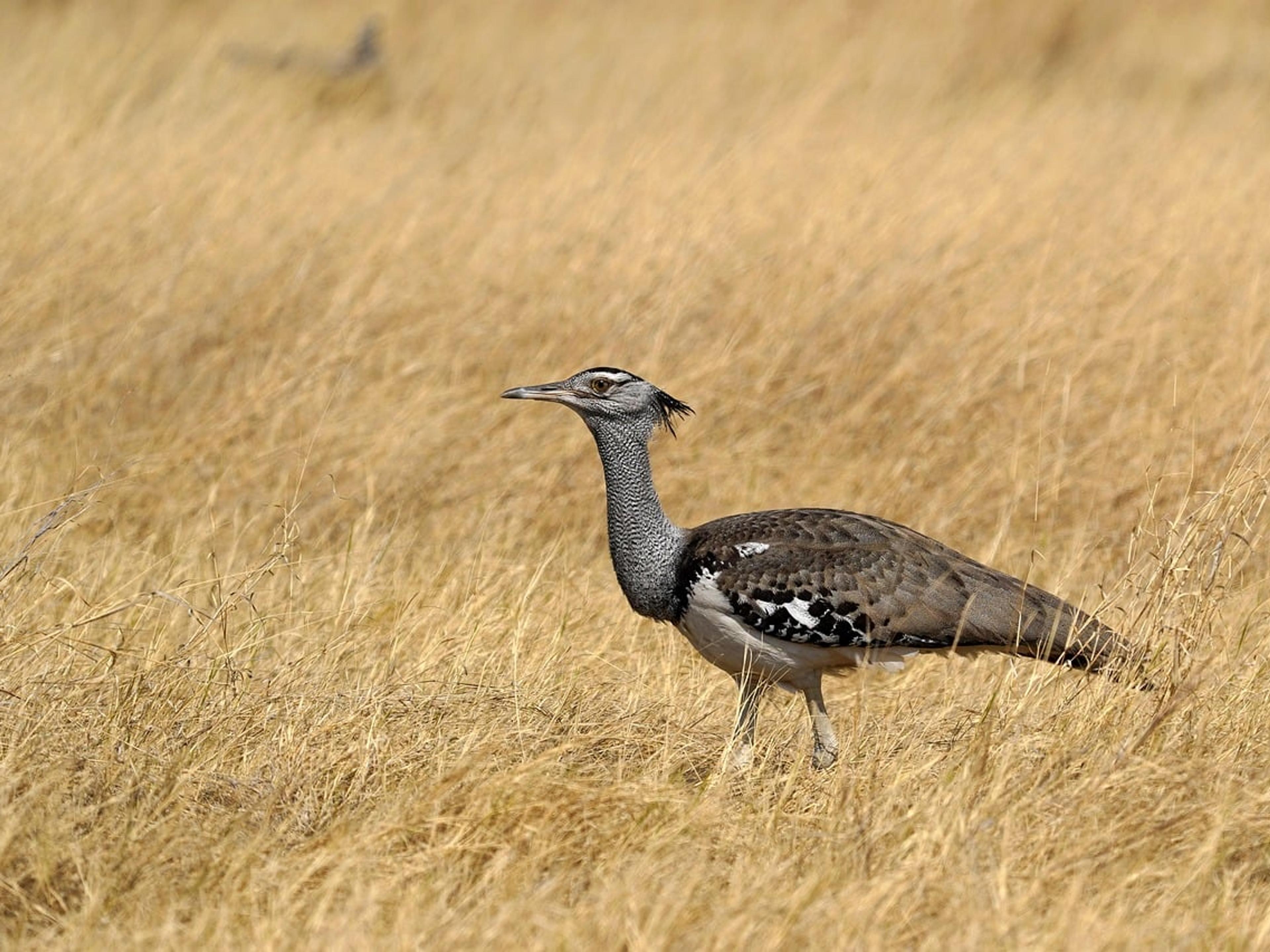
India Begins Releasing Captive-Bred Great Indian Bustards After a Decade of Conservation Breeding
Two captive-bred Great Indian Bustards entered a soft-release enclosure at Rajasthan's Desert National Park this weekend, the first step in returning birds from a 97-strong captive flock to a wild population of roughly 130.