More than one million people in Niger got electricity in 10 months through the Haské project
Between January and October 2026, more than one million people in Niger gained electricity through the World Bank-backed Haské project, in a country where about 23% of people had power in 2024. The target is 2.5 million by 2027.
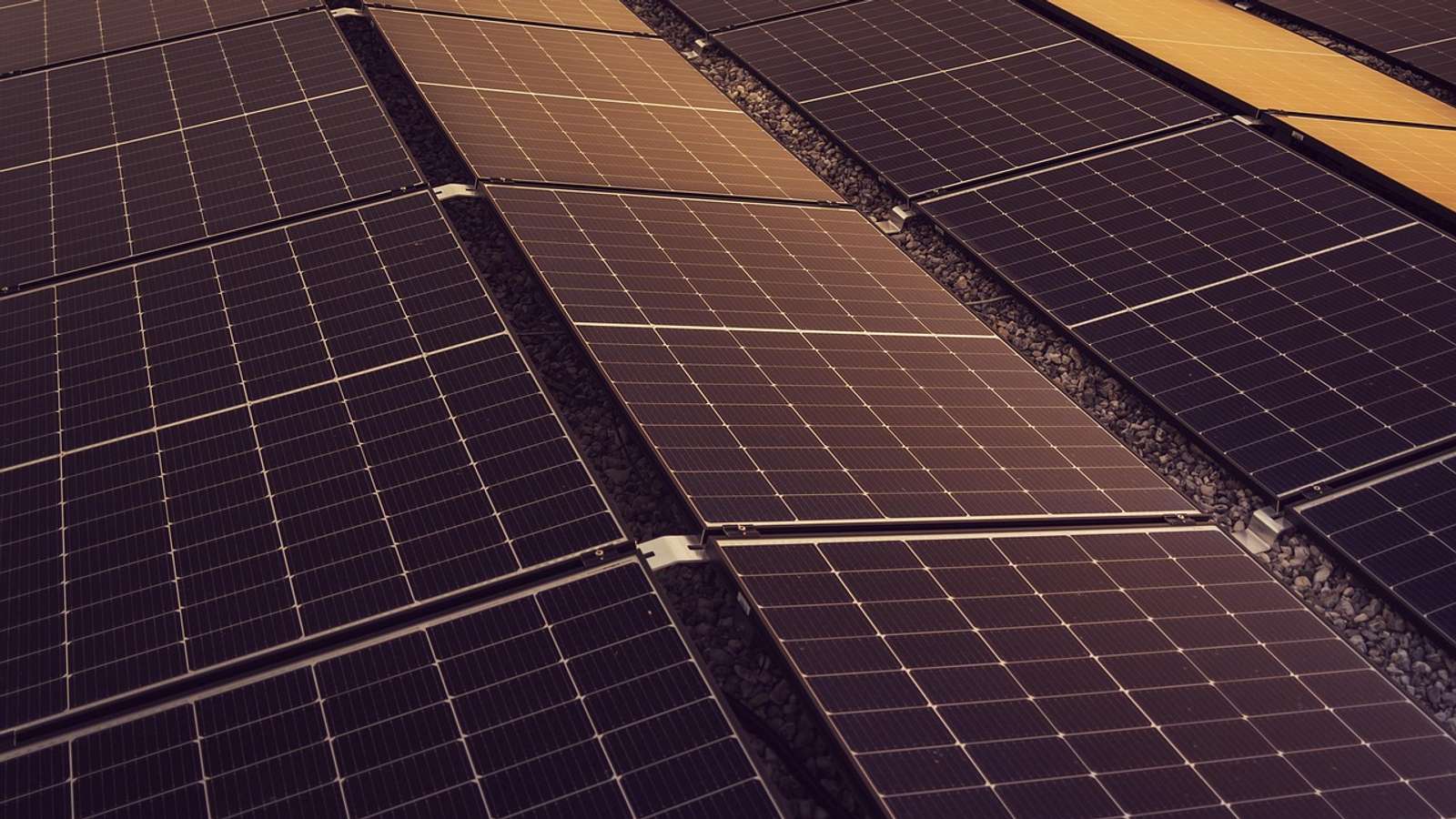
More than one million people in Niger gained access to electricity between January and October 2026 through the Haské project, the World Bank said on 21 October. Haské, the Niger Accelerating Electricity Access Project, aims to reach 2.5 million people with new or improved electricity by 2027.
A country where three in four people lack power
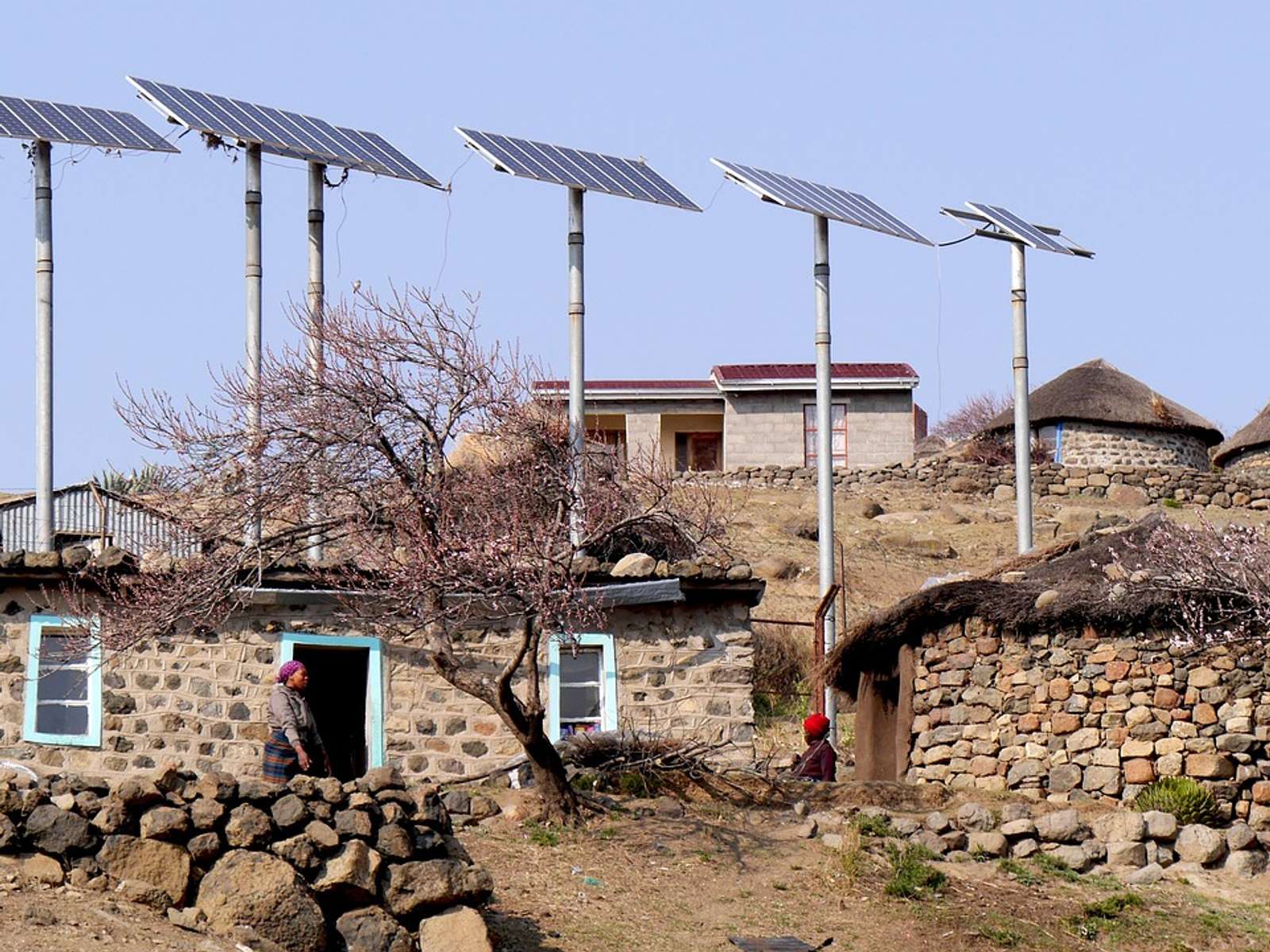
The starting point is low. About 23% of Niger's population had electricity in 2024, and in rural areas, home to more than eight in ten people, access was just 5.3% in 2020, according to the World Bank. Extending the grid alone cannot reach scattered villages quickly, so the first phase combines grid reinforcement with solar mini-grids and off-grid solar systems.
The original financing package is US$317.5 million. More than 500,000 refugees and members of host communities are expected to benefit.
A blacksmith who works five times faster
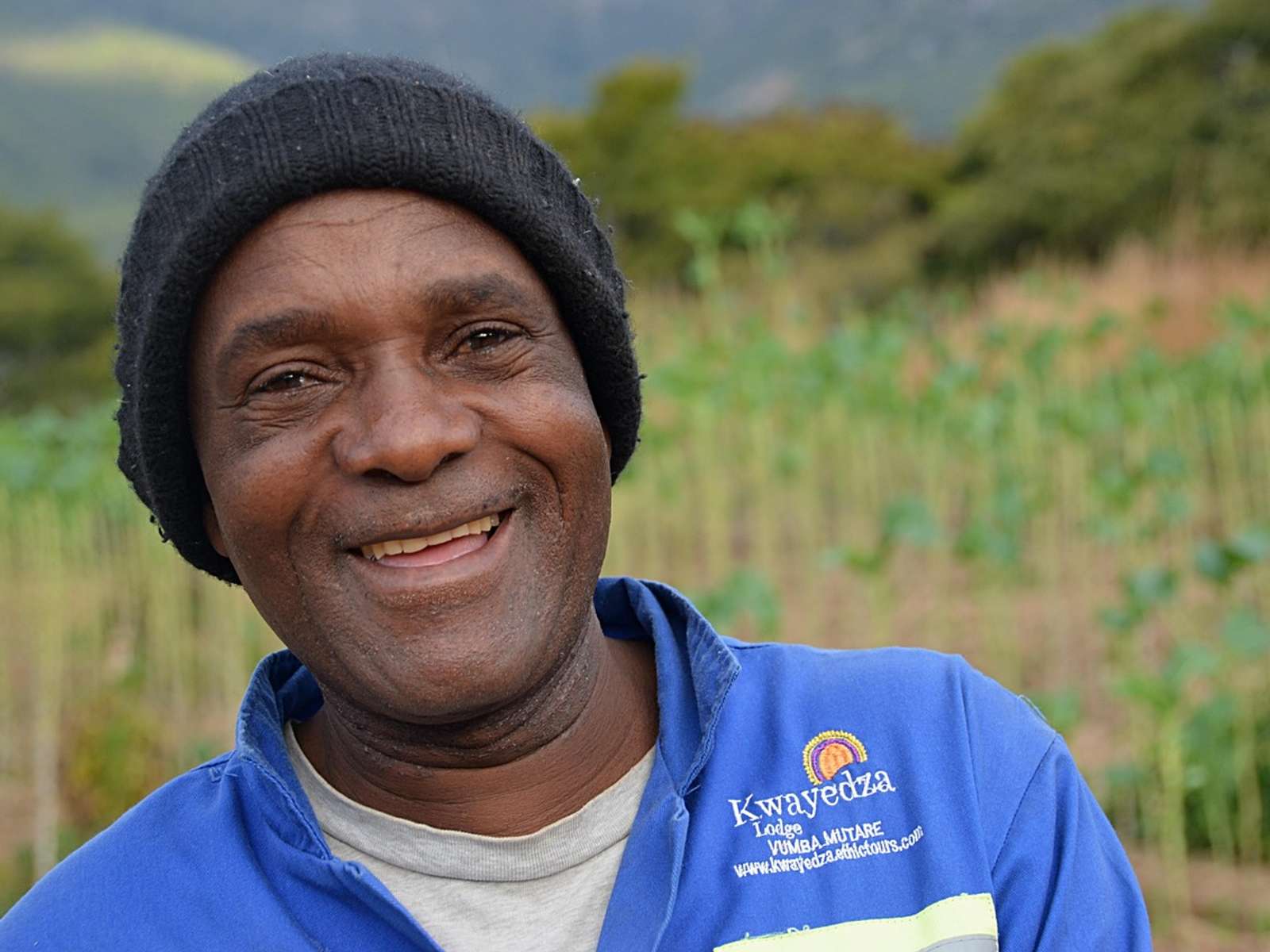
For small businesses, power changes the working day. Issaka Bakoye, a blacksmith in Bamou, said a task that used to take five minutes now takes about one. His daily earnings rose from about CFAF 2,000 to 3,000 (US$3 to 5) to at least CFAF 5,000 (about US$8.50), the World Bank said, and a trader who sells cold products reports daily sales of up to CFAF 5,000 in the hot season.
“It helps us meet our daily needs, and even save, which wasn't the case before.” — Issaka Bakoye, blacksmith in Bamou
Part of a plan to connect 300 million Africans
Haské is part of Mission 300, the World Bank and African Development Bank initiative to connect 300 million people in Africa to electricity by 2030. By June 2026, Mission 300 had connected more than 50 million people in 40 countries, the World Bank said. Niger's one million in 10 months is a small share of that total.
Solar power is also reaching clinics elsewhere in Africa; in Zambia, 296 health facilities now run on solar power. The World Bank's feature does not say how many of Niger's new connections are on the grid and how many are solar.
Sources
- World Bank · worldbank.org
- worldbank.org
How we choose and verify sources: editorial policy.