MIT students win NASA's LunaRecycle Challenge by turning space trash into tools
MIT's CERBERUZ team won NASA's LunaRecycle Challenge with a machine that grinds mixed plastics and aerospace foam into powder and molds it into new parts, with no water or chemicals. The team won $925,000 over the competition.
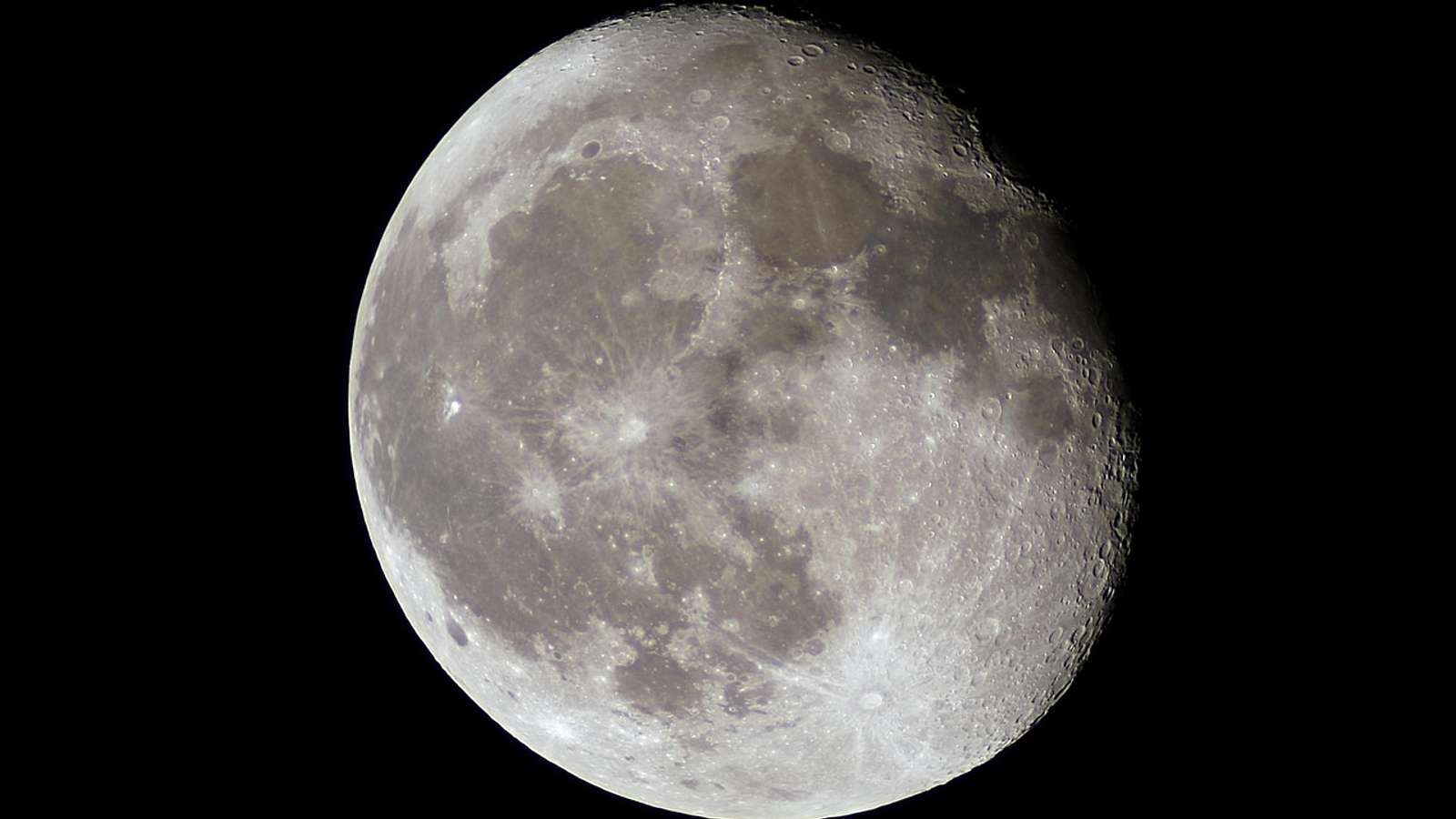
A team of MIT students has won NASA's LunaRecycle Challenge with a system that turns the kind of trash astronauts would produce on the moon into useful parts, MIT News reported on 20 October. The team, called CERBERUZ, took first place in both the prototype and the digital twin tracks.
NASA announced the result at the challenge finale, held from 24 to 28 August at the University of Alabama, where 14 finalist teams presented their systems. CERBERUZ received $775,000 in that final phase, NASA said; with earlier Phase 1 and milestone prizes, the team's total came to $925,000, according to MIT.
Grinding, mixing and molding, without water
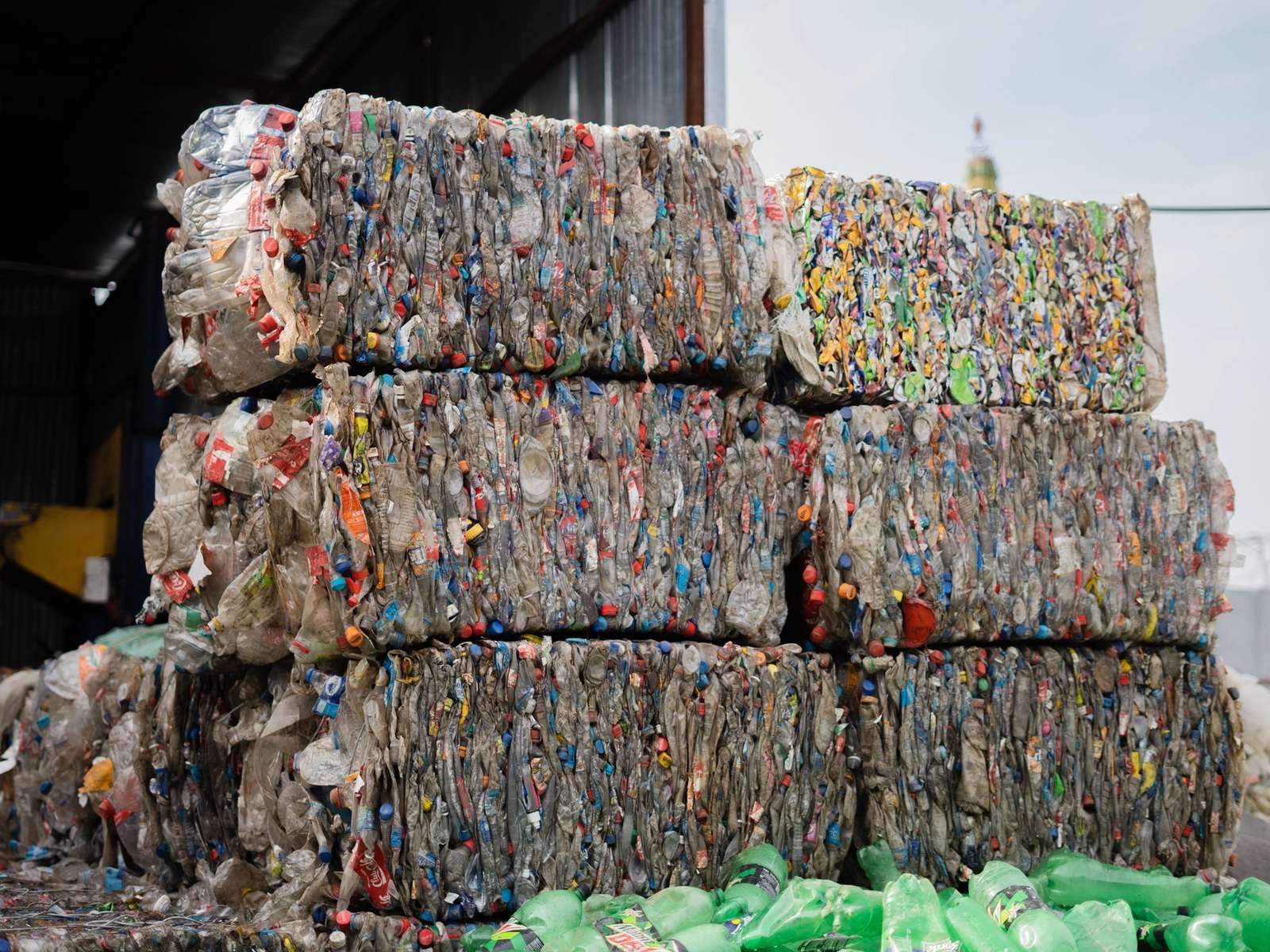
The challenge asked teams to reuse, recycle or upcycle waste on long missions to the moon or deep space, from fabrics and plastics to foam and metals. The MIT system is mechanical: it grinds non-biological waste into powder, mixes it, and feeds it into an injection molder nicknamed PERSEPHONE that forms composite parts. It uses no water or chemicals, both scarce away from Earth.
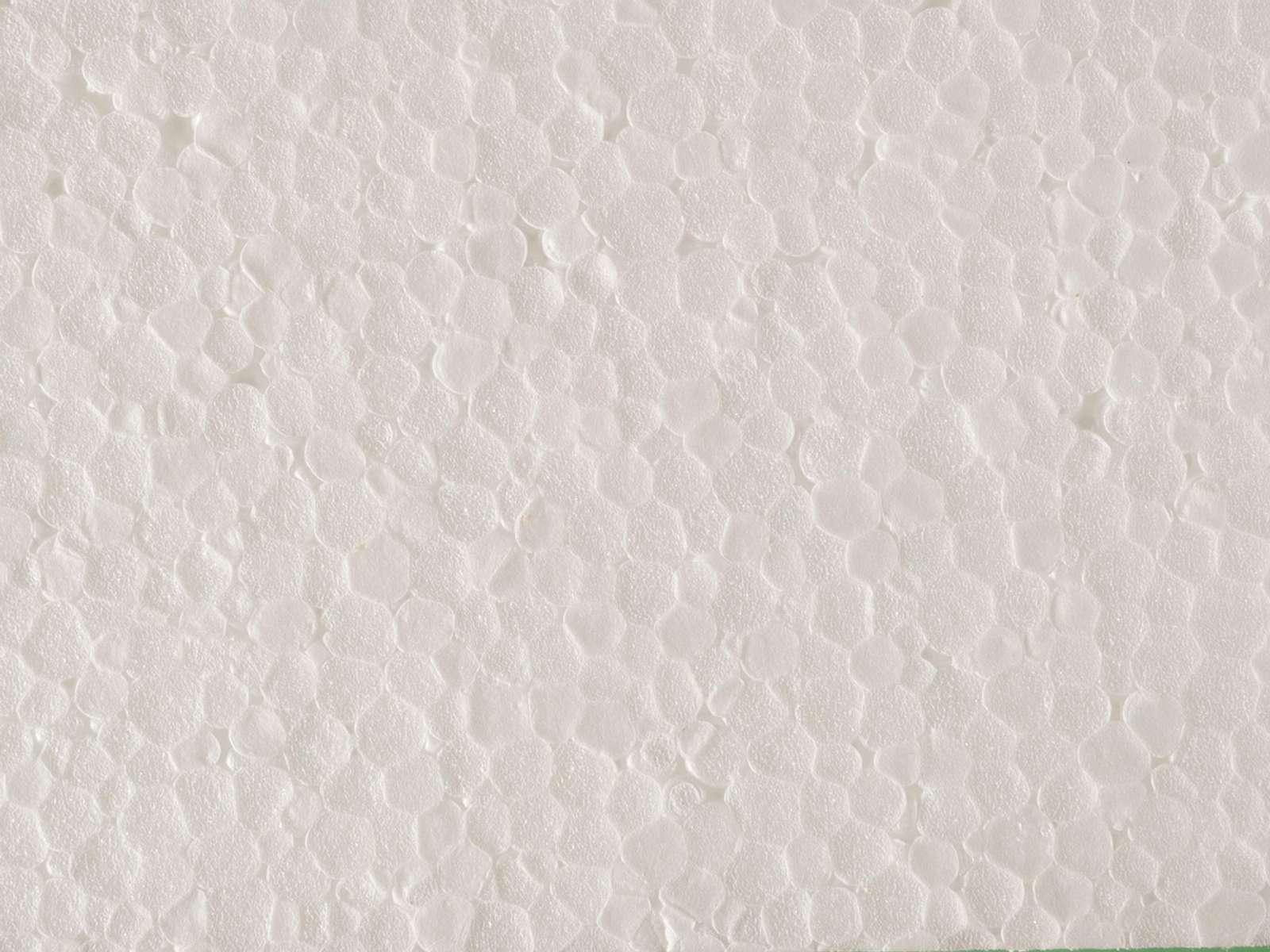
The team's name stands for Composites for Extraterrestrial Recycling By Engineering the Reuse and Upcycling of Zotek. Zotek F30 is a closed-cell foam common in aerospace packaging, which the team used as a reinforcing filler. Mixed thermoplastics and thermoset foams like it have no established recycling method even on Earth, MIT said. For the second track, the team built DEIMOS, a digital twin that predicts how recycled materials will behave inside the machine.
“Recycling waste materials into such parts can help reduce materials needed to be launched from Earth.” — George Lordos, MIT
Thirty students from four departments
CERBERUZ came out of MIT's Space Resources Workshop. It was led by Lanie McKinney, Palak B. Patel, Lilly Etzenbach and José Soto, with 26 other students from four MIT departments. The team won Phase 1 in 2025, earned milestone prizes in Phase 2 and reached the final demonstration this summer.
Other winners included Terasynth, second overall in the prototype track with $225,000, and Penn State's RECLAIM, which won the Most Innovative award in both tracks. “This competition highlights how collaborations can lead to incredible solutions,” said Chris Frangione, who manages the challenge for NASA's Centennial Challenges program.
Prize money goes back into the workshop
The team plans to reinvest its winnings in the Space Resources Workshop, paying for equipment and facilities for future student teams. NASA has not said whether any of the winning systems will fly. More moon and space projects are collected under space exploration.
Sources
How we choose and verify sources: editorial policy.