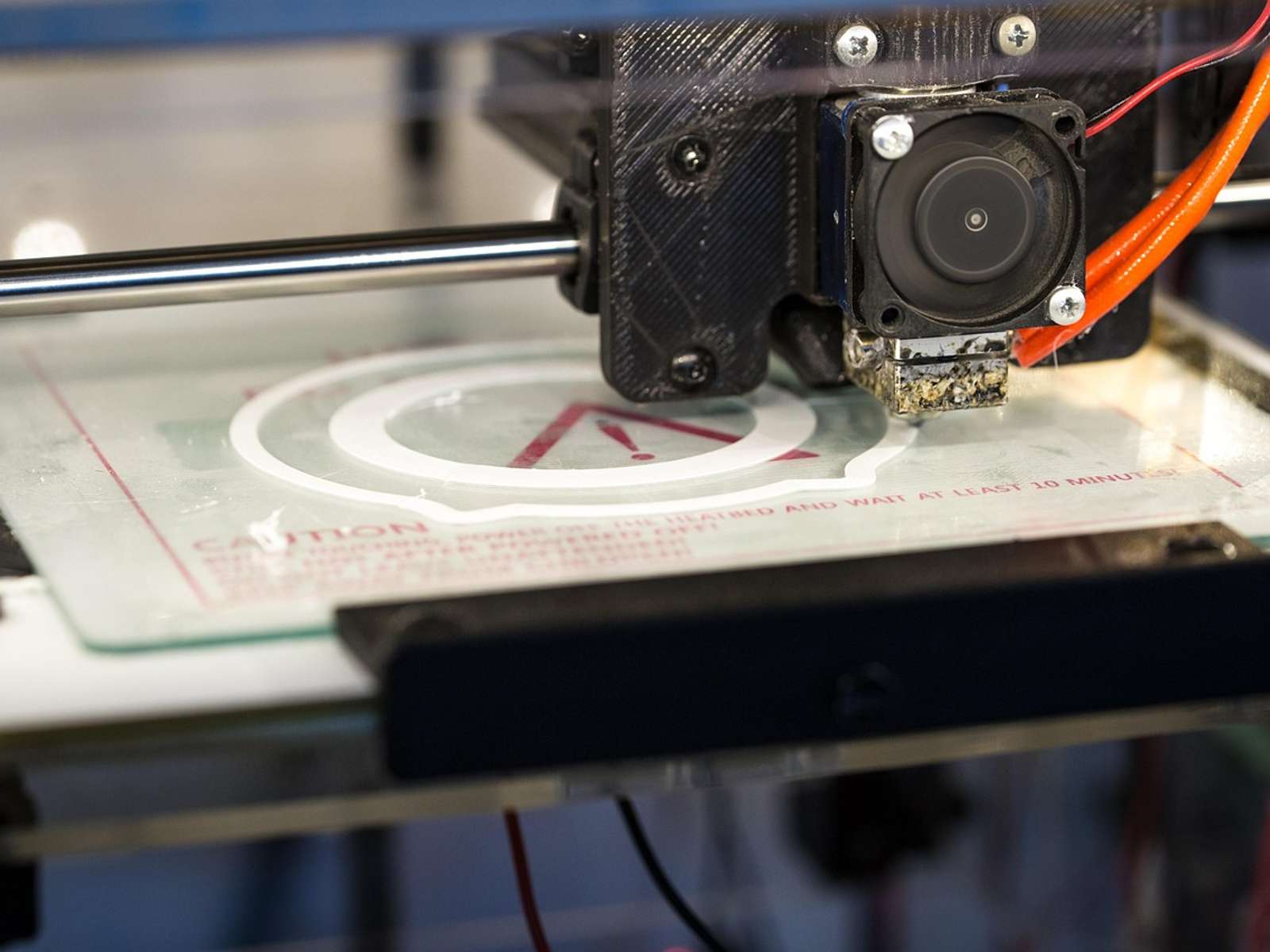
MIT CSAIL and Tianjin University's X-Hinges software embeds two different conductive materials in 3D-printed objects, so a lamp can sense a pinch and a glove can teach a robot hand to grasp. It senses motion along up to three axes.
MIT's CERBERUZ team won NASA's LunaRecycle Challenge with a machine that grinds mixed plastics and aerospace foam into powder and molds it into new parts, with no water or chemicals. The team won $925,000 over the competition.
MIT researchers have built 3D-printed "bifur-circuit" blocks that reconfigure into a huge range of stable shapes while keeping their electrical connections fully intact, a step toward furniture and gadgets that can physically transform.