A solar-powered water system means Salome no longer walks to a ravine for water
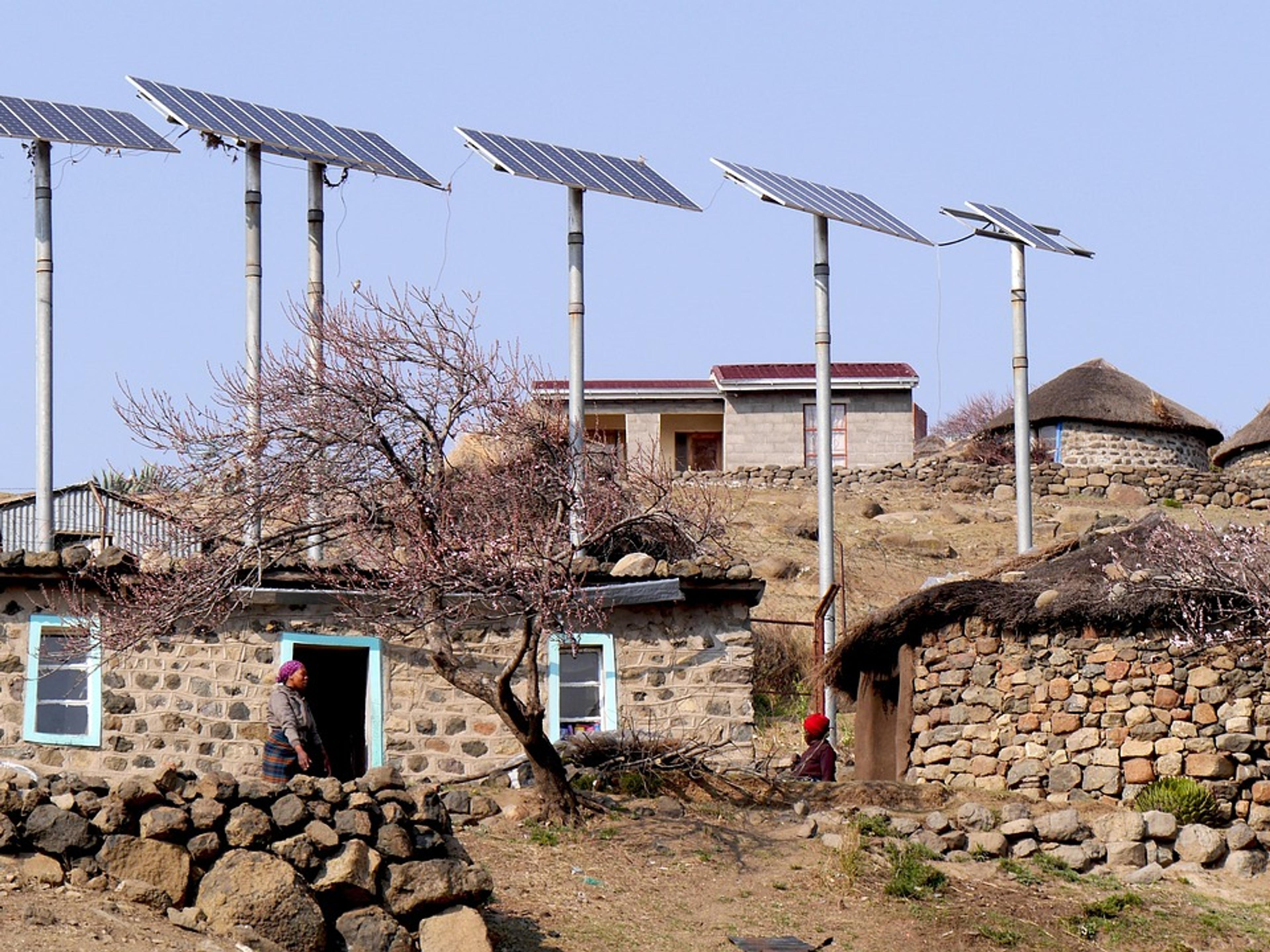
In Mzogole, Tanzania, a solar-powered water treatment system now supplies community taps, the health clinic and the local school, so Salome no longer walks a kilometre each day to collect water.
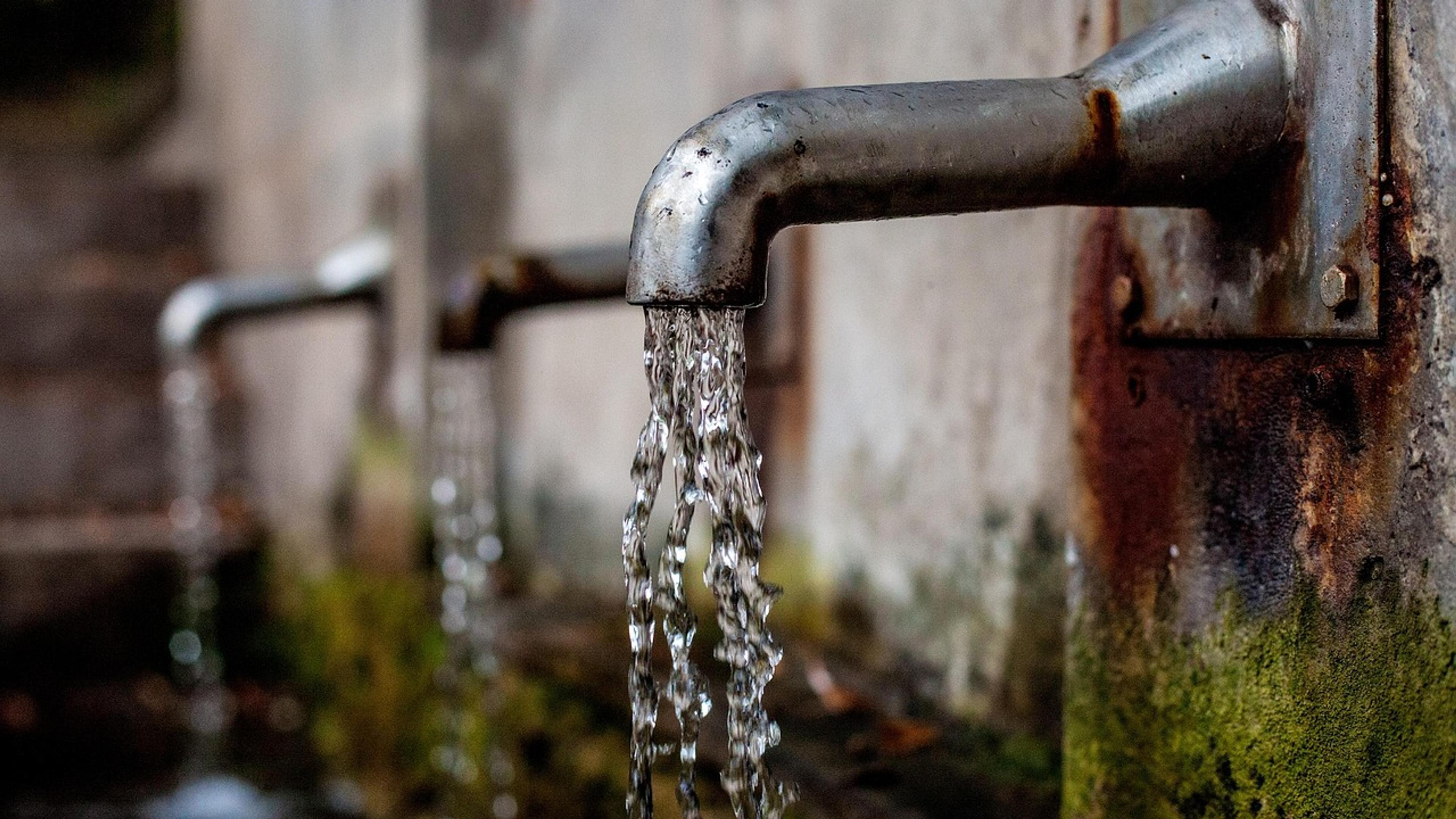
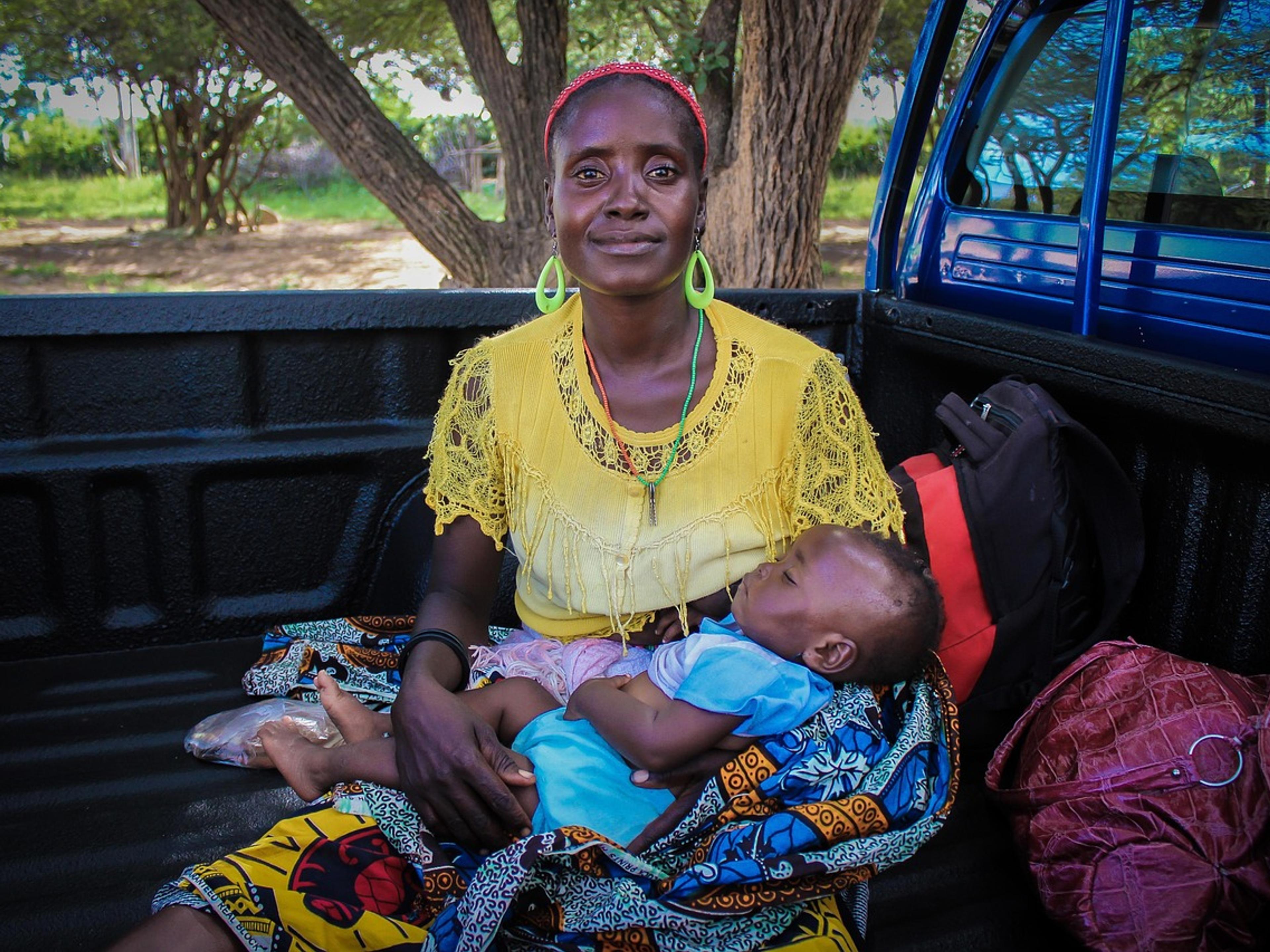
For two years, Salome has not had to walk a kilometre to a ravine to fetch water for her family in Mzogole, Tanzania, since a solar-powered safe water system was installed in her community, the nonprofit Water Mission reported for the International Day of the Girl.
Digging in the sand when the water ran low
Before the system was built, Salome walked to a sandy ravine every day to collect water. When the water was low, she had to dig in the sand until water rose to the surface. One of her younger sisters once spent days in hospital with a stomach illness.
“Walking with a bucket of water was hard, but there was no way out.” — Salome
Taps at homes, the clinic and the school
Water Mission installed a solar-powered water treatment system in Mzogole two years ago. It delivers water to community tap stands, the local health clinic and Salome's school. With the time she saved, Salome has been able to attend school regularly, and she now hopes to become a police officer, like her grandfather.
Girls carry much of the burden worldwide
Salome's experience is common. Citing a WHO and UNICEF report, Water Mission notes that women and girls are responsible for collecting water in seven out of ten households without water on their premises, and among children, girls are more likely than boys to do the job. Water Mission estimates that women and girls spend 200 million hours a day walking for water.
Water Mission is a Christian engineering nonprofit funded by donors. Bringing water closer to home is changing children's days elsewhere too, such as in a Nigerian village where a new borehole lets children reach school on time.
Sources
- Water Mission · watermission.org
How we choose and verify sources: editorial policy.
Like what you're reading?
Related stories
Six solar-powered water points ease shortages for villages in Kenya's Garissa County
Six of eight planned solar-powered community water points are complete in Garissa County, Kenya, bringing water closer to homes and livestock in Yumbis, Labisigale, Hagadera and Welher.
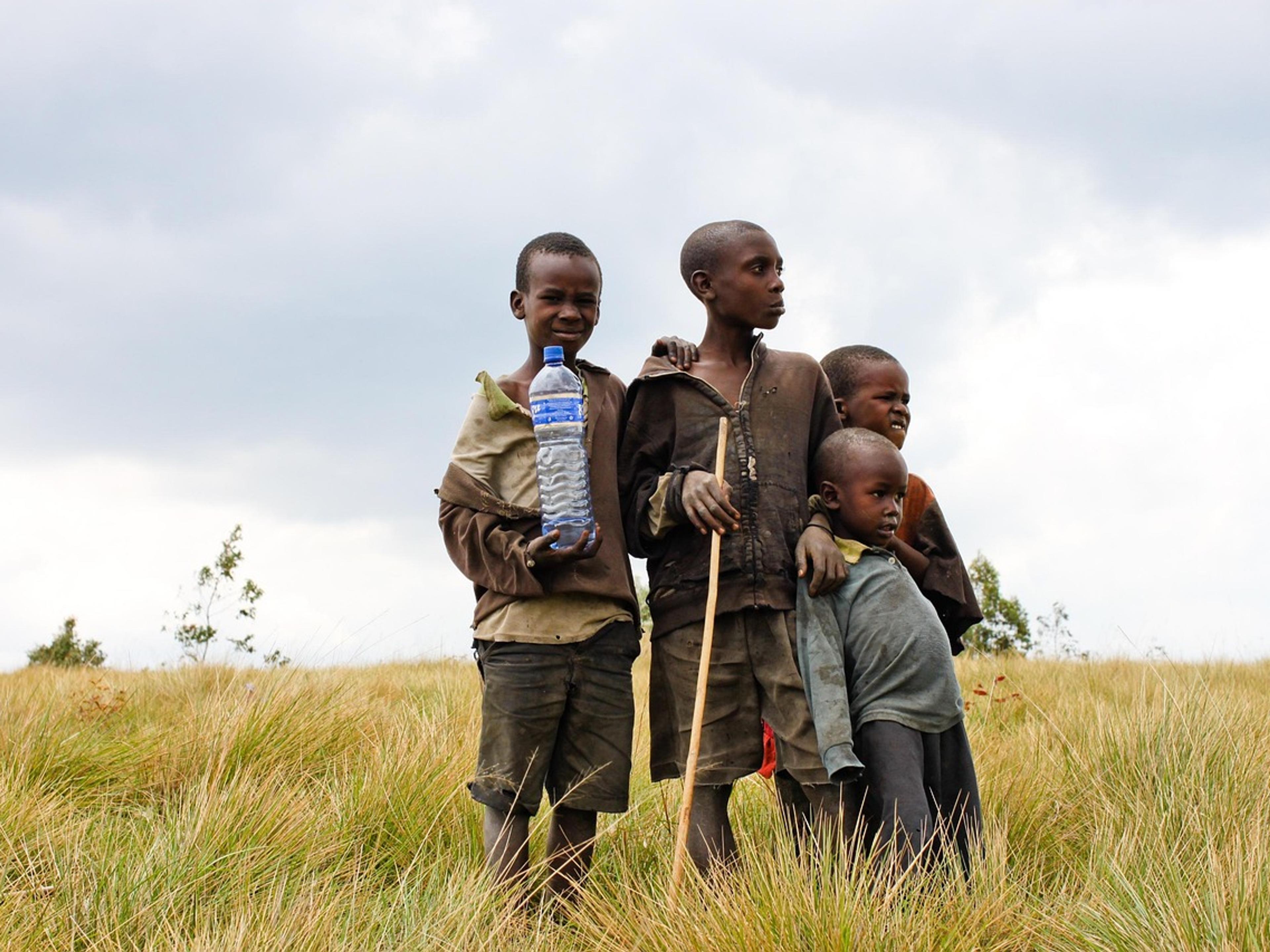
New borehole brings water closer to more than 500 people in a Nigerian village
UK charity Hope Spring Water has completed a borehole in Angwan Kyauta, Nasarawa State, so more than 500 residents no longer need to walk to distant streams, and children can get to school on time.
Women and young people in northern Cameroon train as solar installers, welders and mechanics
In Kolofata, in Cameroon's Far North Region, a UNDP and KSrelief programme is teaching trades from solar installation and water-pump repair to tailoring and catering to people rebuilding their lives after insecurity.