Child marriage in Nepal falls to 28% over a decade, UNICEF data shows
The share of young women in Nepal who married before 18 fell from 37% in 2014 to 28% in 2024-25, and marriage before 15 halved, but girls from the poorest homes are being left behind.
The share of young women in Nepal who were married before age 18 fell from 37% in 2014 to 28% in 2024-25, and marriage before 15 was cut in half, UNICEF said on 8 October. The figures come from a new UNICEF brief based on Nepal's Multiple Indicator Cluster Surveys from 2014, 2019 and 2024-25.
Girls are staying in school longer and marrying later
Marriage before 15 fell from 10% to 5% over the same decade. The median age at first marriage has risen from 17 in 2001 to 19.6, and more girls are staying in school.
Education matters most, the brief finds. Girls who complete secondary school face a much lower risk of marrying before 18, but the girls most at risk are often the ones most likely to leave school early because of poverty.
“These findings show that change is possible and that Nepal has made important progress in reducing child marriage. But progress is not happening quickly enough, and it is not reaching all girls equally.” — Alice Akunga, UNICEF Representative to Nepal
The poorest girls are four times as likely to marry young
The gains are uneven. Poverty remains the strongest predictor of child marriage: girls from the poorest households are now 4.4 times more likely to marry before 18 than girls from the richest. Rates among the poorest have barely moved in recent years, while wealthier families have seen faster change.
UNICEF warns that climate disasters, including the recent floods in Nepal, can raise the risk by disrupting schooling and squeezing household incomes. Nepal is off track to meet its commitment to end child marriage by 2030.
Keeping girls in school is also what helped Amina, a teenage mother in Uganda, return to class.
The brief calls for support aimed at the poorest households, keeping girls in school through adolescence, stronger child protection systems and work on social norms. Its release comes ahead of the International Day of the Girl Child on 11 October, whose theme this year is ending child marriage.
Like what you're reading?
Related stories
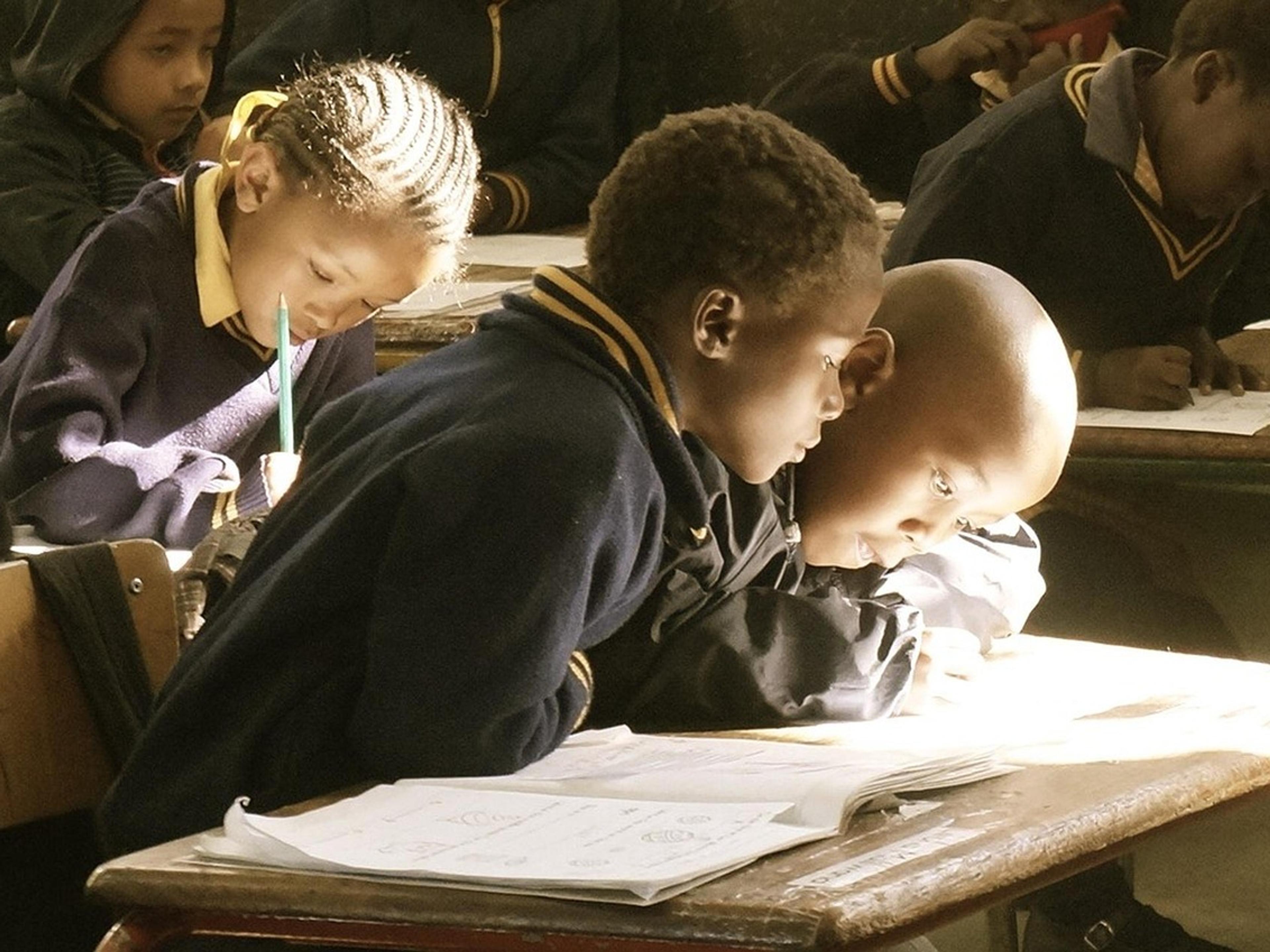
A Mother at 13, Amina Is Back in School in Uganda and Training Her Sights on Nursing
Pushed out of school by pregnancy at 13, Amina is now a 17-year-old secondary student in Uganda’s West Nile region thanks to cash support and mentoring from an EU-funded program, and she plans to become a nurse.

12-Year-Old Walks 540 km for Sick Rural Kids, and Canberra Matches His Fundraising
Dusty Langby, 12, walked 540 km from Warren, NSW, to Canberra to raise money for children’s medical flight service Little Wings. Prime Minister Anthony Albanese matched every dollar and added A$1 million.

Six Children, Seven Women Freed After Deadly Kidnapping in Haiti
Six children and seven women held captive after a deadly gang attack on Kenscoff, Haiti, have been released. UNICEF called it "a rare moment of hope" while renewing calls to free everyone still being held.