Two sheep per hectare under solar panels boosted bees and ladybugs by 38% in a Cornell study
A three-year Cornell study found that light sheep grazing at a New York solar farm raised bee and lady beetle numbers by 38% compared with mowing, while a second study gives farmers a tool to plan flocks for solar sites.
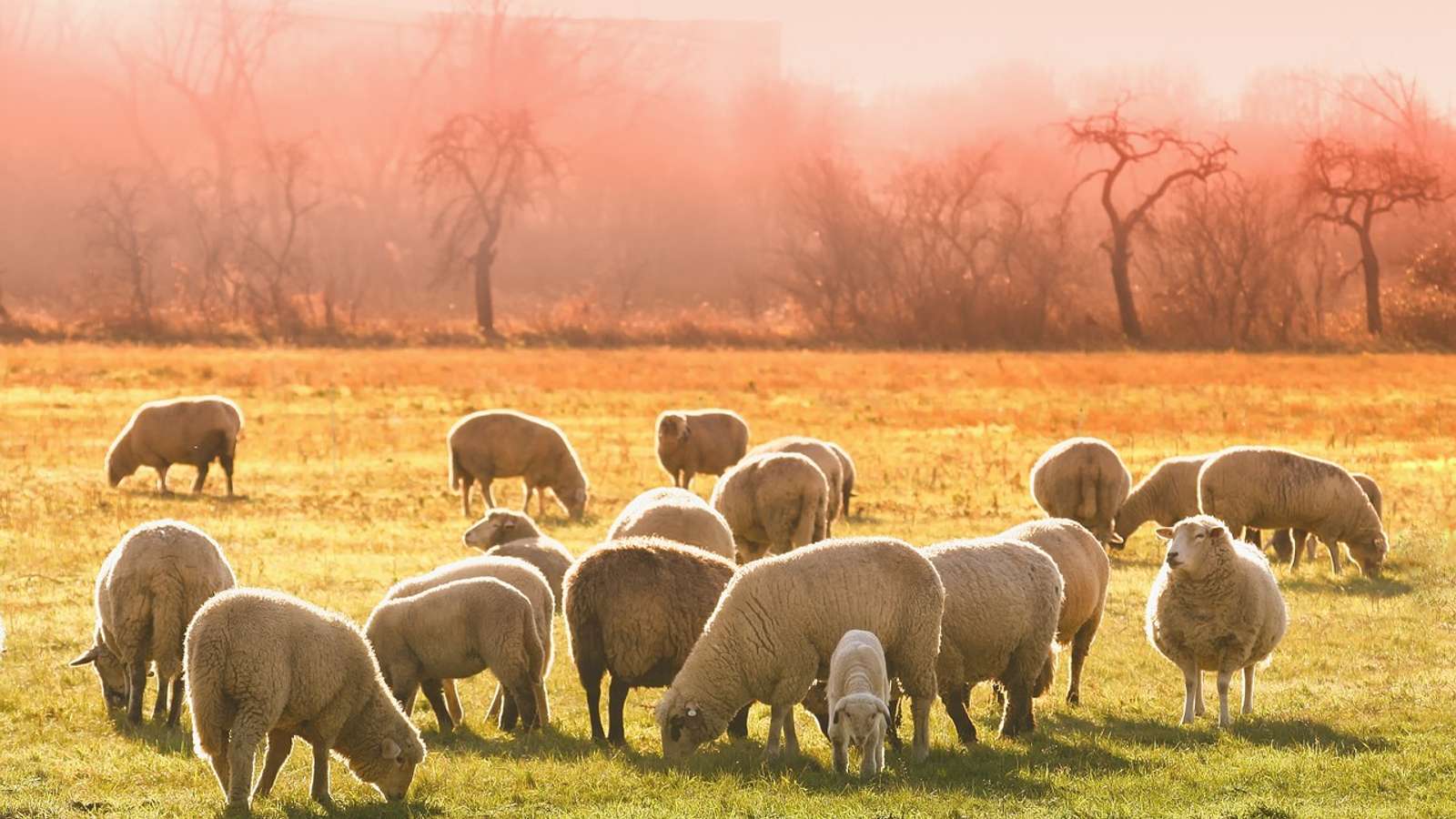
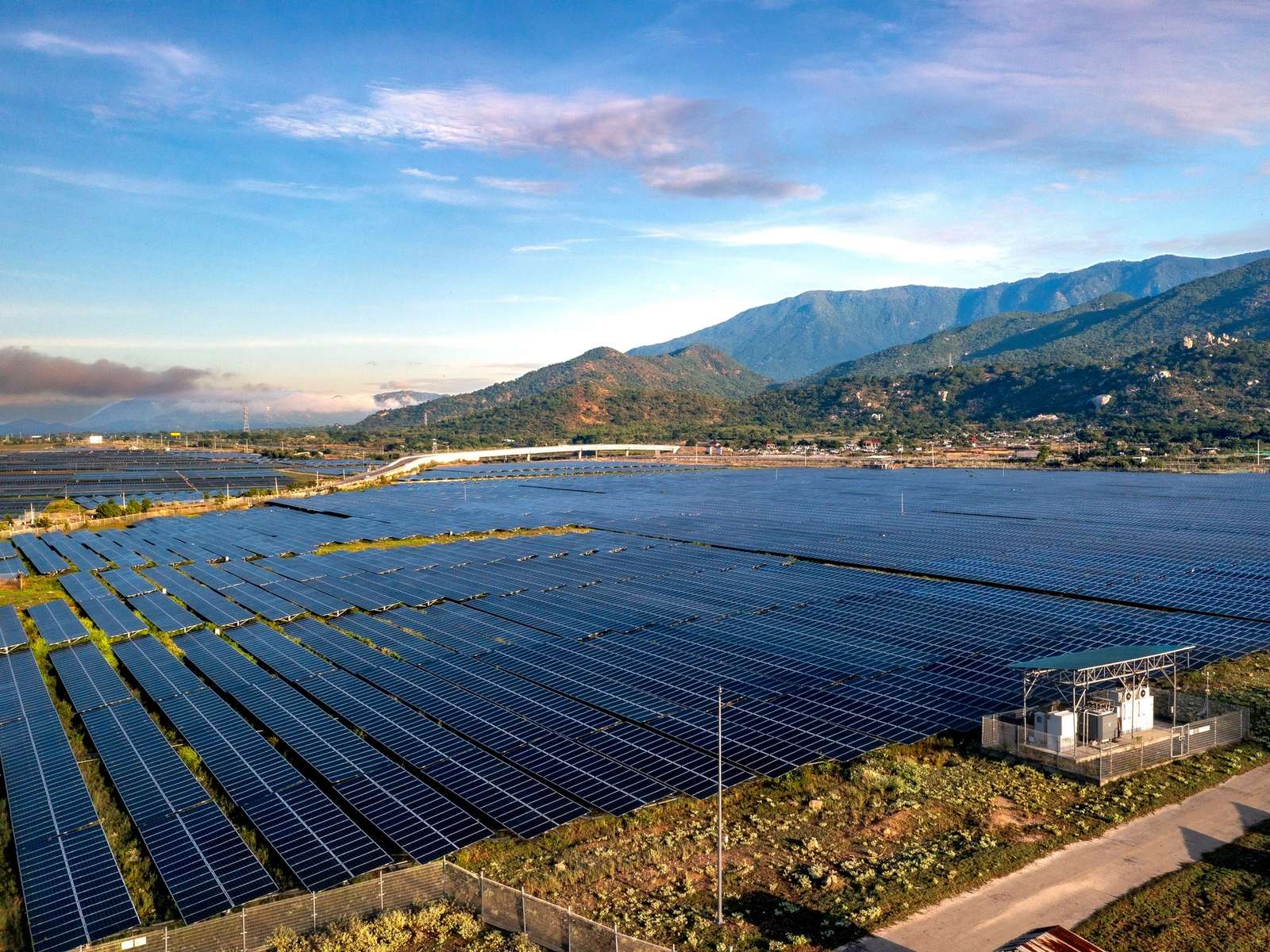
Letting a small number of sheep graze around solar panels can raise the number of helpful insects compared with mowing, a three-year study at a New York solar farm found. At two sheep per hectare, wild bees, honey bees and lady beetles together were 38% more abundant than on a mowed plot, Cornell University said. The paper was published on 7 October in Environmental Research Letters.
Fewer sheep meant more flowers for bees
The researchers tested three stocking rates, two, four and eight sheep per hectare, against mowing at Cornell's Cascadilla Community Solar Farm in Dryden. Most of the gain at the lowest density came from honey bees, which rose by 83%. At four sheep per hectare, insect numbers were similar to the mowed control, and the sheep kept the vegetation down better.
At eight sheep per hectare, the flock controlled the grass best and stayed healthy, but honey bee numbers fell by 45%. The trade-off is plain: the more the sheep eat, the fewer flowers are left for pollinators. Lady beetles matter as well, because they eat crop pests.
Leana Zoller, a postdoctoral associate, is the first author, and Steve Grodsky, an assistant professor, is the senior author. The work was funded by the Cornell Atkinson Center for Sustainability, the U.S. National Institute of Food and Agriculture and the National Science Foundation.
Solar developers pay farmers to graze
Solar farms need their vegetation managed so plants do not shade the panels, and grazing is one way to do it. Nikola Kochendoerfer, a co-author who grazes 700 ewes in New York and Vermont, said solar grazing means farmers are paid to graze instead of paying for grazing land, money that can go into expansion, equipment and staff.
A second Cornell paper, published on 28 September in Manufacturing & Service Operations Management, turns that into a planning tool. The spreadsheet model, led by Vincent Slaugh, helps farmers decide how many sheep to buy and sell based on flock size, costs, expected revenue and how much vegetation a site produces. The company United Agrivoltaics already uses it when it brings new farmers on board.
Slaugh also pointed out that about half of the lamb and mutton eaten in the United States is imported, so more domestic flocks could help rural economies.
Solar land that also produces food and habitat
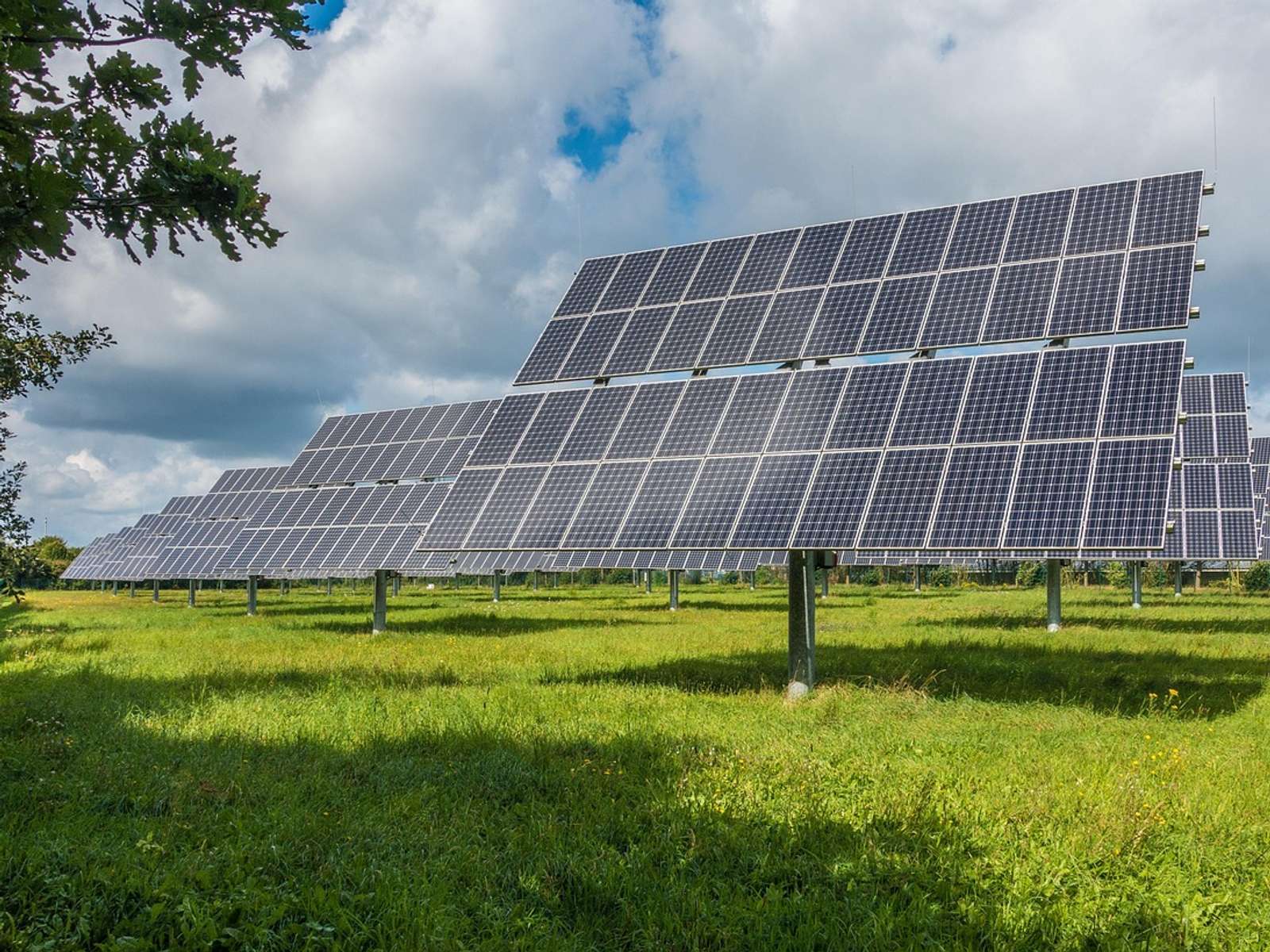
The approach, known as agrivoltaics or dual-use solar, combines solar arrays with crops, livestock or pollinator habitat on the same land, according to the U.S. Department of Energy. Solar farms are expected to last 25 years or more, so how the ground beneath them is managed matters for decades.
Solar sites can support wildlife in other ways too. In Saudi Arabia, a solar park became a breeding ground for threatened sand gazelles.
The results come from one solar farm in upstate New York over three years. The university's announcement does not say whether the team will test the stocking rates at other sites or in other climates.
Sources
- Cornell University · news.cornell.edu
- energy.gov
How we choose and verify sources: editorial policy.
Your weekly dose of good news
The 5 biggest positive stories of the week, straight to your inbox. Free, no noise.
Like what you're reading?