Young Kenyans have replanted more than 15 hectares of mangroves on the Kwale coast
A youth-led network and local fishers have restored more than 15 hectares of degraded mangroves at Nyumba Sita in Kenya's Kwale County. They now aim for 200 hectares by 2030.
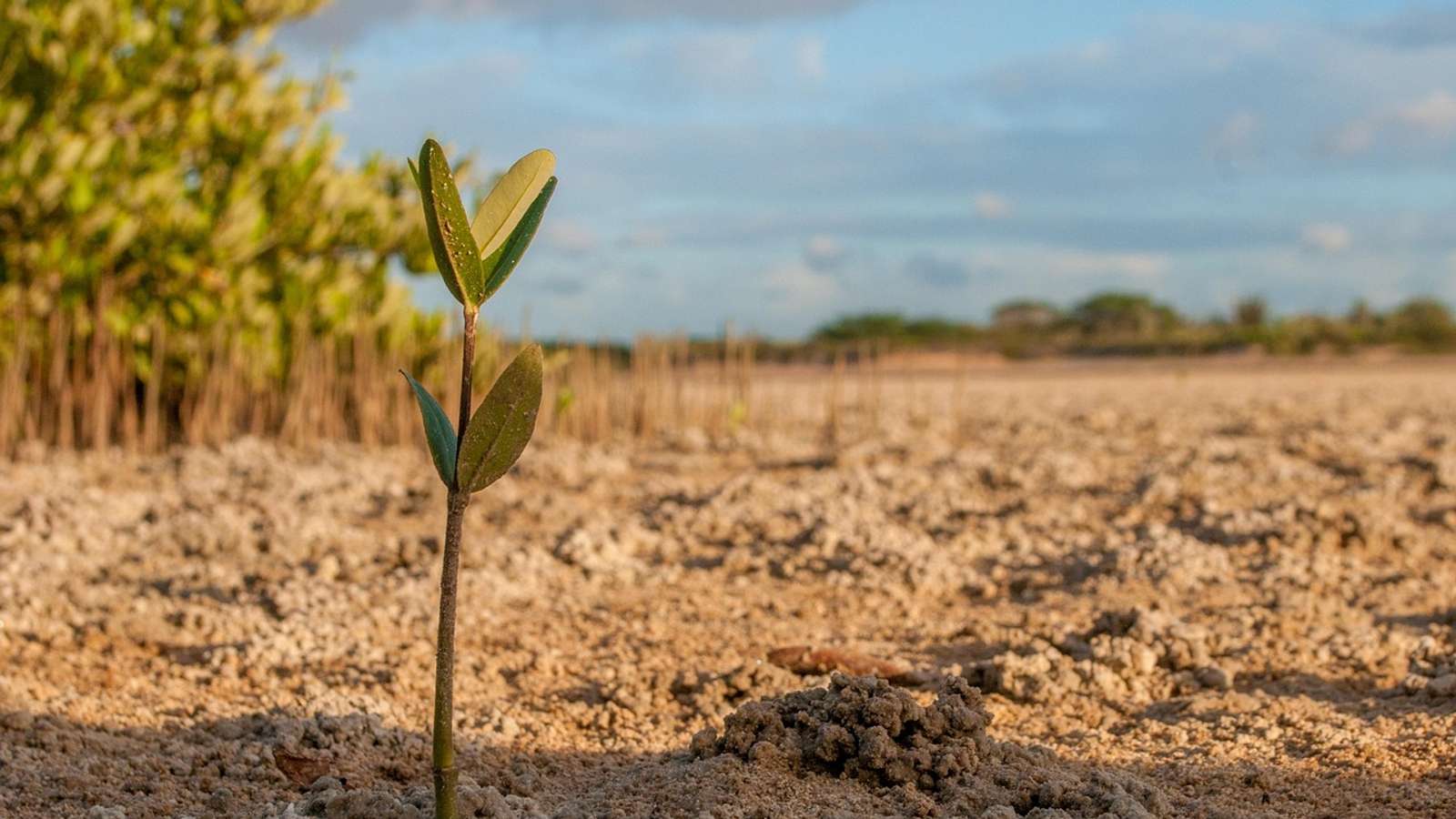
Students and young volunteers working with the Kenyan Youth Biodiversity Network (KYBN) have restored more than 15 hectares of degraded mangroves at Nyumba Sita in Kwale County, on Kenya's south coast near Msambweni, according to the Global Environment Facility. The group now wants to reach 200 hectares by 2030.
The young people raise seedlings in nurseries, learn which mangrove species suit which spot on the shore, and plant them along the coast. More than half of those taking part come from nearby schools and colleges, including Ukunda Vocational Training Institute, Pwani University and the Technical University of Mombasa.
Local fishers are partners because mangroves feed the fishery
KYBN works with the Shangani Amani Self-Help Group, a local community organization, and with county officials. For its members the work is about income as much as nature.
“As fisherpersons, we depend on the ocean directly for livelihoods, and mangroves are essential breeding grounds for fish.” — Ali Nguvu, Chair, Shangani Amani Self-Help Group
Kinanasi Jasho Kiyoga, the group's vice chair, said mangroves "make the air better, block coastal storms, and provide nesting grounds for fish, which in turn help our communities."
Older residents see it as repair work. Bakari Salim, chief of Msambweni Location, said KYBN is "helping us [older generations] rectify a problem we created through rampant deforestation of the then-thriving mangrove ecosystems."
Kwale has some of Kenya's best restoration sites
Kenya has about 54,000 hectares of mangroves, and more than 800,000 coastal fishers depend on them, Wetlands International reported in February. The organization says the forests have been lost mainly to urban development, wood cutting, land clearing for salt production, oil spills and port construction. It counts at least 3,300 hectares available for restoration, particularly in Kwale.
Measured against that, 15 hectares is a modest start. The figure has grown over time: Kenya's seventh national report to the Convention on Biological Diversity cited 10 hectares restored at Nyumba Sita at an earlier point, according to the GEF.
A $100,000 award paid for the group's expansion
KYBN was founded in 2017 as the Kenyan chapter of the Global Youth Biodiversity Network, the official youth platform of the UN Convention on Biological Diversity. It has more than 1,200 members and 45 grassroots organizations. In 2023 it was one of 21 recipients of the $100,000 Inclusive GEF Assembly Challenge Award, announced at the seventh GEF Assembly in Vancouver. The money helped it start mangrove and wetland projects with youth groups in Somalia, Tanzania, the Democratic Republic of the Congo and South Africa.
Its next plans, now supported by the GAN Impact Fund, include restoration around the Diani-Chale National Reserve and mangrove-based income such as ecotourism and mangrove honey. KYBN is also writing a manual on youth-led restoration of coastal "blue carbon" ecosystems for the Western Indian Ocean, a region whose governments adopted 15 decisions on reefs, mangroves and seas at a recent Nairobi Convention meeting.
"KYBN remains a formidable platform for showcasing that young people are equal partners in the shared global vision of halting biodiversity loss by 2050," said Esther Maina, the network's national coordinator. The GEF feature does not say how many seedlings have been planted or how many have survived.
Sources
- Global Environment Facility (GEF) · thegef.org
- wetlands.org
How we choose and verify sources: editorial policy.
Like what you're reading?
Related stories
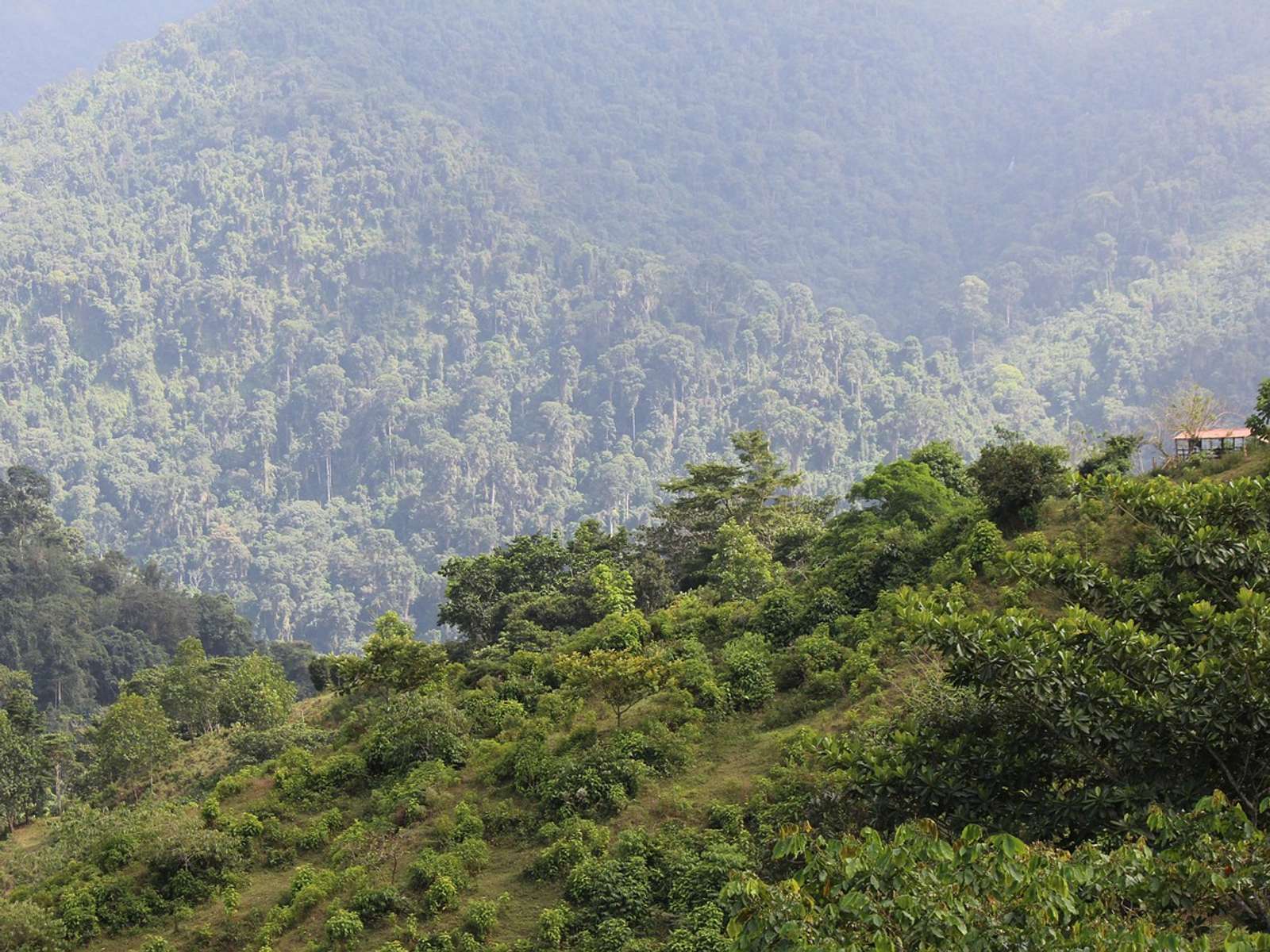
Landmine clearance in Colombia aims to let Indigenous communities protect 18,000 hectares of forest
The HALO Trust will clear landmines from almost 18,000 hectares in Colombia's Meta region so two Indigenous communities can return to and guard their land. The three-year project costs about $1 million.
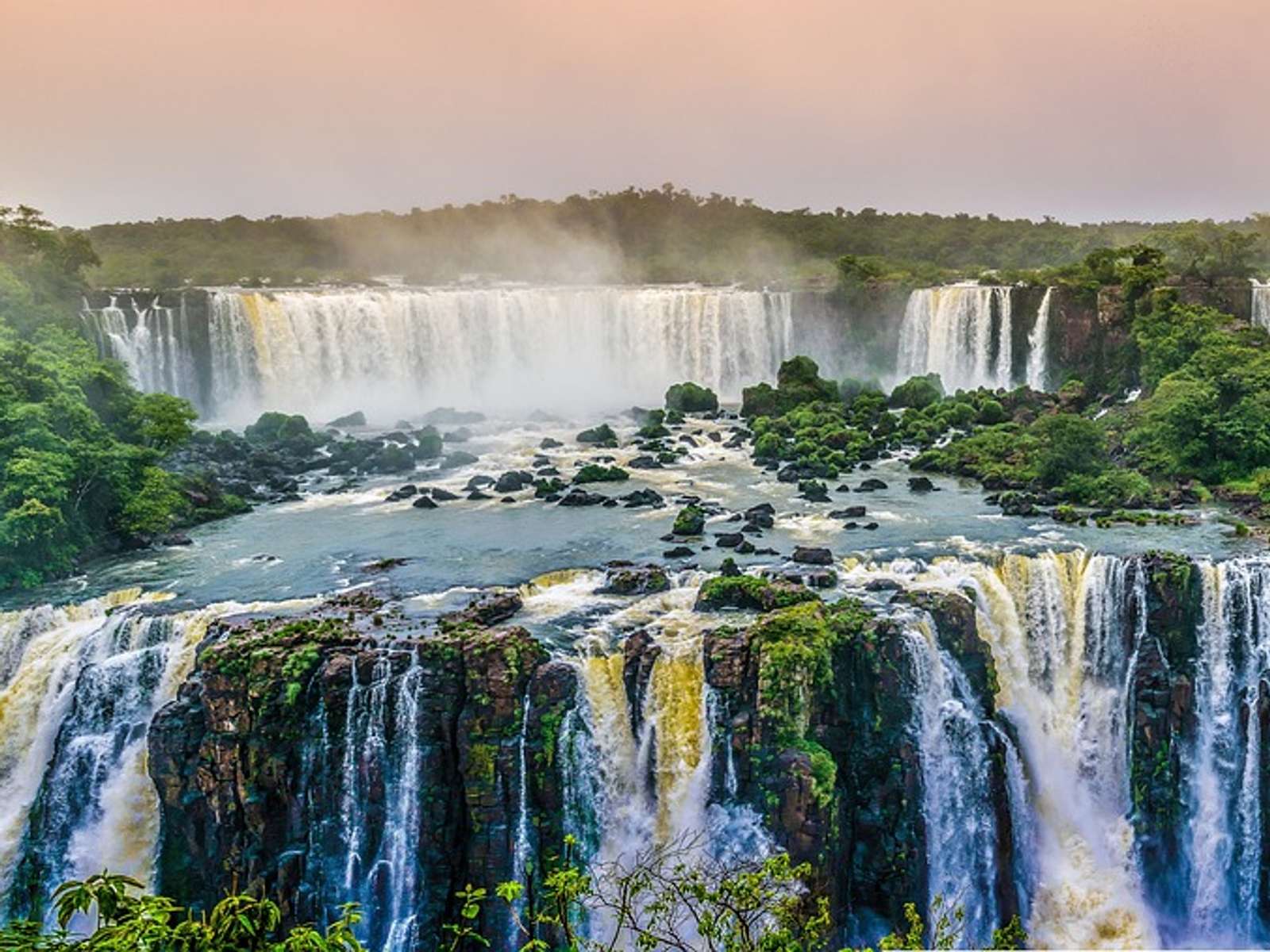
A $9 million Indigenous-led project is protecting 6 million hectares across Brazil
Ywy Ipuranguete, a $9 million project funded by the Global Biodiversity Framework Fund, supports Indigenous communities in managing 15 Indigenous lands covering about 6 million hectares across five Brazilian biomes.
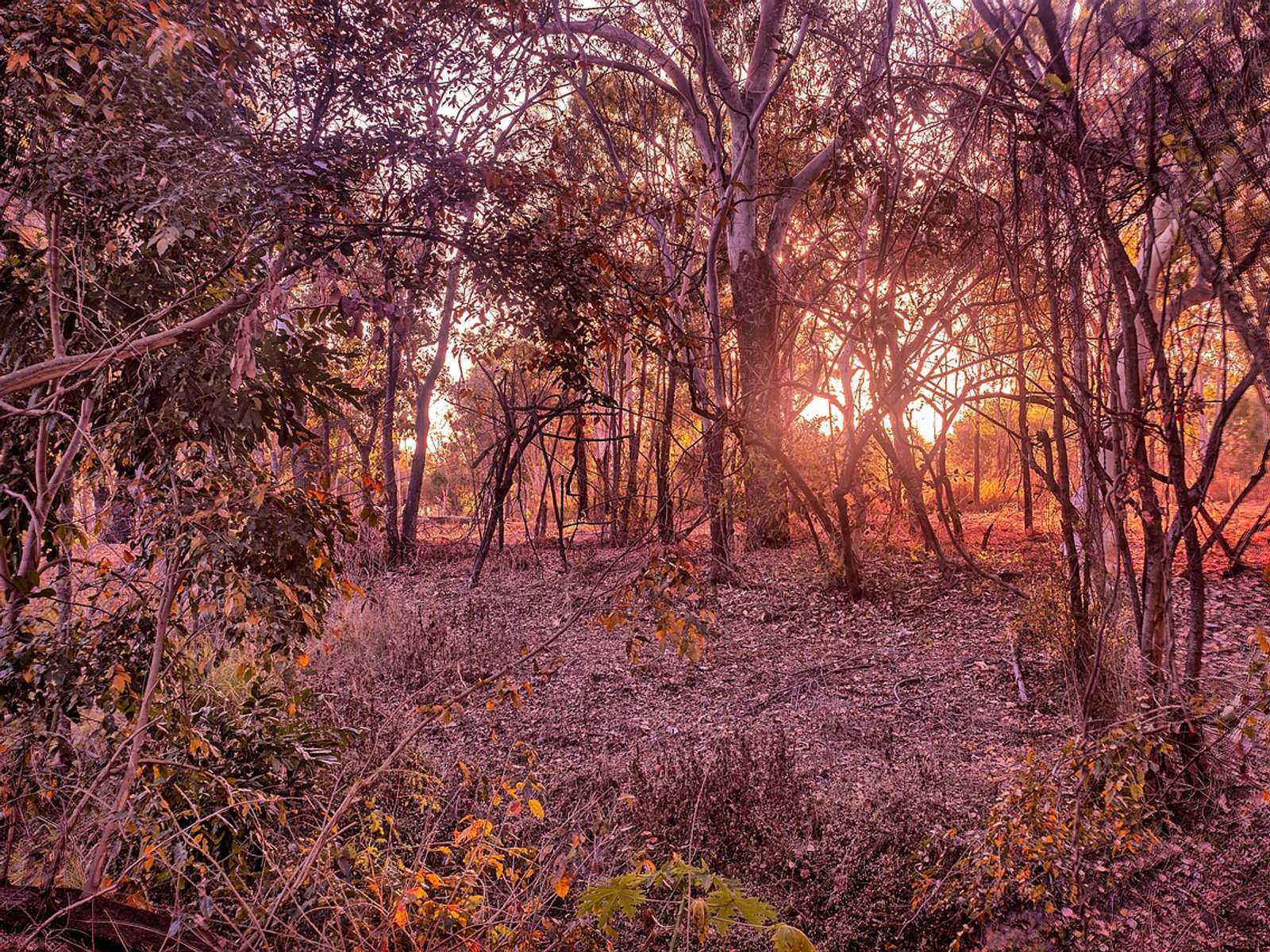
Victoria creates three new national parks covering over 65,000 hectares in the Central West
Victoria has formally established three new national parks, Mount Buangor, Pyrenees and Wombat–Lerderderg, along with new conservation and regional parks and nearly 30 reserves.