Bird-of-prey kites and googly-eyed buoys cut seabird deaths in Cornish fishing nets, a trial finds
In a trial with 10 Cornish fishers, nets with bird-of-prey kites had 71% lower odds of catching guillemots and razorbills, and nets with spinning 'looming-eye' buoys 59% lower, a study in Conservation Letters found.
By Diego Callegari, Editor
· United Kingdom · 1 min read
Source: Mongabay (on a study in Conservation Letters, University of Exeter, RSPB, Fishtek Marine) ↗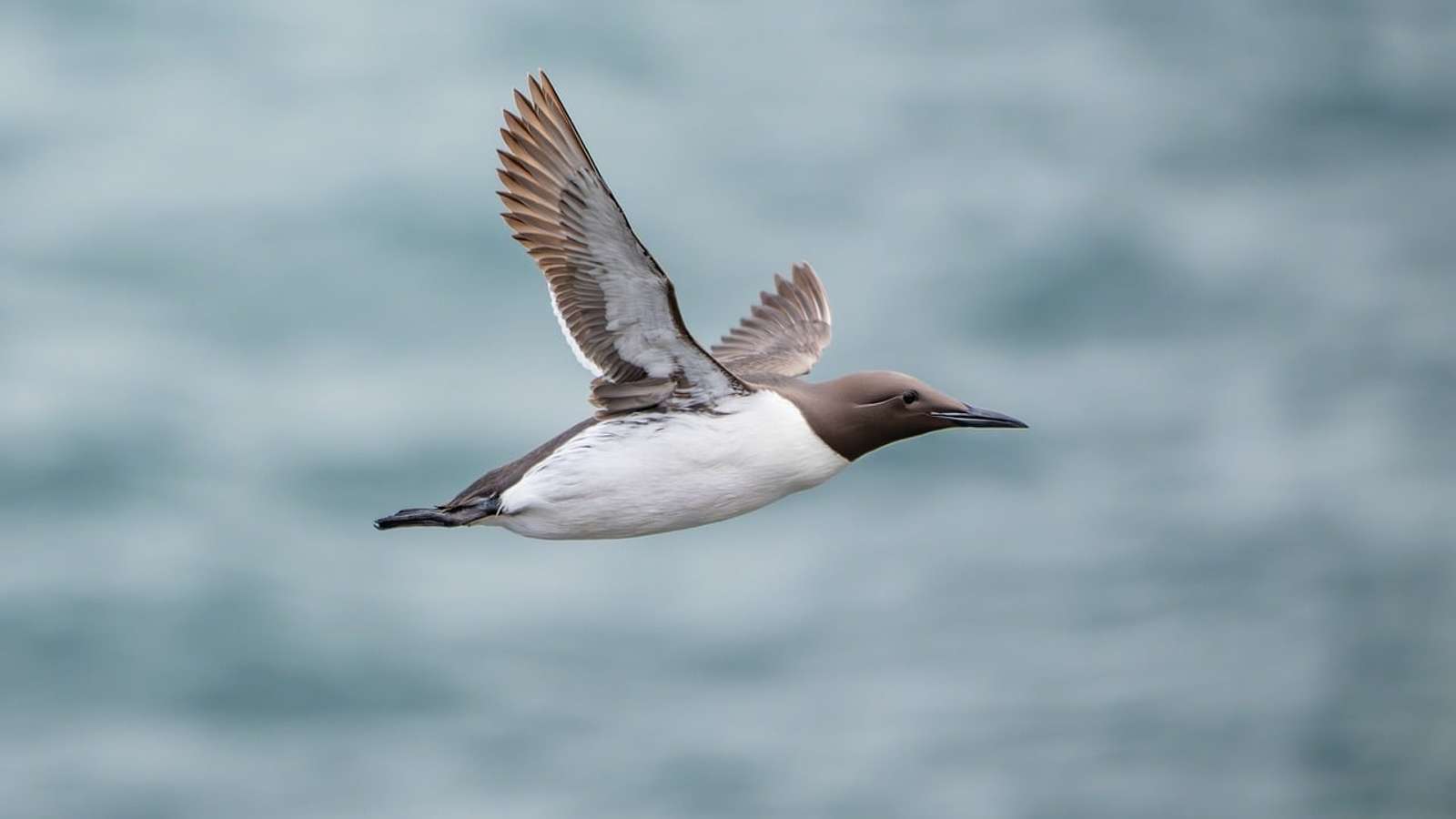
Simple scare devices can keep seabirds out of fishing nets, according to a trial off Cornwall in southwest England, Mongabay reported on 23 October. Nets fitted with kites shaped like birds of prey had 71% lower odds of catching auks, guillemots and razorbills, and nets with spinning “looming-eye” buoys had 59% lower odds. The study was published in Conservation Letters.
A thousand nets, filmed haul by haul
Ten fishers set 1,057 gillnets, about 129 km in total, between October 2023 and March 2025, with cameras and GPS recording every haul. Nets were set in pairs at least 200 meters apart, one with a deterrent and one without. Bycatch was highest in nets targeting sea bass and mackerel.
The nets caught 191 non-fish animals: 153 birds, 25 seals and 13 cetaceans. Guillemots and razorbills made up nearly three-quarters of the total, and almost all were dead when hauled.
Bycatch “is not an inevitable consequence of fishing.” — Tom Horton, University of Exeter, lead author
Kites up close, buoys over a wider area
Within 30 meters of a device, kites worked better than buoys, while buoys were moderately effective over a wider area. The authors suggest kites spaced roughly 60 to 80 meters apart could be practical for coastal gillnet fisheries. The buoys were developed by the company Fishtek Marine with the RSPB, and the work was mostly funded by the UK government's environment department, Defra.
Limits and open questions
Kites worked poorly in very light winds and were harder to handle in strong winds. Nets with buoys caught more seals, 15 against 6 in control nets, which needs more testing. A Danish study found buoys deterred birds only for about the first month, and an Icelandic trial in the lumpfish fishery found no effect. Three of the authors work for Fishtek, which makes the buoys.
Fishing gear also traps turtles; this month in Abu Dhabi, 43 rehabilitated sea turtles were returned to the sea.
Sources
- Mongabay (on a study in Conservation Letters, University of Exeter, RSPB, Fishtek Marine) · news.mongabay.com
How we choose and verify sources: editorial policy.