Sea turtles nest again on Samoa's Nu'utele Island a year after rats and feral pigs were removed
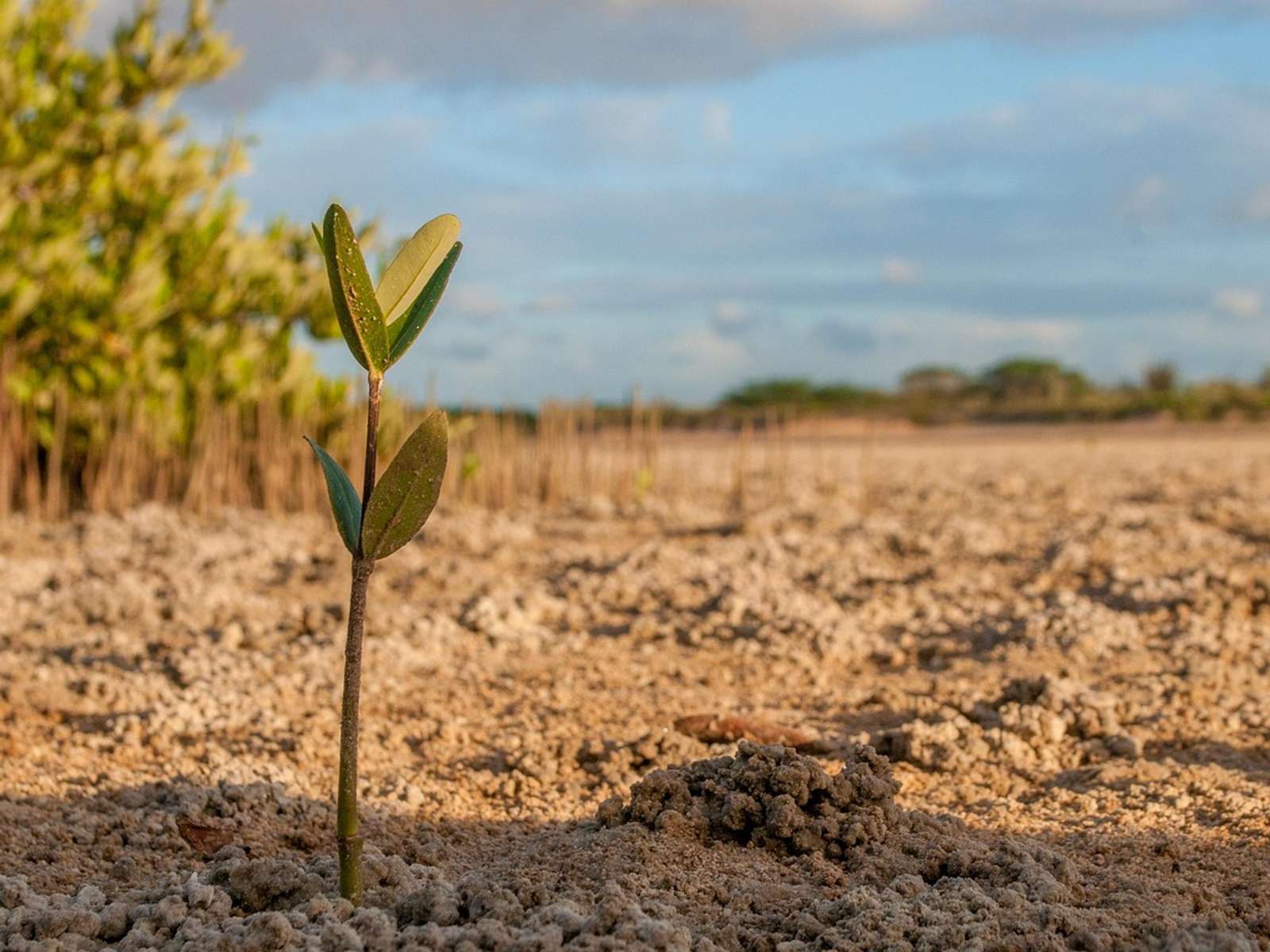
One year after Samoa's environment ministry and partners cleared invasive rats and feral pigs from Nu'utele Island, sea turtles are nesting there again after decades, native seedlings carpet the forest floor and rare ground-doves are breeding.
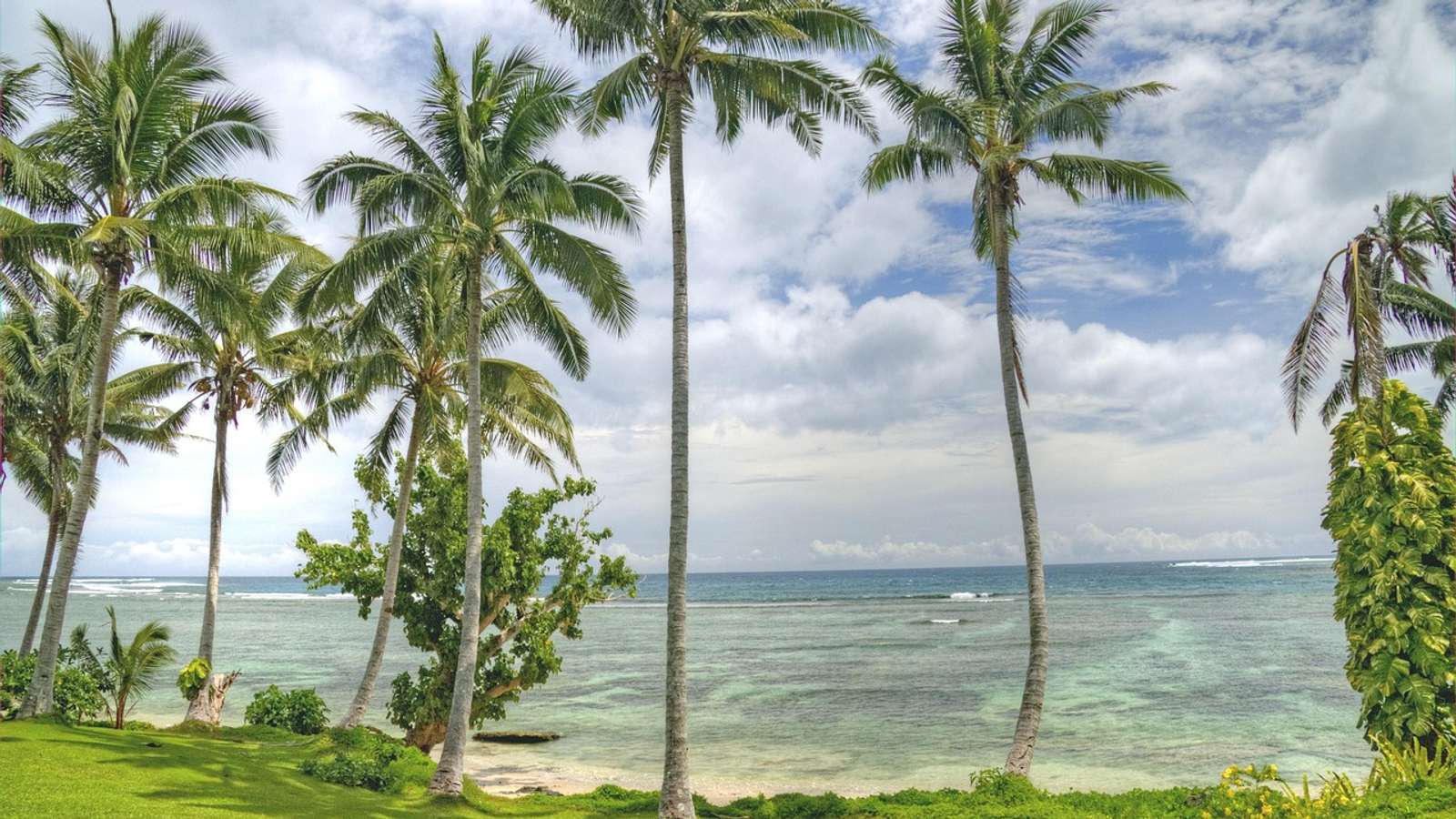
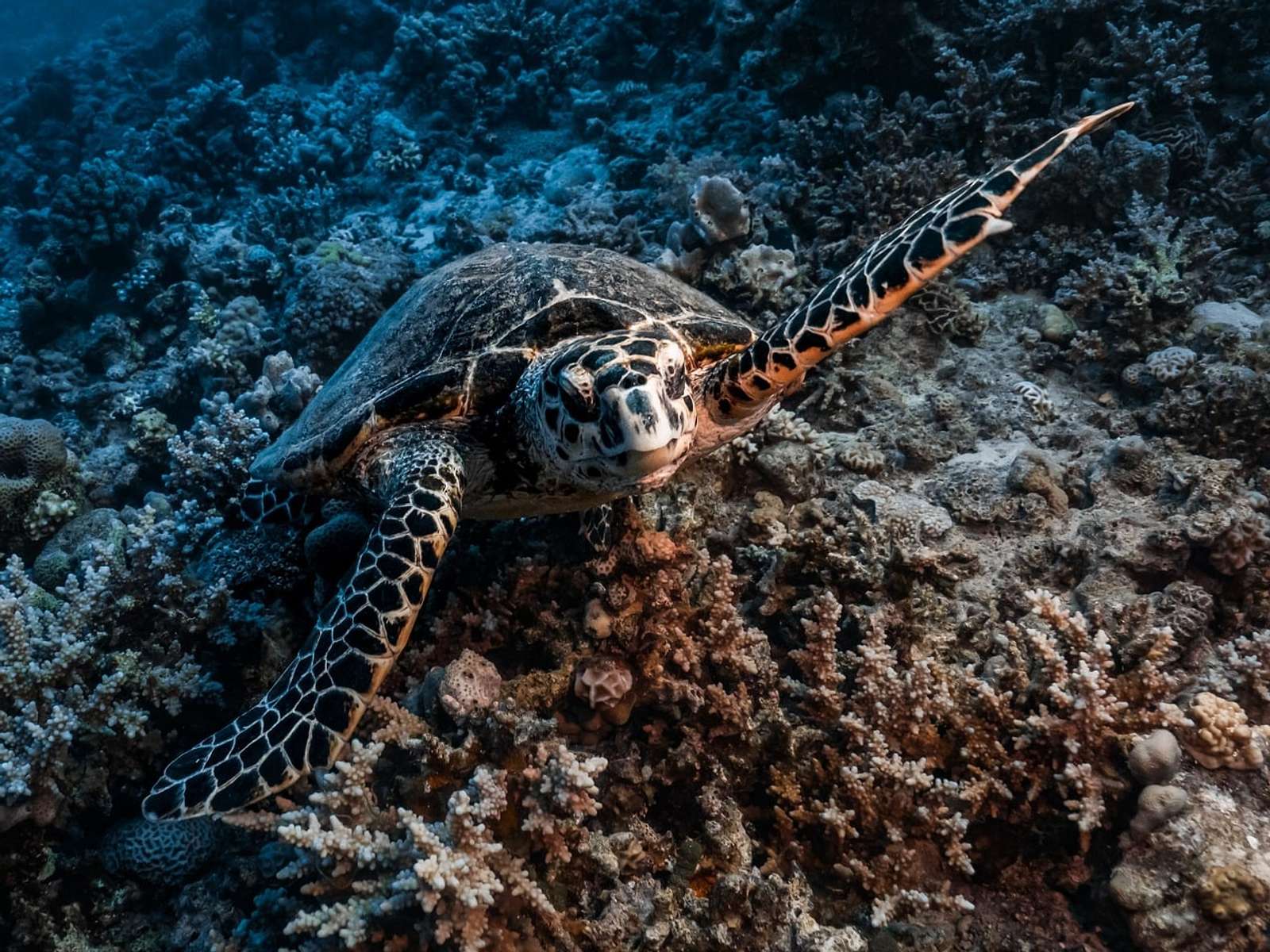
Sea turtles are nesting again on Nu'utele Island in Samoa for the first time in decades, a year after invasive rats and feral pigs were removed, Island Conservation said on 20 October. The restoration was led by Samoa's Ministry of Natural Resources and Environment (MNRE) with local landowners, Island Conservation and PRISMSS, a regional invasive species service led by the Secretariat of the Pacific Regional Environment Programme.
Between March 2025 and May 2026, field teams made 12 expeditions and spent more than 130 days on the island. Nu'utele is a Key Biodiversity Area inside a marine protected area, and community members from Aleipata took part in the work.
Seedlings on the forest floor, doves on their nests
“In many areas, native seedlings are carpeting the forest floor.” — Paul Jacques, Project Manager, Island Conservation
One month after the removal, researchers found several active nests of the shy ground-dove with eggs in bird's-nest ferns; Nu'utele holds Samoa's largest remaining population of the species. They also recorded a Samoan starling nest and breeding by the Samoan flycatcher and whistler. A land crab species new to the island has been found, and a local family now grows bananas, pineapples, papayas and taro where crops used to fail.
Invasive species drive most island extinctions
The results matter beyond Samoa. Invasive alien species are mainly responsible for 90% of recorded extinctions on islands and played a major role in 60% of all recorded plant and animal extinctions worldwide, according to a 2023 assessment by IPBES, the UN-backed science panel on biodiversity. The same assessment found that 88% of eradication programs on islands succeeded, across 1,550 efforts on 998 islands.
Removing rats can also help reefs. A study published this month found that reefs around rat-free atolls rich in seabirds grow up to 2.5 times faster.
A rare forest bird is next
The next step is to move the threatened Mao, a native Samoan forest bird, to Nu'utele to start a new population, part of Island Conservation's 2026 to 2032 Restoring Pacific Islands for Nature and People Project. Long-term monitoring of the forest and wildlife will follow. The work was funded by the PRISMSS Predator Free Pacific program, backed by New Zealand and the UK, with support from Germany's International Climate Initiative. More restoration stories are collected under habitat restoration.
Sources
- Island Conservation · islandconservation.org
- ipbes.net
How we choose and verify sources: editorial policy.