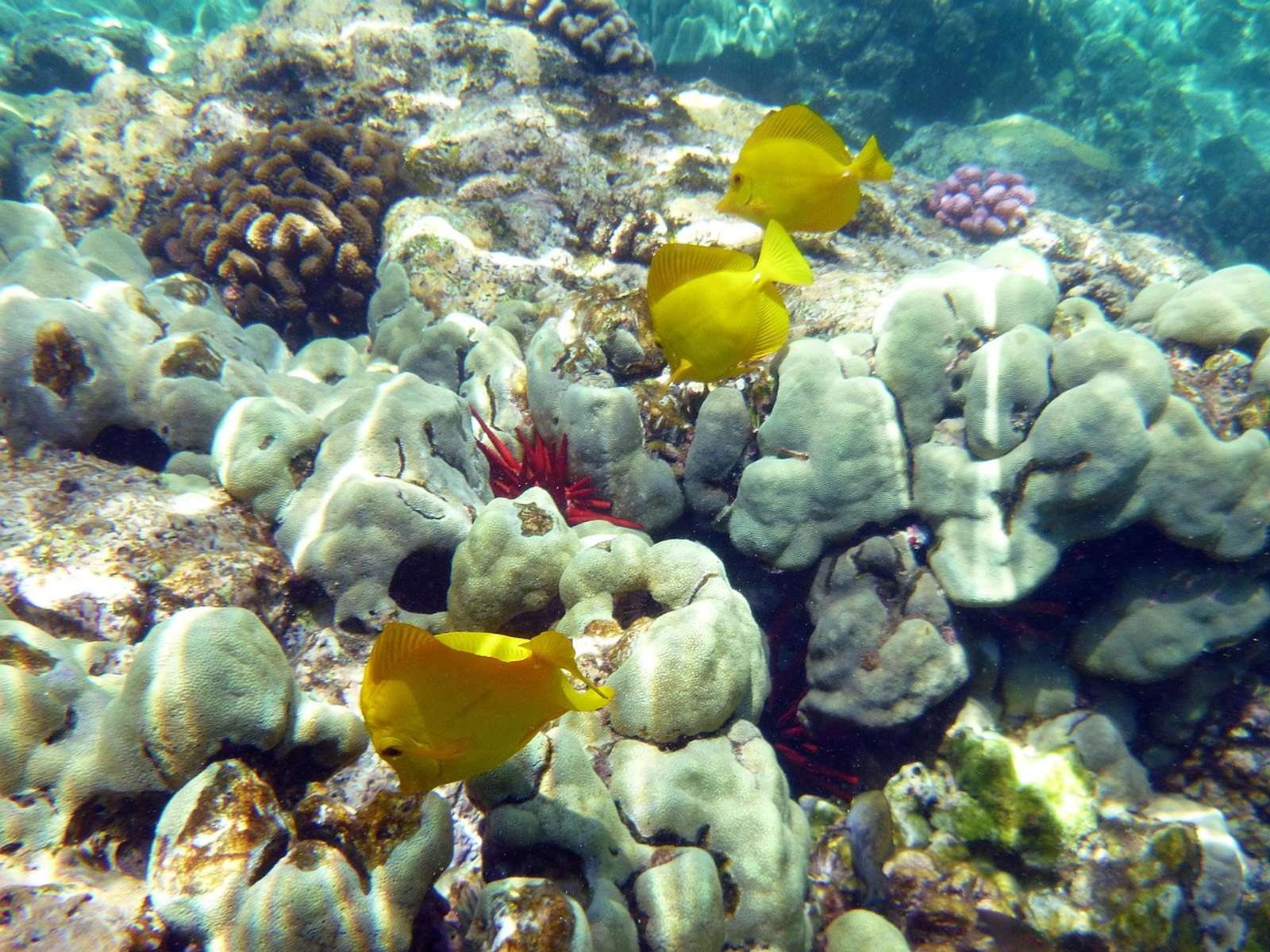
Eight of 60 concrete structures were in place off Kalaeloa Harbor on O'ahu by 20 October, part of a $27 million DARPA-funded hybrid reef meant to reduce wave energy and give corals a home, Mongabay reported. Installation should finish by January 2027.
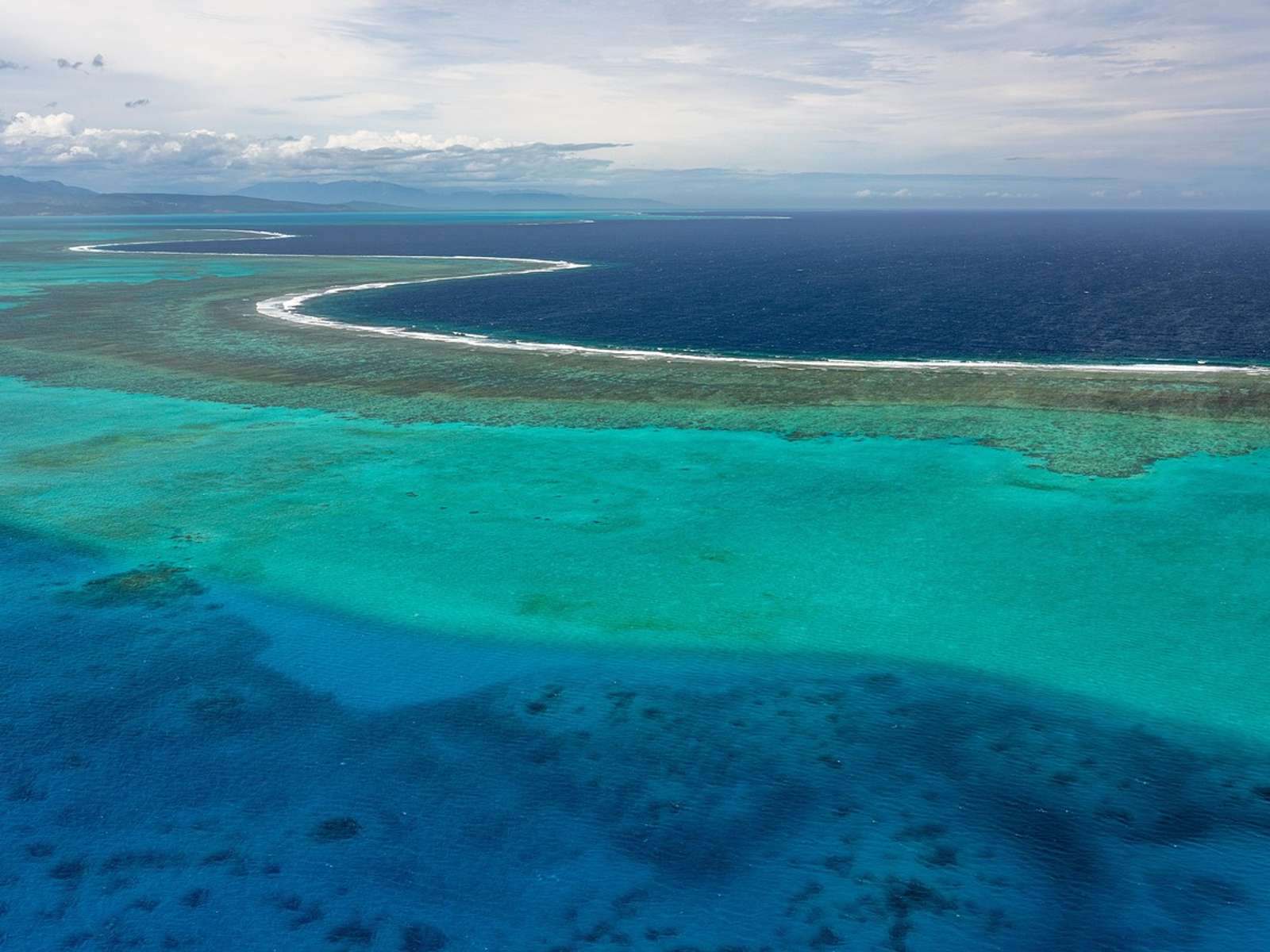
A Lancaster University-led study of 28 atoll islands found reefs around rat-free, seabird-rich islands grow 1.8 to 2.5 times faster, fast enough to keep pace with sea-level rise under 2°C of warming, the authors project.

A Cornell-led review of nearly 400 studies in Current Biology finds birds move nitrogen and phosphorus between sea, lakes and land through their waste and bodies, feeding coral reefs and forests. Where seabird colonies vanish, reefs suffer.
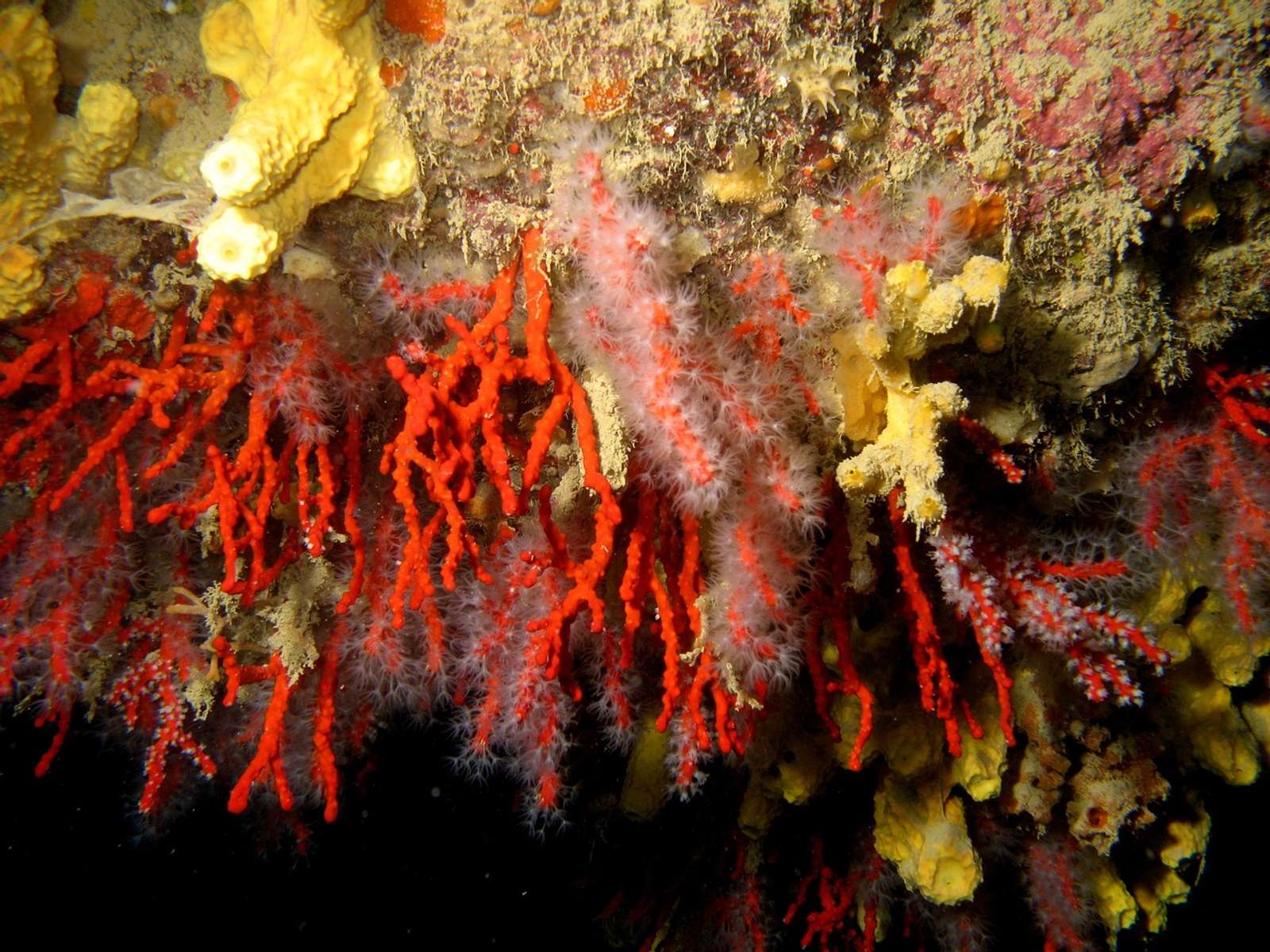
Scientists have described Laurinque elenya, a bright yellow deep-sea coral from seamounts off Costa Rica, and placed it in a new family, Laurinqueidae, named with an Elvish word from The Lord of the Rings.
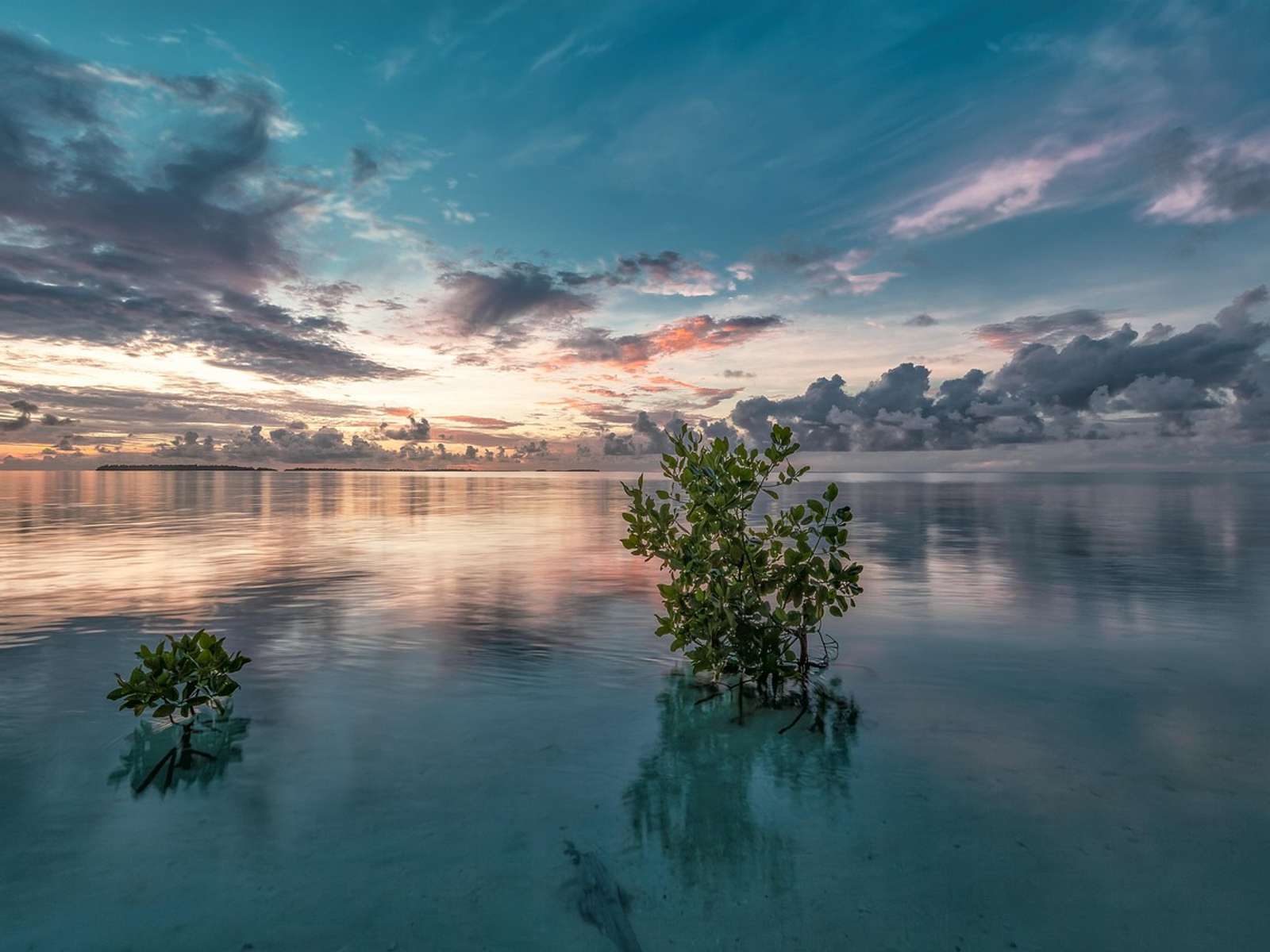
Meeting in Dar es Salaam for the Nairobi Convention's 40th anniversary, ten countries adopted 15 decisions on plastic pollution, mangroves, seagrass, coral reefs and the blue economy.
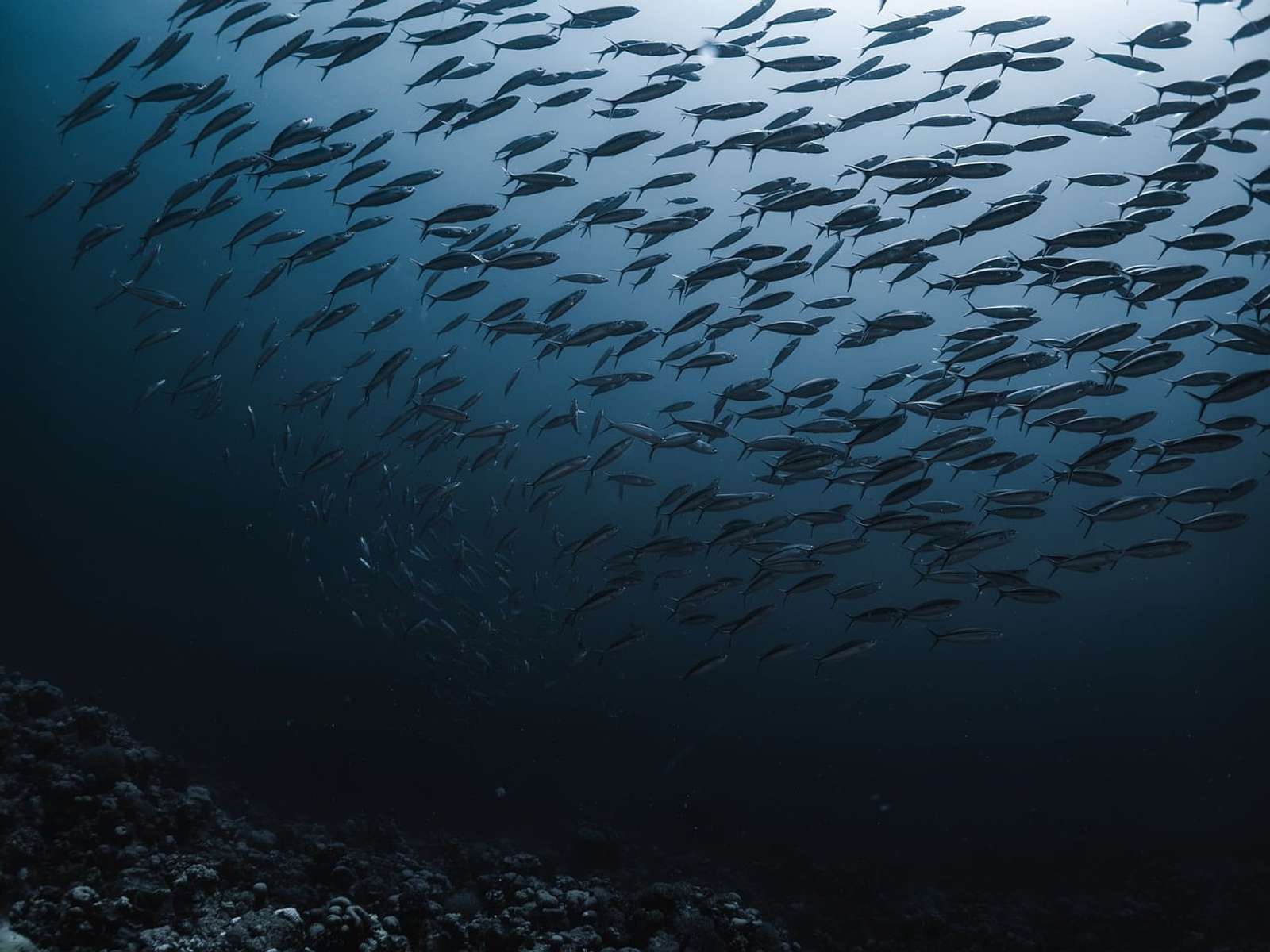
Field studies in Hawaii led by Scripps Institution of Oceanography found that broadcasting healthy reef sounds increased coral settlement near the speaker and drew 4 to 14 times more fish larvae.
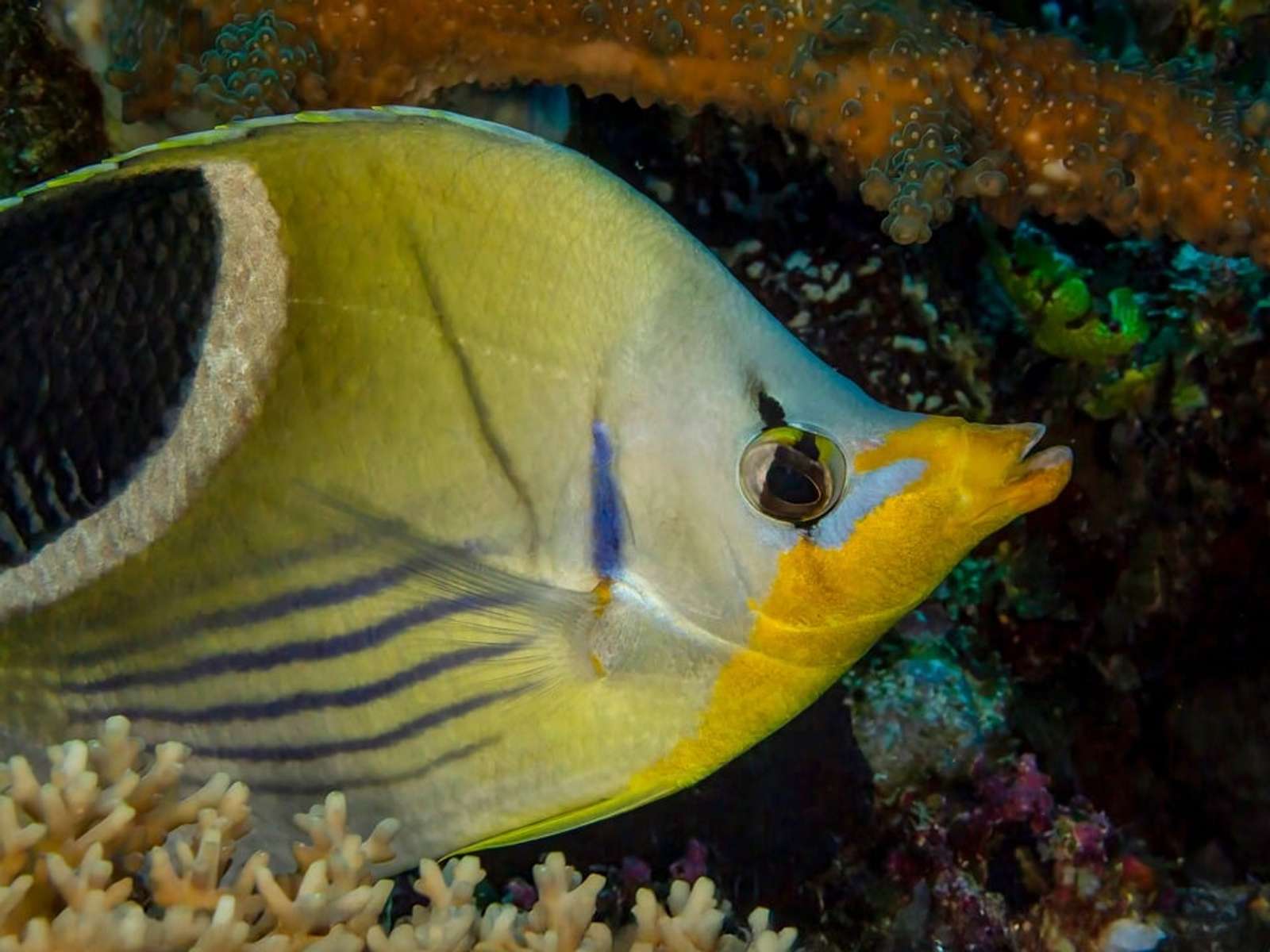
Fiji has launched a National Action Plan for Coral Reef Conservation, drawing on University of Queensland research that identified reefs less exposed to climate stress.
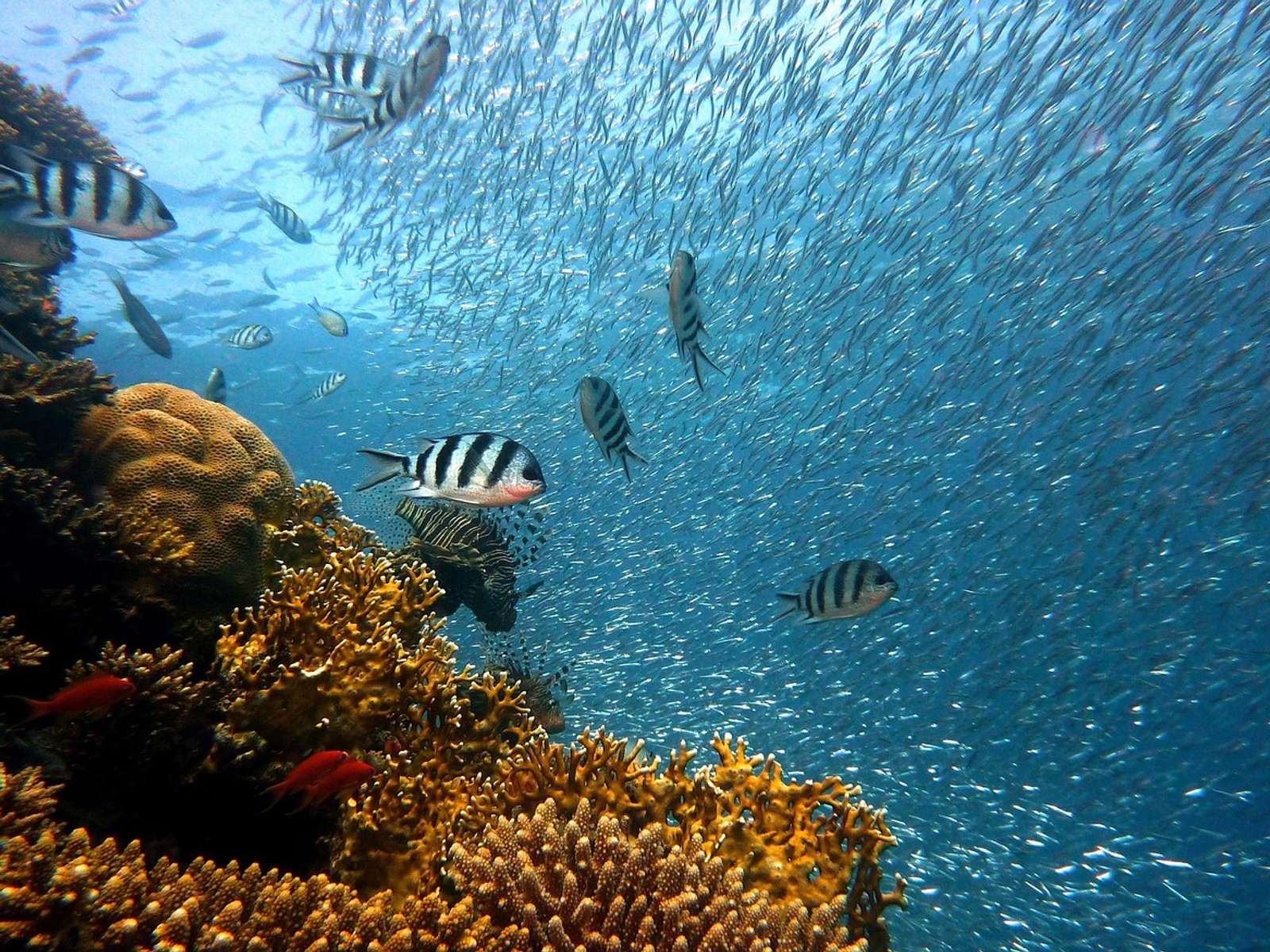
KAUST scientists treated pale corals on a Red Sea reef with coral-derived bacteria during a 2022 heat wave. Treated corals kept their photosynthetic efficiency while placebo corals declined, a Cell Reports study shows.