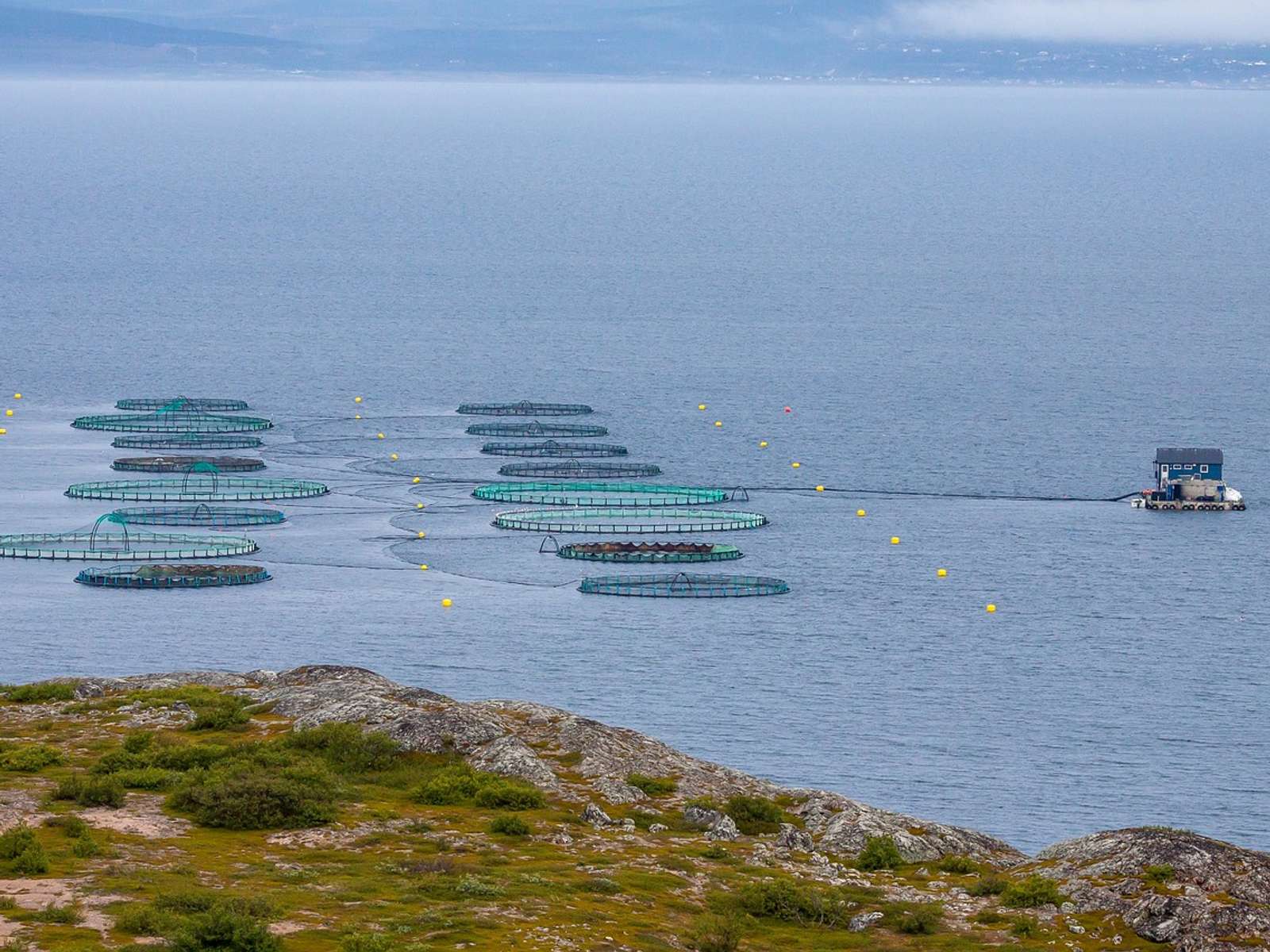
University of Queensland researchers are using methane and carbon dioxide from digested organic waste to grow protein-rich cells for fish feed, aiming to cut the use of wild-caught fish in aquaculture. The work is at lab stage, with pilot trials next.
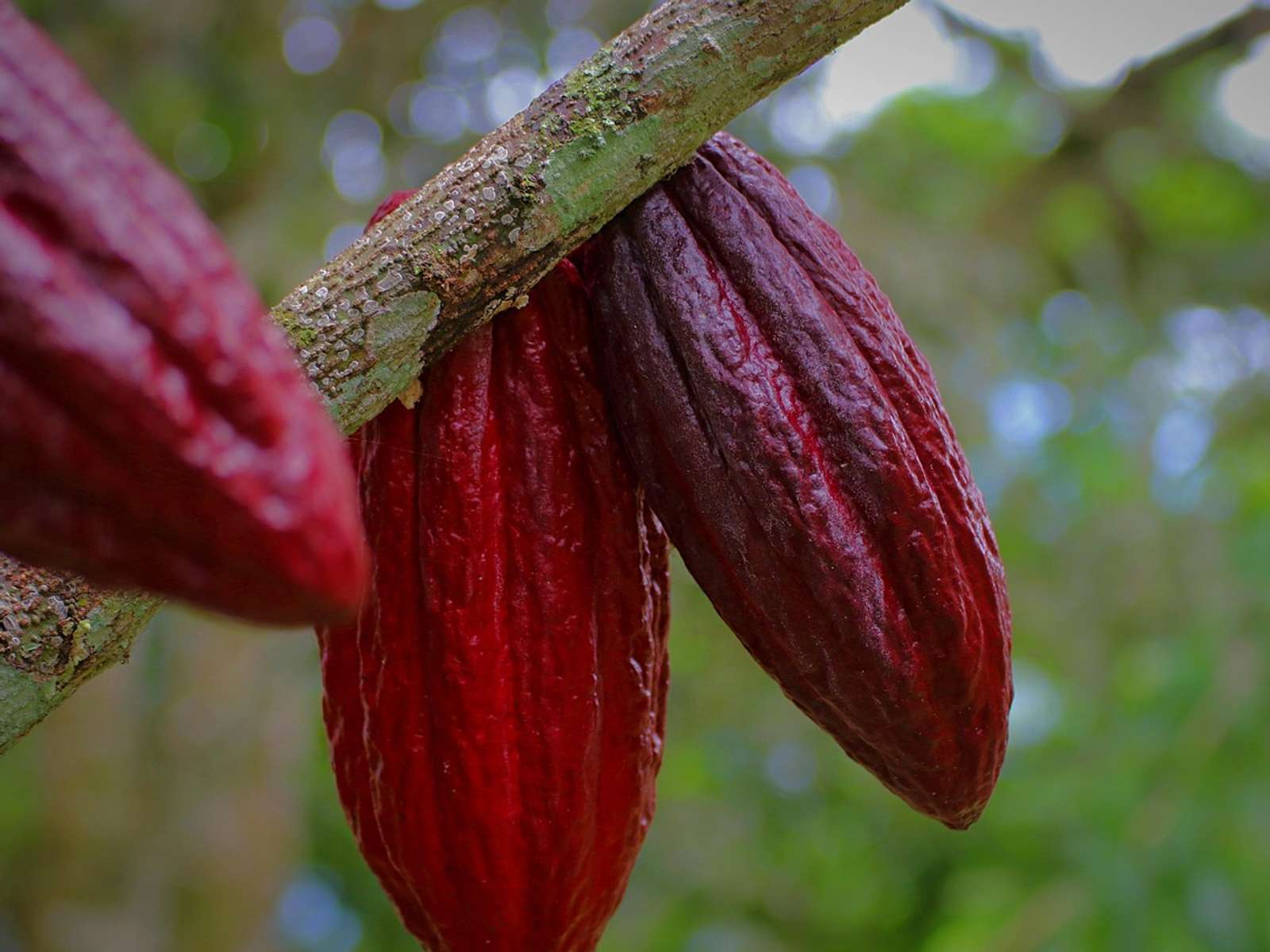
Penn State researchers edited two letters of a cacao immune gene, TcNPR3, and the plants showed about 42% less black pod disease in the lab. Breeding removed all foreign DNA, and field trials with the USDA are underway.
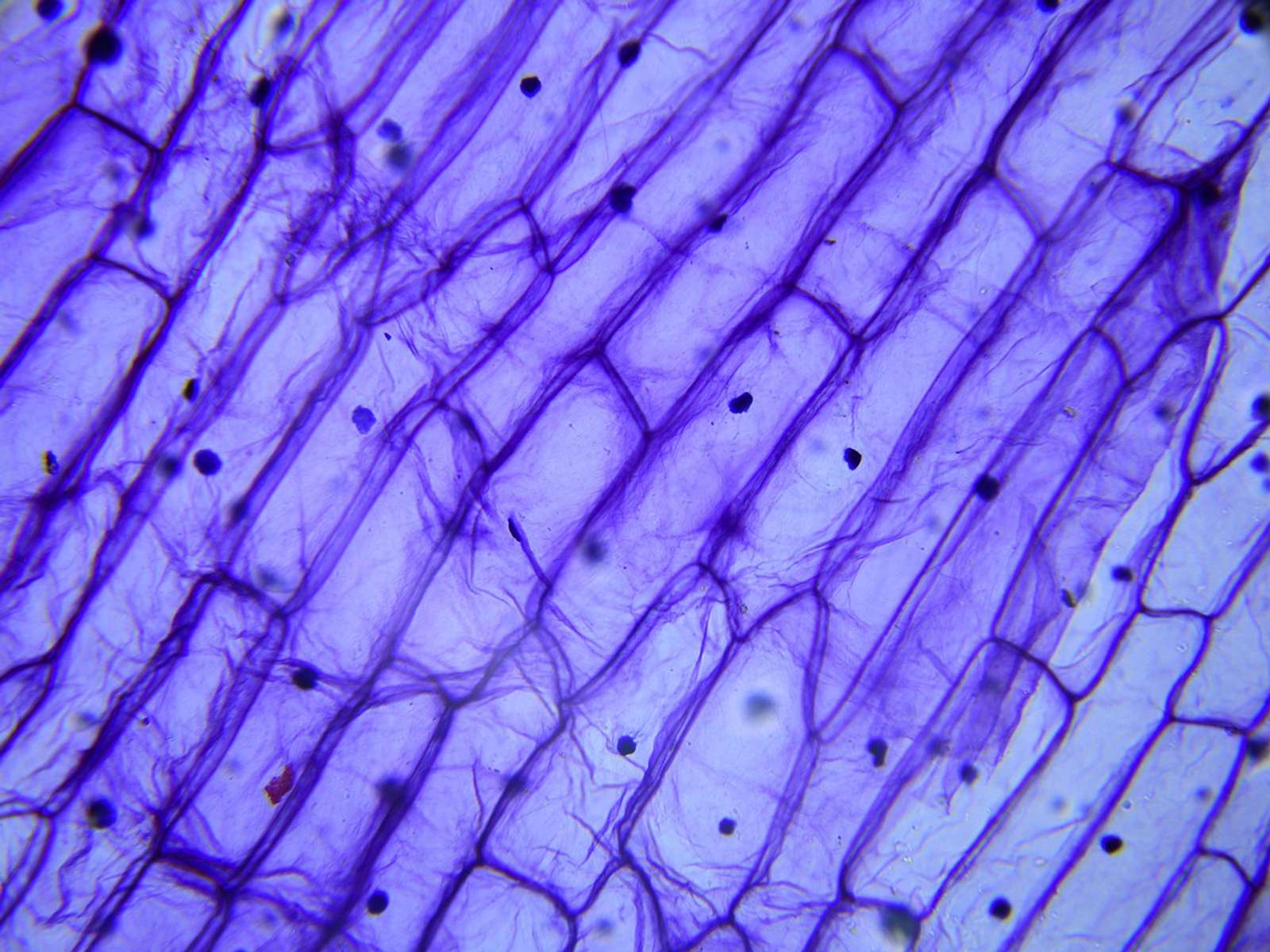
ETH Zurich researchers engineered human cells to archive RNA, the transcripts of active genes, in a protected film around their mitochondria, preserving several thousand molecules that show what the cell was doing days before.

The University of Queensland's BASE mRNA Facility will build quality-control technology for ARPA-H's GIVE program, which aims to let US hospitals produce personalized RNA medicines on demand. UQ's share is up to $57 million.
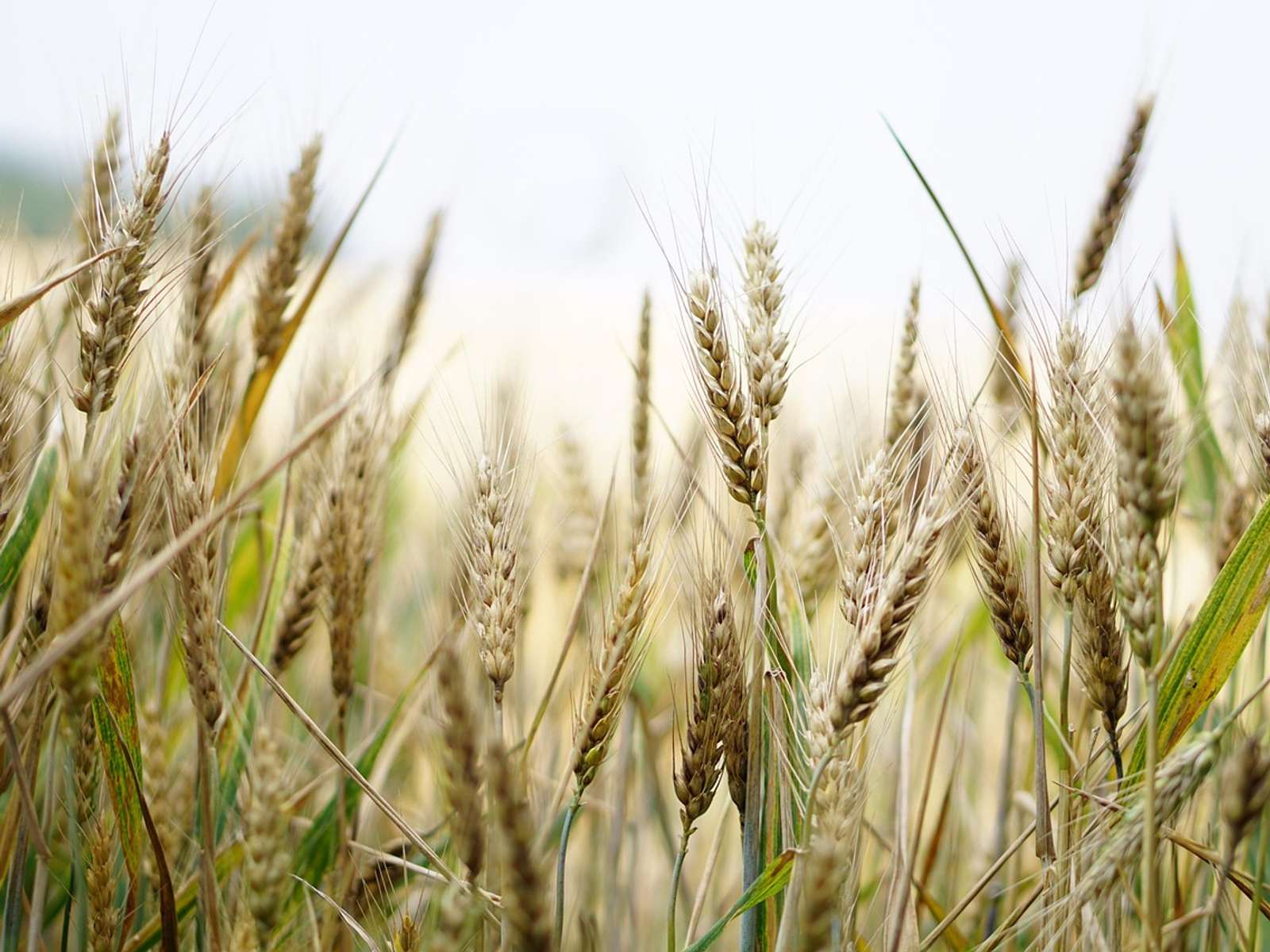
Scientists at Tanzania's TARI-Selian have been trained to use a low-cost LAMP test from the John Innes Centre that confirms wheat blast in 30 to 60 minutes. The disease, which can wipe out whole fields, is already in neighboring Zambia.
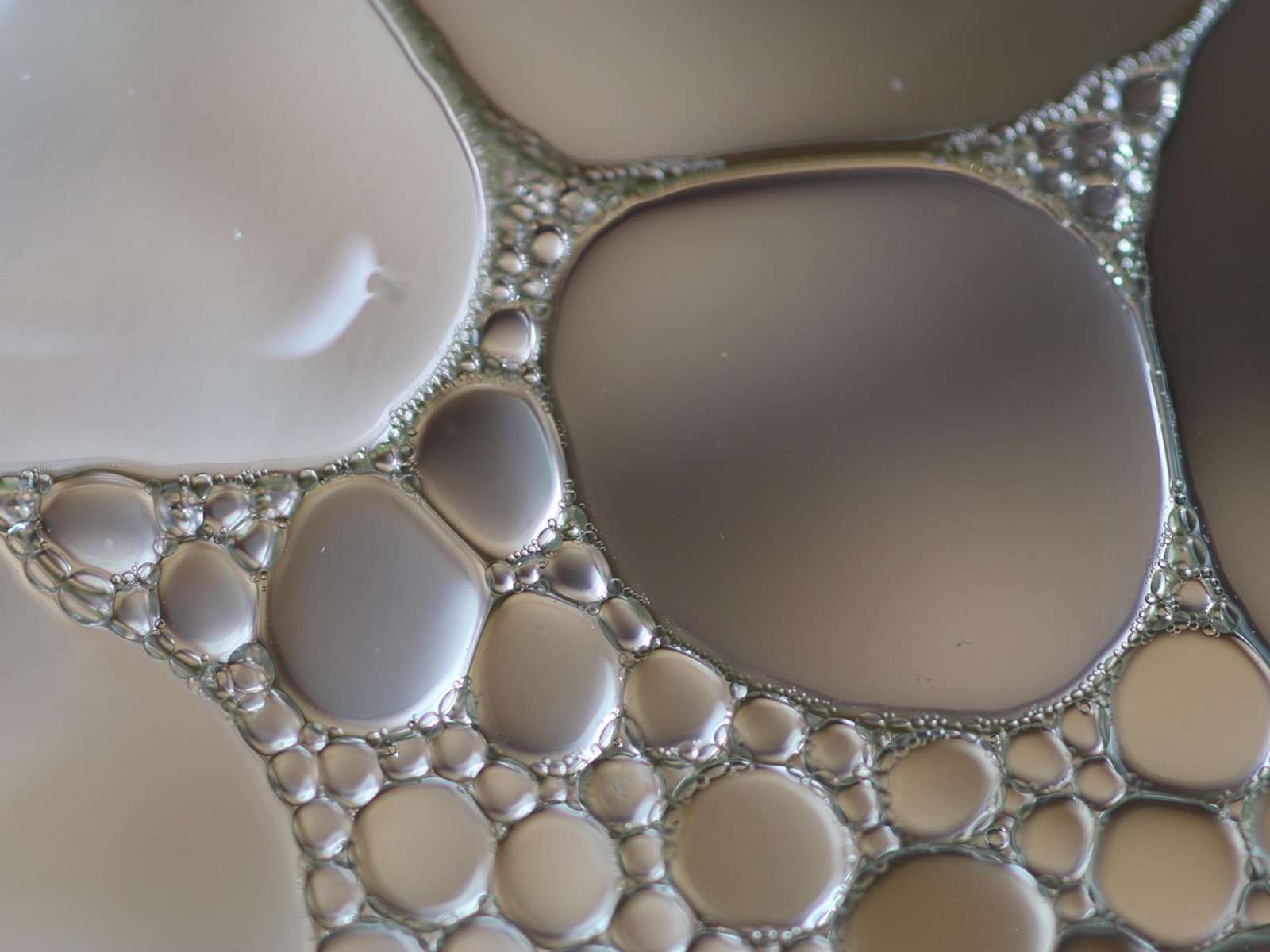
Synthetic RNA droplets that carry their own DNA template formed long-lived vacuoles, moved and stored cargo after a mutation rate of about 3%, a Heidelberg University team reported in Nature Chemical Engineering.
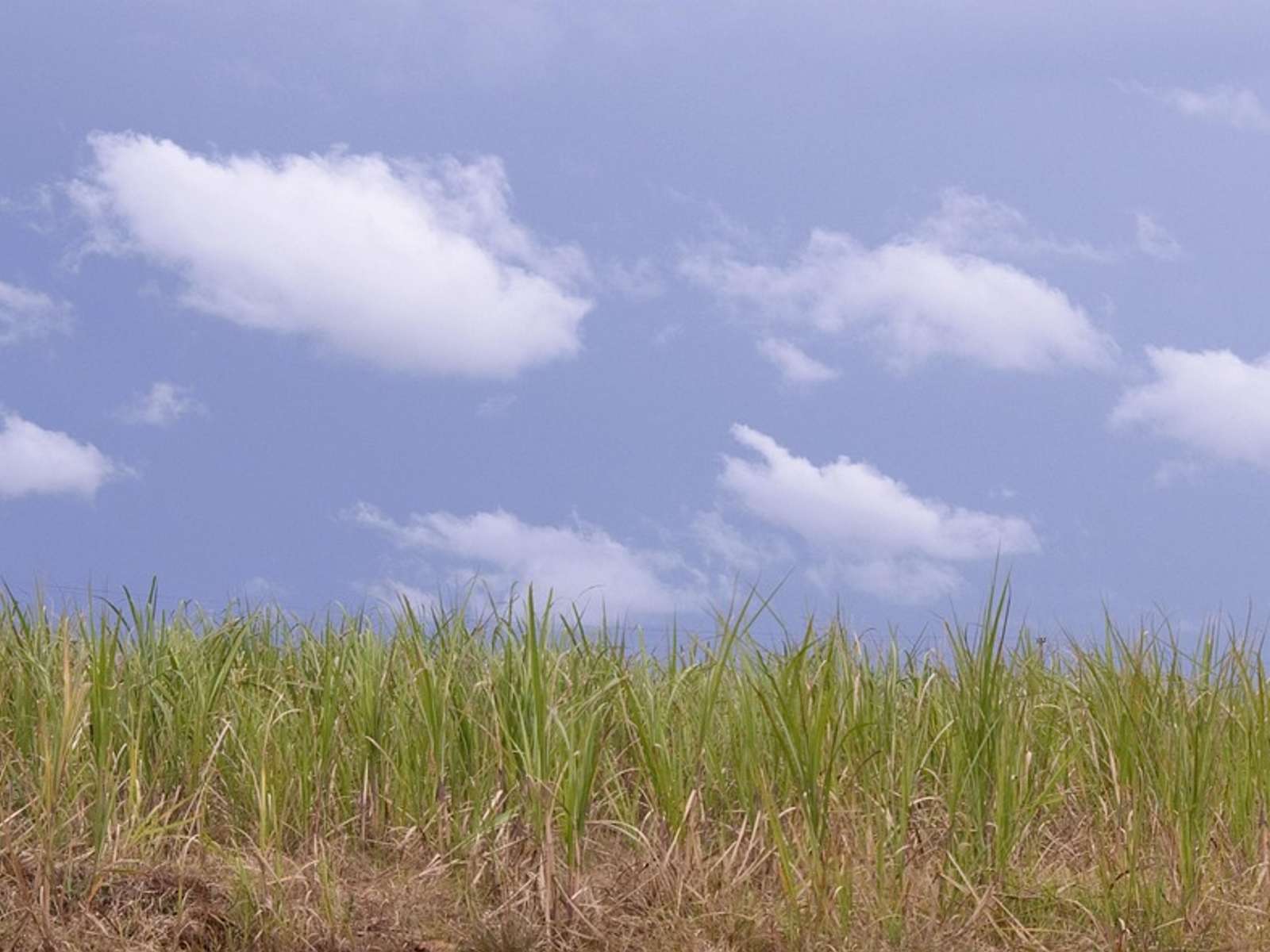
Researchers at the University of São Paulo found an enzyme in sugarcane roots that, added to a commercial enzyme mix, raised sugar release from cane waste by up to six times in the lab. The target is cheaper second-generation ethanol.
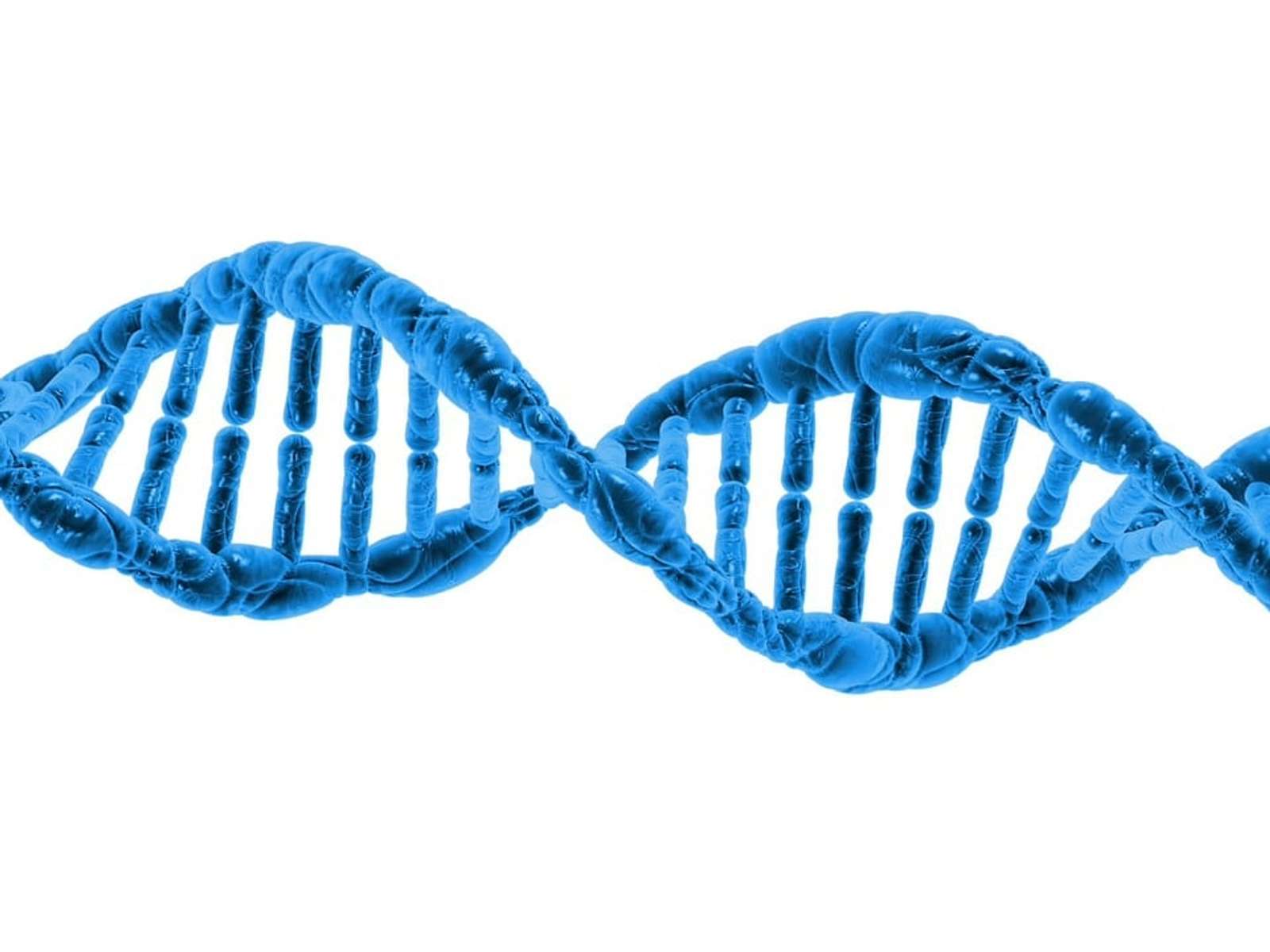
Researchers at Institute of Science Tokyo and Kyoto University grew long DNA strands on protein tubes and used motor proteins to move them, forming networks within minutes, a step toward materials that can build and reshape themselves.