An enzyme from sugarcane roots released up to six times more sugar from bagasse in lab tests
Researchers at the University of São Paulo found an enzyme in sugarcane roots that, added to a commercial enzyme mix, raised sugar release from cane waste by up to six times in the lab. The target is cheaper second-generation ethanol.
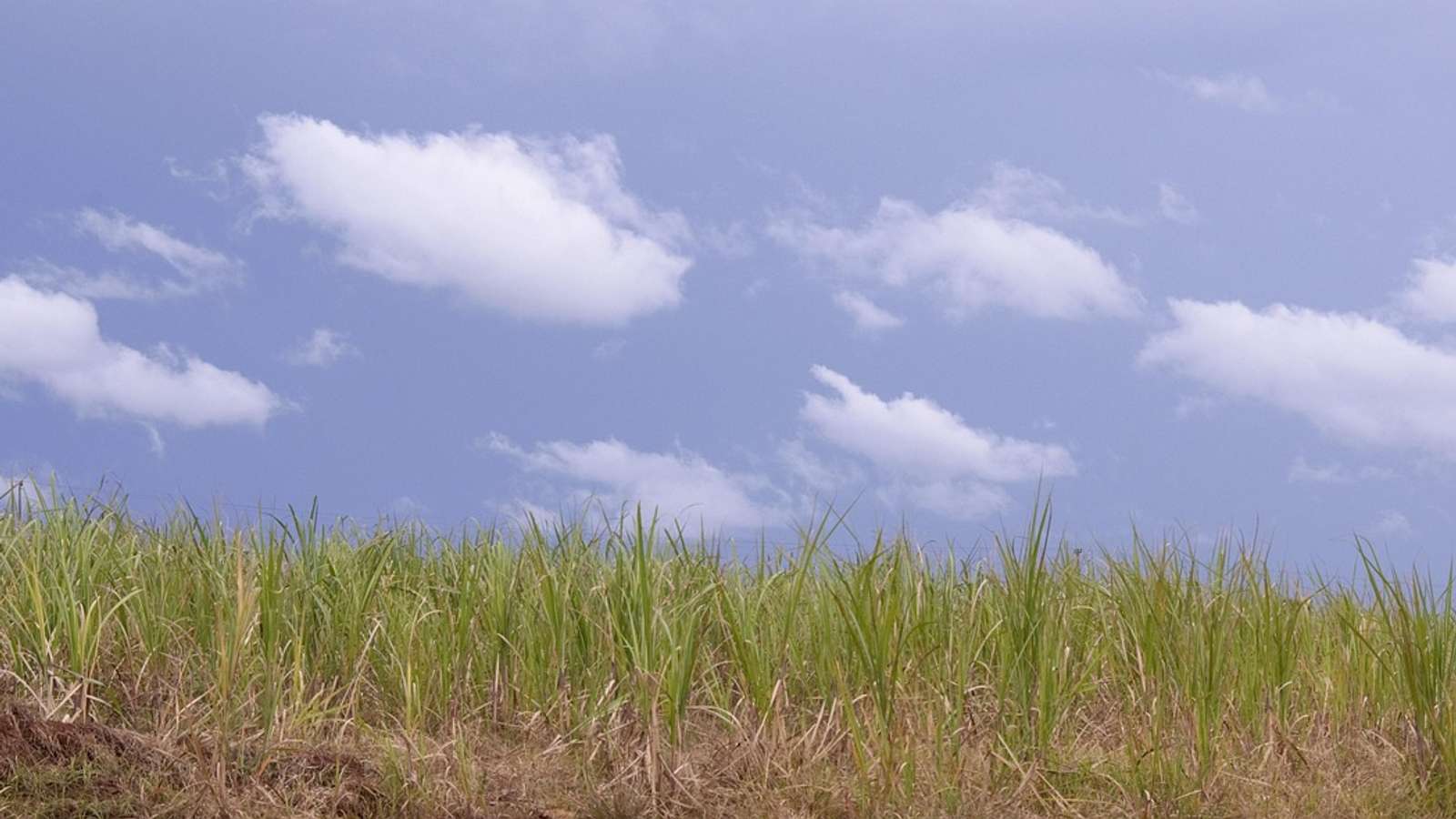
An enzyme that sugarcane uses to reshape its own roots increased the sugar released from bagasse, the fibrous waste left after cane is crushed, by up to six times when researchers added it to a commercial enzyme mix, Agência FAPESP reported on 7 October. The work comes from the Laboratory of Plant Physiological Ecology (Lafieco) at the University of São Paulo and was published in the Journal of Experimental Botany.
The sugar could be fermented into second-generation ethanol, fuel made from crop waste instead of the sugary juice itself. The results so far are from laboratory tests.
The roots already know how to take cell walls apart
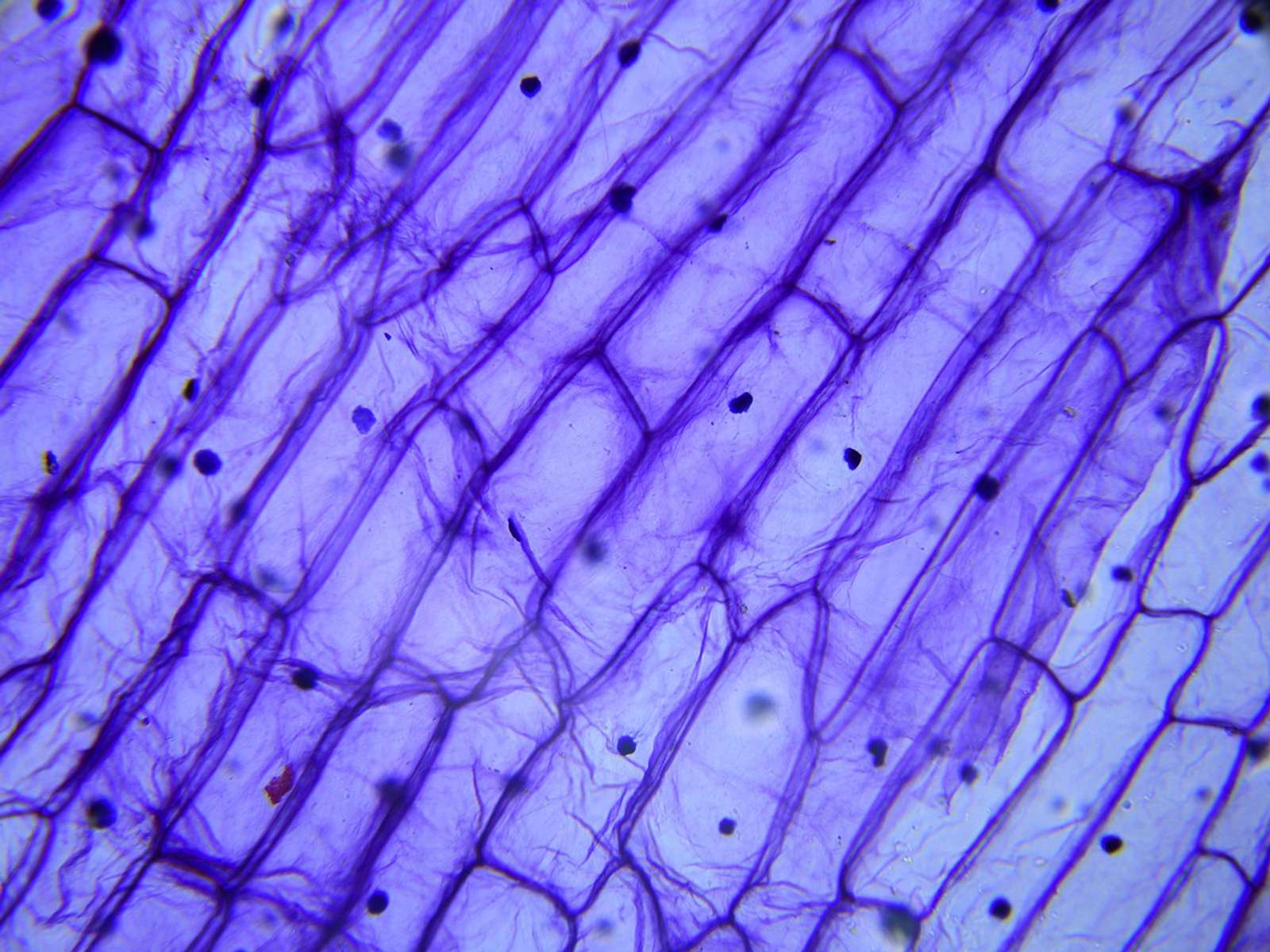
Sugarcane roots form aerenchyma, porous channels that let air move through the tissue. To make them, the plant breaks down parts of its own cell walls in a controlled way. Marcos Buckeridge's group has studied that process for years, hoping to copy it in the stem, an idea they call "papaya sugarcane" after the way papaya softens as it ripens.
PhD student Eveline Tavares identified the key enzyme, an α-L-arabinofuranosidase the team calls ASD. Adriana Grandis worked out its role in forming aerenchyma, and postdoctoral researcher Débora Pagliuso led efforts to produce it in the lab using yeast.
“We added ASD to the commercial cocktail and tested it on sugarcane bagasse.” — Bruno Viana Navarro, postdoctoral researcher and first author, University of São Paulo (translated from Portuguese)
Commercial enzyme cocktails for this job come mostly from microorganisms, mainly fungi. ASD comes from a plant, and from the crop itself. "And it's not just any plant origin, it's from sugarcane itself," Buckeridge said (translated).
Waste-based ethanol is still under 1% of Brazil's output
Turning bagasse and straw into fuel depends on enzymes that can free the sugars locked inside tough plant cell walls. The industry is still small: second-generation ethanol makes up less than 1% of Brazil's total ethanol production, Cenário Energia reported in January 2025, when the development bank BNDES approved R$1 billion for a new Raízen plant in Andradina, São Paulo state. That plant is designed for 82 million liters a year and is due to start operating by 2028.
An enzyme that frees more sugar from the same waste could, in principle, make such plants more productive. The article does not give the baseline figures behind the "up to six times" result, and the enzyme has not been tested at industrial scale.
About 530 candidate genes, and a second enzyme
The team has identified about 530 genetic sequences and enzyme classes involved in remodeling cane cell walls. A second enzyme, which breaks down pectins, also looks promising and could matter for conventional first-generation ethanol as well. Plant material that would otherwise go to waste is finding new uses elsewhere, too. In China, researchers turned an invasive shrub into a filter for fluoride-contaminated water.
Their long-term aim is an enzyme cocktail made entirely from plant enzymes and tailored to cane. "We may have found a barrel of gold, but so far we've only used one coin," Buckeridge said (translated). He added that continued progress depends on funding agencies understanding the importance of the topic. The research has been supported by FAPESP through several long-running grants.
Sources
- Agência FAPESP · agencia.fapesp.br
- cenarioenergia.com.br
How we choose and verify sources: editorial policy.