A field robot and drones show how 36 wheat varieties drink soil water differently
University of Queensland researchers used a robot called the RootBot and drones to track how 36 wheat varieties take up soil water at Gatton. Varieties differed in how much water they used, when, and from what depth, which could help breed drought-tolerant crops.
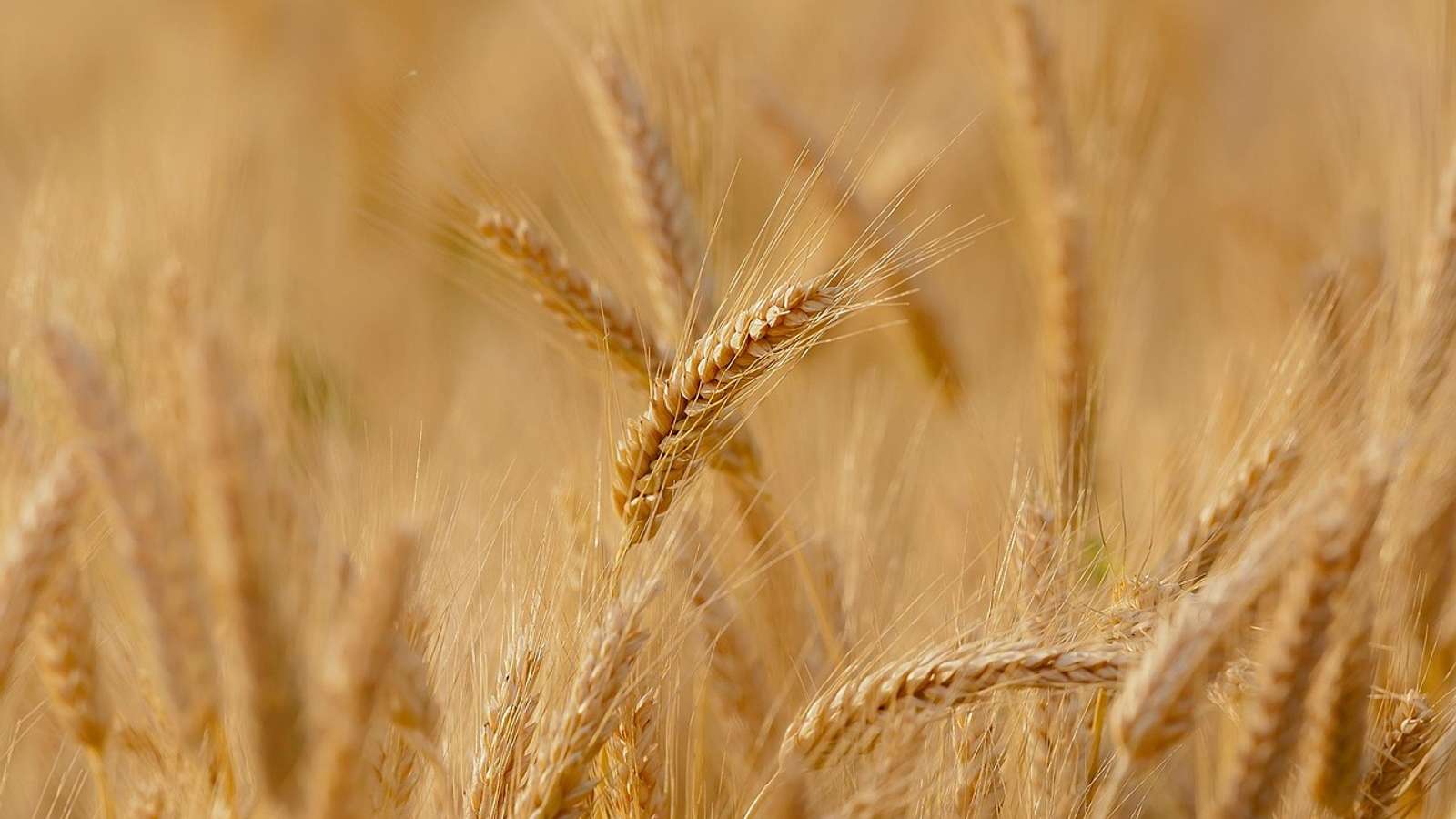
Researchers at the University of Queensland have developed a way to measure how wheat varieties capture and use water in the soil, which could help identify crops that cope better with drought, UQ said. In trials at UQ Gatton in 2024 and 2025, the team studied 36 wheat varieties planted at different densities.
A robot that reads the soil
The measurements came from electromagnetic induction sensors mounted on an autonomous high-clearance robot called the RootBot, combined with drone sensing systems. Together they track soil moisture at different depths and over the season, showing where and when roots are taking up water. The work was led by Dr Raul Gimenez of the Queensland Alliance for Agriculture and Food Innovation (QAAFI).
“One of the big takeaways was the development of a system that can measure soil moisture at depth and in time.” — Dr Raul Gimenez, University of Queensland
Same crop, different drinking habits
The varieties were not alike. “We found cultivars differed in their total water use, when they used water, and the depth they took it from,” Gimenez said. Planting density mattered as well: denser crops generally used more water early in the season and built their canopy faster, but that could leave less water for later growth stages, which matter more for yield.
“Climate-resilient cropping systems require both better-adapted varieties and appropriate crop management,” Gimenez said.
Other soils, other crops
Trials also ran with Agriculture Victoria, Victoria's Department of Energy, Environment and Climate Action and Western Australia's Department of Primary Industries and Regional Development, and the team expects results to vary across their different soils and climates. Next, the researchers want to simplify the tool for breeders and agronomists and adapt it to study nitrogen use. It has already been used on sorghum, chickpea and barley, with canola and maize planned. The work was funded by the Grains Research and Development Corporation, UQ and the Department of Primary Industries. UQ did not name a published paper; Gimenez presented the findings at an agronomy conference in Darwin and at a breeders’ meeting on the Gold Coast. More stories on feeding the world are collected under food security.
Sources
- The University of Queensland · news.uq.edu.au
How we choose and verify sources: editorial policy.