CAR T Therapy Dramatically Reduces Severe Rheumatoid Arthritis in World-First Trial
A world-first clinical trial has found that CAR T-cell therapy sharply reduced disease activity in all six patients with severe rheumatoid arthritis, with three remaining in remission without arthritis medication.
A highly personalized form of cell therapy originally developed to fight cancer has produced encouraging results in people with some of the most severe and difficult-to-treat forms of rheumatoid arthritis.
Researchers at Charité - Universitätsmedizin Berlin treated six patients with CD19 CAR T-cell therapy in what they describe as the world's first clinical trial of this treatment specifically for rheumatoid arthritis.
All six participants experienced a substantial reduction in disease activity. During follow-up lasting up to one year, three patients remained in sustained remission without taking any rheumatoid arthritis medication.
Patients had exhausted multiple treatments
Rheumatoid arthritis is an autoimmune disease in which the immune system mistakenly attacks the body's own joints. This can cause recurring inflammation, swelling, pain and progressive joint damage.
Modern treatments can control the disease for many people, but they do not work for everyone. Some patients continue to experience severe symptoms even after trying several advanced therapies.
The six people enrolled in the first phase of the COMPARE trial were among those patients.
The group included three women and three men between the ages of 31 and 69. Over the previous decade, some had received as many as eight targeted or biologic treatments without getting sufficient relief.
Researchers wanted to know whether CAR T-cell therapy could reach disease-driving immune cells that conventional treatments may fail to eliminate. In cancer research, scientists are also looking for ways to keep T cells working longer, for example by blocking the molecule MEK, which kept T cells from burning out in lab and mouse studies.
Reprogramming the patient's own immune cells
CAR T-cell therapy starts with a patient's own T cells, an important part of the immune system.
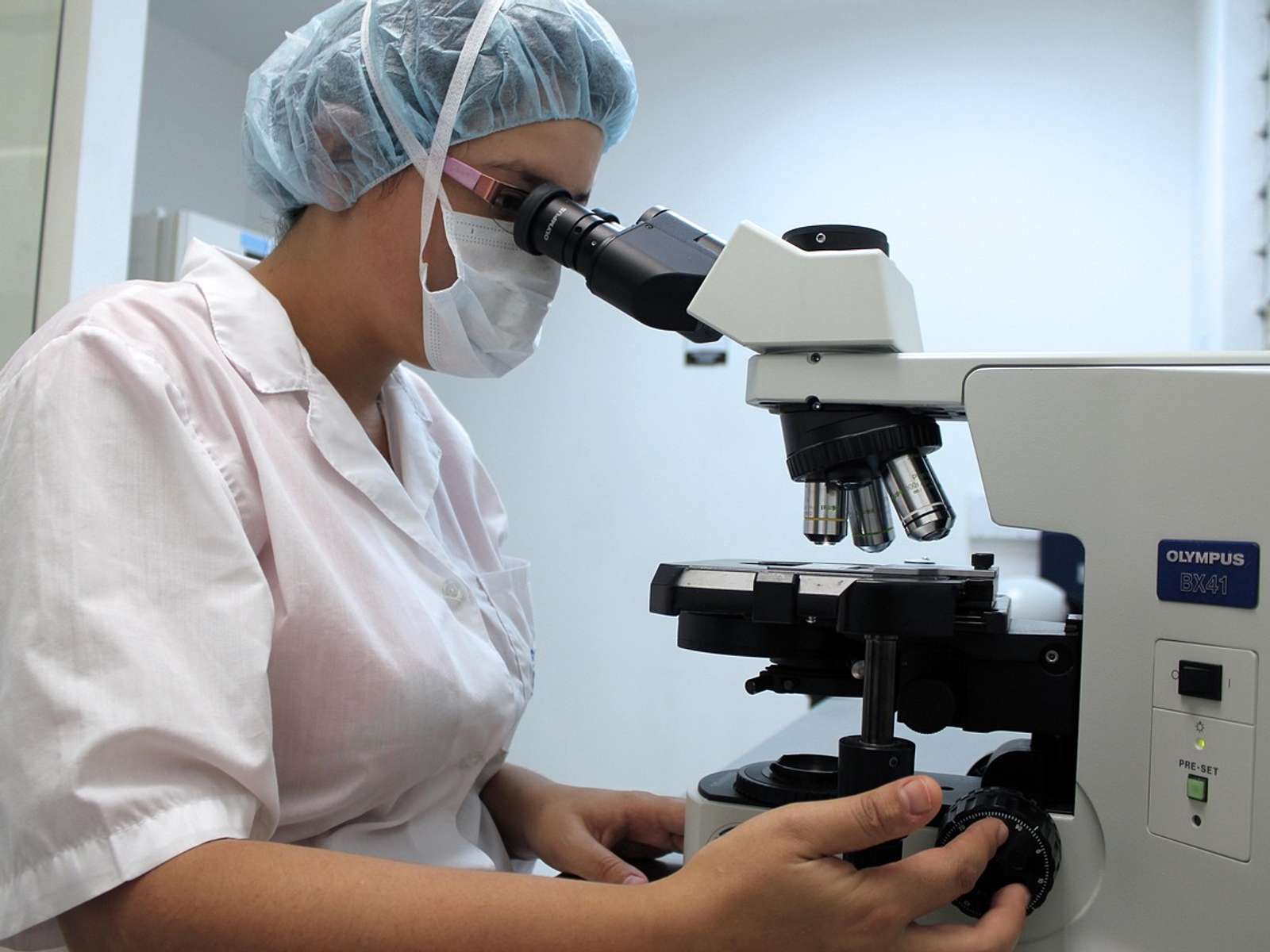
Doctors collect the cells from the blood and genetically modify them in a laboratory. The altered cells are equipped with a chimeric antigen receptor, or CAR, that allows them to recognize a specific target.
In this trial, that target was CD19, a molecule found on B cells.
Some B cells are thought to play an important role in rheumatoid arthritis by producing harmful antibodies and helping restart inflammation. These disease-driving cells may remain hidden in places such as bone marrow, lymph nodes and joint tissue.
After a short course of preparatory chemotherapy, the modified CAR T cells are returned to the patient in a single infusion. They then seek out and temporarily eliminate CD19-positive B cells throughout the body.
The idea is more ambitious than simply suppressing inflammation. Researchers hope that removing these cells could effectively reset part of the immune system and erase the pathological immune memory responsible for repeatedly triggering the disease.
Signs of an immune system reset
Follow-up testing provided evidence that this may be happening.
Researchers found that levels of autoantibodies associated with rheumatoid arthritis dropped sharply during the year after treatment.
When patients' B-cell populations eventually began to recover, the cells that returned were predominantly "naïve" B cells that had not yet been shaped by the disease. B cells directed against the body's own tissues were no longer detectable in almost all of the participants.
At the same time, protective antibodies from previous vaccinations, including against tetanus and chickenpox, remained detectable.
Researchers say these findings suggest the therapy may be capable of resetting harmful immune memory while preserving at least some existing protective immunity.
Encouraging results, but still experimental
The early results are promising, but CAR T-cell therapy is not yet an established treatment for rheumatoid arthritis.
The study involved only six patients, responses were not identical, and one participant's disease returned after an initial period of medication-free remission.
Long-term effects on the immune system also remain unknown.
Safety results so far have been encouraging. All six participants experienced temporary mild-to-moderate cytokine release syndrome, a known side effect of CAR T-cell therapy, but researchers said it was manageable. No severe neurological complications or other serious adverse events were reported, and infections were rare.
The trial is now expanding
Researchers are already moving into the second phase of the COMPARE trial.
Ten additional patients will receive treatment as scientists compare CAR T-cell therapy with an existing rheumatoid arthritis drug that also targets B cells.
The goal is to determine whether CAR T cells can produce stronger and longer-lasting effects and whether they truly reset the immune memory responsible for the disease.
If the findings are confirmed in larger studies, the approach could eventually offer a new option for people whose rheumatoid arthritis remains severe despite exhausting existing treatments.
For now, it is an early result from a very small trial. But for patients who have spent years living with persistent pain and inflammation despite repeated therapies, the possibility of achieving long periods of remission after a single cell treatment represents a potentially important new direction in rheumatoid arthritis research.
Not medical advice. This article reports on research and health programs for general information. Results from early studies often change in larger trials. Talk to a doctor before making decisions about your own health or treatment.
Sources
- Charité · charite.de
How we choose and verify sources: editorial policy.