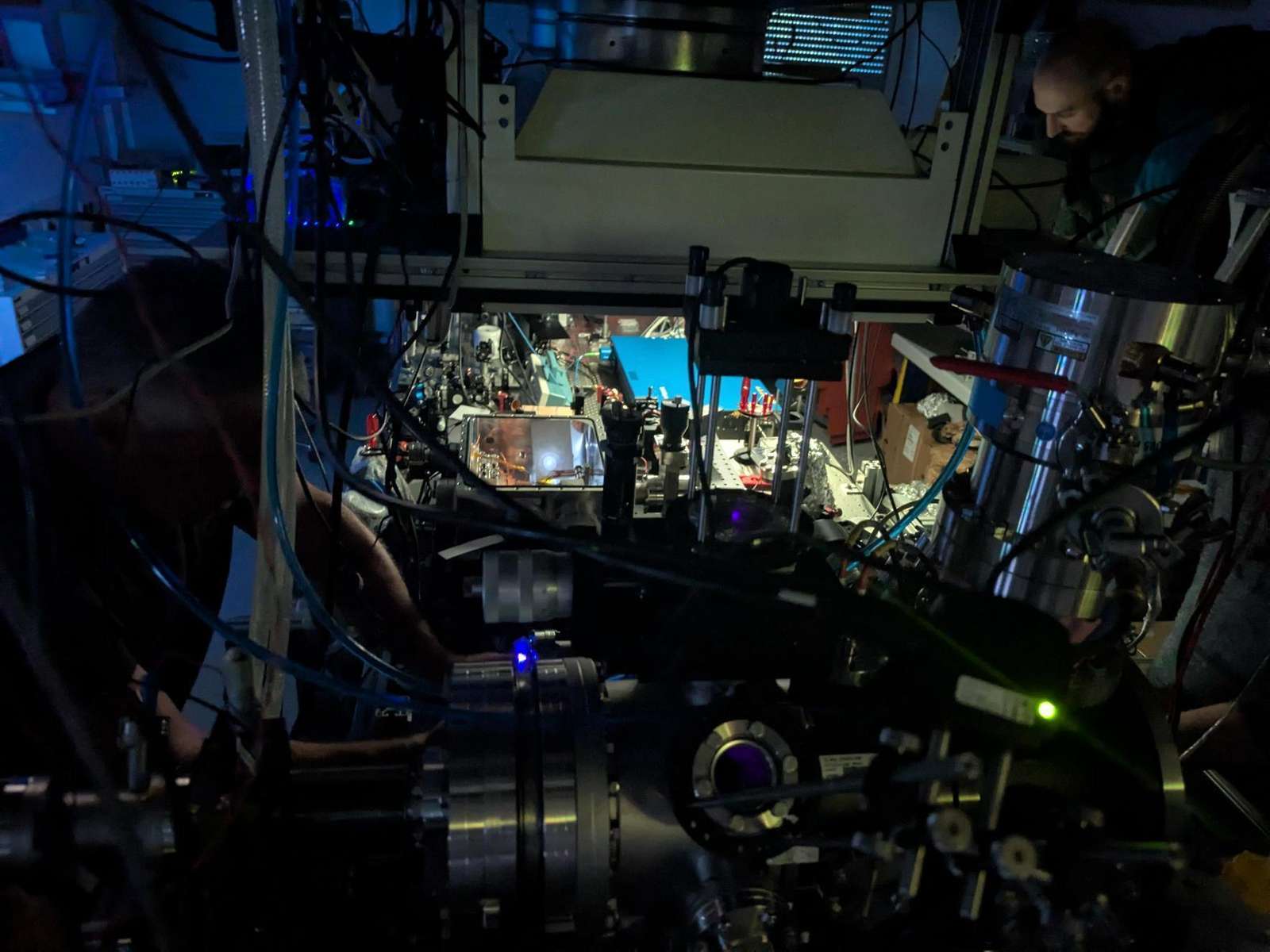
Scientists produce the first global 3D estimates of the magnetic field in the Sun's corona
Using data from the Mauna Loa Solar Observatory, NSF NCAR and NSF NSO scientists made the first global 3D estimates of the Sun's coronal magnetic field. Better measurements could improve forecasts of solar eruptions.
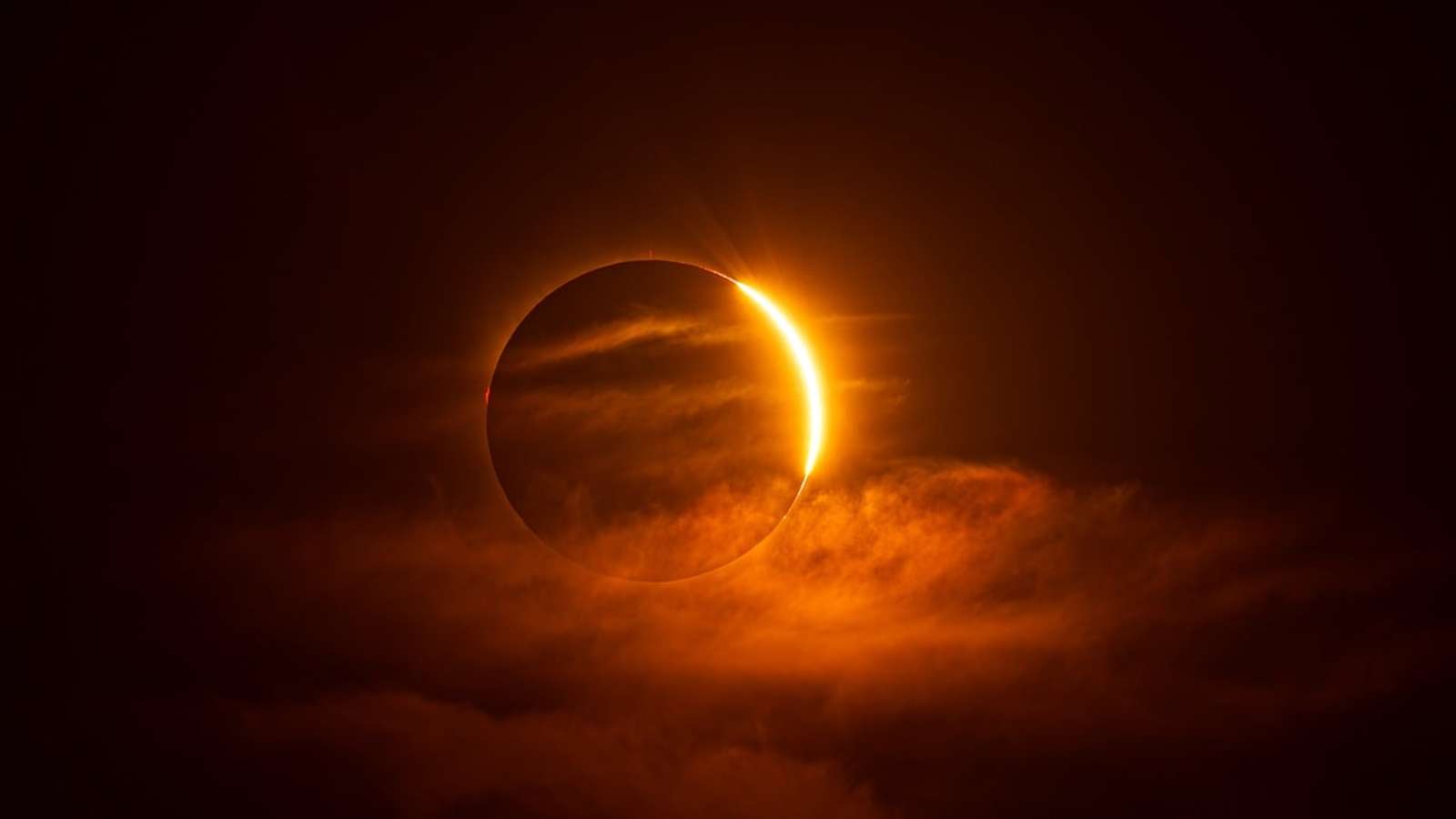
Scientists have produced the first global, three-dimensional estimates of the magnetic field in the Sun's outer atmosphere, the corona, NSF NCAR said on 28 October. The field drives solar eruptions, and measuring it better could improve forecasts of space weather that affects technology on Earth.
A field that had never been fully measured
The corona's structure has been observed for decades, but its magnetic field had not been fully measured. The new study estimates both the strength and the 3D direction of the field across the regions covered by the observations, including beyond the visible edge of the Sun. It was published in The Astrophysical Journal Letters.
“For the first time, we can begin to see the Sun’s hidden magnetic architecture in three dimensions.” — Alin Razvan Paraschiv, NSF National Solar Observatory, lead author
The team used two instruments at the Mauna Loa Solar Observatory in Hawaii, which NSF NCAR operates: the Coronal Multi-channel Polarimeter (CoMP) and its upgraded successor, UCoMP. They analyzed observations from 14 October 2016 and 1 June 2022, combining an earlier 2D mapping method with a technique that reads information carried by waves moving through the corona to reconstruct the field in three dimensions.
“These results help to overcome a major bottleneck in measuring the coronal magnetic field that has persisted for decades,” said co-author Daniela Lacatus of NSF NCAR. The other authors were Zihao Yang and Momchil Emil Molnar, and the work involved NSF NCAR, the NSF National Solar Observatory and the Southwest Research Institute, with funding from the US National Science Foundation.
Why solar storms matter on Earth
Magnetic eruptions on the Sun can cause extreme space weather. When a powerful coronal mass ejection left the Sun in January 2026, NOAA warned that a severe geomagnetic storm “can severely impact power grids, satellites, navigation (GPS), and radio communications,” according to NOAA's satellite service. NOAA's coronagraph confirms an eruption once it has left the Sun; more accurate measurements of the coronal field could lead to better models of solar activity and better predictions of eruptions, NCAR said.
“It's very exciting to see MLSO data used as a pathfinder to advance our ability to predict solar eruptions,” said Tom Berger, director of the Mauna Loa Solar Observatory.
Not yet a routine forecast tool
The first maps have limitations, and the method needs more development and testing before it can be used routinely. It is not yet part of any observatory's regular data processing. The team has made its software and datasets openly available so other scientists can test and refine it, and hopes it will become a standard product of COSMO, the planned observatory network that will follow Mauna Loa. In principle, 3D maps could be made for any day with suitable CoMP or UCoMP observations. More stories about the Sun and space are collected under space exploration.
Sources
- NSF NCAR & UCAR News · news.ucar.edu
- nesdis.noaa.gov
How we choose and verify sources: editorial policy.