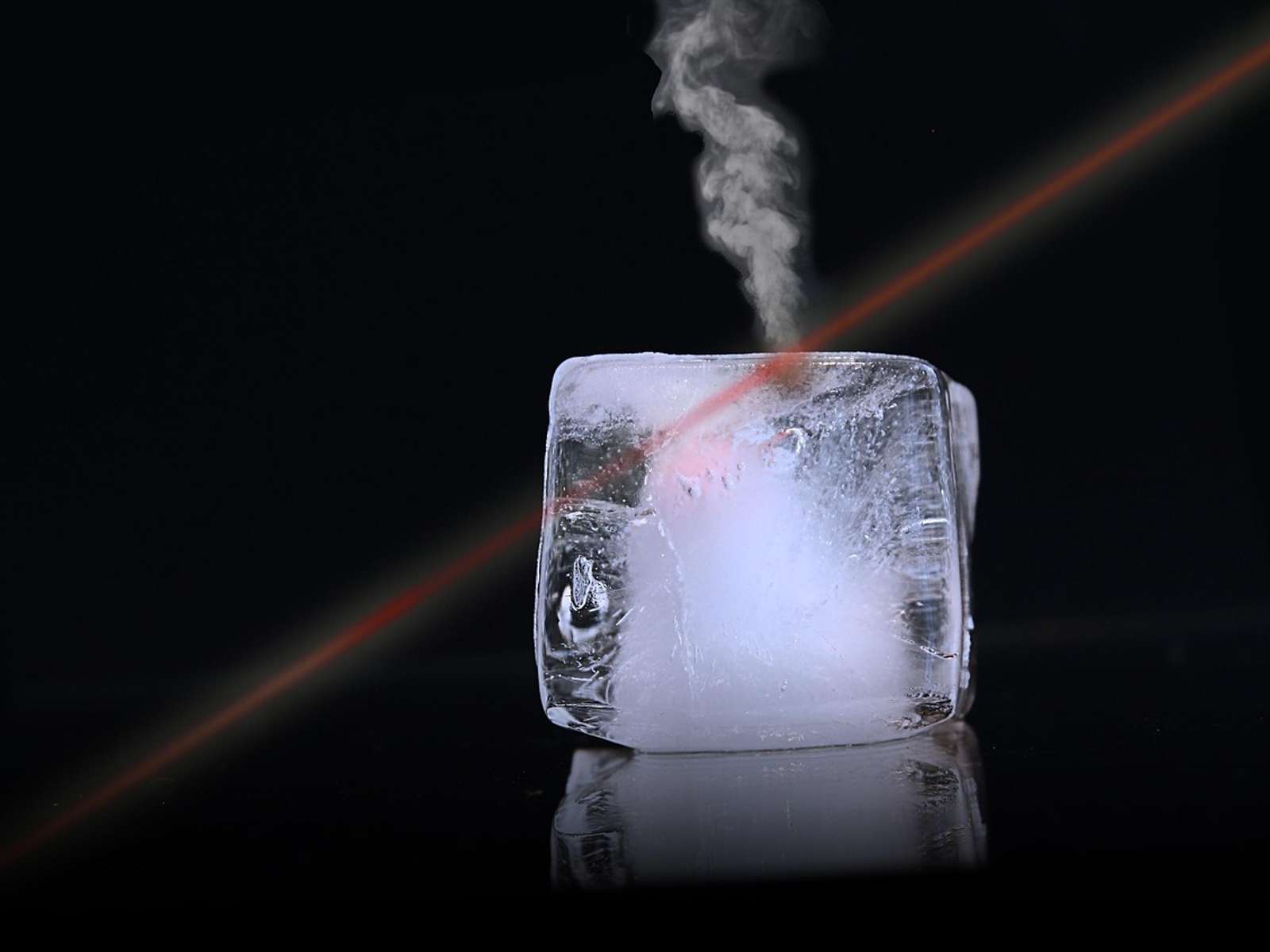
Stanford engineers and colleagues built a photonic chip that takes in mixed, partially coherent light from two or three lasers and sorts it into separate, independent beams. The method could help microscopes and telescopes tell overlapping light sources apart.
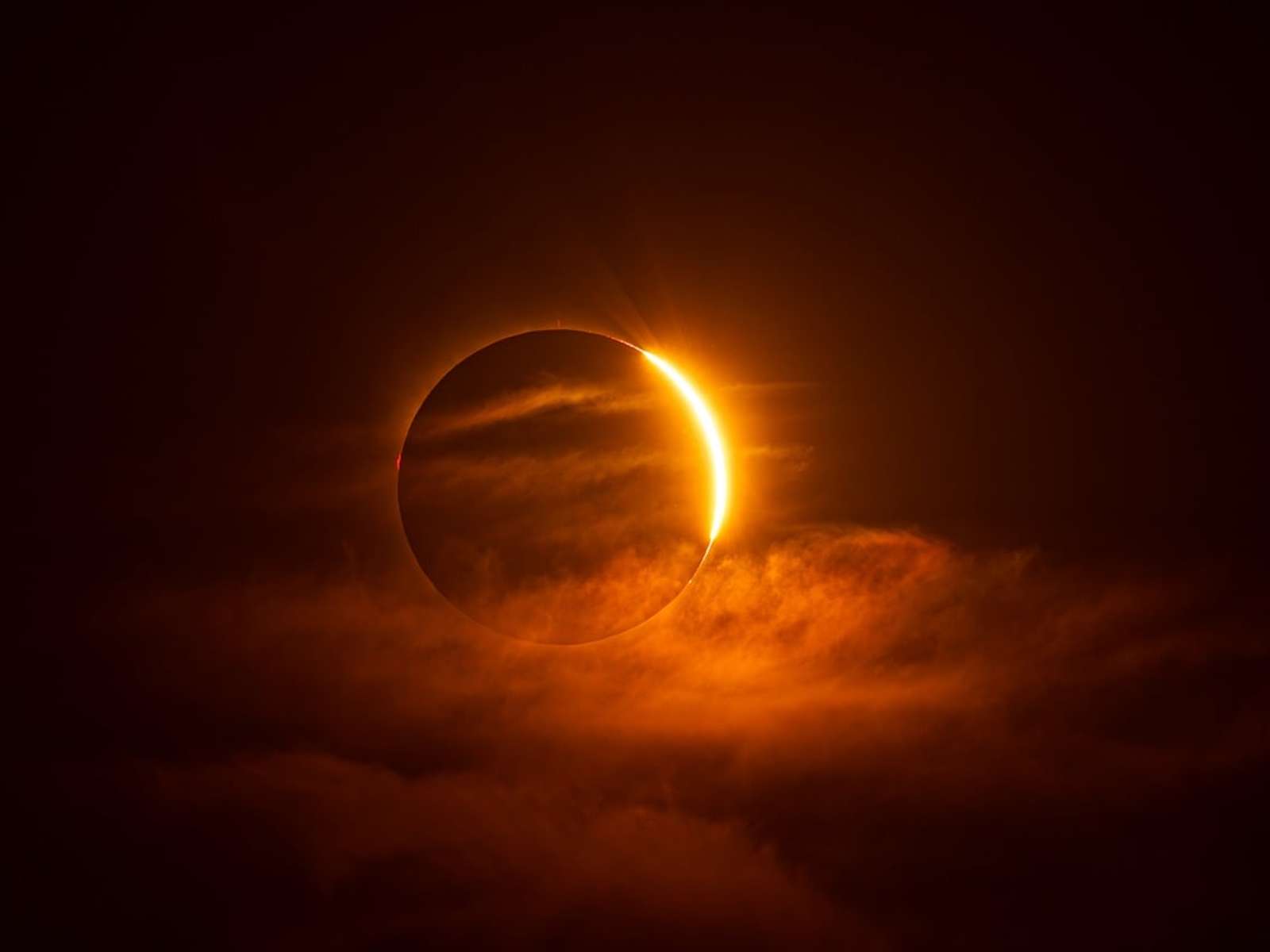
Using data from the Mauna Loa Solar Observatory, NSF NCAR and NSF NSO scientists made the first global 3D estimates of the Sun's coronal magnetic field. Better measurements could improve forecasts of solar eruptions.

The Fred Young Submillimeter Telescope on Cerro Chajnantor in Chile is finished and preparing its first observations. Its Prime-Cam, with tens of thousands of detectors, is the largest submillimeter instrument ever built, Cornell says.
Physicists built metamaterials from dozens of linked sensors and motors that start vibrating chaotically and then settle into one slow, synchronized rhythm, a state called a time crystal. The work, led from Amsterdam and Birmingham, is in Nature.
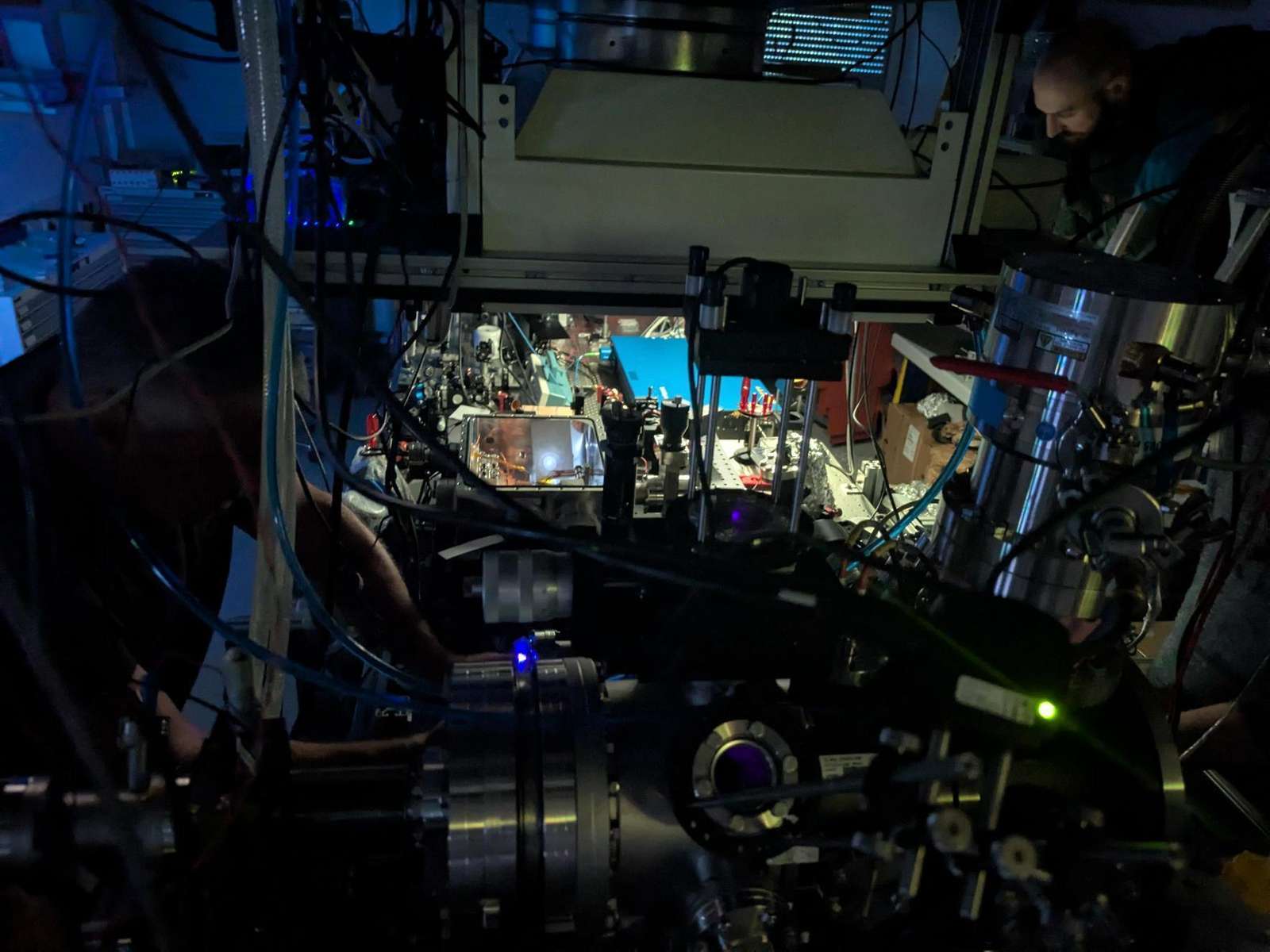
A team from TU Wien and Germany's PTB has built a thorium nuclear clock that stabilizes itself, with a precision equal to an error of about one second in 30 million years. It ran for more than a day on its own.
Researchers in New Zealand and the US have shown a chip-based optical frequency comb, built from two lasers, that performs the key jobs needed for portable atomic clocks and GPS-free navigation.
Researchers at the Australian National University spent three years making two specialized beamsplitters for LIGO, coated to within a nanometre or two across almost half a meter, for an upgrade that will make the detectors more sensitive.
ENN Group says its EXL-50U device in Langfang produced over 100 million hydrogen-boron fusion reactions per second, a fuel that releases no neutrons. It is a physics result, not net energy, and the company targets first electricity in 2030.