WHO launches a global roadmap to tackle pre-eclampsia and high blood pressure in pregnancy
WHO and partners have launched a roadmap to 2035 to cut deaths from pre-eclampsia and other high blood pressure disorders in pregnancy, which kill an estimated 42,000 women a year.
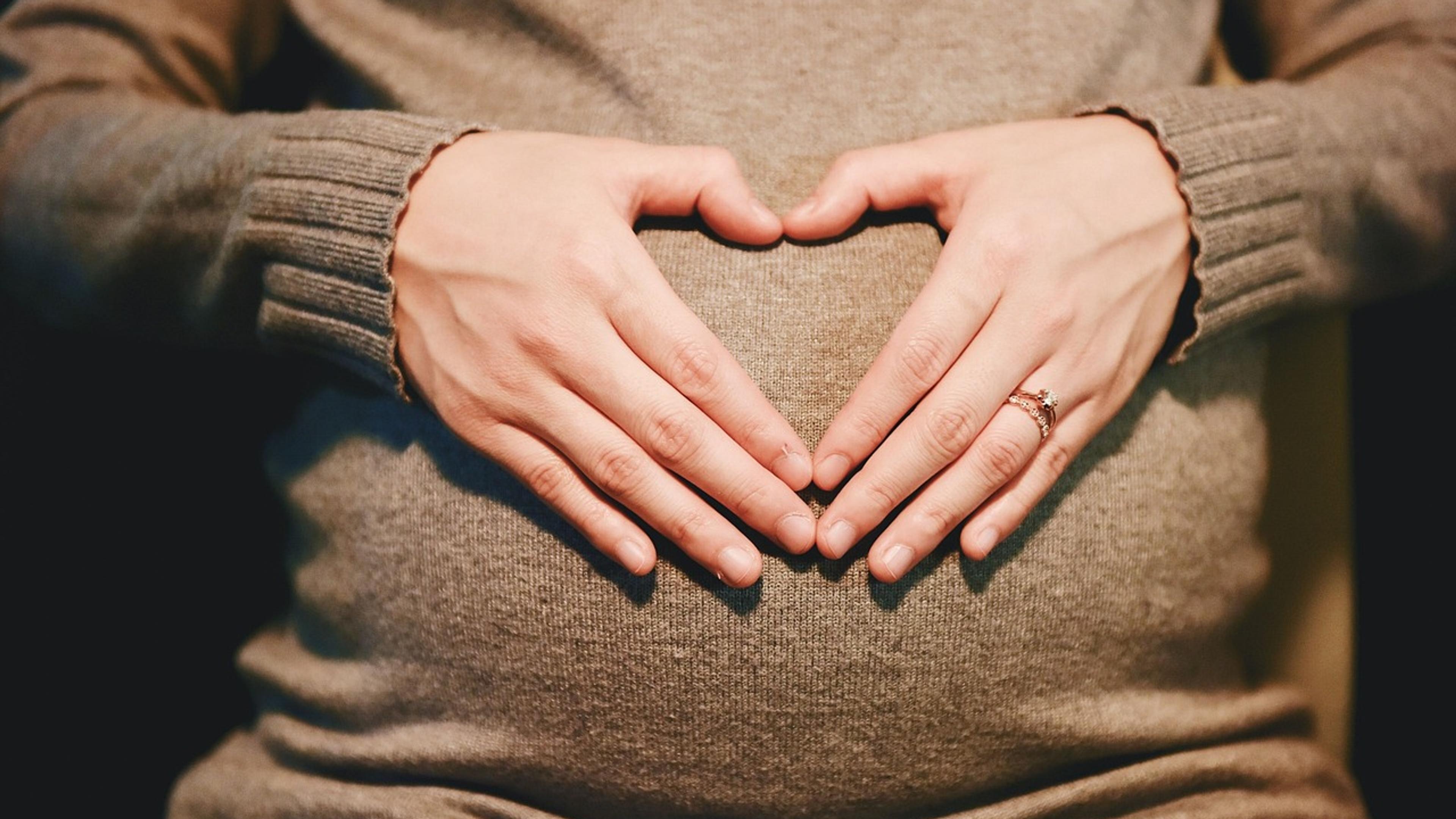
The World Health Organization and partners have launched a global roadmap to tackle pre-eclampsia and other high blood pressure disorders in pregnancy, which cause an estimated 42,000 maternal deaths a year, WHO said on 8 October. The plan runs from 2026 to 2035.
One in ten pregnancies is affected
Hypertensive disorders complicate an estimated 10–15% of pregnancies worldwide. They account for around 16% of maternal deaths and more than 500,000 stillbirths and newborn deaths each year.
Many of those deaths are preventable with basic care. In many countries, women still lack reliable access to blood pressure checks, urine protein tests and essential medicines such as aspirin, blood pressure drugs and magnesium sulfate. Weak referral systems and shortages of trained staff can delay life-saving treatment further.
“Pre-eclampsia can develop in any pregnancy. Whether it becomes fatal depends on whether a woman's blood pressure was checked in time, and whether quality emergency care was within reach when it turned severe.” — Dr Pascale Allotey, Director, Department of Sexual, Reproductive, Maternal, Child, Adolescent Health and Ageing, WHO
No medicine has been developed specifically for pre-eclampsia
The roadmap, launched at the Society for Maternal-Fetal Medicine Global Conference, covers research, clinical guidance, access to medicines and diagnostics, implementation and accountability. It points to a striking gap: no medicines have been specifically developed and approved by regulators to prevent or treat pre-eclampsia or eclampsia.
To close that gap, WHO brought together more than 140 partners at a summit in May 2026 to agree 20 priority research questions on predicting, detecting and treating these conditions. Research spending so far has focused mostly on diagnostics.
The risks continue long after birth
Women who had a hypertensive disorder in pregnancy face higher risks of chronic high blood pressure, heart disease, stroke and kidney disease later in life. Their children can face risks linked to preterm birth.
The roadmap follows other WHO guidance this week, including its first global guidelines on child and adolescent obesity. WHO is asking governments, funders, researchers and industry to align their investment so that proven treatments and new ones reach the women who need them most.
Like what you're reading?
Related stories

WHO publishes its first global guidelines for treating obesity in children and teens
The World Health Organization has issued its first guidelines on treating obesity in children and adolescents, putting diet, activity and behaviour support first and limiting medicines and surgery to teenagers.
Twenty Asian Countries Push to Add Essential Dental Care to National Health Coverage
Oral health leaders from 20 Asian countries met in Malaysia at the midpoint of a WHO "100-Day Sprint" to build essential dental care into their universal health coverage plans.
Uganda Gives First Doses of an Experimental Vaccine Against the Bundibugyo Ebola Virus
Volunteers in Masaka, Uganda, have received the first doses of ChAdOx1 BDBV, an Oxford-developed vaccine against Bundibugyo virus disease, a severe form of Ebola that has no licensed vaccine. The phase I trial will test safety and immune response.