WHO publishes its first global guidelines for treating obesity in children and teens
The World Health Organization has issued its first guidelines on treating obesity in children and adolescents, putting diet, activity and behaviour support first and limiting medicines and surgery to teenagers.

The World Health Organization has released its first guidelines on treating obesity in children and adolescents, setting out on 7 October how health systems should care for a group that has grown fourfold since 1990. In 2024, 170 million people aged 5 to 19 were living with obesity, including 70 million children aged 5 to 9 and 100 million adolescents aged 10 to 19.
Prevalence in this age group rose from 2% in 1990 to 8%. WHO describes obesity as a chronic, relapsing disease whose effects can begin early, raising the later risk of type 2 diabetes and heart disease. Children living with it may also face stigma and bullying.
Diet, activity and behaviour support come first at every age
For all children and adolescents with obesity, WHO strongly recommends structured programs that combine diet, physical activity and behaviour change, delivered one-on-one or as part of a wider program. Digital health tools get a conditional recommendation, as long as a parent or caregiver supervises them.
“The foundation of obesity care for children and adolescents is not medicine or surgery, but access to comprehensive support that enables healthy eating, physical activity and sustainable behaviour change.” — Dr Luz María De Regil, Director of the Department of Nutrition and Food Safety, WHO
Medicines and surgery are reserved for some adolescents
The guidelines draw a firm line by age. For children up to nine, WHO does not recommend weight-loss medicines, bariatric surgery or weight-loss devices. For adolescents aged 10 to 19, approved medicines may be considered only after a supervised lifestyle program has not worked, and surgery only under strict conditions for severe obesity.
The new documents sit alongside WHO's existing recommendations for adults, including its guideline on GLP-1 therapies for obesity in adults, to cover care from childhood to adulthood. Health workers are also asked to treat mental health alongside obesity, since anxiety, depression and low self-esteem can feed into unhealthy eating and inactivity.
Structured lifestyle programs have produced results elsewhere: Good News Daily recently covered a trial in which diet and exercise put early-onset type 2 diabetes into remission.
WHO is clear that treatment alone will not reverse the trend. It continues to call for policies that make healthy food and physical activity more affordable, including regulatory and tax measures and action in schools, urban planning, transport and social protection.
Like what you're reading?
Related stories
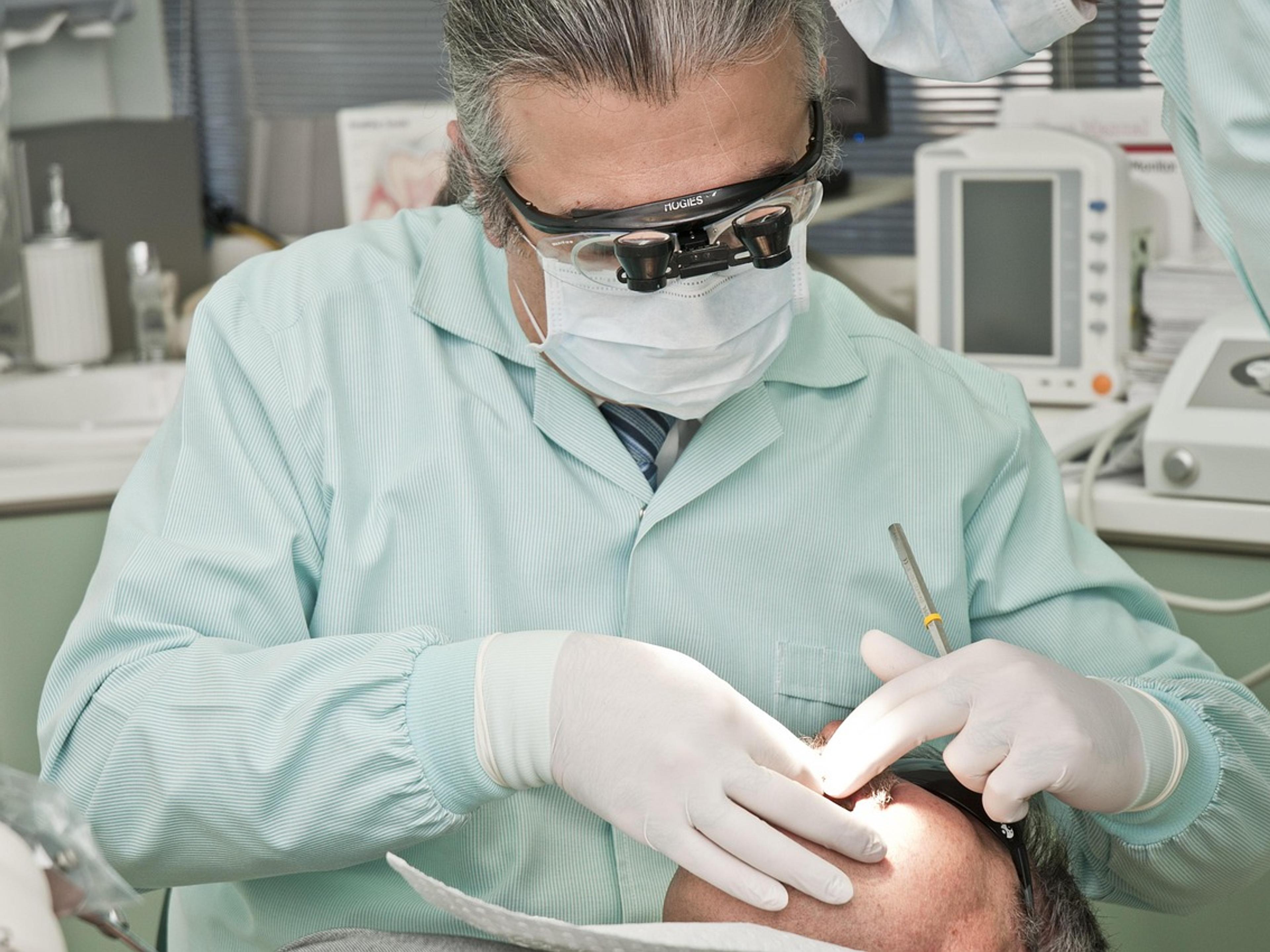
Twenty Asian Countries Push to Add Essential Dental Care to National Health Coverage
Oral health leaders from 20 Asian countries met in Malaysia at the midpoint of a WHO "100-Day Sprint" to build essential dental care into their universal health coverage plans.
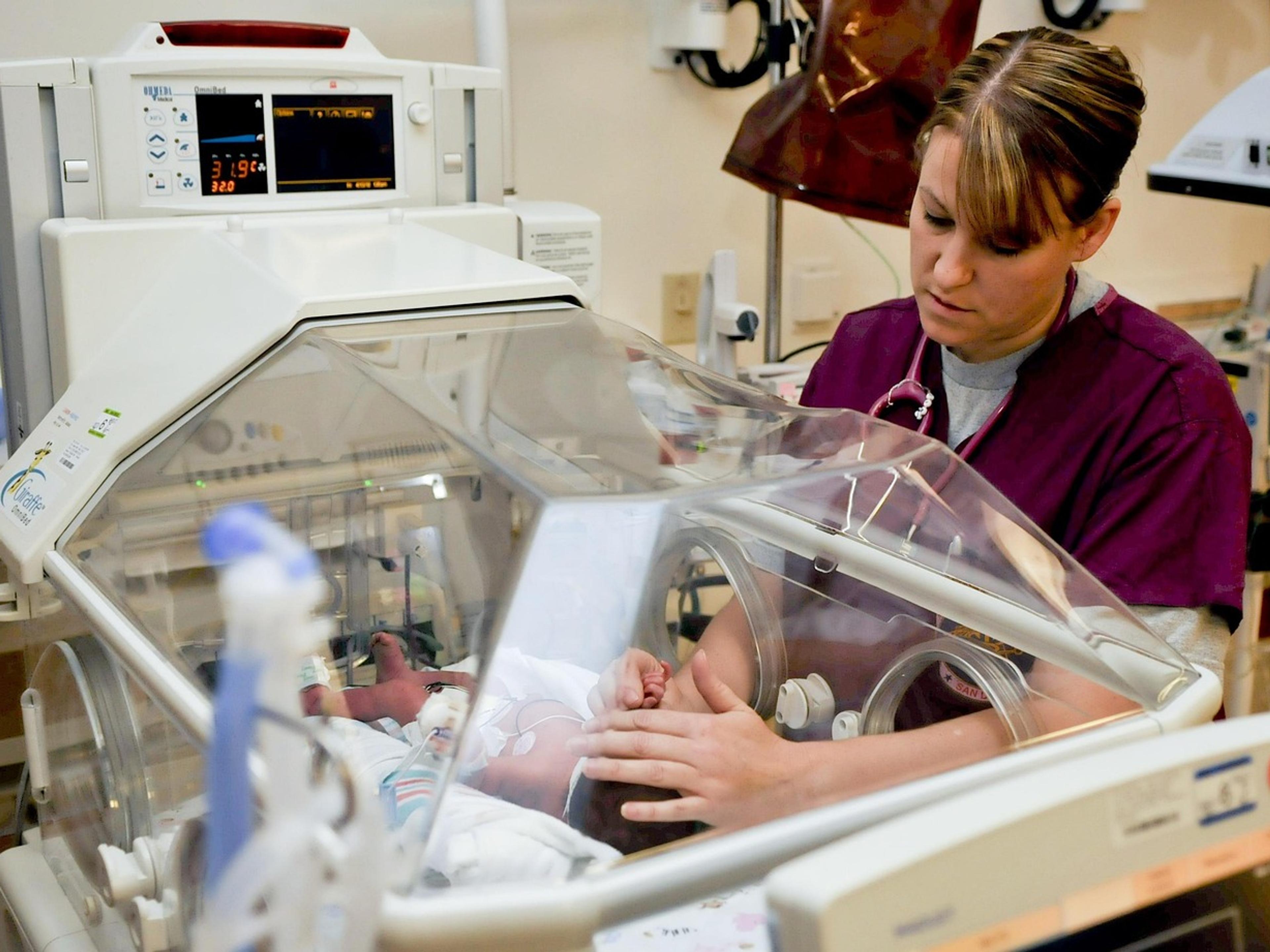
Mobile X-Ray Lets Doctors Scan Premature Babies in Serbia Without Moving Them
The neonatology centre in Kragujevac, Serbia, has received a mobile X-ray machine, funded by UNICEF donors and OTP Bank, that images preterm and sick babies beside their incubators so they do not have to be moved.

NUS Researchers Partly Restore Egg Maturation in Stiff, Aged-Like Ovarian Tissue
National University of Singapore researchers found that stiffer ovarian tissue cuts the links between eggs and their support cells, and that blocking the protein SMAD7 partly restored egg maturation in lab-grown follicles from preclinical models.