Ukraine kept its blood supply self-sufficient through the war, despite a 40% rise in demand
A report in the journal Transfusion describes how Ukraine met a roughly 40% rise in demand for blood products during the war without importing them, through mobile donation centers, an online donor platform and a central command.
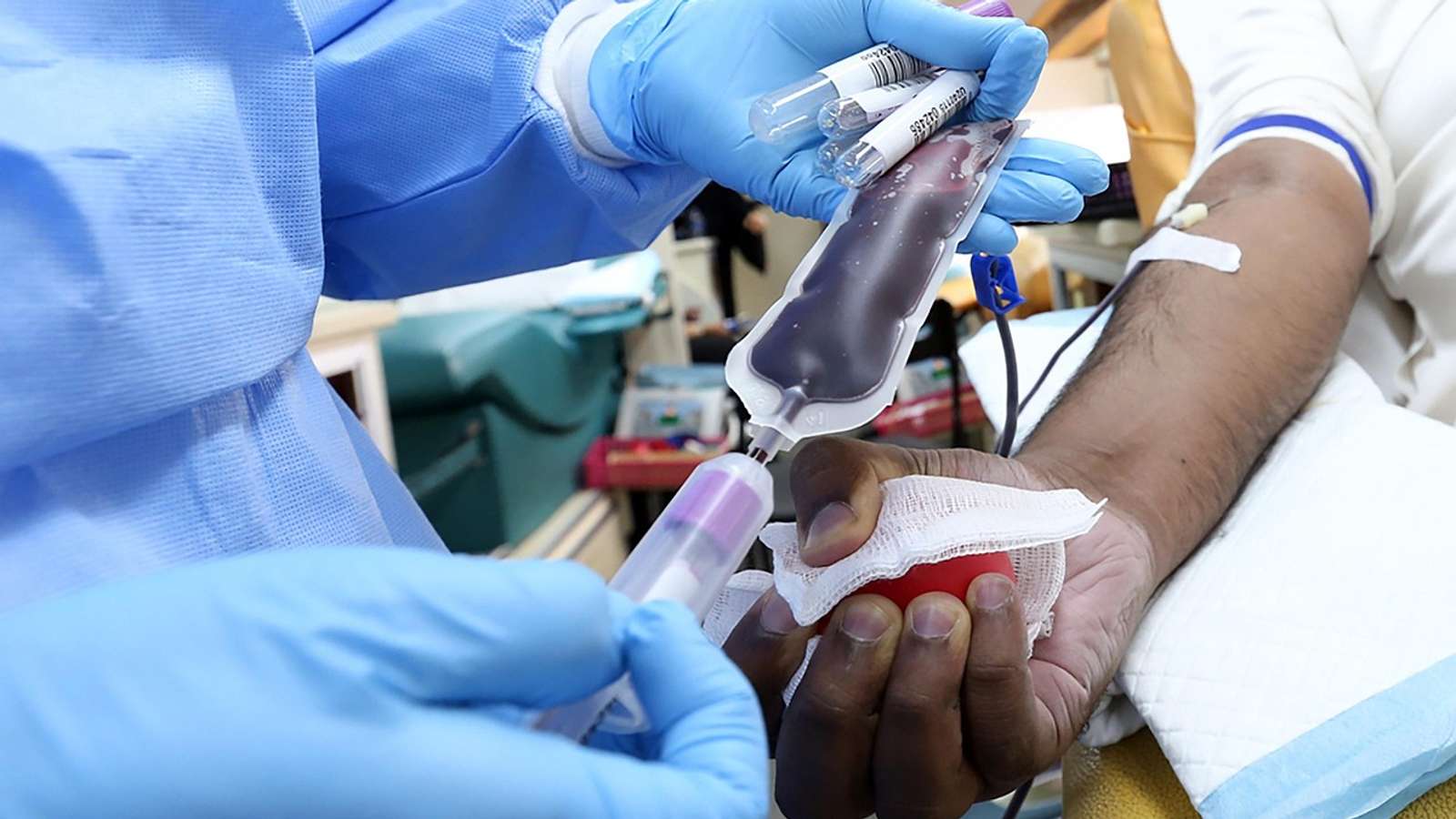
Ukraine has kept its blood supply self-sufficient since Russia's full-scale invasion in 2022, even as demand for blood products rose by about 40%, according to a report in the journal Transfusion, UW Medicine said on 22 October. The country has supported civilian and military patients “without relying on imported labile blood components,” the authors wrote.
Fewer donors, destroyed centers
The challenge was steep. Ukraine's population fell by about 10 million from an earlier estimate of 41.1 million, shrinking the pool of potential donors. Three blood centers were destroyed and three damaged; in one bombing of the Kharkiv Blood Center, three donors were wounded and one was killed.
How the system adapted
Under martial law, the Ministry of Health set up an operational headquarters to coordinate the blood system. A national campaign, “Your blood can fight!”, used mobile donation centers in protected locations, longer opening hours and safety measures for donors. An online platform shows which blood types are needed in which region.
Blood is moved by cold-chain transport from civilian centers to war zones, regional stocks were centralized, and O-negative donors, whose blood can be given to almost anyone in an emergency, were prioritized. Staff outside blood banks were trained in basic transfusion skills, and tracking was upgraded for medical evacuations.
“The experience in the Ukraine offers lessons in disaster preparedness.” — Dr. Yevgen Chornenkyy, UW Medicine, a lead author
A firsthand account, not a full dataset
The report was written by doctors from the University of Washington, Northwestern and Cleveland Clinic together with leaders of Ukraine's National Transfusiology Center, after an educational exchange. It is a descriptive account rather than a controlled study, and the press release gives no donation totals or baseline for the 40% figure. Other stories from Ukraine include a school in Malyn reopened after war damage.
Not medical advice. This article reports on research and health programs for general information. Results from early studies often change in larger trials. Talk to a doctor before making decisions about your own health or treatment.
Sources
- UW Medicine · newsroom.uw.edu
How we choose and verify sources: editorial policy.