Twenty Asian Countries Push to Add Essential Dental Care to National Health Coverage
Oral health leaders from 20 Asian countries met in Malaysia at the midpoint of a WHO "100-Day Sprint" to build essential dental care into their universal health coverage plans.
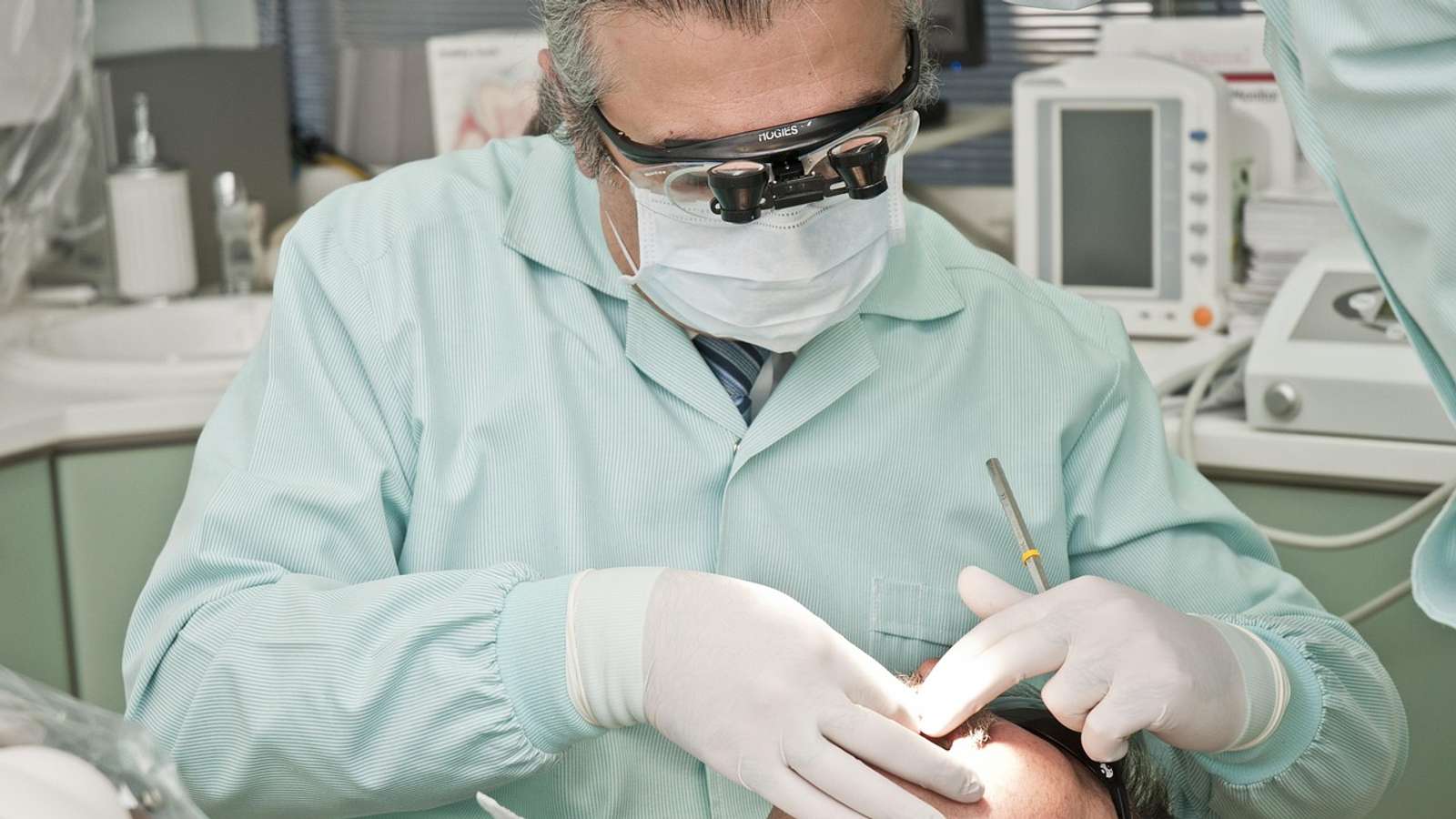
Twenty Asian countries and areas have committed to building essential dental care into their national universal health coverage plans as part of a "100-Day Sprint," the World Health Organization said on 6 October. Their chief dental officers met in Kota Kinabalu, Malaysia, from 27 to 29 September for the 16th Asian Chief Dental Officers Meeting, which marked the midpoint of the sprint.
The participants span WHO's Western Pacific and South-East Asia regions: Bangladesh, Bhutan, Brunei Darussalam, Cambodia, China, Hong Kong SAR (China), India, Indonesia, Japan, Laos, Malaysia, the Maldives, Mongolia, Nepal, the Philippines, Singapore, Sri Lanka, Thailand, Timor-Leste and Viet Nam.
“There is no health without oral health.” — Dr Saia Ma’u Piukala, WHO Regional Director for the Western Pacific
Oral diseases are the most common noncommunicable diseases
Tooth decay, gum disease and other oral conditions are the most common noncommunicable diseases, WHO says, and many can be prevented or treated with basic care at the primary health-care level.
WHO's global strategy and action plan on oral health 2023–2030 asks countries to include essential oral health services in universal health coverage. The sprint is a way to turn that into concrete benefit packages, country by country.
Countries mapped what stands in the way
Using WHO's Service Package Delivery and Implementation (SPDI) Platform, each country analyzed bottlenecks in four areas: service delivery, the health workforce, access to essential medicines and health products, and financing. At the meeting they reviewed that analysis and refined their proposed packages of essential oral health services.
Malaysia's health minister, Datuk Seri Dr Dzulkefly Ahmad, said oral diseases can have lifelong consequences but that many are preventable, and he stressed integrating care into primary health care and prevention in schools and communities. During the meeting, the WHO team visited a school in Sabah that runs a fluoride mouth-rinsing program.
Dr Suman Rijal, a director at WHO's South-East Asia office, said integrating oral health into broader health services is essential for reducing inequities and expanding access. WHO is tracking country progress on other public health goals as well; in Europe, Albania and Armenia have met the targets for controlling hepatitis B.
Costing comes next
In the remaining weeks of the sprint, countries are due to finish refining and costing their national oral health benefits. WHO has not said when the sprint ends or how many countries will formally add the services to their coverage plans. Those decisions rest with national governments and their health budgets, so the sprint's real test comes after it ends.
Not medical advice. This article reports on research and health programs for general information. Results from early studies often change in larger trials. Talk to a doctor before making decisions about your own health or treatment.
Sources
- World Health Organization · who.int
- who.int
How we choose and verify sources: editorial policy.