An Ebola survivor returns to work as Isiro expands its treatment center to 50 beds and patients come back to the hospital
In Isiro, DR Congo, the Ebola treatment center has grown from 40 to 50 beds with MSF, WHO has delivered more than a tonne of supplies, and patients are returning to the general hospital. A doctor who survived Ebola is back at work.
By Diego Callegari, Editor
· Democratic Republic of the Congo · 1 min read
Source: WHO Regional Office for Africa ↗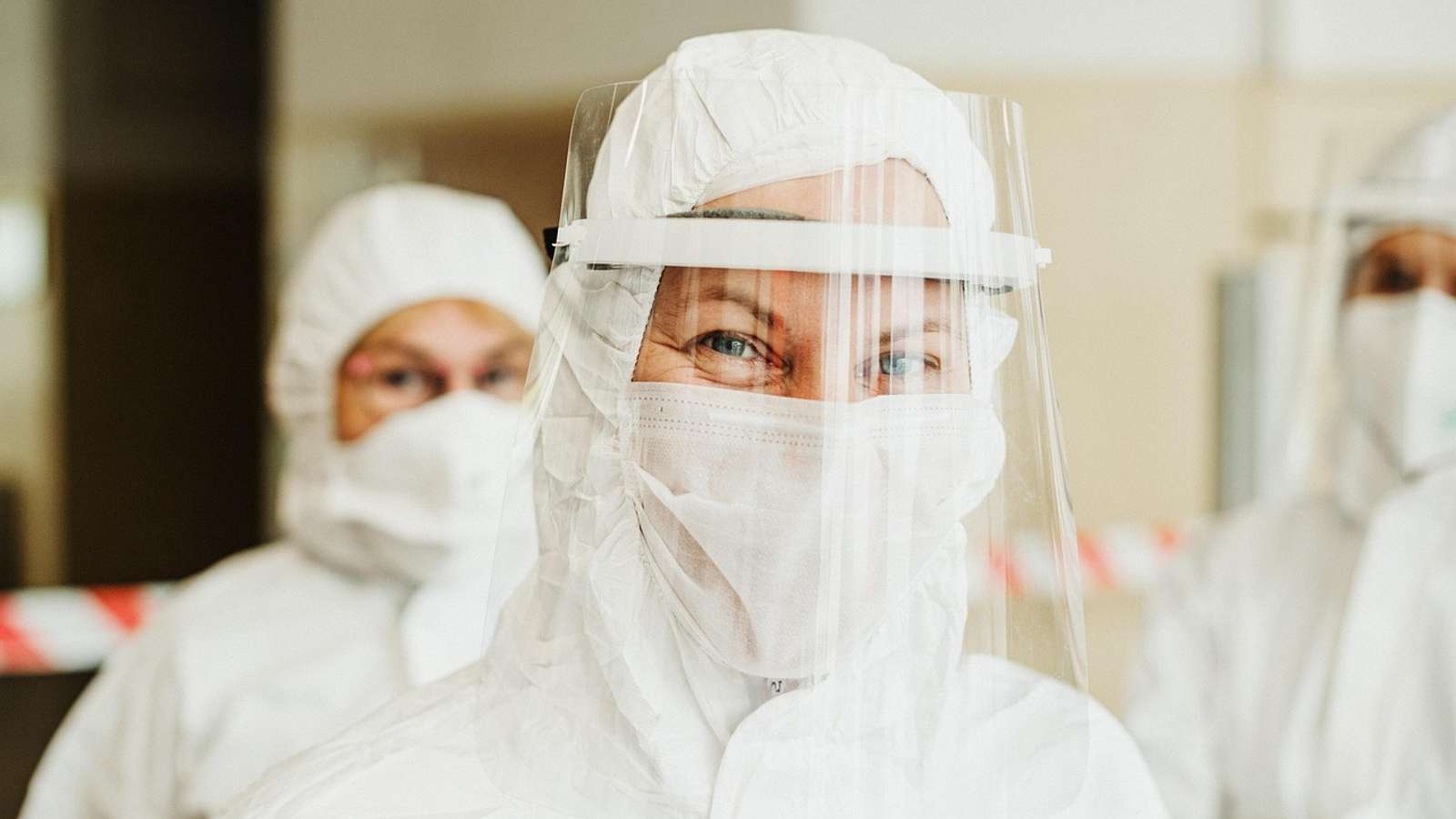
In Isiro, the town at the center of an Ebola outbreak in northeastern DR Congo, the treatment center has been expanded and patients are starting to return to the general hospital for ordinary care, the WHO Regional Office for Africa said on 23 October. The Ebola treatment center grew from 40 to 50 beds with Médecins Sans Frontières (MSF).
A doctor who survived
Dr Prince Afandia Alafu, a 33-year-old general practitioner, was admitted to the treatment center on 24 August with Ebola and recovered. Describing the early days, when patients were close together, he said: “We were separated only by ropes.” The expanded center helps “secure care circuits and reduce transmission risks,” said Dr Catherine Smallwood, WHO's incident manager.
Patients coming back for other care
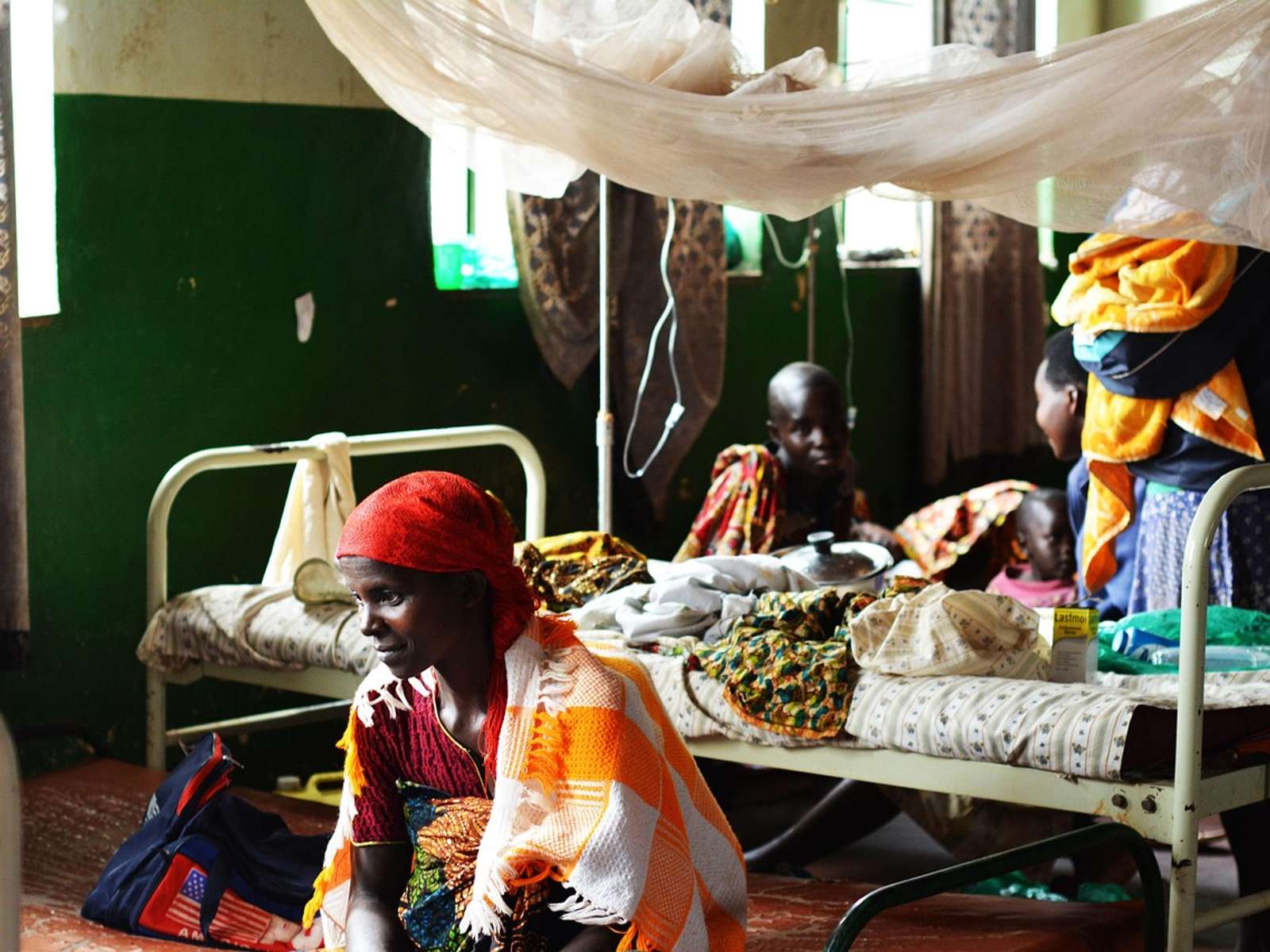
Outbreaks also hit everyday health care. Before Ebola, Isiro General Reference Hospital's 130 beds were more than 90% full; in August, fear of infection drove occupancy down to about 30%. Patients are now “starting to come back for their usual care,” said the hospital's director, Dr David Kamalu.
WHO delivered more than one tonne of medicines, supplies and equipment to the hospital, including oxygen therapy materials, protective equipment, beds and mattresses.
The outbreak is not over
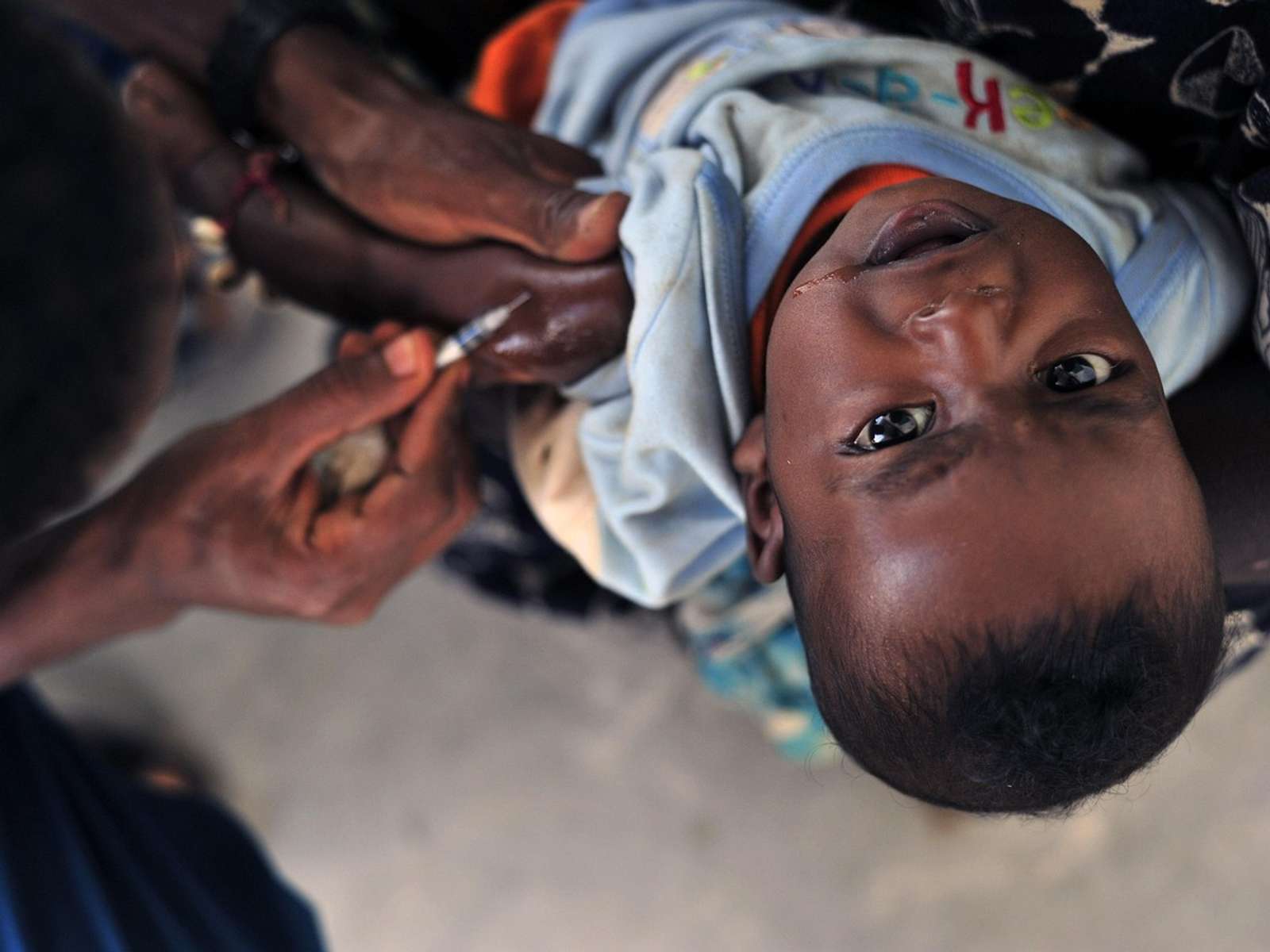
The outbreak is caused by Bundibugyo virus, one of the Ebola species. As of 19 October, it had reached 7 of the 13 health zones in Haut-Uélé province, with 421 confirmed cases and 180 deaths. Frontline workers are receiving the ERVEBO vaccine as part of a research study, and more than 9,000 have been vaccinated nationally, but its effectiveness against Bundibugyo virus is still being studied.
A vaccine designed specifically for Bundibugyo is in development; in Uganda this month, researchers gave the first doses of an experimental Bundibugyo Ebola vaccine in a phase 1 trial.
Not medical advice. This article reports on research and health programs for general information. Results from early studies often change in larger trials. Talk to a doctor before making decisions about your own health or treatment.
Sources
- WHO Regional Office for Africa · afro.who.int
How we choose and verify sources: editorial policy.