After a cholera outbreak killed 46, villages on the Oubangui River now have treated water
After a cholera outbreak with 720 suspected cases and 46 deaths, UNICEF and Oxfam set up river-water treatment systems in villages along the Oubangui in the Central African Republic, aiming to give 15,000 people safe water.
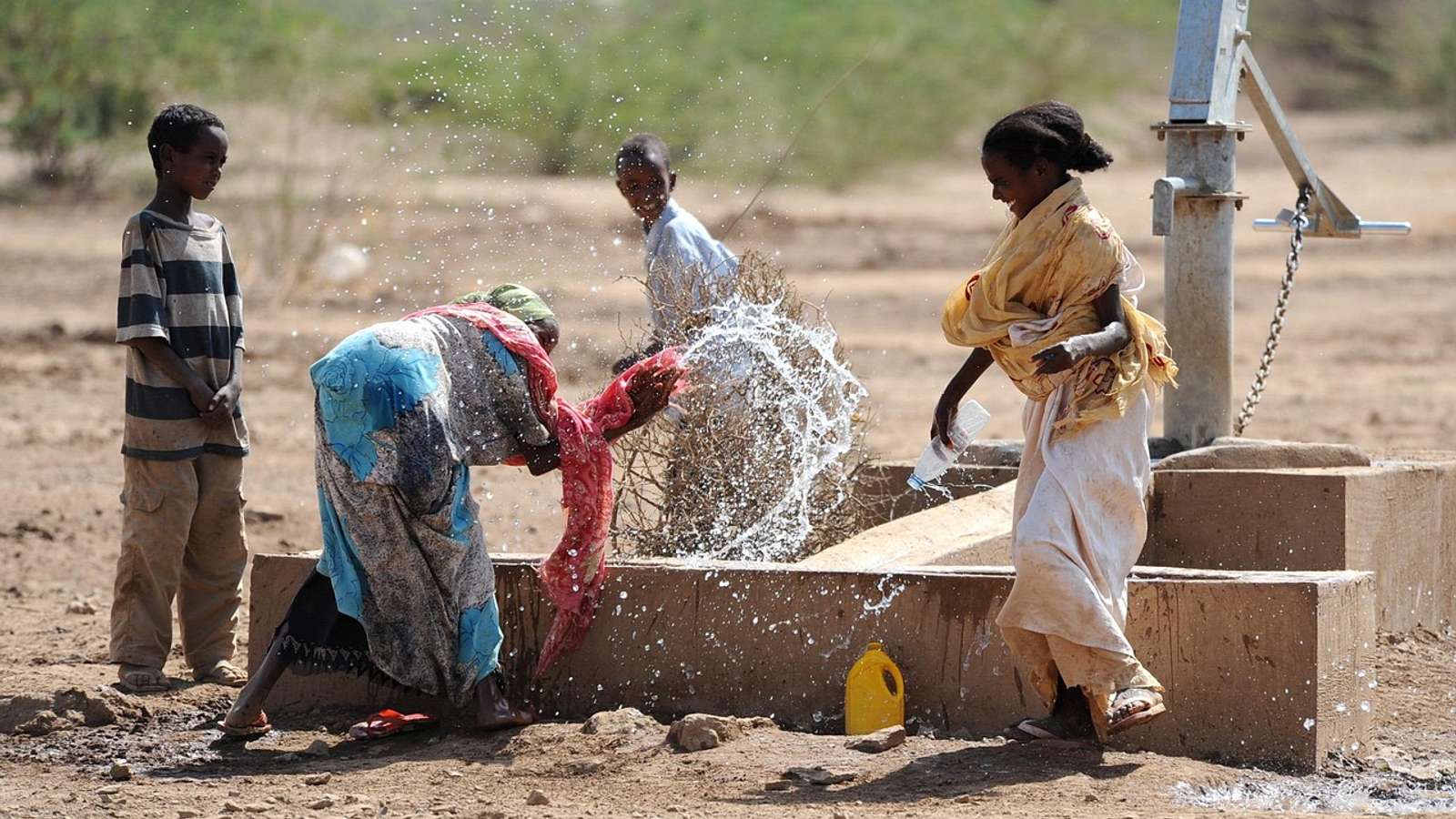
Villages on the Oubangui River in the Central African Republic that were hit by cholera this year now have water treatment systems, UNICEF said on 17 October. Two systems, in Bobassa 2 and Wayambo, have run since September, and a third is being built in Bokassi 2, as part of a response by UNICEF and Oxfam that aims to give 15,000 people safe drinking water.
“A few months ago, when a cholera outbreak hit our area, my seven-month-old son was among the children who died.” — Patrick Pamale, resident of Bobassa 2
720 suspected cases in three months
The outbreak was declared on 26 June in the Bimbo and Mbaiki health districts and declared over on 18 September. In those three months there were 720 suspected cases and 46 deaths, and children under 10 made up 44% of cases. In Wayambo, a village of 843 people 27 kilometers from the capital, Bangui, there were 65 cases and three deaths. In Bokassi 1, 66 people fell ill and 14 died, according to the village chief.
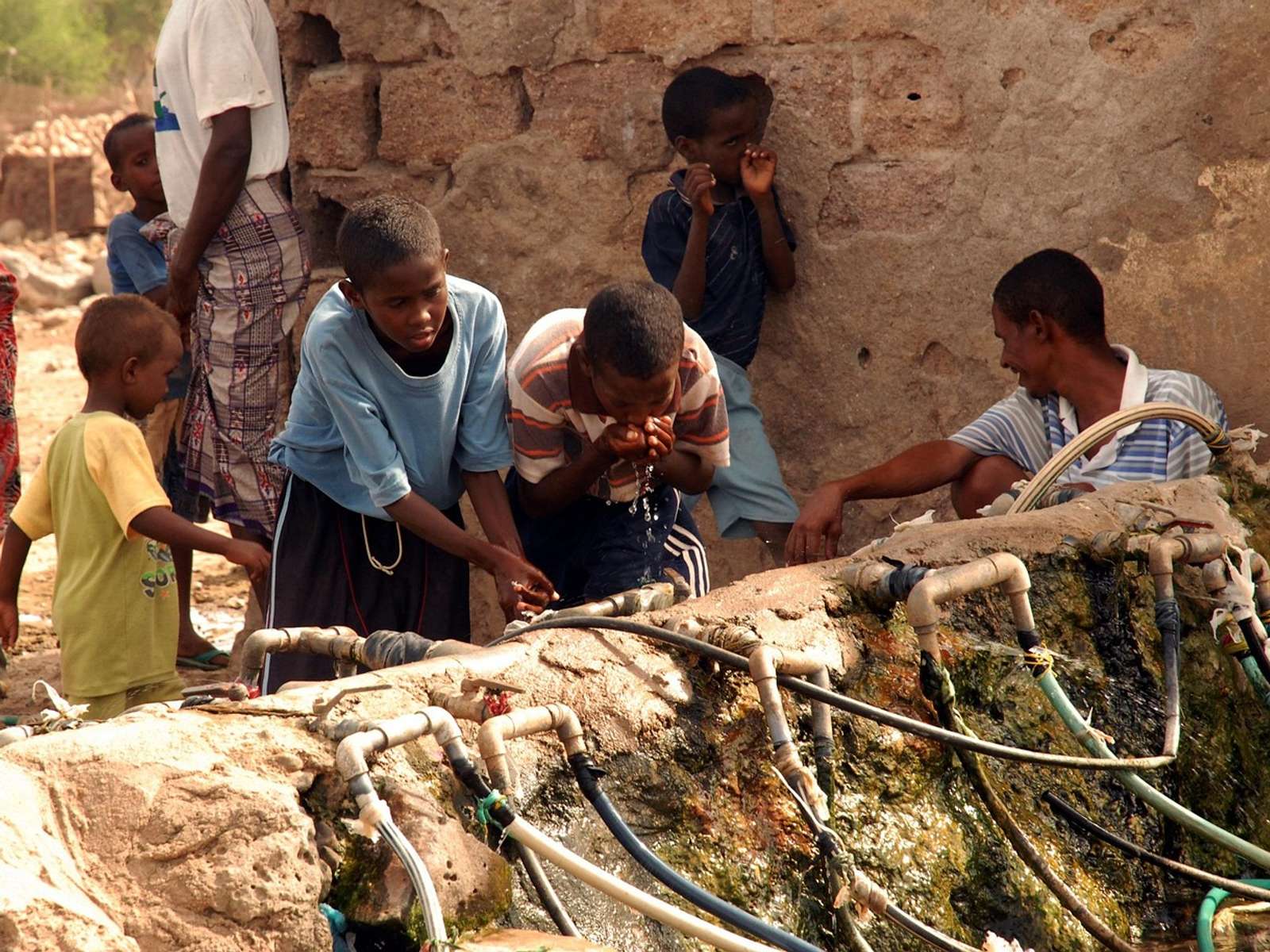
Cholera can kill within hours if untreated, although most cases can be treated with oral rehydration solution, according to the World Health Organization. In Bokassi 1, where the borehole broke down, “the river has been our only source of drinking water,” said Mureille Danemo, a mother of five.
River water, treated twice, from six taps
The setup is simple. An engine pumps river water into a 5,000-liter elevated tank, where it is treated every other day with 300 grams of sulphate, then flows into a bladder tank for a second treatment with chlorine before reaching a distribution point with six taps. The points open from 6 to 10 a.m. and 2 to 7 p.m., and stay locked in between so the water has time to be treated.
“I have seven children, and I feel relieved knowing that, now that we have access to clean, safe drinking water in our village, they are less likely to fall ill,” said Nadège Ngambaou, 25, in Bobassa 2.
In Sudan, a similar solar-powered water yard now serves 10,000 displaced people in a camp hit by cholera.
Boreholes and vaccines to stop it coming back
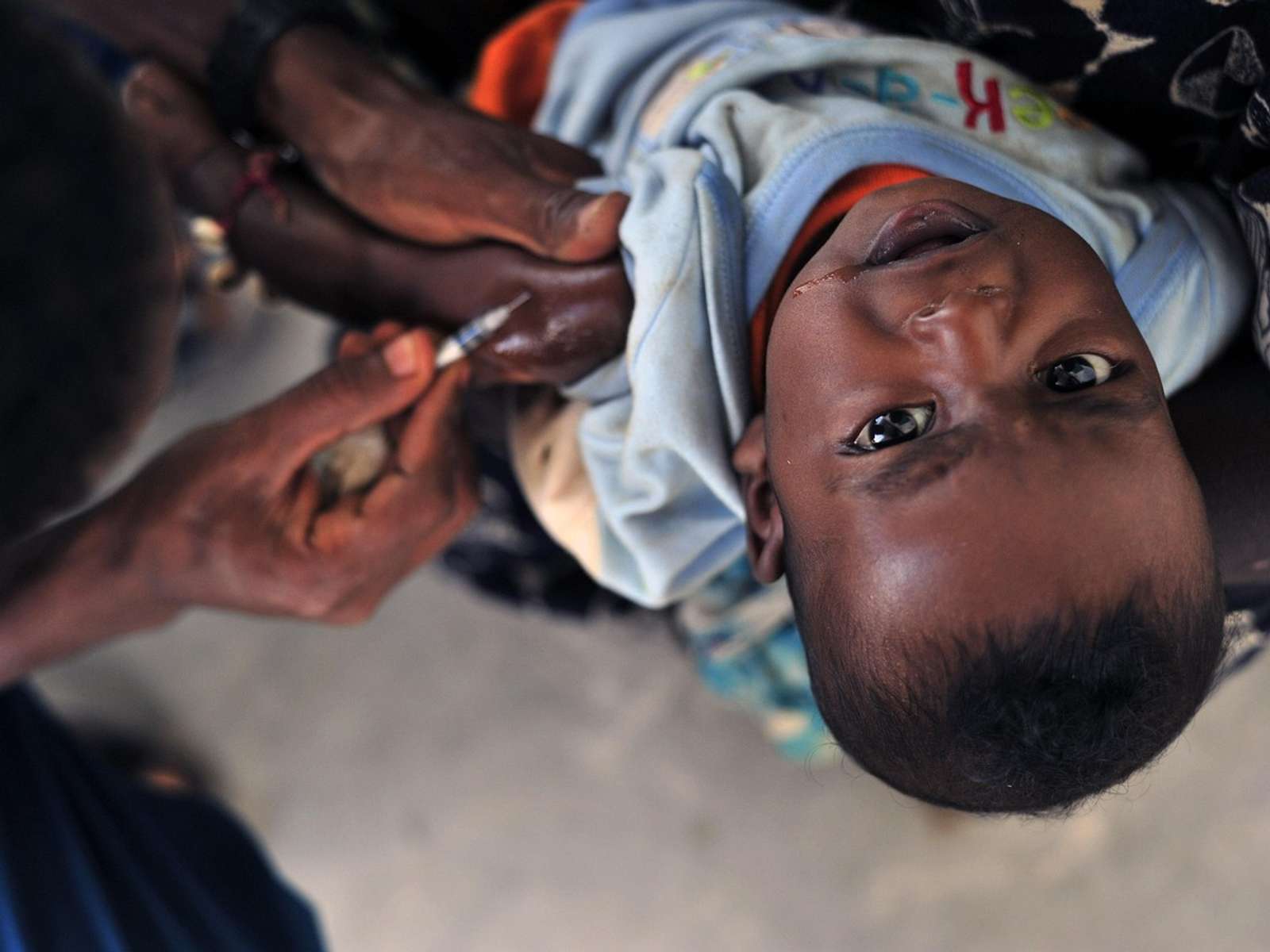
The program, funded by OCHA's Central Emergency Response Fund, also repairs five water points in nearby villages, including a broken borehole in Bokassi 1 and two boreholes in Ndimba that must pass laboratory tests before reopening. A door-to-door cholera vaccination campaign is reaching everyone aged one and over. UNICEF has not said how the temporary systems will be run once emergency funding ends.
Sources
- UNICEF Central African Republic · unicef.org
- who.int
How we choose and verify sources: editorial policy.